Gardening Made Simple.
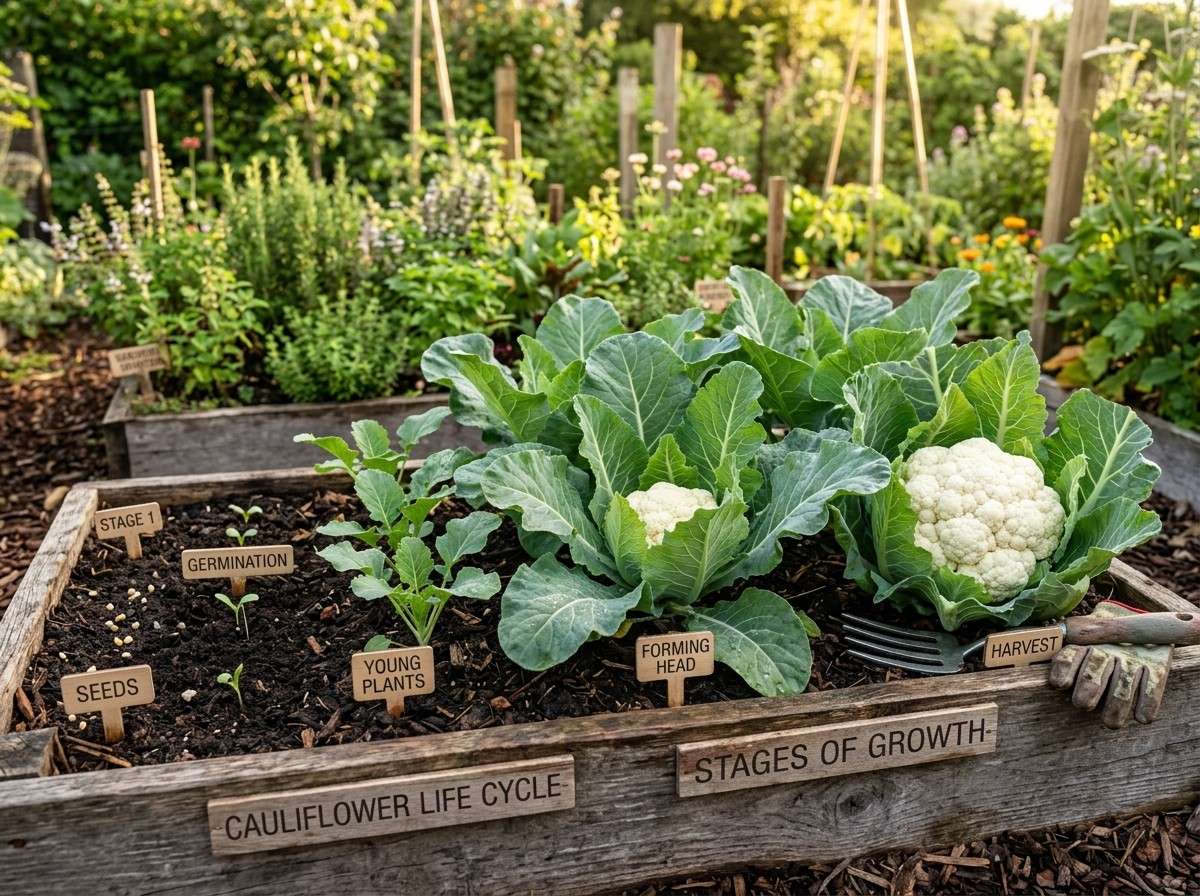
Growing cauliflower can feel tricky if you don’t know what to expect at each stage. But once you understand the steps, you’ll find it much easier to nurture your plants and get a great harvest.
You’ll discover the key stages of growing cauliflower—from planting seeds to harvesting crisp, delicious heads. By knowing what to watch for and how to care for your plants at every phase, you’ll boost your chances of success. Ready to turn your garden into a cauliflower-growing success story?
Let’s dive in!
Preparing the soil is the first important step in growing healthy cauliflower. Good soil helps the plant get the nutrients it needs. It also supports strong root growth and helps keep the plant safe from diseases. Taking time to prepare the soil properly can lead to a better harvest.
Pick a spot that gets full sun for at least six hours daily. Cauliflower grows best in cool weather and needs enough light. Avoid areas with strong winds or heavy shade. A flat or slightly sloped place works well to stop water from pooling around the roots.
Cauliflower prefers soil that is rich, loose, and well-drained. The ideal soil pH is between 6.0 and 7.0. Soil that is too acidic or too alkaline can slow growth. Organic matter in the soil helps keep moisture and nutrients available. Heavy clay or sandy soils need improvement before planting.
Start by clearing the area of weeds and debris. Loosen the soil to a depth of 12 to 15 inches using a shovel or tiller. Mix in compost or well-rotted manure to enrich the soil. Add balanced fertilizer to supply essential nutrients. Level the soil surface and water it lightly before planting seeds or seedlings.
Choosing the right seeds and varieties is the first step to growing healthy cauliflower. The type of seed affects the plant’s growth, taste, and harvest time. Selecting good seeds suited to your climate helps ensure success in your garden.
Several cauliflower varieties are popular among gardeners. 'Snowball' is a classic white type, known for its firm heads. 'Purple Cape' offers bright purple heads and adds color to your garden. 'Orange Bouquet' grows orange heads with a sweet flavor. 'Graffiti' produces vibrant purple heads and grows quickly. Each variety has unique traits for different growing needs.
Choose fresh seeds for better germination rates. Check the packet for expiration dates. Look for seeds that are clean and free from damage. Buy seeds from trusted sources to avoid poor quality. Store seeds in a cool, dry place to keep them viable. Good seed quality leads to strong seedlings and a better cauliflower harvest.
Planting cauliflower starts the journey to a healthy harvest. It needs care and the right conditions. Planting too early or too deep can stop growth. Each step matters for strong plants and big heads.
Cauliflower grows best in cool weather. Plant seeds or seedlings in early spring or late summer. Avoid hot summer months. The ideal temperature is between 60°F and 70°F. This helps plants grow without stress.
Start cauliflower indoors 4 to 6 weeks before outdoor planting. Transplant seedlings when they have 4 to 6 true leaves. Harden off seedlings by slowly exposing them to outdoor conditions. Plant on a cloudy day or in late afternoon to reduce shock.
Plant cauliflower seedlings 18 to 24 inches apart. Space rows about 24 to 30 inches. Plant seedlings deep enough to cover the root ball fully. Firm soil around roots to remove air pockets. Proper spacing allows air and sunlight to reach plants.
Caring for growing cauliflower plants needs focus and regular effort. Healthy plants produce better heads. Pay close attention to water, nutrients, and pests. These factors decide how strong and tasty the cauliflower becomes.
Cauliflower needs steady moisture to grow well. Water plants deeply once or twice a week. Avoid letting the soil dry out completely. Too much water causes root problems. Use mulch to keep soil moist and cool.
Feed plants with balanced fertilizer during growth. Use fertilizer rich in nitrogen for leafy growth. Switch to phosphorus and potassium as heads start forming. Follow package instructions to avoid overfeeding. Organic compost also works well for nutrients.
Check plants often for pests like aphids and cabbage worms. Handpick pests or use gentle insect sprays. Remove damaged leaves to stop disease spread. Keep garden clean and avoid overcrowding plants. Crop rotation helps prevent soil diseases too.
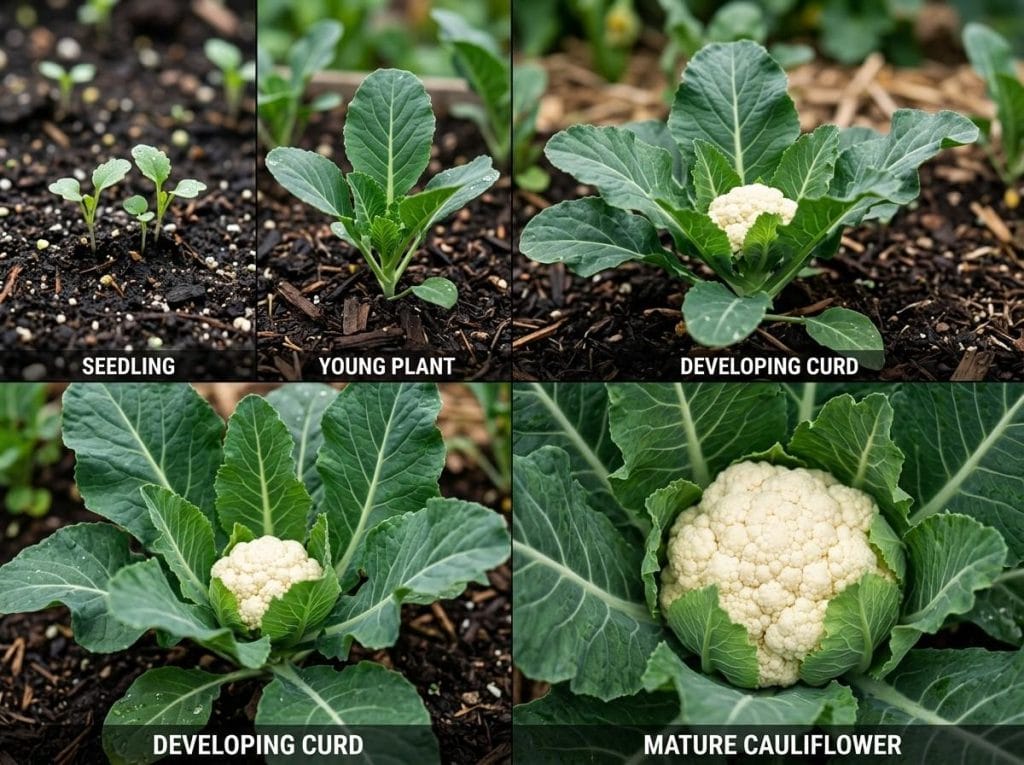
Managing the growth stages of cauliflower is key to a healthy harvest. Each stage needs specific care to help the plant develop strong leaves and heads. Paying attention to these stages improves the quality and size of the cauliflower.
The leaf development stage is the first major growth phase. Leaves capture sunlight and make food for the plant through photosynthesis. Healthy leaves mean the plant can grow well and resist diseases. Water regularly and keep the soil moist but not soggy. Remove any damaged leaves to keep the plant healthy. Fertilize with nitrogen to support leafy growth.
Head formation starts after the leaves grow enough. The cauliflower begins to form the white curd, which is the edible part. Protect the head from pests and extreme weather. Keep soil evenly moist for consistent head development. Avoid high nitrogen at this stage to prevent too many leaves and small heads. Watch for signs of disease and act fast to prevent spread.
Blanching keeps the cauliflower heads white and tender. It means covering the heads to block sunlight. Use the plant’s own leaves to cover the head by tying them together gently. This stops the head from turning yellow or green. Start blanching when the head is about 2-3 inches wide. Keep the covering until harvest to maintain the best color and flavor.
Harvesting cauliflower is the final step in growing healthy, tasty heads. Picking at the right time ensures the best flavor and texture. It also helps avoid problems like browning or loose heads. Proper harvesting keeps your crop fresh and ready for use or sale.
Cauliflower heads are ready to harvest when they are firm and compact. They should be white or creamy, without any spots or discoloration. The head size usually measures 6 to 8 inches across. Leaves around the head often curl inward, protecting it from sun. Avoid waiting too long. Overgrown heads become grainy and lose taste.
Use a sharp knife or garden shears for cutting cauliflower heads. Cut the stem about 1 to 2 inches below the head. Handle the heads gently to avoid bruising. Leave some leaves around the head for protection during handling. Harvest early in the morning for best freshness. Avoid pulling the head by hand to prevent damage.
After harvesting, remove extra dirt and damaged leaves carefully. Store cauliflower heads in a cool, moist place. Ideal temperature is between 32 and 40 degrees Fahrenheit. Keep humidity high to prevent drying out. Use perforated plastic bags or containers to allow air flow. Consume within one to two weeks for best quality.
Growing cauliflower can bring many challenges. Some problems can stop your plants from growing well. Knowing how to fix these common issues helps your crop stay healthy and strong. This section covers the main problems and how to handle them.
Bolting means the cauliflower starts to flower too soon. This can ruin the head and lower the yield. Keep cauliflower cool by planting early or late in the season. Avoid letting the soil dry out or get too hot. Mulch helps keep the soil temperature steady. Pick varieties that resist bolting for better results.
Cabbage worms, aphids, and flea beetles attack cauliflower plants. Check your plants often for holes or spots on leaves. Use insecticidal soap or neem oil for small pest problems. Handpick larger pests if you see them. Crop rotation also stops pest buildup in the soil. Healthy plants resist pests better.
Yellow leaves or slow growth may signal missing nutrients. Cauliflower needs nitrogen, phosphorus, and potassium to grow well. Add compost or balanced fertilizer to the soil before planting. Side-dress with fertilizer during the growing season for extra nutrients. Test your soil to know exactly what it lacks.
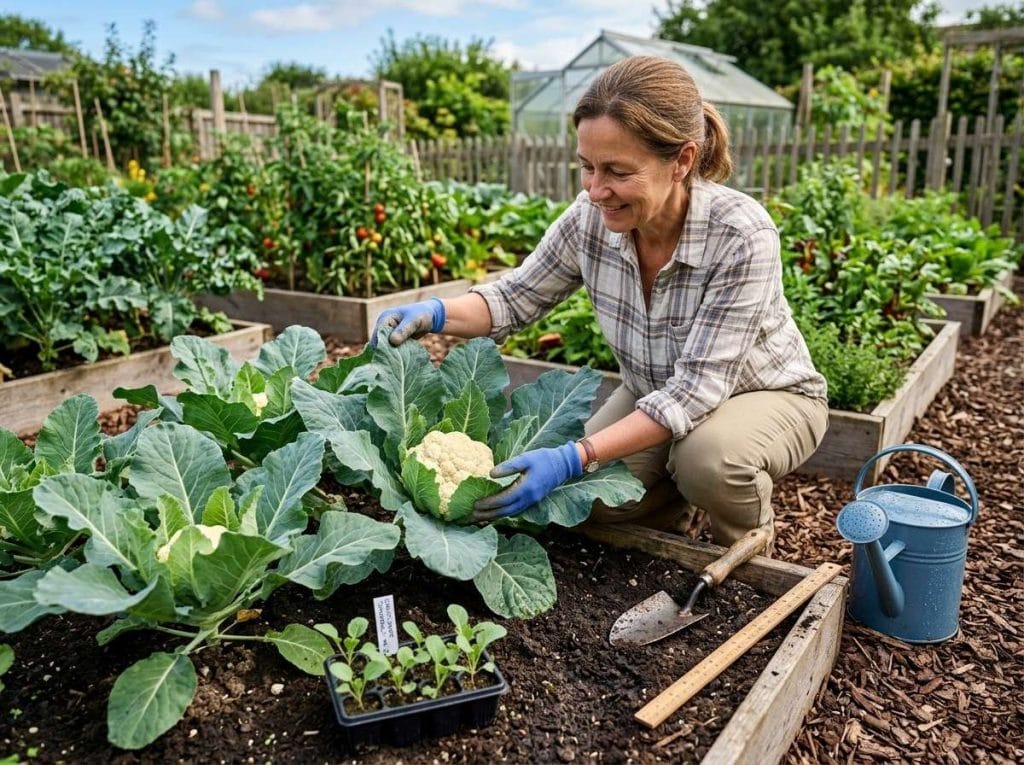
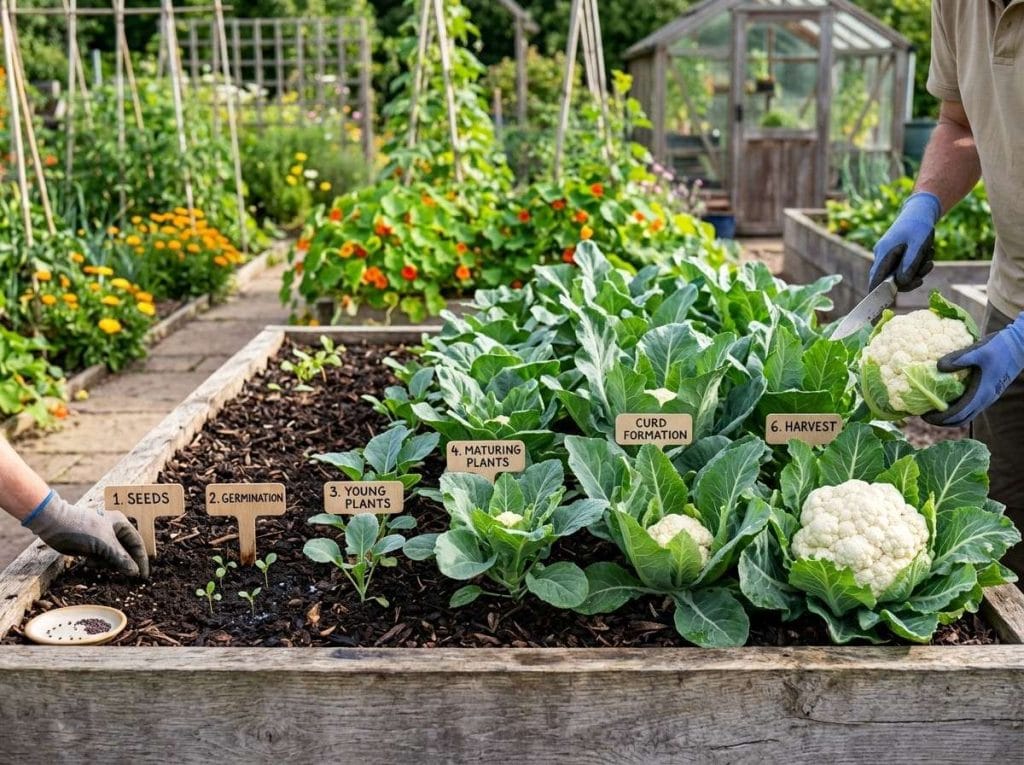
Cauliflower grows in stages: seed, seedling, vegetative, curd development, and harvest.
Each stage lasts 2-4 weeks, with total growth around 70-100 days.
The edible head, called the curd, forms during the curd development stage.
Keep seedlings moist, provide sunlight, and protect from pests and cold.
A firm, white head about 6-8 inches wide means it's ready to pick.
Growing cauliflower takes patience and care through each stage. Start with healthy seeds and good soil. Water regularly but avoid too much water. Watch the plant grow leaves before the head forms. Protect it from pests and extreme weather. Harvest the cauliflower when the head is firm and white.
Each step matters to get fresh, tasty cauliflower. Follow these stages for a successful and rewarding garden. Your effort will bring a healthy, delicious vegetable to your table. Simple care makes a big difference in growing cauliflower well.