Gardening Made Simple.
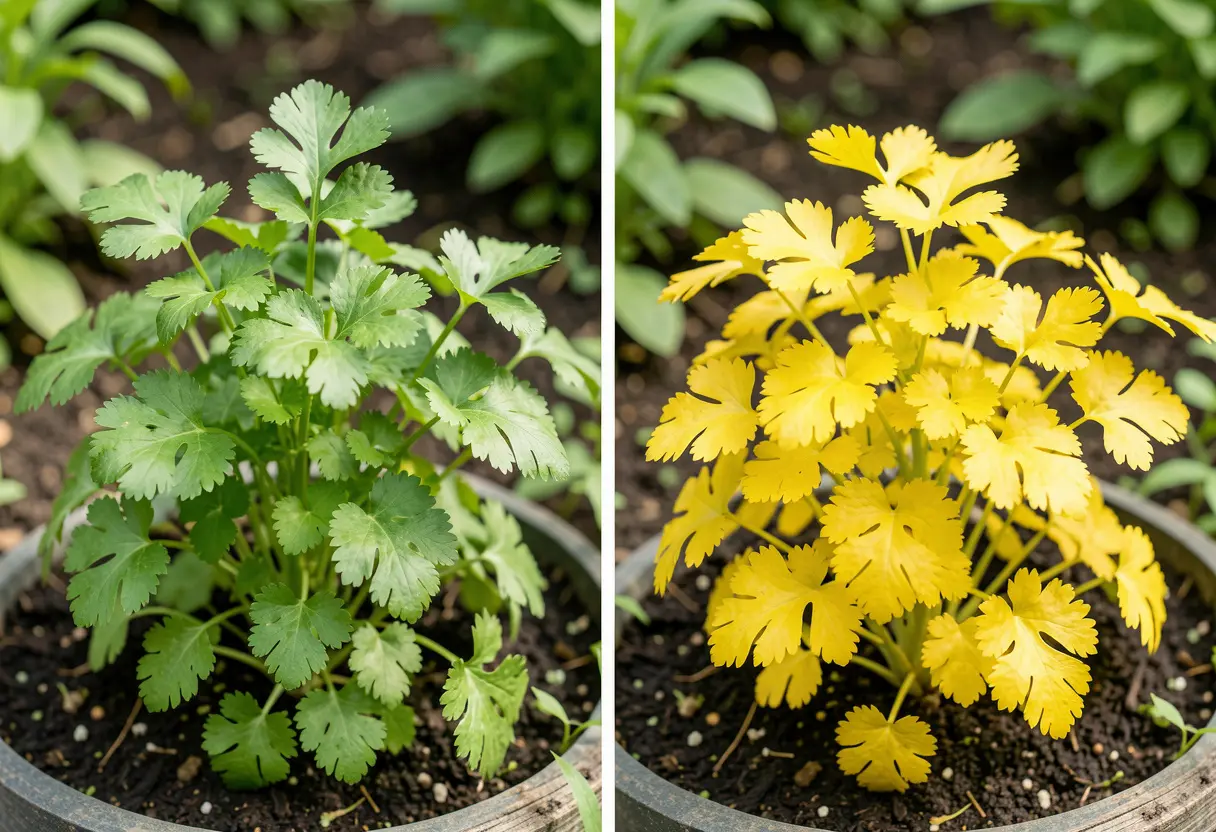
Are you noticing Cilantro Leaves Turning Yellow and wondering what’s going wrong? It can be frustrating to see your fresh, green cilantro lose its vibrant color, but understanding the cause is the first step toward bringing your plant back to health.
Yellow leaves not only affect the look of your herb but also signal that something might be off with your plant’s health. You’ll discover the common reasons behind yellowing cilantro leaves and simple steps you can take to bring your plant back to life.
Keep reading to save your cilantro and enjoy those fresh, flavorful leaves again!
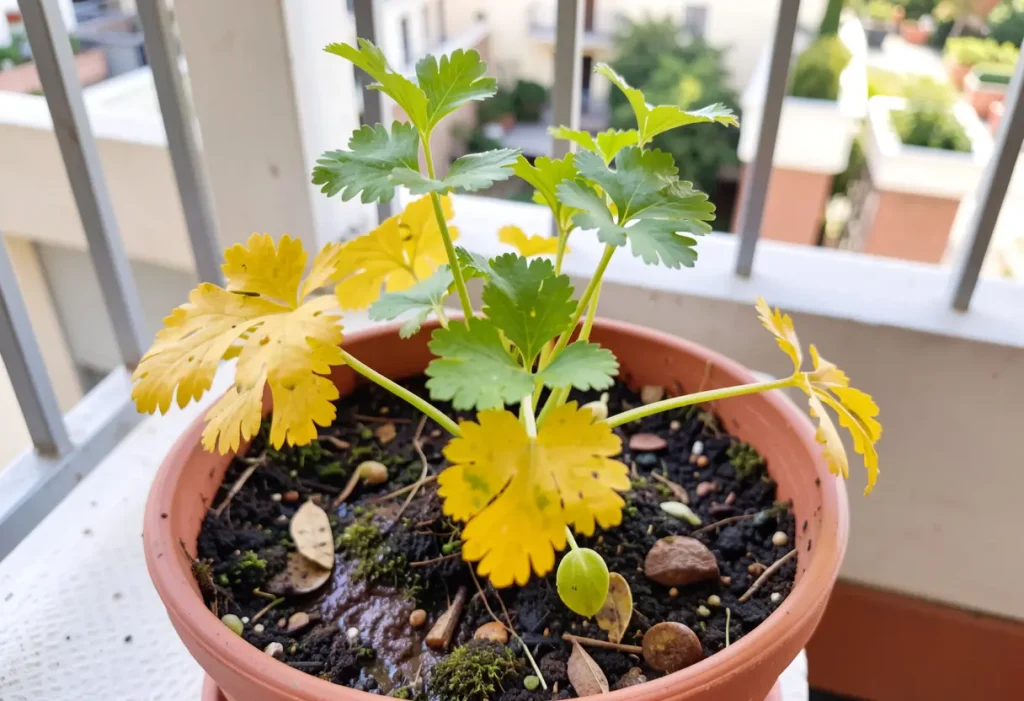
Yellowing cilantro leaves often signal a problem with plant care. Understanding common causes helps keep cilantro healthy and green. Several factors can turn cilantro leaves yellow, affecting growth and flavor.
Too much water causes roots to stay wet and suffocate. This leads to root rot and yellow leaves. Let soil dry slightly between waterings. Ensure pots have good drainage to avoid water buildup.
Cilantro needs plenty of sunlight to thrive. Lack of light makes leaves turn pale and yellow. Place cilantro in a bright spot, preferably with at least 4-5 hours of sunlight daily. Poor light weakens the plant over time.
Yellow leaves may mean the plant lacks key nutrients. Nitrogen deficiency is a common cause. Fertilize cilantro with a balanced, mild fertilizer every few weeks. Healthy soil with nutrients supports green, vibrant leaves.
Pests like aphids and spider mites damage cilantro leaves. Their feeding causes yellow spots and leaf curling. Fungal diseases also cause yellowing and wilting. Inspect plants regularly and treat pests early with safe methods.
Cilantro prefers cool weather and may yellow in heat. High temperatures cause stress and leaf discoloration. Keep cilantro in a shaded area during hot days. Protect plants from frost in cold weather to avoid damage.
Identifying yellowing in cilantro leaves early helps save your plant. Catching problems fast allows for quick care. Watch the plant daily for signs. Small changes can mean big issues ahead.
Check leaves closely for yellow spots or patches. Yellowing often starts at the edges or between veins. Look for uneven color or pale areas on leaves. Early discoloration signals stress or nutrient lack.
Feel the soil around the plant with your fingers. Soil that is too wet or too dry harms cilantro roots. Yellow leaves may mean watering is off balance. Keep soil moist but not soggy for best growth.
Look under leaves and on stems for tiny bugs or eggs. Pests like aphids and spider mites cause leaf yellowing. Check for sticky residue or small holes on leaves. Early pest detection helps protect cilantro health.
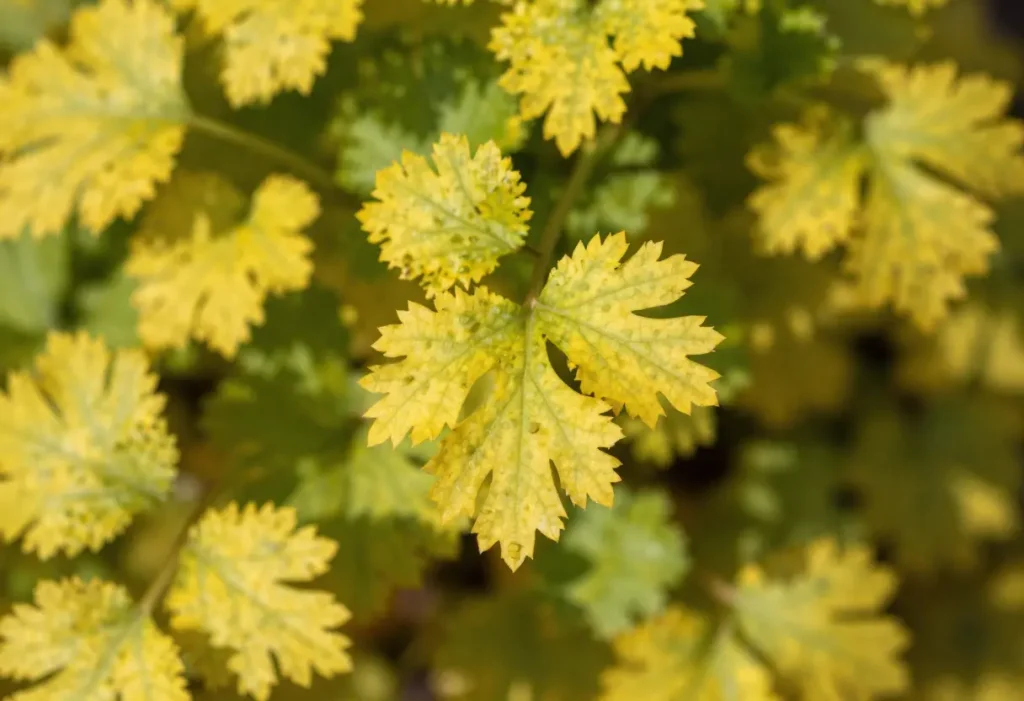
Yellow leaves on cilantro plants often signal stress or poor care. Fixing this issue can bring your plant back to life. Simple changes can stop the yellowing and help leaves stay green and fresh.
These easy steps focus on watering, light, soil, pests, and temperature. Each factor plays a big role in healthy cilantro growth. Follow these tips to revive your plant and enjoy fresh cilantro again.
Too much water causes roots to rot and leaves to yellow. Too little water makes leaves dry and pale. Water cilantro evenly. Keep soil moist but not soggy. Water when the top inch of soil feels dry. Check pots for good drainage to avoid water buildup.
Cilantro needs bright, indirect sunlight. Too little light makes leaves turn yellow and weak. Too much direct sun can burn the leaves. Place your plant near a window with filtered light. Move it if leaves start to fade or scorch.
Yellow leaves often mean a lack of nutrients. Use a balanced, gentle fertilizer every few weeks. Compost or organic matter improves soil health. Avoid strong fertilizers that can harm the plant. Healthy soil helps cilantro grow vibrant green leaves.
Pests like aphids or spider mites can cause yellow spots. Check leaves regularly for tiny bugs or webs. Spray plants with mild soap water to remove pests. Use neem oil for a natural pest control method. Healthy plants resist pests better.
Cilantro prefers cool weather between 50°F and 85°F. High heat causes stress and yellowing leaves. Avoid placing plants near heaters or hot windows. Move cilantro to cooler spots during hot days. Stable temperatures keep leaves green and strong.
Preventing future yellowing of cilantro leaves starts with good habits. Healthy plants resist problems better and grow strong. Simple steps help keep your cilantro green and fresh for longer. Focus on careful planting, regular care, and smart seed choices.
Choose a spot with good sunlight but not harsh heat. Cilantro grows best in loose, well-drained soil. Avoid planting too deep; seeds need light to sprout easily. Space plants to let air move freely around leaves. Crowded plants get stressed and yellow faster.
Water cilantro regularly but do not soak the soil. Keep the soil moist, not wet. Remove yellow or damaged leaves quickly to stop spread. Use balanced fertilizer to feed plants every few weeks. Check for pests early and treat gently to avoid harm.
Pick cilantro types known for leaf health and strength. Some varieties resist yellowing and disease better than others. Ask local gardeners or seed sellers for advice. Starting with strong seeds makes growing easier and more successful.
Harvesting and using healthy cilantro ensures the best flavor and aroma. Picking leaves at the right time keeps the plant fresh and vibrant. Proper handling after harvest extends cilantro’s shelf life. Using fresh leaves brightens dishes and adds a fresh, herbal taste.
Cut cilantro leaves early in the morning for best freshness. Use clean scissors or garden shears to avoid damage. Harvest outer leaves first to let the plant keep growing. Avoid cutting more than one-third of the plant at once. This practice helps cilantro stay healthy and productive.
Rinse cilantro gently under cool water to remove dirt. Pat dry with a clean towel or paper towel. Store in a jar with water covering the stems, like a bouquet. Cover loosely with a plastic bag and keep in the fridge. Change water every two days to keep leaves crisp and green.
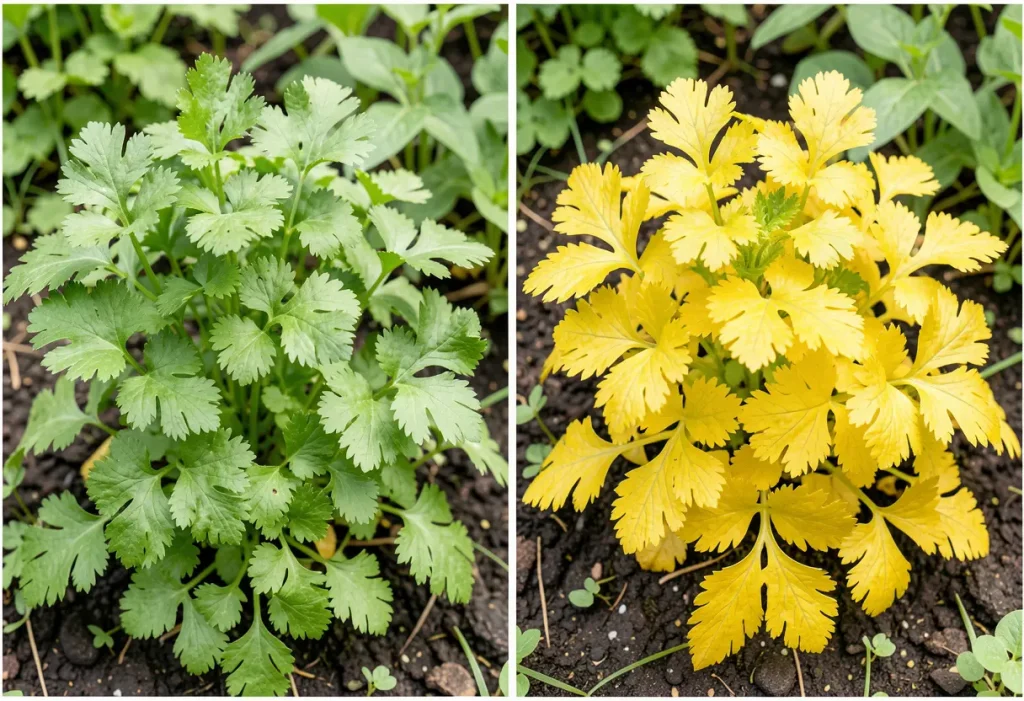
Yellow leaves on cilantro often mean too much water or poor drainage. Lack of nutrients or old plants can cause yellowing too.
Water cilantro only when the top soil is dry. Use well-draining soil and feed plants with balanced fertilizer regularly.
Yellow cilantro leaves are safe but taste weaker. It’s best to use fresh, green leaves for full flavor.
Yes, pests like aphids or spider mites can stress the plant. Check leaves for bugs and treat with natural insecticides.
Cilantro grows quickly and usually stays green for about 3-4 weeks. After that, leaves may yellow as the plant matures.
Yellow cilantro leaves show your plant needs care. Check water levels and soil health first. Too much sun or cold can also cause yellowing. Remove old leaves to help new ones grow. Use gentle fertilizer to give nutrients back. Watch your plant daily for quick fixes.
Healthy cilantro means fresh leaves for cooking. Keep these tips in mind and enjoy your herb garden. Simple steps make a big difference. Your cilantro will stay green and tasty.