Gardening Made Simple.
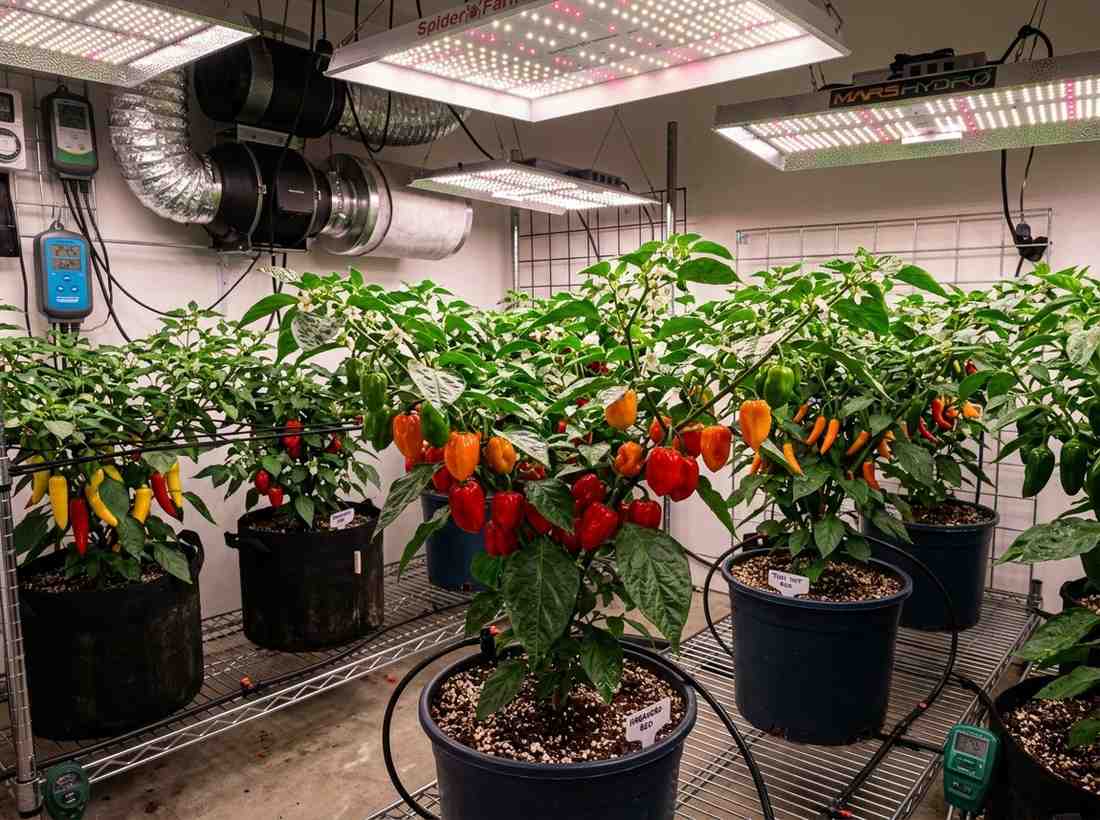
Growing chili peppers indoors can be both fun and rewarding. Whether you want fresh chilies for cooking, enjoy gardening, or simply like their vibrant colors, indoor cultivation offers control and flexibility. Many people think chili peppers need a big garden or warm weather, but you can succeed even in small apartments or cold climates with the right approach.
Indoor growing means you control the temperature, light, and humidity. This reduces risk from pests and unpredictable weather. With a little planning and care, you can harvest fresh, spicy peppers year-round.
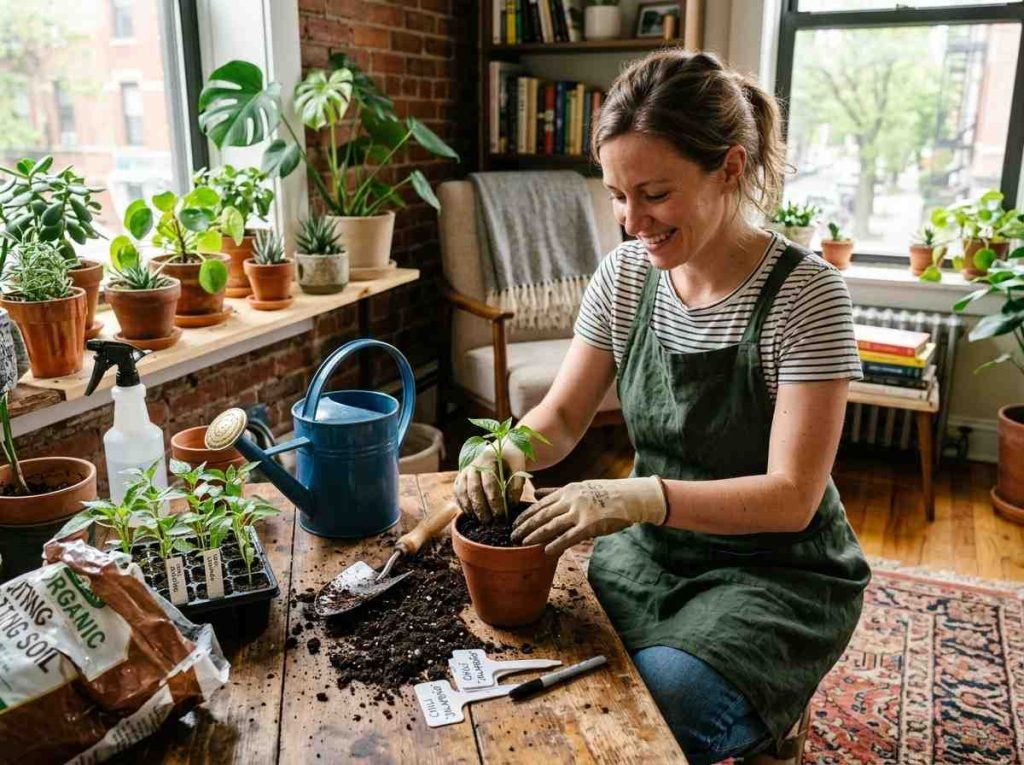
Not all chili peppers grow well indoors. Some need more space or sunlight than you can provide inside. For best results, pick varieties suited for pots and indoor conditions. Popular options include:
Some varieties are bred specifically for containers. Look for “dwarf” or “patio” types. If you are new, start with jalapeño or Thai chili—they are forgiving and quick to fruit.
Here’s a simple comparison to help you choose:
| Variety | Plant Size | Heat Level (Scoville) | Days to Harvest | Container Suitability |
|---|---|---|---|---|
| Jalapeño | Medium | 2,500–8,000 | 70–80 | Excellent |
| Cayenne | Medium | 30,000–50,000 | 60–70 | Good |
| Thai Chili | Small | 50,000–100,000 | 60–75 | Excellent |
| Habanero | Small | 100,000–350,000 | 90–100 | Fair |
| Numex Twilight | Small | 30,000–50,000 | 75–85 | Excellent |
Chili peppers need light, warmth, and airflow. Here are the key steps:
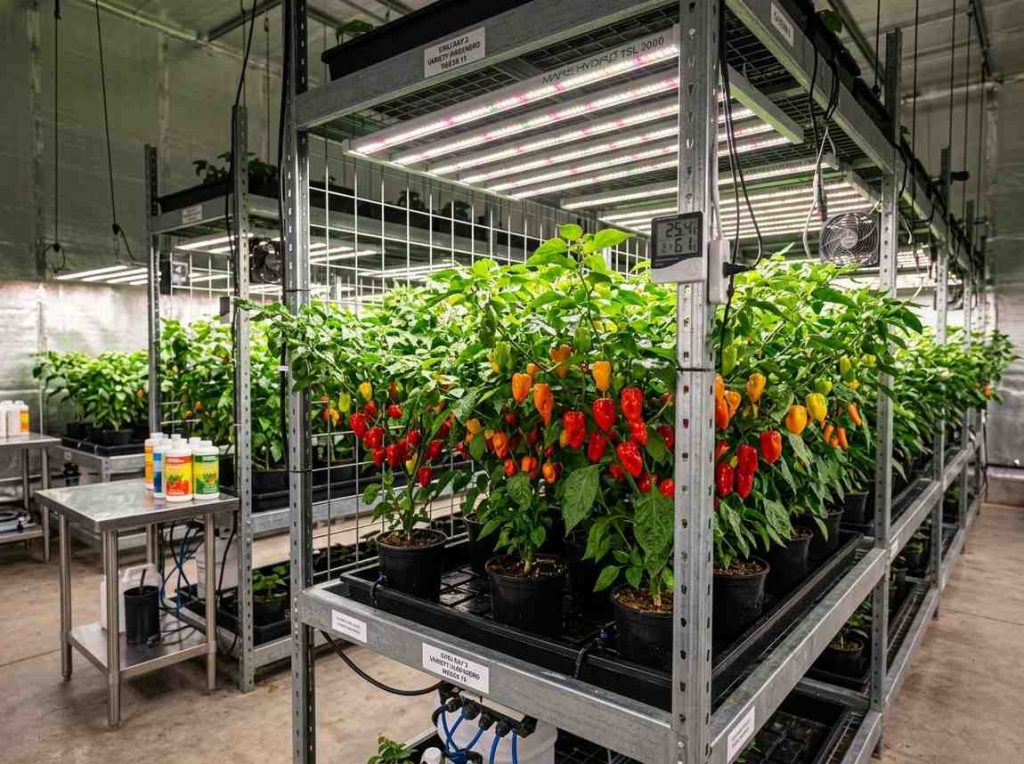
Chilies need at least 8–10 hours of light daily. Natural sunlight is best, but many homes lack strong light. Use LED grow lights or fluorescent bulbs. Place plants close to the window if possible. South-facing windows give the most light. If you use grow lights, keep them 6–12 inches above the plants.
Chilies prefer 70–85°F (21–29°C) during the day and not below 60°F (16°C) at night. Indoor heating can dry the air. Keep humidity around 50–70%. If air is dry, place a tray with water near plants or use a humidifier.
Stagnant air encourages mold and pests. Use a small fan to gently move air. Avoid strong drafts that can damage leaves.
The right container and soil make a big difference. Chilies do not like soggy roots.
Use a light, well-draining potting mix. Do not use garden soil—it compacts and lacks nutrients. Add perlite or vermiculite to improve drainage. Some growers mix in organic compost for extra nutrition.
Here’s how container size affects growth:
| Container Size | Suitable Varieties | Yield Potential | Watering Frequency |
|---|---|---|---|
| 6-inch | Mini, Thai Chili | Low | Frequent |
| 8-inch | Jalapeño, Cayenne | Medium | Moderate |
| 12-inch | Habanero, Large Varieties | High | Less Frequent |
Starting from seed is cost-effective and gives you more variety. You can also use seedlings from garden centers.
Once seedlings have 2–3 true leaves, move them to individual containers. Handle gently to avoid damaging roots.
If you want faster germination, soak seeds in warm water for 2–3 hours before planting. This softens the seed coat and speeds up sprouting.
Chili peppers need consistent moisture but hate wet feet.
Don’t fertilize dry soil; it can burn roots. Always water before feeding.
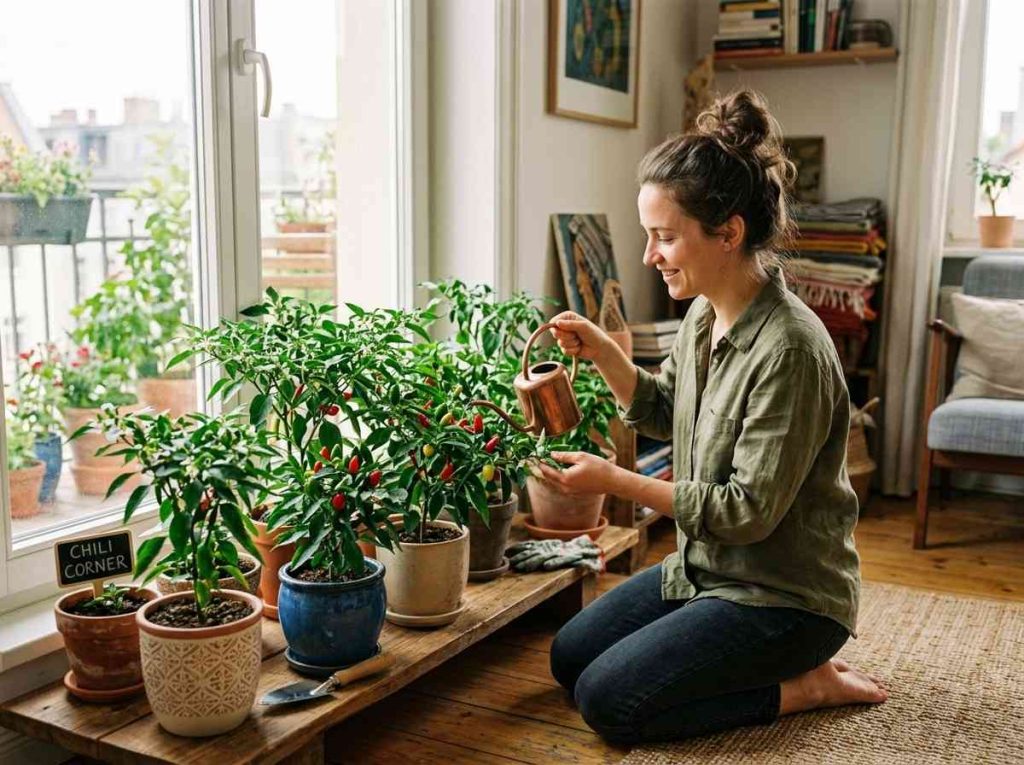
Indoor chilies can get leggy or top-heavy. Pruning helps keep plants compact and productive.
Some varieties, like cayenne, grow tall and may need stakes or small cages. Tie stems gently with soft string.
Unlike outdoors, indoor plants may lack wind and insects for pollination.
Pollinate during the warmest part of the day. Flowers release more pollen when it’s warm.
Indoor chilies are less prone to pests, but problems can still arise.
If you notice leaf spots or wilting, isolate the plant and check for pests. Most issues can be fixed early with simple action.
Chilies are ready when they reach full color and size for their variety. Some can be harvested green, others are best when red or orange.
| Variety | Harvest When | Typical Yield/Plant |
|---|---|---|
| Jalapeño | Green or Red | 20–30 pods |
| Cayenne | Red | 30–50 pods |
| Thai Chili | Red | 50–100 pods |
| Habanero | Orange/Red | 10–20 pods |
Even with care, issues can arise. Here are solutions for the most frequent problems:
Many beginners miss that peppers need time to adapt to indoor conditions. Plants may grow slowly at first, then speed up once settled.
If you want more peppers per plant:
Another tip: Rotate plants every week so all sides get equal light. This prevents uneven growth.
Homegrown chilies are fresher and often tastier than store-bought. Use them in:
With indoor growing, you can harvest even in winter, giving you a steady supply.
Jalapeño and Thai chili are ideal for beginners. They are compact, quick to fruit, and forgiving if you miss a watering or two.
Chilies need 8–10 hours of bright light daily. If you lack natural sunlight, use LED grow lights. Place them about 6–12 inches above the plants.
Yes, with controlled temperature and lighting, you can grow chilies in any season. Indoor growing removes weather worries.
Lack of pollination, poor light, or low temperatures can cause this. Use a brush for pollination, check your light levels, and keep temperatures above 70°F.
Usually, yes. Sometimes, indoor-grown chilies are even spicier because you can control heat and watering. Stressing plants slightly can increase capsaicin, the compound that makes peppers hot.
Growing chili peppers indoors opens up a world of flavor and gardening joy, even for city dwellers or those with cold winters. With the right steps, you can enjoy a colorful crop of spicy pods just steps from your kitchen. For more details on chili pepper varieties and cultivation, see the Wikipedia Chili Pepper page. Indoor gardening is both practical and satisfying—start your own peppers and enjoy the taste of your harvest all year long.