Gardening Made Simple.

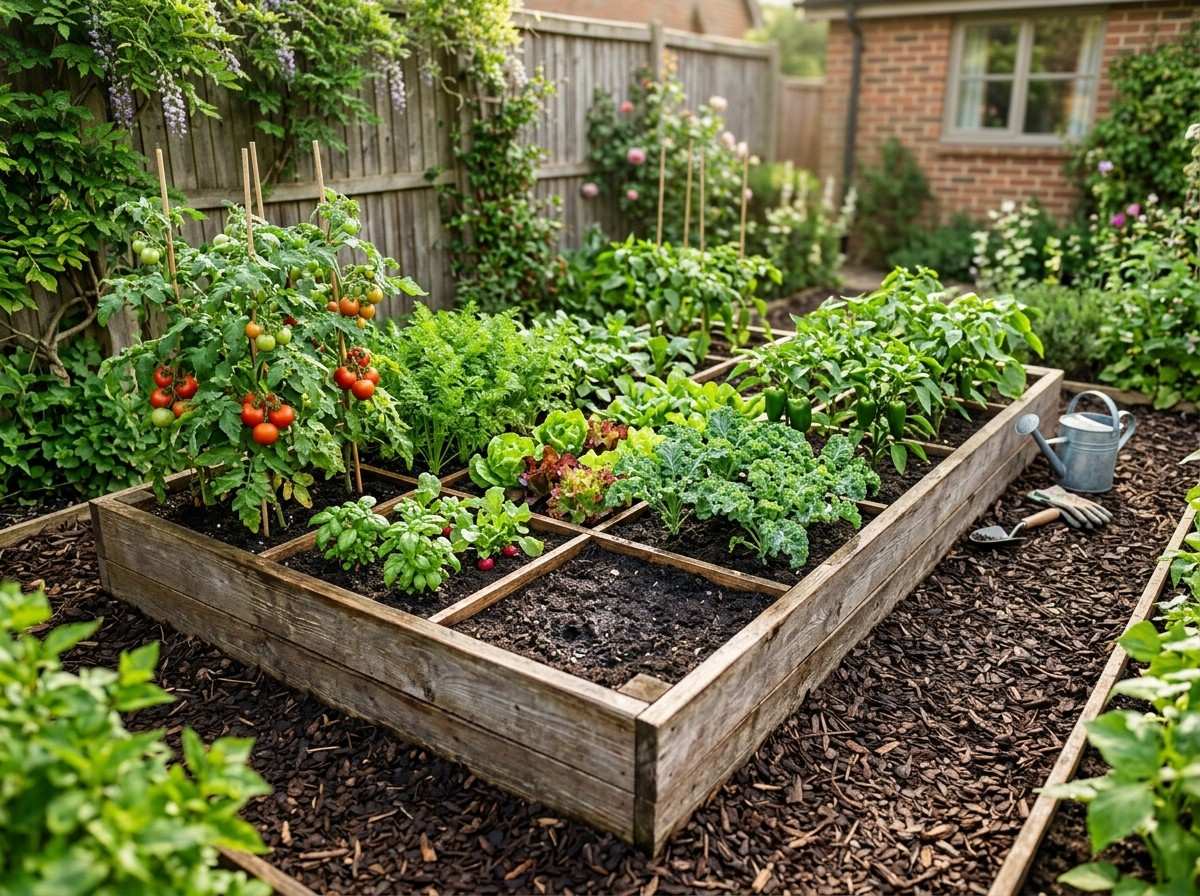
Are you ready to enjoy fresh, crisp lettuce right from your own garden? Growing lettuce in raised beds is one of the easiest and most rewarding ways to get there.
Imagine picking vibrant, healthy leaves just steps from your kitchen. With the right tips and simple care, you can turn your raised beds into a lettuce-growing powerhouse. Keep reading, and you’ll discover how to make your garden thrive with lush, tasty greens all season long.
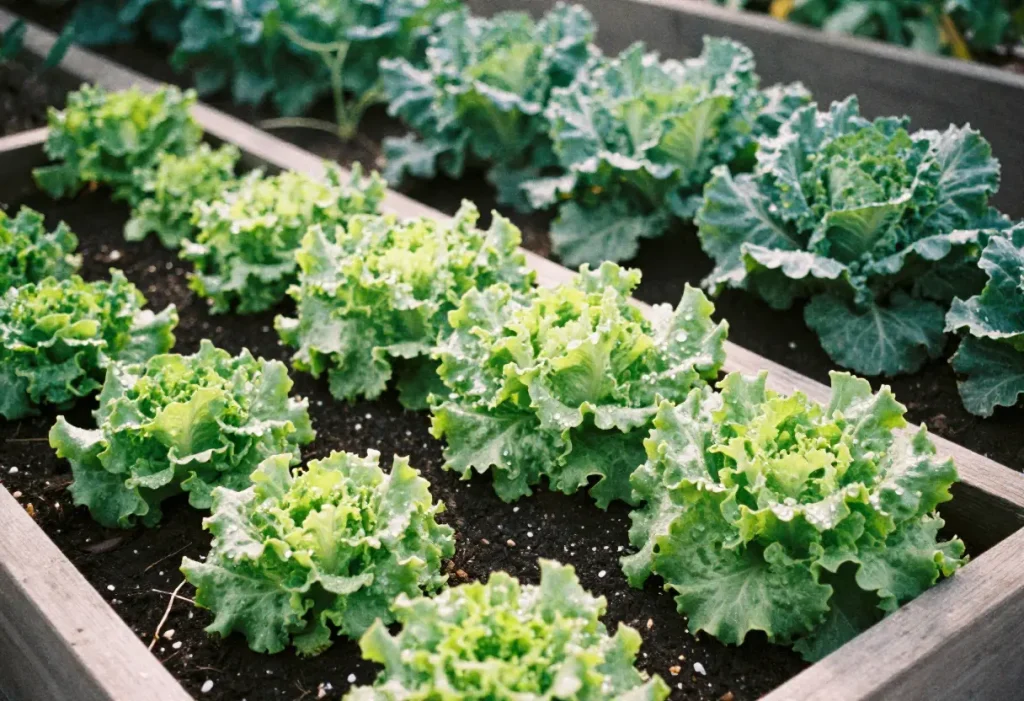
Choosing the right lettuce varieties is key to a successful raised bed garden. Different types of lettuce suit different tastes and growing conditions. Some lettuces grow quickly, while others take more time. Knowing the main types helps you pick the best for your space and climate. Here are popular lettuce varieties to consider.
Leaf lettuce grows loose, tender leaves. It comes in many colors like green, red, and purple. This type grows fast and is easy to harvest. You can pick leaves as needed. Leaf lettuce thrives in cooler weather and raised beds offer good drainage.
Butterhead lettuce forms soft, round heads. Its leaves are smooth and buttery to touch. This lettuce has a mild, sweet flavor. Butterhead prefers cooler temperatures and rich soil. It grows well in raised beds with regular watering.
Romaine lettuce has tall, crisp leaves. It holds its shape well in salads. This type is more heat tolerant than others. Romaine needs deep soil for strong roots. Raised beds help provide the loose soil it needs to grow.
Crisphead lettuce, also called iceberg, forms tight, firm heads. It has a crunchy texture and mild taste. This variety needs a longer growing season and steady moisture. Raised beds with rich, well-drained soil support crisphead growth best.
Preparing the soil in your raised bed is key to growing healthy lettuce. Good soil gives lettuce the nutrients, air, and water it needs. Taking time to prepare the soil well helps your plants grow strong and fresh.
Use a mix of garden soil, compost, and coarse sand. This blend creates a balanced base. It keeps the soil loose but full of nutrients. Lettuce roots grow best in soil that is light and crumbly.
Raised beds must drain well to stop water from pooling. Add materials like perlite or vermiculite to improve drainage. These materials also help air reach the roots. Good air and water flow prevent root rot and disease.
Mix in plenty of organic matter such as compost or aged manure. Organic matter feeds soil microbes and improves texture. It also holds moisture while letting excess water drain. Healthy soil with organic matter supports steady lettuce growth.
Lettuce prefers slightly acidic to neutral soil. Aim for a pH between 6.0 and 7.0. Test your soil’s pH before planting. Add lime to raise pH or sulfur to lower it if needed. Balanced pH helps lettuce absorb nutrients better.
Planting lettuce in raised beds needs careful techniques. These methods help lettuce grow healthy and strong. Good planting gives your lettuce the best start.
Understanding seed starting, spacing, and transplanting is key. Each step affects the final harvest. Use simple steps for better results.
Start lettuce seeds indoors or in a protected spot. Use a shallow tray with light soil. Keep soil moist but not wet. Seeds need light to sprout well. Place the tray where it gets indirect sunlight. Usually, seeds sprout in 7 to 10 days.
Plant seeds about 1/4 inch deep. Too deep slows growth. Space seeds 1 to 2 inches apart. Thin seedlings after sprouting. Proper spacing helps air flow. It reduces disease risk and boosts growth.
Move seedlings to raised beds when 3 to 4 inches tall. Water seedlings before moving. Dig holes in the bed for each plant. Space seedlings 8 to 12 inches apart. Plant gently to avoid root damage. Water well after transplanting. Shade young plants for a few days.
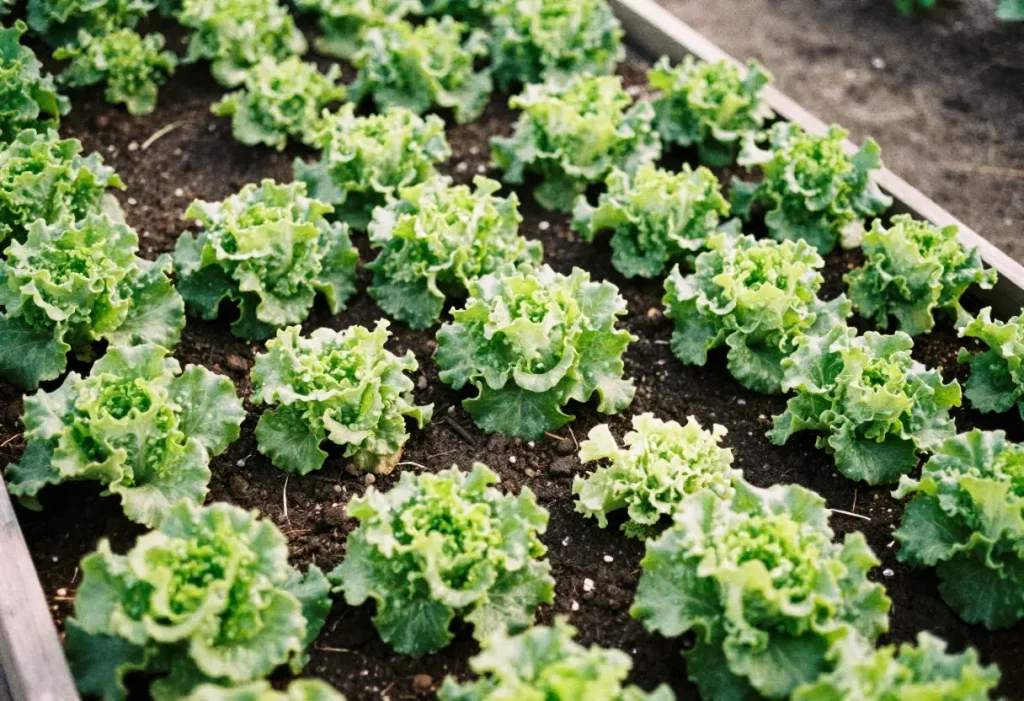
Watering and moisture control are key to growing healthy lettuce in raised beds. Lettuce needs steady moisture for crisp, tender leaves. Too little water makes lettuce bitter and tough. Too much water causes root problems and weak plants. Managing water well helps lettuce grow fast and stay fresh.
Water lettuce early in the morning for best results. This helps leaves dry before night. Lettuce usually needs water every 1 to 3 days. Check soil moisture by touching the soil. Water when the top inch feels dry. Adjust watering based on weather and temperature.
Too much water can drown lettuce roots. Watch for yellowing or wilting leaves. Use well-draining soil in raised beds to prevent water buildup. Avoid watering late in the day to reduce disease risk. Stop watering if soil stays wet for several days.
Mulch keeps soil moist longer by reducing evaporation. Use straw, leaves, or grass clippings around lettuce plants. Mulch also helps control weeds that steal water. It keeps soil cooler in hot weather. Mulching saves water and supports healthy lettuce growth.
Sunlight and temperature play a big role in growing lettuce in raised beds. Lettuce needs the right amount of light and the right temperature to grow fresh and tasty leaves. Too much sun or heat can cause the lettuce to wilt or become bitter. Too little light can make the plants weak and slow to grow. Understanding how to manage these factors helps gardeners get the best harvest.
Lettuce grows best with 6 to 8 hours of sunlight each day. Morning sun is gentle and perfect for young plants. Afternoon sun can be strong, so some shade helps during hot days. If lettuce gets too little light, leaves grow thin and pale. Too much direct sun can burn the leaves and dry out the soil quickly.
Lettuce is a cool-season crop that dislikes heat. Temperatures above 75°F often cause lettuce to bolt, making leaves bitter. Provide shade cloth or plant lettuce near taller crops to reduce heat exposure. Water often to keep soil moist and cool. Mulching helps keep soil temperature steady and protects roots from heat stress.
Plant lettuce early in spring or late summer for cooler weather. Avoid planting in the hottest part of summer. Use fast-growing varieties during warm seasons to harvest before heat arrives. In fall, raised beds warm faster, allowing a longer growing season. Adjust planting times to your local climate for best results.
Pest and disease management is key to growing healthy lettuce in raised beds. Lettuce is sensitive and can attract many pests and diseases. Proper care helps keep plants strong and yields high-quality leaves.
Using effective methods protects your lettuce without harmful chemicals. It also creates a better growing environment. Knowing common problems and how to stop them saves time and effort.
Slugs and snails are the most common pests in lettuce beds. They chew holes in leaves and damage young plants. Aphids suck plant juices, causing leaves to curl and yellow. Leaf miners tunnel inside leaves, leaving white trails. Cutworms cut seedlings at soil level, killing young plants.
Encourage beneficial insects like ladybugs and lacewings to eat pests. Use neem oil spray to control aphids and other soft-bodied insects. Handpick slugs and snails during early morning or evening. Spread diatomaceous earth around plants to block slugs. Plant strong-smelling herbs like garlic or chives nearby to repel insects.
Water lettuce at the base, not on leaves, to reduce fungal diseases. Ensure good air circulation by spacing plants properly. Remove diseased leaves quickly to stop spread. Rotate crops each season to prevent soil-borne diseases. Use clean tools and raised bed soil to avoid contamination.
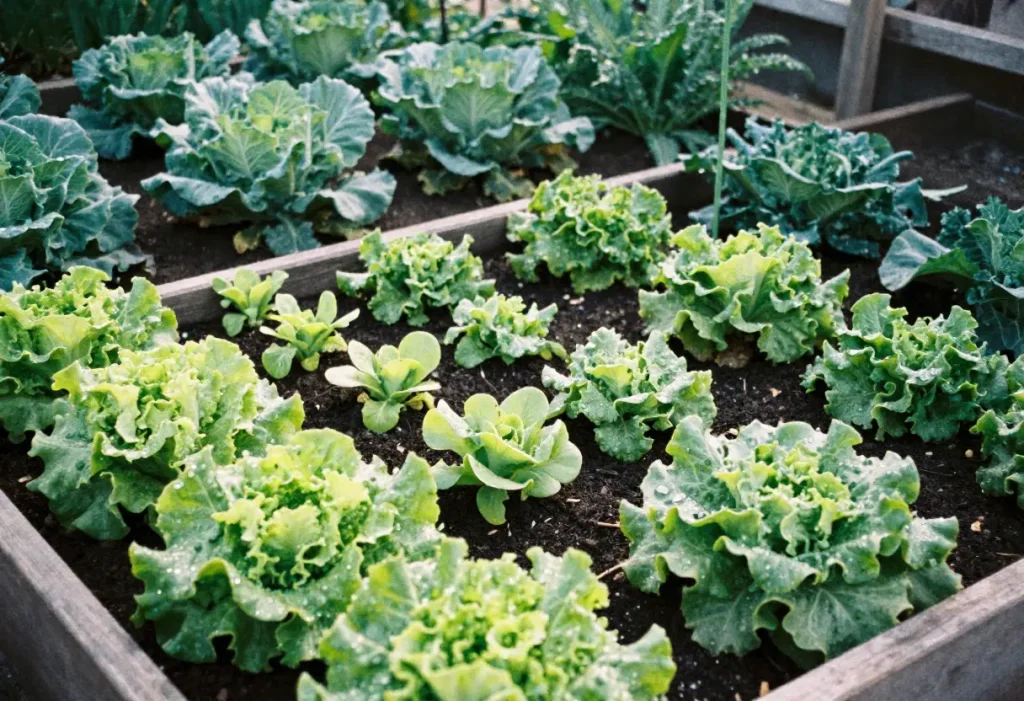
Harvesting lettuce at the right time brings out the best flavor. Picking lettuce too early or too late affects its taste and texture. Proper harvesting helps you enjoy fresh, crisp, and tasty leaves. Raised beds make it easier to grow and harvest lettuce in your garden.
Harvest lettuce when the leaves look full and vibrant. For leaf lettuce, pick outer leaves once they reach 4 to 6 inches. For head lettuce, wait until heads feel firm and full. Harvest early in the morning for the freshest flavor. Avoid harvesting after the plant bolts or flowers start.
Use clean scissors or garden shears to cut lettuce leaves. Cut outer leaves first, leaving the center to grow. For head lettuce, cut the whole head at the base. Handle leaves gently to prevent bruising. Rinse harvested leaves in cool water before eating or storing.
Plant lettuce seeds every two weeks to keep a steady supply. Use shade cloth in hot weather to slow down bolting. Harvest leaves regularly to encourage new growth. Try growing different lettuce varieties for a longer season. Raised beds warm up faster, allowing earlier planting in spring.
Maintaining raised beds and practicing crop rotation are key to growing healthy lettuce. Proper care keeps soil strong and plants thriving. Crop rotation helps prevent pests and diseases from building up. It also improves soil health over time.
Clear old plants and debris after each harvest. Remove weeds and roots to avoid pests. Clean beds reduce disease risk. Use a rake or hand tools for thorough cleaning. This simple step prepares beds for the next crop.
Test soil regularly to check nutrient levels. Add compost or organic fertilizer as needed. Healthy soil feeds lettuce roots well. Avoid over-fertilizing to prevent leaf burn. Keep soil loose and moist for best growth.
Change crops in each bed every season. Avoid planting lettuce in the same spot repeatedly. Rotate with beans, carrots, or onions to break pest cycles. Crop rotation helps soil recover nutrients. This practice reduces disease and boosts yield.
Lettuce grows well in loose, well-drained soil rich in organic matter. Use a mix of compost and garden soil to keep it moist and fertile. Good drainage helps prevent root rot and keeps lettuce healthy.
Lettuce needs about 6 hours of sunlight every day for best growth. Partial shade can help during hot afternoons to prevent leaves from wilting. Too much sun may cause lettuce to bolt or taste bitter.
Water lettuce deeply about 2 to 3 times a week to keep soil moist but not soggy. Raised beds dry out faster, so check soil moisture regularly. Consistent watering helps lettuce stay crisp and fresh.
Space lettuce plants about 6 to 12 inches apart depending on the variety. Proper spacing allows air to flow and reduces disease risk. Crowded plants can grow poorly and produce smaller leaves.
Yes, mixing leaf, butterhead, and romaine lettuce in raised beds works well. Different types add variety and color to your garden. Just ensure they have similar sunlight and water needs.
Growing lettuce in raised beds offers many benefits for home gardeners. Raised beds improve soil drainage and warmth. They help keep pests away and make harvesting easier. You can grow lettuce faster and get better results. With simple care and regular watering, your lettuce will thrive.
Try different lettuce types to enjoy fresh greens all season. Start your raised bed garden today and enjoy healthy, crisp lettuce from your own backyard. Simple steps lead to great harvests. Happy gardening!