Gardening Made Simple.

Are you ready to grow fresh, crisp lettuce right in your garden? One simple step can make all the difference: knowing how deep to plant lettuce seeds. Planting at the correct depth ensures strong germination, healthy seedlings, and a bountiful harvest of tender, flavorful leaves.
Plant too shallow, and they might dry out or fail to sprout. Plant too deep, and they could struggle to reach the surface. Knowing exactly how deep to plant lettuce seeds can boost your chances of a healthy, thriving crop.
Keep reading, and you’ll discover the easy, effective way to get your lettuce growing strong from the start.
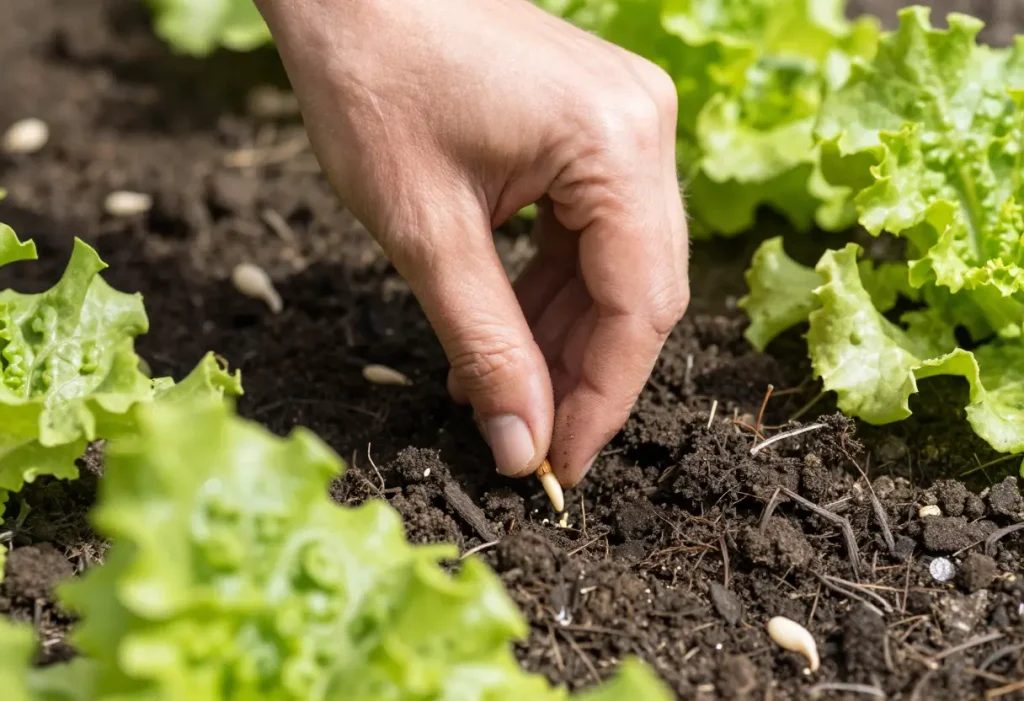
Planting lettuce seeds at the right depth is key to healthy growth. Too shallow or too deep can stop seeds from sprouting well. Understanding seed depth basics helps gardeners plant with care. This section explains why depth matters and the ideal range for lettuce seeds.
Seeds need the right soil cover to get moisture and warmth. Too deep means seeds use too much energy to break through soil. Too shallow exposes seeds to drying and birds. Proper depth keeps seeds safe and helps them grow strong roots.
Lettuce seeds are very small and light. Plant them about 1/8 to 1/4 inch deep. This shallow depth lets them get enough light and air. Cover seeds lightly with soil or fine compost. This range helps seeds sprout quickly and evenly.
Soil preparation is a key step before planting lettuce seeds. Good soil helps seeds sprout and grow strong. It also gives the plants nutrients and space to spread their roots. Taking time to prepare the soil can make a big difference in your lettuce harvest.
Choose soil that is loose and light. Heavy, compact soil stops roots from growing well. A sandy or loamy soil works best. It holds enough moisture but drains extra water. Avoid soil with many stones or debris. Lettuce seeds grow best in soil with a pH between 6.0 and 7.0.
Soil must stay moist but not soggy. Seeds need water to sprout. Too much water can cause seeds to rot. Check soil drainage before planting. Water should soak in quickly without pooling. Water the soil gently after planting. Keep the soil moist until seedlings appear.
Planting lettuce seeds correctly is key for healthy growth. The depth and method affect how well seeds sprout and grow strong. Choosing the right technique helps seeds get enough moisture and air. It also keeps them safe from birds and insects. Two main planting methods work well for lettuce. Each has its own benefits and suits different gardeners.
Direct sowing means planting seeds straight into the garden soil. This method works best in warm weather and loose soil. Plant lettuce seeds about 1/4 inch deep. Too deep can stop seeds from sprouting. Cover seeds lightly with soil and water gently. Keep the soil moist but not soggy. Thin seedlings to avoid crowding once they sprout. Direct sowing saves time and lets plants grow naturally.
Seed trays give control over seed starting. Fill trays with light, seed-starting mix. Plant seeds about 1/4 inch deep in each cell. Water carefully to keep soil damp. Place trays in a warm, bright spot but out of direct sun. Seedlings grow indoors until strong enough for transplanting. This method protects young plants from pests and weather. It also allows early planting before outdoor soil warms up.
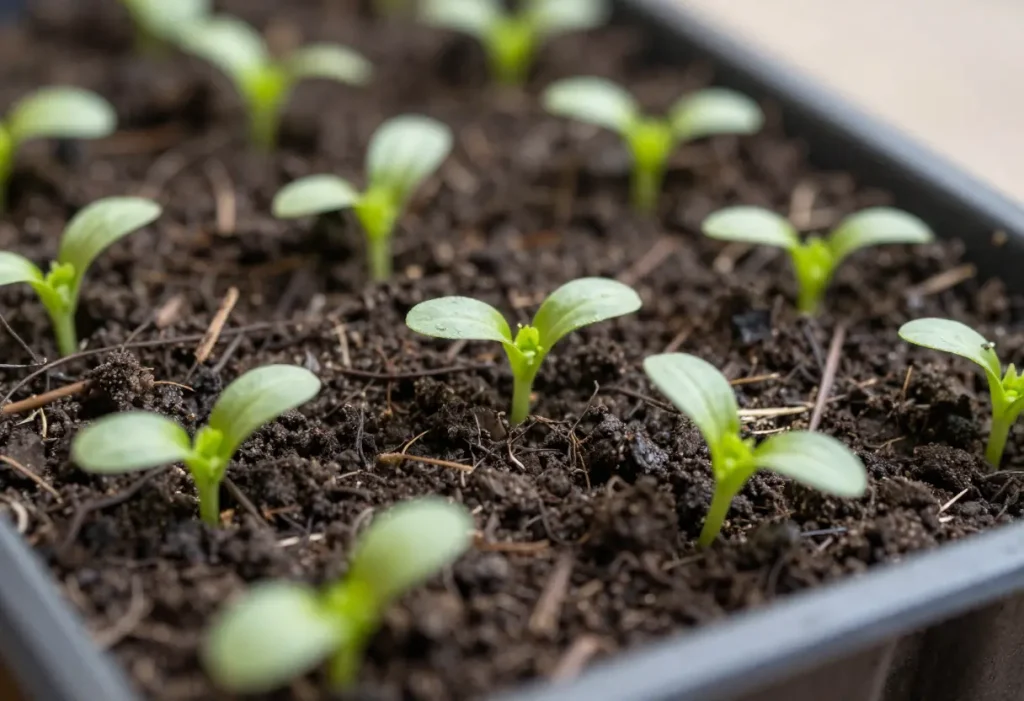
Environmental factors play a big role in how deep to plant lettuce seeds. These factors affect seed germination and seedling growth. Understanding them helps you plant seeds at the right depth for the best results.
Lettuce seeds need light to start growing. Planting them too deep blocks light. This can stop seeds from sprouting. Plant seeds just under the soil surface, about 1/8 to 1/4 inch deep. This lets light reach the seeds.
Temperature also matters. Lettuce grows best in cool weather. Soil temperature between 45°F and 70°F helps seeds germinate fast. If soil is too hot or cold, seeds may not grow well. Shallow planting helps seeds warm up quickly.
Seeds need moisture to grow. High humidity keeps the soil moist longer. This helps shallow-planted seeds sprout without drying out. But too much moisture can cause seeds to rot. Proper airflow around plants stops mold and fungus.
Good airflow also helps keep leaves dry. Dry leaves prevent diseases. Plant seeds at the right depth to balance moisture and airflow. This creates a healthy environment for lettuce seedlings.
Troubleshooting common issues helps your lettuce seeds grow strong. Knowing what can go wrong saves time and effort. Problems like poor germination or pests often stop healthy growth. Identifying causes early improves your chances of success.
Planting lettuce seeds too deep stops them from sprouting. Seeds need light and warmth to grow. Cold soil slows germination and may kill seeds. Using old seeds lowers the chance of sprouting. Overwatering makes the soil soggy and reduces air. Dry soil stops seeds from absorbing water. Check soil temperature and moisture before planting.
Insects like aphids and slugs eat young lettuce leaves. These pests weaken plants and spread diseases. Use natural methods like handpicking or barriers to stop pests. Diseases like downy mildew cause yellow spots and wilting. Avoid overhead watering to reduce disease risk. Remove infected plants quickly to stop spread. Keep your garden clean and rotate crops every year.
Advancing growth is key to healthy lettuce plants. Proper care helps seedlings grow strong and ready for harvest.
After planting lettuce seeds at the right depth, focus on nurturing young plants. This step boosts growth and improves yield.
Thin seedlings carefully to give each plant space. Crowded lettuce struggles for light and nutrients.
Remove weaker seedlings by snipping at soil level. Avoid pulling to prevent root damage to nearby plants.
Leave about 6 to 8 inches between plants. This distance helps leaves grow large and crisp.
Feed lettuce with balanced fertilizer to promote leaf growth. Use a formula with equal nitrogen, phosphorus, and potassium.
Apply fertilizer lightly every two weeks. Too much fertilizer can harm young plants.
Water after fertilizing to help nutrients reach roots. Keep soil moist but not soggy for best results.
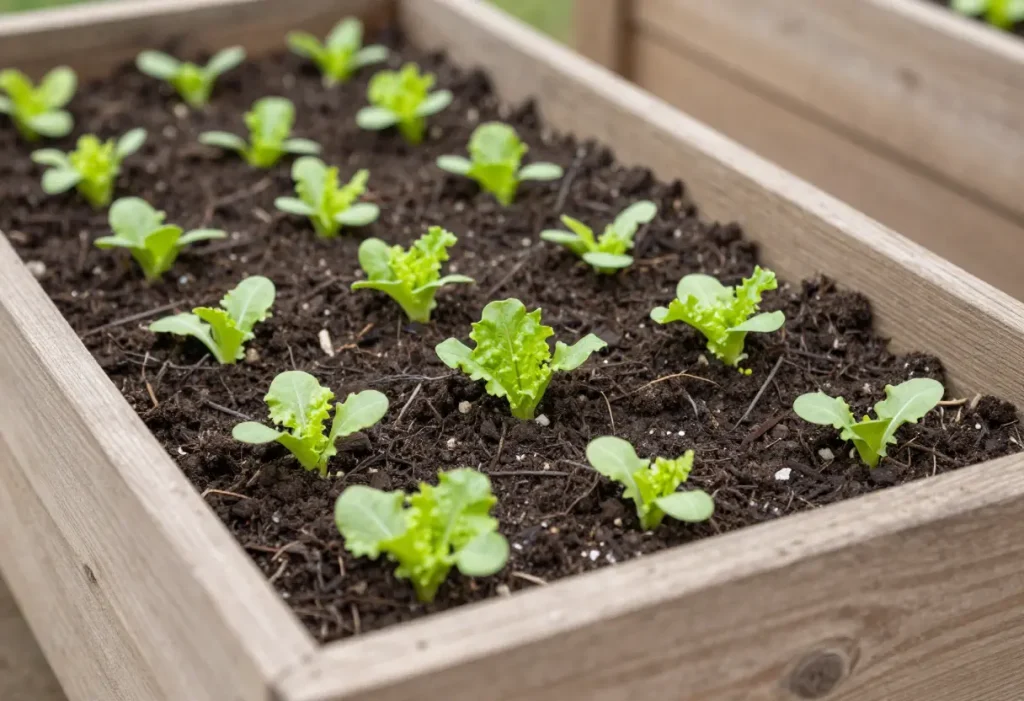
Plant lettuce seeds about 1/8 inch deep in soil. This shallow depth helps seeds get light and moisture easily. Too deep planting can stop seeds from sprouting well.
Yes, planting too deep can prevent lettuce seeds from sprouting. Seeds need light and air near the surface to grow. Keep seeds shallow for better germination rates.
Shallow planting lets lettuce seeds access moisture and warmth quickly. It also allows seedlings to emerge easily without struggle. Deep planting delays growth and reduces seed success.
Use loose, well-drained soil to plant lettuce seeds. Keep soil moist but not waterlogged for best results. Good soil helps seeds sprout fast and stay healthy.
Lettuce seeds usually sprout within 7 to 14 days when planted shallow. Warm temperatures and moist soil speed up this process. Watch closely to water and thin seedlings properly.
Planting lettuce seeds at the right depth helps them grow strong and healthy. Seeds too deep may struggle to sprout. Seeds too shallow can dry out quickly. Aim to plant seeds about a quarter inch deep. This depth keeps seeds moist and safe.
Water gently after planting to help seeds settle. Watch for tiny green leaves in a few days. With proper depth, your lettuce will grow fresh and tasty. Simple steps bring a better garden harvest. Enjoy growing your own lettuce from seed!