Gardening Made Simple.

Are you eager to grow fresh radishes but wondering How Long Do Radishes Take to Grow? Knowing the timeline can help you plan your garden better and enjoy crisp, flavorful radishes at just the right time.
You’ll discover the typical growth timeline for radishes, what factors can speed up or slow down their development, and tips to get the best harvest. Keep reading to learn how soon you can dig into your own homegrown radishes!
Radishes grow quickly and are a favorite for many gardeners. They do not need much time to develop from seed to harvest. Understanding the basics of radish growth helps you plan your garden better. Radishes can be grown in many seasons, especially in cooler weather. Knowing how long they take to grow is key to timing your plantings well.
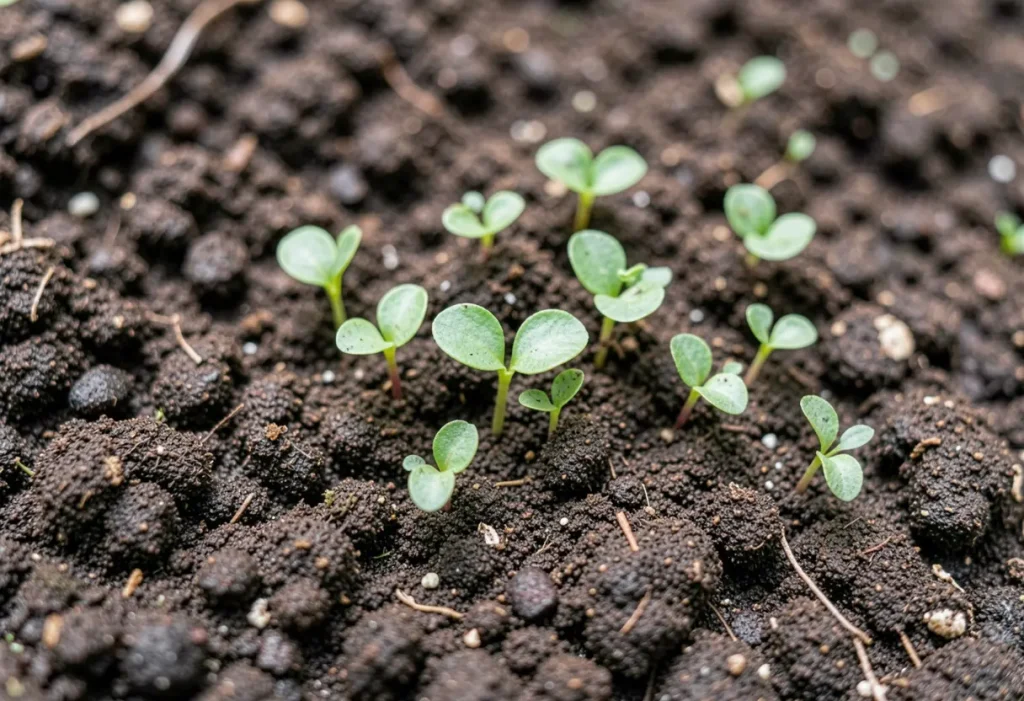
Radishes start as small seeds. They sprout fast and develop roots that we eat. The root size and flavor depend on how long the radish grows. Keep soil moist and give them space to grow for best results.
Radishes usually take 20 to 30 days to grow fully. Some varieties mature faster, in about three weeks. Others might take a little longer, up to five weeks. The growing time depends on the radish type and weather. You can harvest radishes once the roots reach a good size. If left too long, they become tough and bitter.
Soil quality affects how fast radishes grow. Loose, well-drained soil helps roots expand easily. Water is important; radishes need regular watering. Too little water makes roots hard and woody. Temperature also plays a role. Radishes grow best in cool weather, between 50 and 70 degrees Fahrenheit. Hot weather can slow growth and cause spiciness. Sunlight helps too, but too much heat can harm the plants.
Choosing fast-growing radish varieties helps gardeners enjoy their harvest sooner. These radishes mature quickly, often in just a few weeks. Fast growth fits well with short growing seasons or busy schedules. Picking the right variety saves time and effort in the garden.
Some radish types are known for their speed. 'Cherry Belle' is a favorite, ready in about 22 days. 'French Breakfast' grows fast and has a mild flavor. 'Sparkler' offers bright red roots and quick maturity. These types suit gardeners who want fresh radishes fast.
Choose seeds labeled as fast or early maturing. Check the days to harvest on the seed packet. Fresh seeds also grow faster and stronger. Store seeds in a cool, dry place before planting. Quality seeds lead to quicker and better radishes.
Radishes grow best under certain conditions. Setting up the right environment helps them grow faster and healthier. Knowing these conditions can shorten the time radishes take to grow.
Radishes need loose, well-drained soil. This allows roots to grow straight and strong. Avoid heavy clay soils that hold too much water. Add compost to improve soil texture and nutrients. The soil pH should be between 6.0 and 7.0 for best growth.
Radishes prefer full sun but can tolerate light shade. They grow best in cool weather. Ideal temperatures range from 50°F to 70°F (10°C to 21°C). Hot weather may cause radishes to become bitter or bolt. Plant radishes early in spring or late summer for best results.
Keep the soil evenly moist for steady growth. Water radishes regularly, about one inch per week. Avoid overwatering to prevent root rot. Mulching helps retain soil moisture and controls weeds. Consistent watering produces crisp, tender radishes.
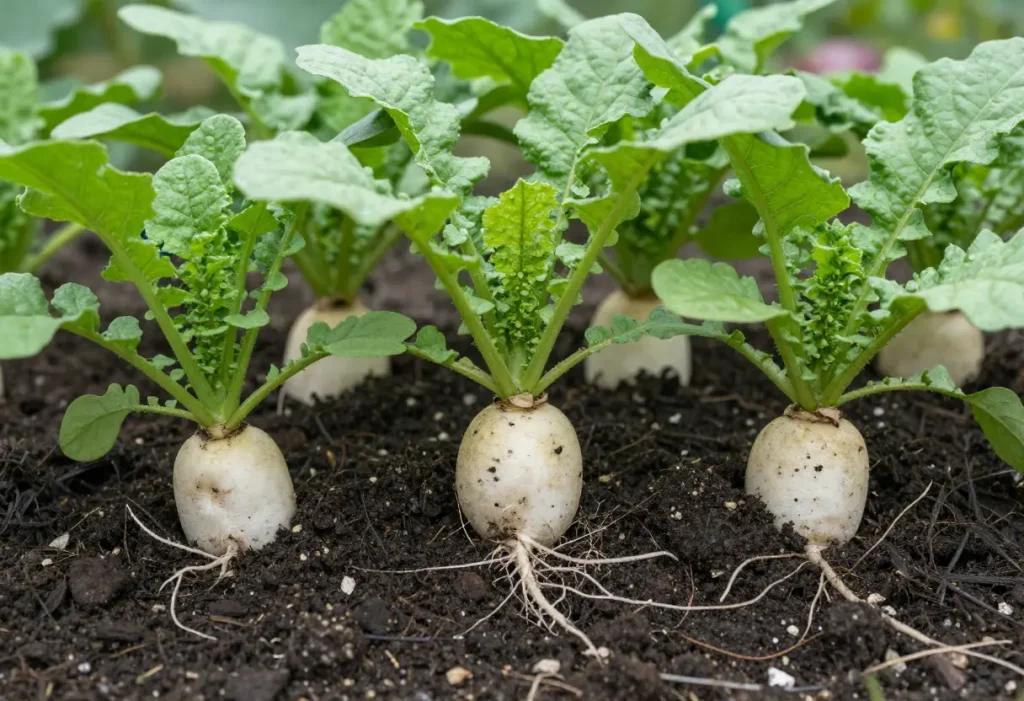
Radishes grow quickly, but some steps can help them grow even faster. Speeding up radish growth means healthier and bigger roots in less time. Small actions in the garden can make a big difference.
Focus on good soil, proper watering, and the right care. These tips help radishes reach harvest sooner. Learn how fertilizers, thinning seedlings, and pest control can boost growth.
Fertilizers give radishes nutrients they need to grow fast. Choose a balanced fertilizer with nitrogen, phosphorus, and potassium. Apply it lightly to avoid burning the plants.
Organic options like compost or manure work well too. Fertilizers improve root development and leaf growth. Use them early in the growth stage for best results.
Thin radish seedlings to reduce crowding. Crowded plants compete for sunlight, water, and nutrients. Thin seedlings by removing the weakest ones.
Keep the strongest plants spaced about two inches apart. This gives each radish room to grow bigger and faster. Thinning also improves air flow, reducing disease risk.
Pests and diseases slow radish growth. Watch for common pests like flea beetles and aphids. Remove pests by hand or use safe insect sprays.
Keep the garden clean and remove old plant debris. Healthy plants resist diseases better. Early pest control helps radishes grow strong and fast.
Harvesting radishes early can give you a fresh, crisp treat sooner than you expect. Radishes grow quickly, and catching them at the right time means better taste and texture. Early harvesting also helps avoid radishes becoming too spicy or woody. Pay attention to the signs and use the right techniques to pick them perfectly.
Radishes usually mature in 20 to 30 days after planting. Look for roots that are about 1 inch wide. The tops of the radishes often push above the soil surface. Leaves should be green and healthy, not yellow or wilted. Feel the radish gently; it should be firm but not hard. These signs show your radishes are ready to pick.
Use your hands or a small garden fork to loosen soil around the radish. Pull the radish straight up to avoid damage. Shake off excess soil gently. Harvest in the morning for the freshest flavor. Check the bed regularly to avoid missing the best harvest time. Early picking keeps radishes tender and sweet.
Growing radishes is simple but can have some challenges. These problems slow down growth or affect the radish quality. Knowing common issues helps you fix them fast. Healthy radishes need good soil, water, and sunlight. Small mistakes can cause delays or poor roots.
Radishes grow slowly due to many reasons. Cold weather makes radishes take longer. Poor soil with few nutrients also slows growth. Too much water can make roots soft and slow down growth. Not enough water causes radishes to be small and dry. Crowded plants fight for space and nutrients. Pests and diseases can damage radishes and stop growth.
Check soil before planting. Use rich, loose soil with good drainage. Water radishes regularly but avoid flooding. Thin seedlings to give each plant space to grow. Plant radishes in sunny spots for warmth. Remove pests by hand or use safe treatments. Rotate crops yearly to avoid disease buildup. Watch plants daily to catch problems early.
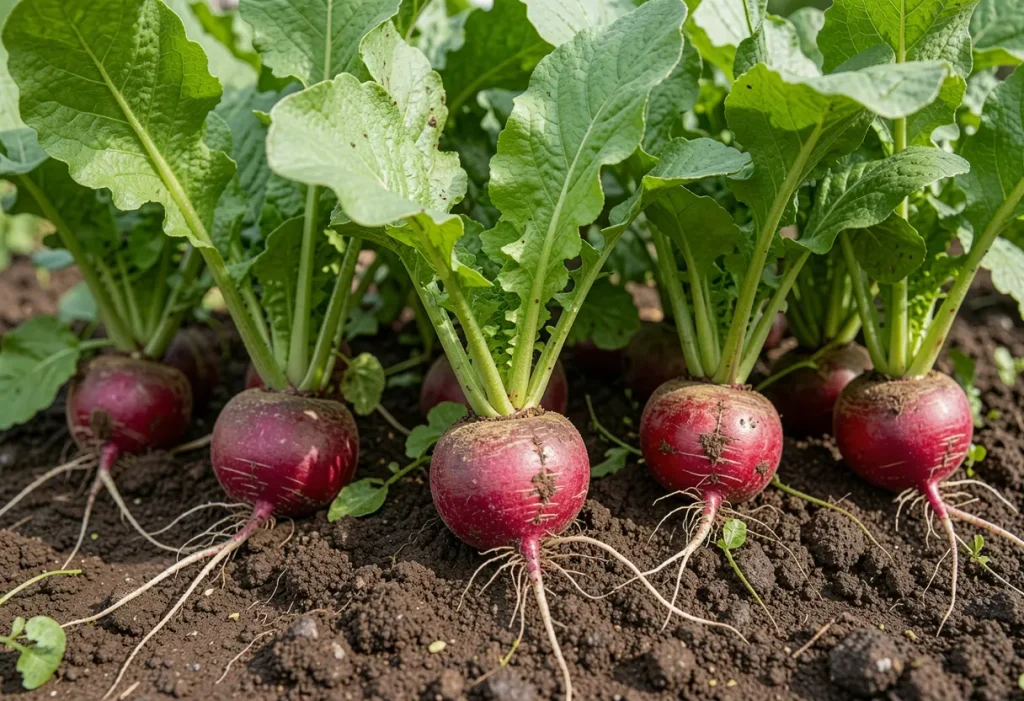
Radishes usually grow in about 20 to 30 days from seed to harvest. This makes them one of the fastest vegetables to grow. Perfect for quick gardening results.
Soil temperature, sunlight, and water influence radish growth speed. Cooler soil slows growth, while warm soil speeds it up. Consistent watering also helps radishes grow faster.
Yes, radishes can grow faster in containers with good soil and sunlight. Containers warm up quicker and allow better control of water. This helps radishes mature quickly.
Water radishes regularly to keep the soil moist but not wet. Too little water slows growth, and too much causes rot. Aim for steady, even moisture.
Plant radishes in early spring or late summer for fast growth. These seasons offer ideal temperatures between 50°F and 70°F. This timing helps radishes mature quickly.
Radishes grow quickly, usually ready in about three to four weeks. They need sunlight, water, and good soil to grow well. Watching them sprout and grow is fun and rewarding. Growing radishes is a great way to start gardening. You can enjoy fresh radishes from your garden soon.
Keep care simple, and you will have a tasty harvest. Small effort, fast results. Perfect for beginner gardeners.