Gardening Made Simple.
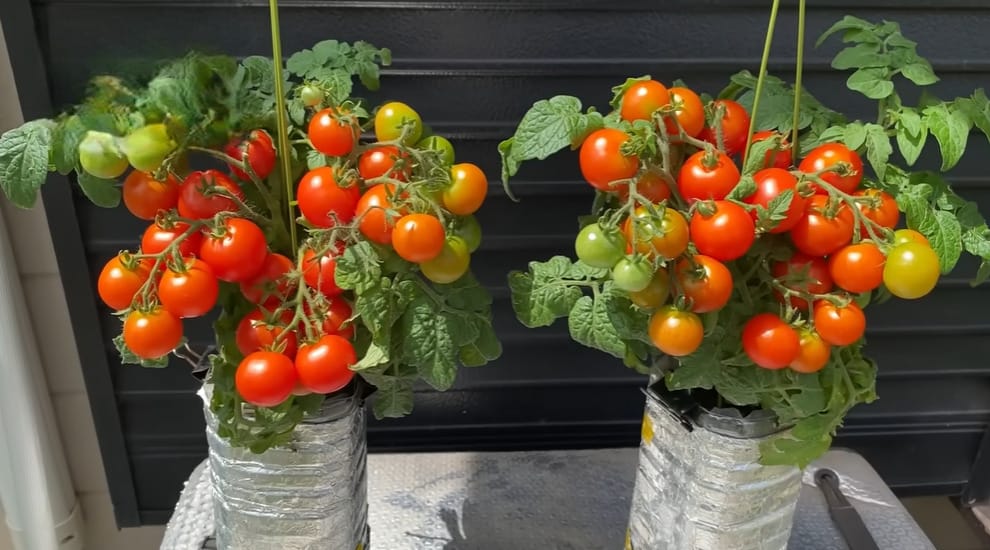
A Brandywine tomato plant typically produces 10 to 20 tomatoes per season, though this number can vary depending on growing conditions, soil, and care. Understanding How Many Tomatoes on a Brandywine Plant helps gardeners set realistic expectations and take steps to maximize their harvest.
Brandywine tomatoes are a popular heirloom variety known for their rich flavor and large size. These plants usually require full sun and well-drained soil to thrive. Gardeners often prefer Brandywine tomatoes for their unique taste, making them a staple in home gardens.
Regular watering and proper staking can enhance yield and fruit quality. Planting Brandywine tomatoes in a warm climate with consistent care ensures better productivity. These tomatoes are also excellent for fresh consumption, sauces, and canning. Growing Brandywine tomatoes can be a rewarding experience for both novice and experienced gardeners.
The Brandywine tomato is a favorite among gardeners. It's known for its rich flavor and large size. Brandywine tomatoes come in several varieties, each with unique characteristics. Here, we explore two popular types: Red Brandywine and Yellow Brandywine.
The Red Brandywine tomato is a classic heirloom variety. It has a deep red color and smooth texture. Gardeners love it for its robust, tangy flavor.
Red Brandywine plants usually produce large tomatoes. Each fruit can weigh up to one pound. A single plant often yields 10 to 20 tomatoes in a season.
Red Brandywine tomatoes thrive in full sunlight. They require well-drained soil and regular watering. Proper care ensures a bountiful harvest.
| Red Brandywine Characteristics | Details |
|---|---|
| Color | Deep Red |
| Flavor | Robust and Tangy |
| Average Weight per Tomato | Up to 1 pound |
| Yield per Plant | 10 to 20 tomatoes |
The Yellow Brandywine tomato is another beloved variety. It stands out with its bright yellow color and sweet, mild flavor.
Yellow Brandywine plants also produce large tomatoes. These can weigh between 1 to 2 pounds. A single plant might yield 8 to 15 tomatoes per season.
Yellow Brandywine tomatoes need similar care as the red variety. They grow best in full sunlight and well-drained soil. Regular watering helps maintain healthy plants.
| Yellow Brandywine Characteristics | Details |
|---|---|
| Color | Bright Yellow |
| Flavor | Sweet and Mild |
| Average Weight per Tomato | 1 to 2 pounds |
| Yield per Plant | 8 to 15 tomatoes |
Both Red and Yellow Brandywine tomatoes are excellent choices for any garden. They offer unique flavors and rewarding harvests.
To get the most tomatoes from a Brandywine plant, create the best growing conditions. Pay close attention to soil quality and sunlight exposure. These factors greatly influence the number of tomatoes your plant will yield.
Brandywine tomatoes thrive in rich, well-draining soil. The soil should have a pH level between 6.2 and 6.8. Adding organic compost boosts the soil's nutrients.
Here is a quick overview of the soil requirements:
| Factor | Requirement |
|---|---|
| Soil Type | Rich, well-draining |
| pH Level | 6.2 - 6.8 |
| Organic Matter | High |
Brandywine tomatoes need full sunlight for at least 6 to 8 hours per day. More sunlight encourages better growth and more tomatoes. Place your plants in a sunny spot for the best results.
Use these tips for optimal sunlight:
By meeting these soil and sunlight needs, you set the stage for a bountiful tomato harvest.
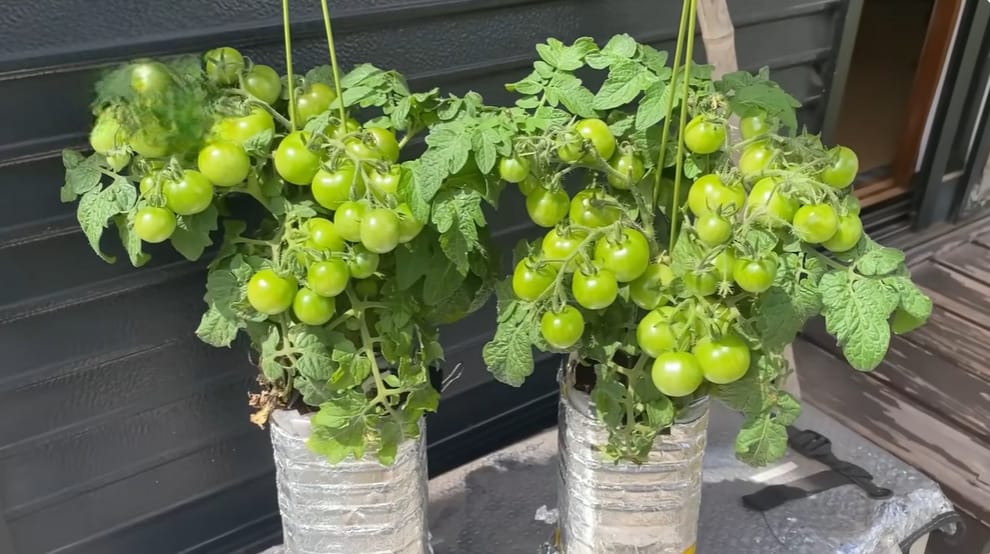
Planting Brandywine tomatoes correctly can boost your harvest. This guide covers key techniques to ensure a fruitful yield.
Start Brandywine seeds indoors 6-8 weeks before the last frost date. Use a seed starting mix and plant seeds 1/4 inch deep. Keep soil moist and warm, between 70-75°F.
Within 7-10 days, expect seed germination. Place seedlings in a sunny window or under grow lights. Ensure they receive 14-16 hours of light daily.
| Seed Starting Step | Details |
|---|---|
| Time Frame | 6-8 weeks before last frost |
| Soil Temperature | 70-75°F |
| Light Requirement | 14-16 hours daily |
Transplant seedlings outdoors after the danger of frost passes. Harden off seedlings by gradually exposing them to outdoor conditions over a week.
Support plants with stakes or cages to prevent sprawling. Mulch around plants to retain moisture and suppress weeds.
Implement these planting techniques to grow healthy Brandywine tomatoes. Enjoy a bountiful harvest!
Proper watering practices are crucial for the health of your Brandywine tomato plants. Consistent watering can significantly influence the number of tomatoes your plant yields. Below, we discuss the frequency and amount of water needed for optimal growth.
Brandywine tomato plants require regular watering. Water them two to three times a week. This helps maintain consistent moisture. If the weather is hot, you may need to water more often. Check the soil frequently. Ensure it remains moist but not soggy.
Each Brandywine tomato plant needs a substantial amount of water. Typically, provide one to two inches of water per week. Use a rain gauge to measure rainfall. This helps you adjust the watering amount accordingly. Avoid watering the leaves directly. Focus on watering the soil around the base of the plant. This minimizes the risk of fungal diseases.
Proper fertilization is crucial for a bountiful Brandywine tomato harvest. Different strategies can help maximize the number of tomatoes. Let's explore the best fertilization methods.
Organic fertilizers are great for those who prefer natural methods. They enrich the soil with essential nutrients.
Using organic fertilizers ensures healthy soil and vibrant tomato plants. They are environmentally friendly and safe for kids and pets.
Synthetic fertilizers provide a quick nutrient boost. They are easy to apply and measure.
| Type | Nutrients | Advantages |
|---|---|---|
| Granular Fertilizer | N-P-K (Nitrogen-Phosphorus-Potassium) | Easy to spread, slow-release |
| Liquid Fertilizer | Varied N-P-K ratios | Quick absorption, easy to apply |
Synthetic fertilizers can be tailored to meet specific plant needs. They provide consistent and predictable results. Always follow package instructions to avoid over-fertilizing.
Keeping your Brandywine tomato plants healthy is crucial. Proper pest and disease management ensures a bountiful harvest. Let’s explore how to keep your plants safe.
Several pests can harm Brandywine tomato plants. Here are the most common ones:
Inspect your plants regularly to catch these pests early. Use natural predators or insecticidal soap to control them.
Brandywine tomatoes are susceptible to several diseases. Preventing diseases is easier than treating them. Follow these tips to keep your plants healthy:
Common diseases include:
| Disease | Symptoms | Prevention |
|---|---|---|
| Blight | Dark spots on leaves and stems | Use disease-resistant varieties |
| Fusarium Wilt | Yellowing and wilting of leaves | Ensure good soil drainage |
| Leaf Spot | Brown spots on leaves | Apply fungicide early |
Regularly check your plants for signs of disease. Remove any infected parts immediately to prevent spread.
Pruning and support are key for a healthy Brandywine tomato plant. Both steps help the plant produce more tomatoes and stay strong.
Pruning is the act of removing parts of the plant. This helps the plant grow better.
There are three main pruning methods:
Brandywine tomato plants need support to stay upright. There are different types of support you can use.
Here are the main types of support:
| Support Type | Benefits |
|---|---|
| Stakes | Keeps plant upright and easy to check |
| Cages | Supports branches and keeps shape |
| Trellises | Saves space and keeps plant off the ground |
Understanding the harvesting and yield of Brandywine tomatoes is essential for every gardener. Knowing when to pick the tomatoes and how much to expect can lead to a more successful growing season.
Determining the right time to harvest Brandywine tomatoes is crucial. Look for these signs of ripeness:
Avoid picking tomatoes that are still green or too hard. A ripe Brandywine tomato should have a smooth skin and feel slightly heavy.
The yield of Brandywine tomatoes can vary. On average, a healthy Brandywine plant produces:
| Plant Age | Yield (Tomatoes) |
|---|---|
| First Year | 20-30 tomatoes |
| Second Year | 40-50 tomatoes |
Factors influencing yield include:
By ensuring optimal growing conditions, you can maximize your Brandywine tomato yield.
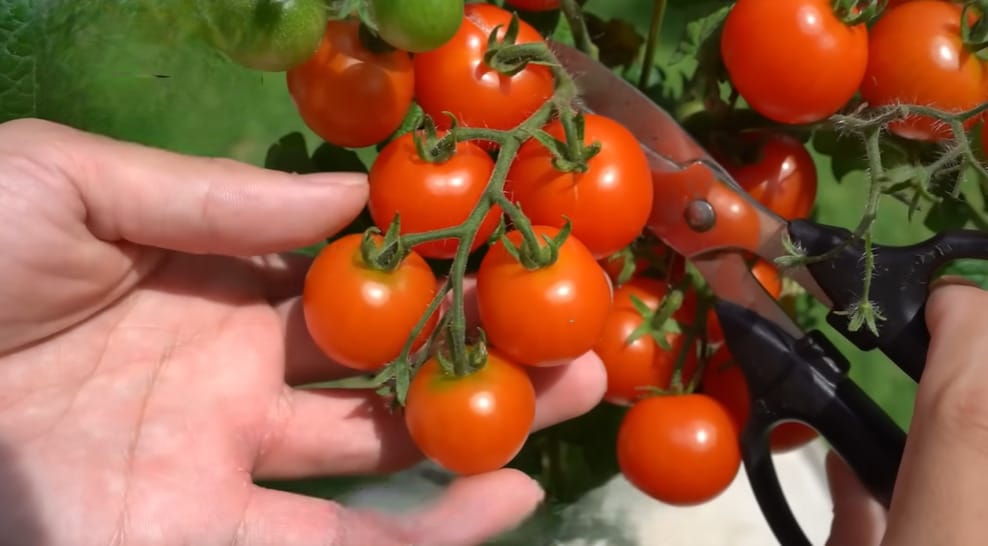
A Brandywine plant typically produces 10-20 large tomatoes per season.
Yield is affected by soil quality, sunlight, water, and care practices.
Brandywine tomatoes take about 80-100 days to mature after planting.
Yes, Brandywine tomato plants need staking due to their large size and heavy fruit.
Brandywine tomatoes thrive in warm, sunny climates with well-drained soil.
A Brandywine plant can yield around 10 to 20 tomatoes. Factors like soil quality and care impact this. Regular watering, proper sunlight, and pest control are key. With the right conditions, your Brandywine tomato plant will thrive. Enjoy the fruits of your labor with these juicy, flavorful tomatoes.