Gardening Made Simple.
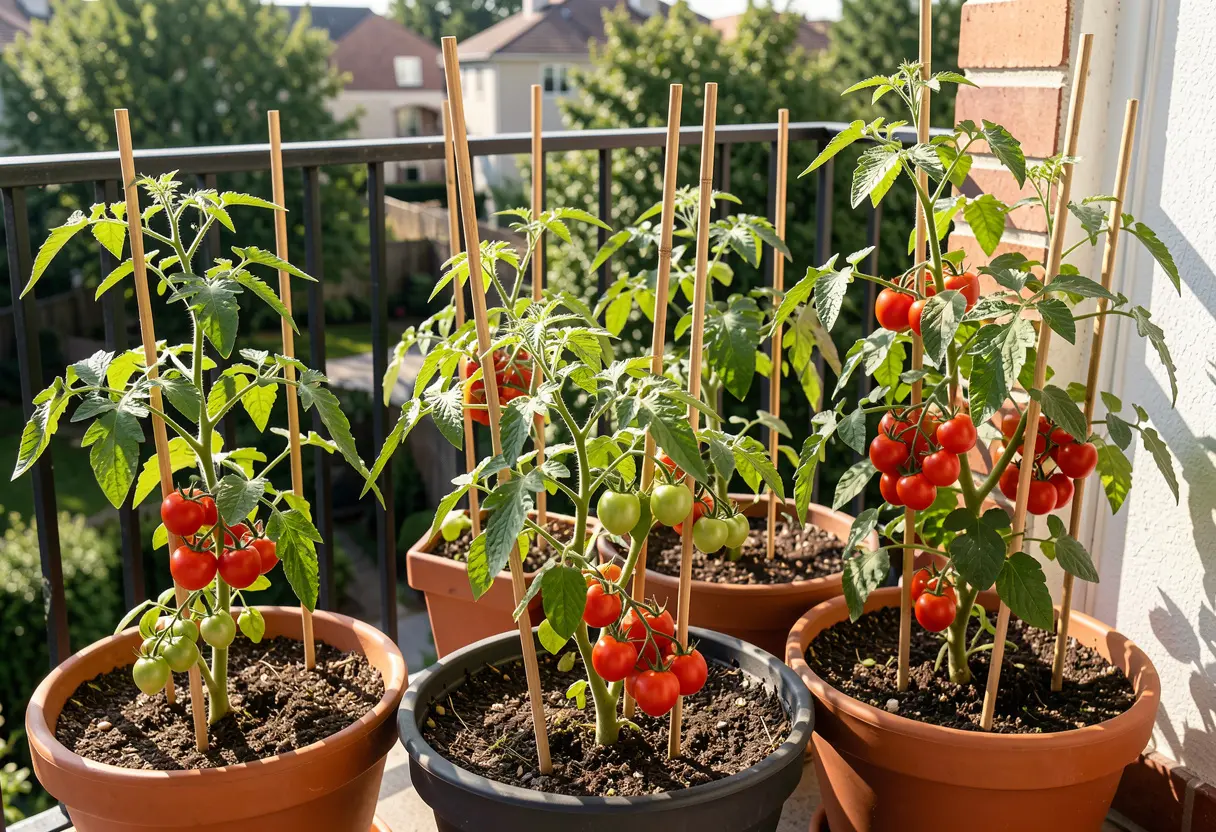
Are you ready to enjoy fresh, juicy cocktail tomatoes straight from your garden? How to Grow Cocktail Tomatoes is easier than you might think, and with the right care, you can enjoy a steady harvest of sweet, flavorful tomatoes at home.
With the right tips and a little care, you can have a bountiful harvest that will brighten your salads, snacks, and meals. In this guide, you’ll discover simple steps to help your cocktail tomatoes thrive, even if you’re new to gardening.
Keep reading, and soon you’ll be picking ripe tomatoes right from your own backyard!
Choosing the right variety of cocktail tomatoes is important for a good harvest. Different types grow best in different climates and soils. Some varieties produce sweeter fruits, while others are more hardy. Picking the right one helps you enjoy fresh tomatoes all season long. Consider your garden space, climate, and taste preferences before buying seeds or plants.
Cherry and grape tomatoes are common cocktail tomato types. Cherry tomatoes are round and juicy. Grape tomatoes are smaller and more oval. Both types grow well in pots and garden beds. Sweet 100 and Sun Gold are popular cherry tomato varieties. They have sweet, rich flavors. Juliet and Sweet Chelsea are well-liked grape tomato options. These varieties produce lots of fruit and require little care.
Disease can ruin tomato plants quickly. Choosing disease-resistant varieties protects your crop. Look for tomatoes labeled with resistance to blight, wilt, or mosaic virus. Some good options are Celebrity, Mountain Magic, and Defiant. These tomatoes stay healthy longer and need fewer sprays. Growing resistant plants helps reduce the use of chemicals. It also means a better chance of a full harvest.
Preparing the soil is the first step to growing healthy cocktail tomatoes. Good soil helps the plants get the nutrients they need. It also supports strong roots and better fruit. Taking time to prepare the soil leads to a better harvest.
Cocktail tomatoes need soil that drains well. Water should not stay around the roots too long. The soil should feel light and crumbly. A slightly sandy or loamy soil works best.
The soil pH should be between 6.0 and 6.8. This range lets the plants absorb nutrients easily. Avoid soil that is too acidic or too alkaline.
Add organic matter to enrich the soil. Compost or well-rotted manure works well. Mix it into the top 6 to 8 inches of soil. This feeds the plants and improves soil texture.
Use balanced fertilizer with nitrogen, phosphorus, and potassium. These nutrients help leaves, roots, and fruits grow strong. Apply according to package instructions for best results.
Planting cocktail tomatoes correctly is key to a healthy garden. Proper planting techniques help plants grow strong and produce tasty fruits. This section covers how to start seeds and move seedlings outside.
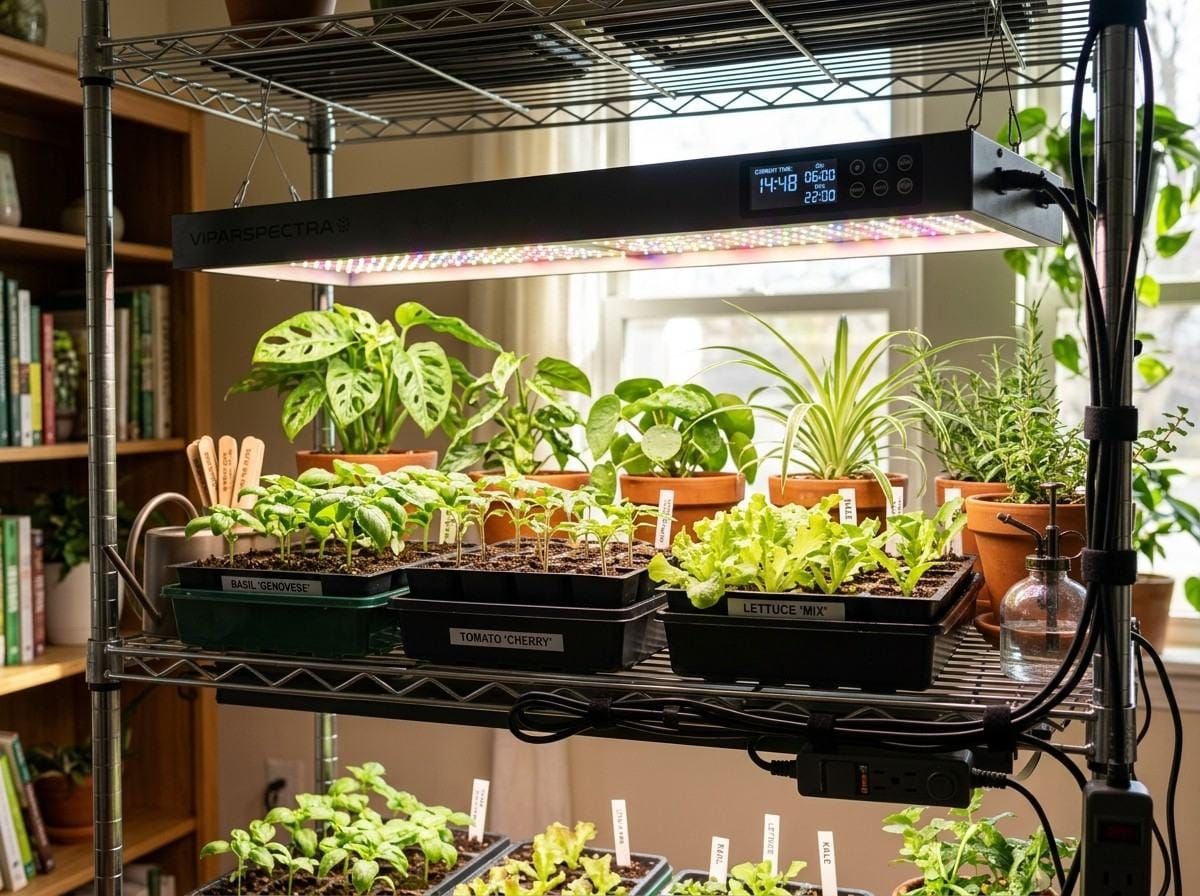
Start seeds indoors 6 to 8 weeks before the last frost date. Use small pots or seed trays with good drainage. Fill with seed-starting mix, not regular soil. Keep the mix moist but not wet. Place trays in a warm spot, around 70-75°F (21-24°C). Seeds usually sprout within 5 to 10 days. Provide plenty of light using a sunny window or grow light. Thin seedlings by removing weaker ones, leaving the strongest plants. This helps them grow better roots and stems.
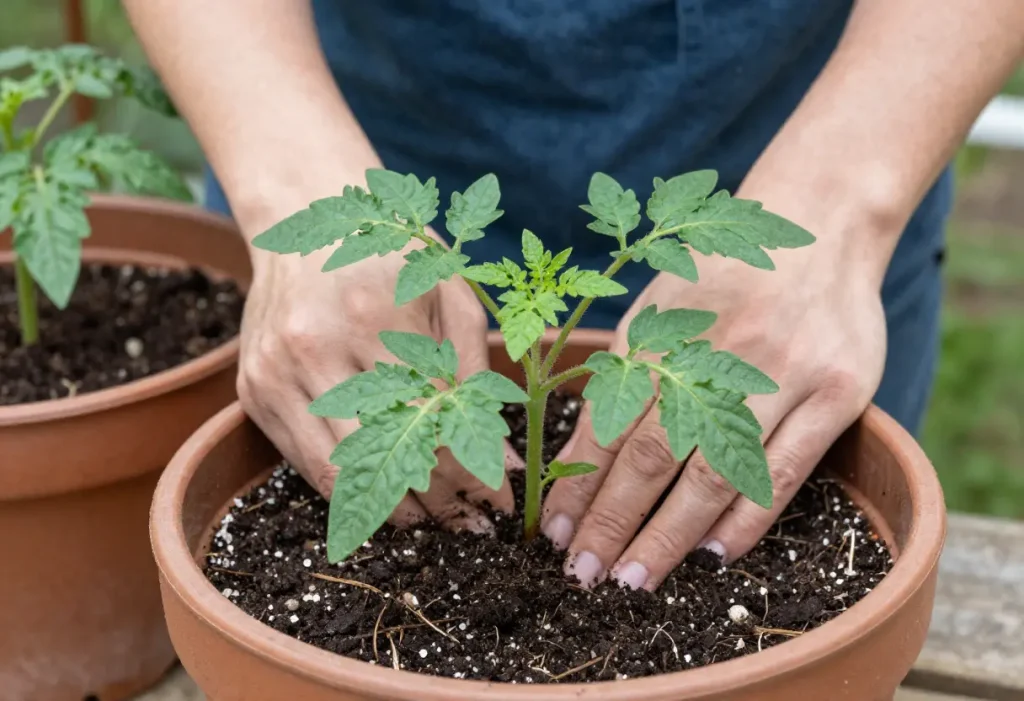
Harden off seedlings before planting outside. Move them outdoors for a few hours each day for one week. Choose a sunny spot with well-drained soil. Dig holes deep enough to cover the stem up to the first leaves. Plant seedlings deeper than they grew in pots. This encourages strong root growth. Water plants immediately after transplanting. Space plants about 18 to 24 inches apart. Mulch around plants to keep soil moist and stop weeds.
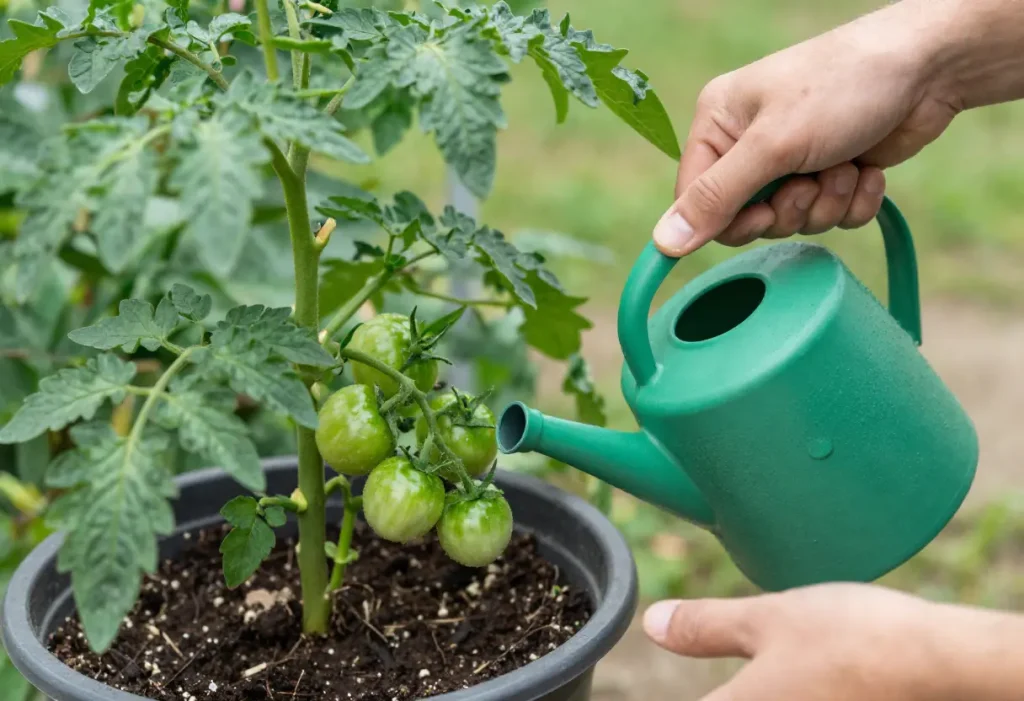
Watering and feeding cocktail tomatoes correctly helps plants grow strong and produce sweet fruit. These plants need steady moisture and the right nutrients. Too much or too little water can hurt growth. Proper feeding supports healthy leaves and tasty tomatoes. Learn how to water and feed your plants to get the best harvest.
Water cocktail tomatoes deeply once or twice a week. Check soil moisture before watering. Soil should stay damp but not soggy. Water early in the day to reduce leaf diseases. Avoid overhead watering to keep leaves dry. Use drip irrigation or water at the base of plants. Increase watering during hot, dry weather. Cut back in cooler or rainy times.
Choose a balanced fertilizer with nitrogen, phosphorus, and potassium. Apply fertilizer every two to three weeks during growing season. Start feeding when plants have several leaves. Avoid too much nitrogen; it causes leafy growth but fewer fruits. Use organic options like compost or fish emulsion for steady nutrients. Follow package instructions to avoid overfeeding. Healthy feeding leads to strong plants and juicy tomatoes.
Supporting your cocktail tomato plants helps them grow strong and healthy. Proper support keeps plants upright, protects fruit, and improves air flow. Good support methods reduce disease risk and make harvesting easier. Let’s explore easy ways to support your plants for better growth.
Staking uses tall, sturdy sticks to hold plants up. Place a stake next to each plant early in growth. Tie the main stem gently to the stake with soft ties. Avoid tight ties that can damage stems. Use bamboo, wood, or metal stakes for best results.
Caging surrounds plants with wire cages to support branches and fruit. Place cages around young plants before they grow big. Cages keep branches from breaking under heavy fruit. They also help keep plants tidy and upright. Choose cages that are strong and tall enough for your plant variety.
Pruning removes extra leaves and small shoots. This helps the plant focus energy on fruit development. Cut off suckers that grow between main stem and branches. Use clean, sharp scissors or pruners for clean cuts. Pruning improves air flow around the plant, reducing mold and pests.
Remove yellow or dead leaves to keep plants healthy. Prune regularly but do not remove too many leaves. Leaves are important for photosynthesis and fruit ripening. Proper pruning leads to bigger, tastier cocktail tomatoes.
Pest and disease control is key to growing healthy cocktail tomatoes. Pests can damage leaves, stems, and fruits. Diseases may cause spots, wilting, or poor growth. Early detection helps protect your plants and improve yields.
Knowing common pests and using natural control methods keeps your garden safe. Avoid harsh chemicals to protect beneficial insects and the environment.
Aphids are small insects that suck plant sap. They cause curled leaves and sticky residue. Whiteflies are tiny white bugs that also feed on sap. Spider mites create fine webs and cause yellow spots. Tomato hornworms are large green caterpillars that eat leaves and fruit. Cutworms can cut young stems at soil level. Each pest can weaken your plants if not controlled early.
Handpick large pests like hornworms and cutworms. Spray plants with water to remove aphids and whiteflies. Use insecticidal soap or neem oil for soft-bodied insects. Encourage ladybugs and lacewings that eat harmful pests. Plant herbs like basil and marigold nearby to repel insects. Keep plants healthy with good watering and pruning to resist attacks. Rotate crops yearly to reduce pest buildup in soil.
Harvesting cocktail tomatoes at the right time ensures the best flavor and texture. Proper handling and storage keep your tomatoes fresh longer. Follow these tips to enjoy your homegrown tomatoes at their peak.
Pick cocktail tomatoes when they are fully colored and firm. The skin should look smooth and shiny. Avoid picking green or overly soft tomatoes. Gently squeeze to check ripeness; it should give slightly but not be mushy. Harvest in the morning for the best flavor and firmness.
Handle tomatoes carefully to avoid bruises. Use both hands to pick and place them gently in a basket. Do not wash tomatoes before storing; moisture speeds up spoilage. Store at room temperature, away from direct sunlight. Use within a few days for best taste. Refrigerate only if very ripe, but bring back to room temperature before eating.
Extending the growing season helps you enjoy fresh cocktail tomatoes longer. You can grow tomatoes beyond the usual summer months. This lets you harvest more fruit and use your garden space well. Simple methods help protect plants from cold and frost. These techniques keep the soil warm and the plants healthy.
Greenhouses create a warm, controlled space for tomatoes. They protect plants from wind, rain, and cold. Tomatoes grow faster and stay healthy inside. Plastic tunnels work like mini-greenhouses. They trap heat and shield plants from frost. Both options let you start planting earlier in spring. You can also keep harvesting later in fall. These structures need good ventilation to prevent disease. Water plants carefully to avoid too much moisture.
Succession planting means growing tomatoes in stages. Plant new seeds every two weeks or so. This gives you fresh tomatoes across many months. Start seedlings indoors before moving them outside. Remove old plants to make space for new ones. Choose fast-growing tomato varieties for quick harvests. Keep soil rich with compost or fertilizer. This method fills gaps in your harvest schedule. It also reduces risk from bad weather or pests.
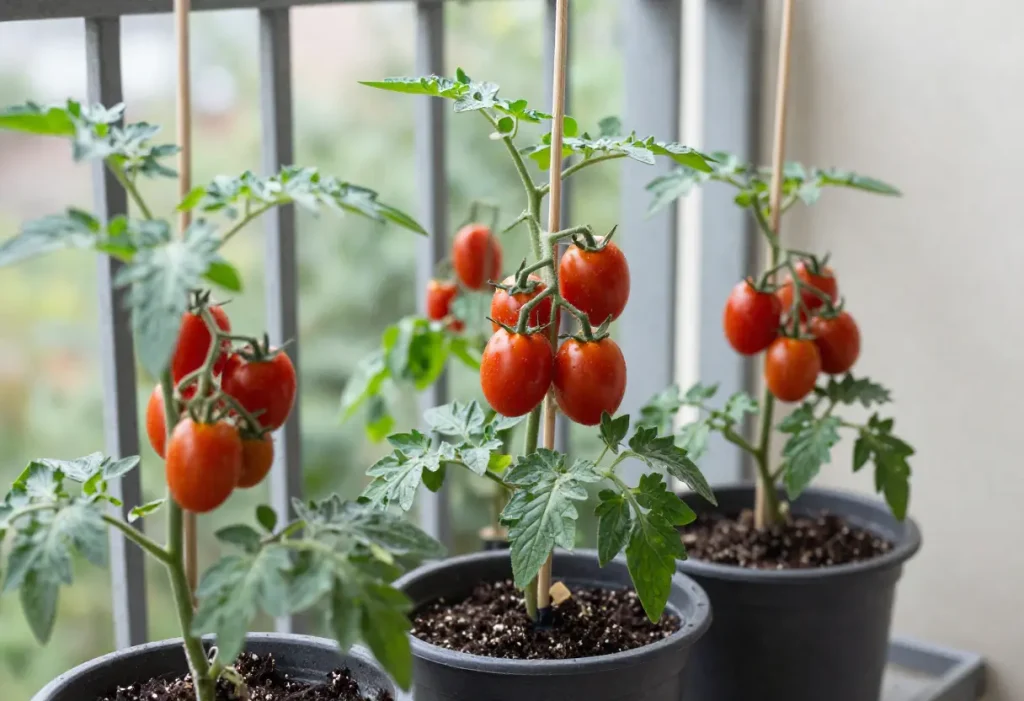
Cocktail tomatoes need at least 6 to 8 hours of sunlight each day. Sunlight helps them grow strong and produce sweet fruit.
Well-drained, rich soil with organic matter is best for cocktail tomatoes. It keeps roots healthy and supports steady growth.
Water cocktail tomatoes deeply once or twice a week, depending on weather. Keep soil moist but not soggy to avoid root problems.
Start fertilizing when plants begin to flower, about 4 to 6 weeks after planting. Use a balanced fertilizer to support fruit development.
Use neem oil or insecticidal soap to control pests without chemicals. Companion planting with basil or marigolds can also help keep bugs away.
Growing cocktail tomatoes can be simple and fun with the right steps. Plant them in good soil with plenty of sunlight. Water regularly but avoid too much. Keep an eye out for pests and remove them quickly. Prune the plants to help fruit grow better.
Harvest the tomatoes when they turn bright and firm. Enjoy fresh, homegrown tomatoes in your meals. Small efforts lead to tasty, healthy results. Happy gardening!