Gardening Made Simple.
If you’ve ever wanted to find and enjoy fresh oyster mushrooms, knowing how to identify them is key. These mushrooms are not only tasty but also packed with nutrients. Learning How to Identify Oyster Mushrooms will help you forage safely and enjoy their unique flavor with confidence.
However, picking the wrong mushroom can be risky. You’ll learn clear, simple ways to spot oyster mushrooms with confidence. By the end, you’ll feel ready to safely search for these delicious fungi on your next outdoor adventure. Keep reading to discover the secrets that make oyster mushrooms stand out from the rest.
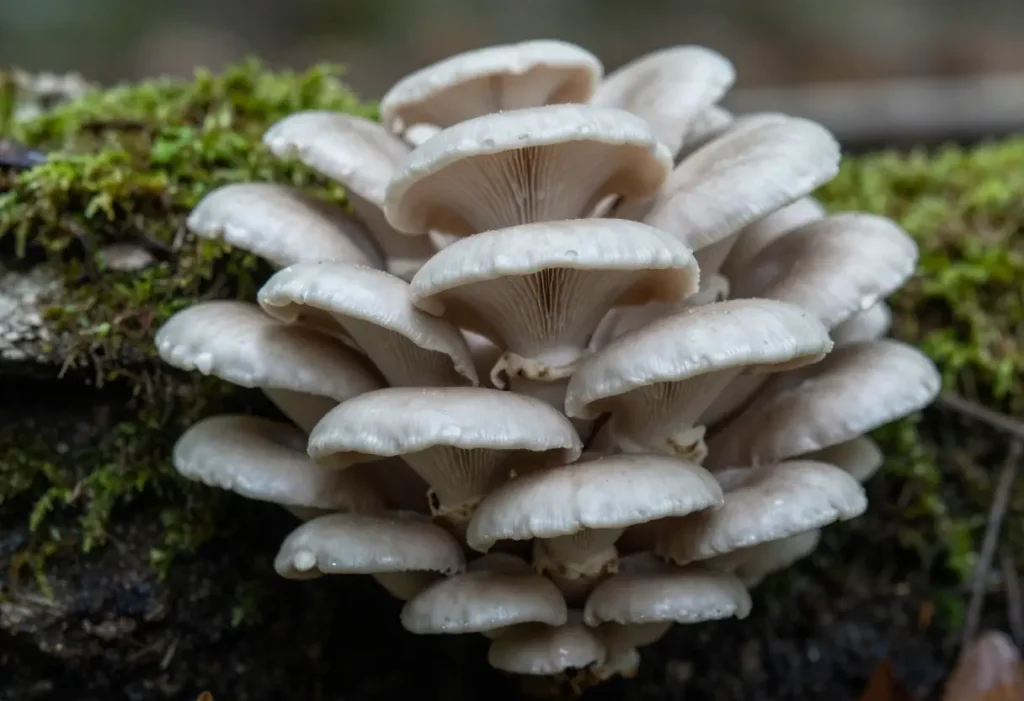
Oyster mushrooms are popular and easy to find. They grow in many places and have a unique look. Knowing the basics helps you spot them safely. Learn their key features and where they usually grow.
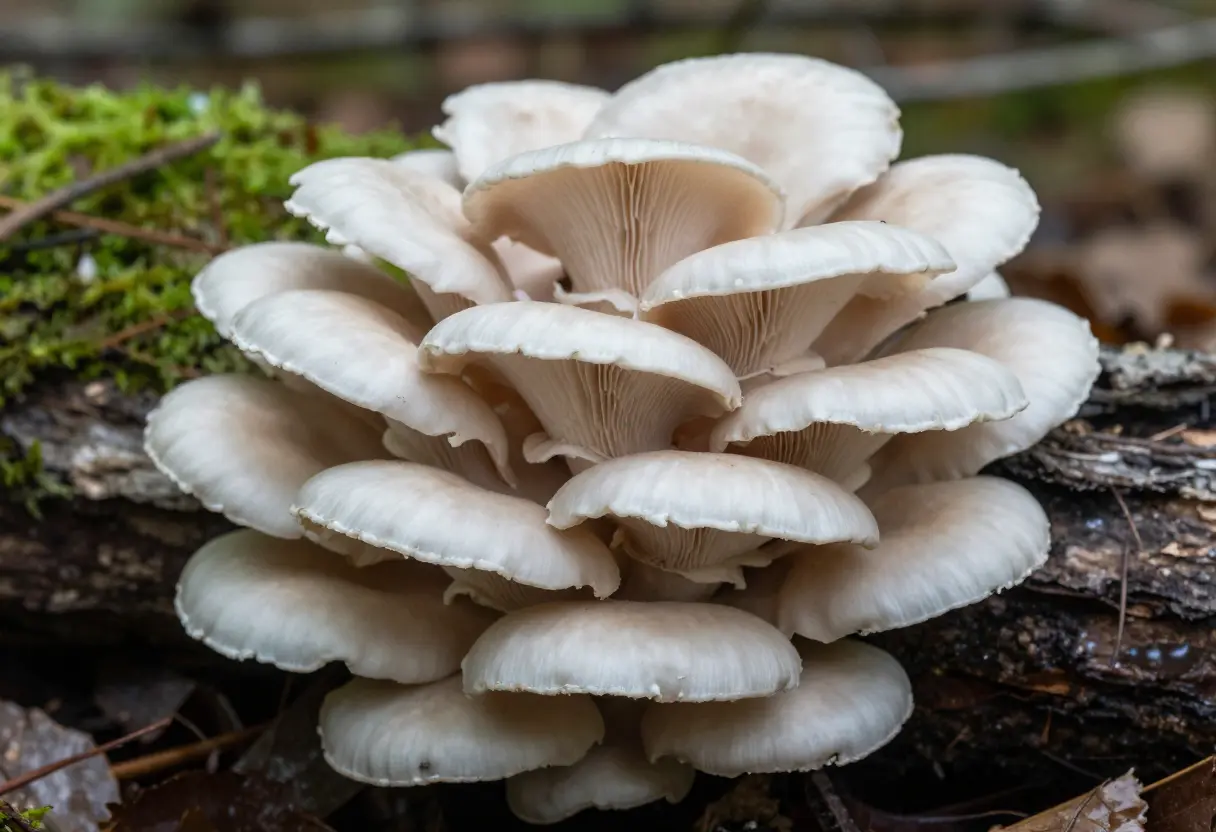
Oyster mushrooms have a broad, fan-shaped cap. The cap is smooth and soft to touch. Colors range from white to gray or light brown. Their gills run down the stem, which is short or absent. They have a mild, slightly sweet smell. The texture is tender and delicate when fresh.
These mushrooms grow on dead or dying trees. Look for them on hardwood like oak or beech. They appear in forests, parks, and sometimes gardens. They grow best in cool, moist places. You may find them in clusters, often overlapping. They grow mostly in spring and fall seasons.
Identifying oyster mushrooms requires paying close attention to certain key features. These features help distinguish them from other mushrooms. Knowing these details can make finding oyster mushrooms safer and easier. Focus on the cap, gills, and stem for clear identification clues.
The cap of an oyster mushroom is usually fan-shaped or oyster-shaped. It often curves like a shell. Colors range from white to light gray or pale brown. The surface feels smooth and can be slightly shiny. The cap edges are thin and may look wavy or ruffled.
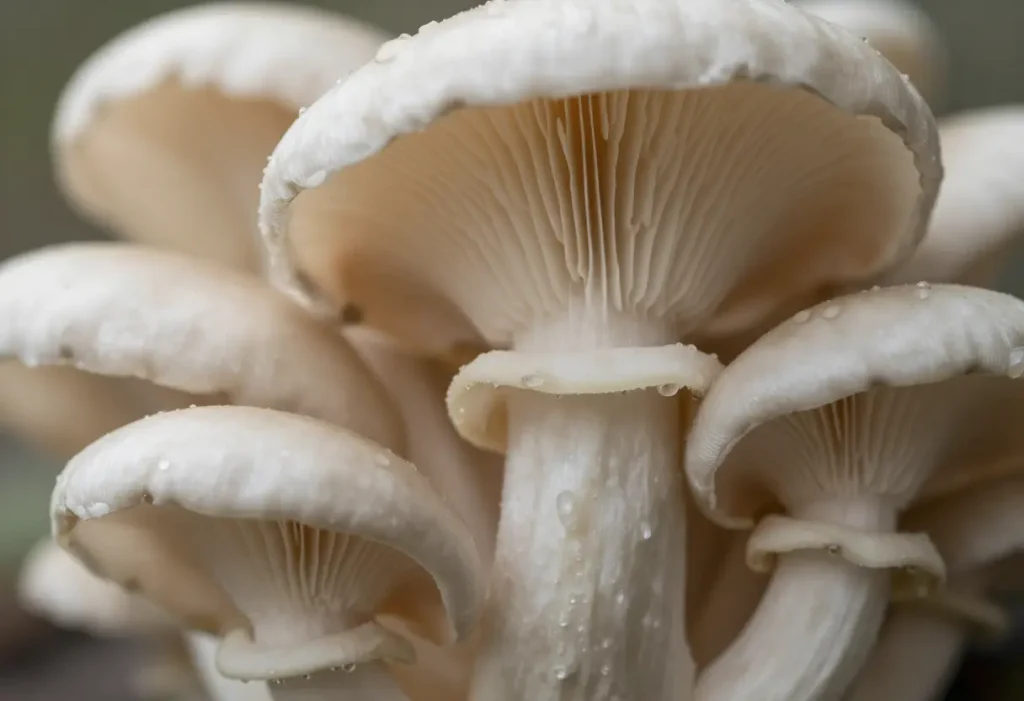
Oyster mushrooms have gills that run down the stem. They are closely spaced and white to light cream in color. The gills produce a white spore print. To get a spore print, place the cap on paper overnight. The color of the spores helps confirm the mushroom type.
The stem is short or sometimes absent. It is usually off-center or attached at the side. The texture of the mushroom is soft and fleshy. It feels moist but not slimy. The stem is white or pale, matching the cap color.
Oyster mushrooms are popular and delicious, but some lookalike mushrooms can be harmful. Learning to tell oyster mushrooms apart from toxic ones is important for safety. Focus on clear differences in appearance and habitat to avoid mistakes.
Some mushrooms look like oyster mushrooms but can cause illness. The Jack-o'-lantern mushroom glows faintly in the dark. It has bright orange color and grows on wood. It is toxic and should never be eaten.
The False Oyster mushroom is another lookalike. It has similar shape but a strong unpleasant smell. Eating it can cause stomach problems. These mushrooms often grow on tree stumps or dead wood.
Oyster mushrooms have a smooth, white to light gray cap. Their gills run down the stem and are white or cream. They grow in shelf-like groups on dead or dying trees.
Toxic lookalikes often have brighter colors like orange or yellow. Their gills may not run down the stem. They grow in different places, such as soil or living trees. Smell and texture also help tell them apart.
Oyster mushrooms grow best in certain seasons and places. Knowing the right time and spot helps find healthy, fresh mushrooms. These fungi prefer cool, damp weather and specific trees. This section explains the best conditions and common hosts to find oyster mushrooms.
Oyster mushrooms thrive in cool and moist weather. They appear mostly in spring and fall. Rainy days boost their growth. Temperatures between 50°F and 70°F are perfect. Dry or hot weather slows their development. Damp, shady places increase mushroom chances.
Oyster mushrooms grow on many dead or dying trees. Hardwood trees like oak, beech, and maple are popular hosts. They also grow on poplar and elm. These trees offer nutrients mushrooms need. Fallen logs and stumps often have oyster mushrooms. Fresh, clean wood is the best for growing.
Foraging for oyster mushrooms can be a fun and rewarding activity. Safety is very important while collecting wild mushrooms. Knowing the right steps helps avoid mistakes and keeps you safe in nature. Follow clear guidelines for safe foraging.
Always study the mushroom carefully before picking it. Use a good guidebook with clear pictures and descriptions. Check the cap shape, color, and gills. Smell the mushroom for any unusual odors. Avoid mushrooms that look damaged or old. Never pick mushrooms that you cannot identify 100%.
Use a small knife to cut the mushroom at the base. Avoid pulling mushrooms out of the ground. This protects the mycelium and helps future growth. Carry mushrooms in a basket or breathable container. Do not store them in plastic bags. Clean dirt gently from the mushrooms after harvesting. Wash your hands after handling wild mushrooms.
Preparing and storing oyster mushrooms properly keeps them fresh and tasty. Careful handling helps keep their texture and flavor strong. Follow simple steps to clean and store mushrooms for the best results.
Start by brushing off dirt with a soft brush. Avoid washing mushrooms directly with water. Mushrooms absorb water quickly and become soggy. Use a damp cloth to wipe away stubborn dirt. Cut off tough stems before cooking. Handle mushrooms gently to avoid bruising.
Store oyster mushrooms in a paper bag. Paper absorbs moisture and prevents sliminess. Keep them in the fridge, away from strong odors. Avoid airtight plastic bags; they trap moisture. Use mushrooms within a week for best taste. Check regularly and remove any spoiled mushrooms.
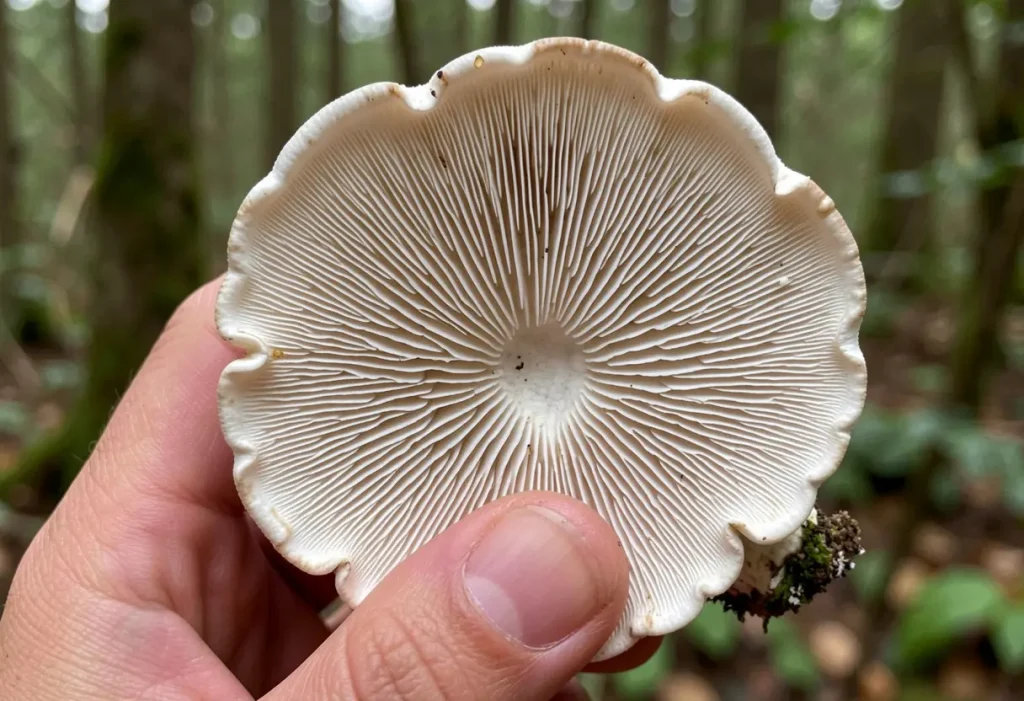
Oyster mushrooms have a fan shape, white to light gray color, and grow in clusters.
They grow on dead or dying hardwood trees, logs, or fallen branches in forests.
Oyster mushrooms have a mild smell, white gills, and no ring on the stem.
Oyster mushrooms grow best in cool, moist weather during spring and fall seasons.
They are safe to eat cooked; cooking improves flavor and texture, raw not recommended.
Oyster mushrooms have unique shapes and colors to spot. Check their fan-like caps and white gills underneath. They grow on wood, often in clusters. Smell and texture help confirm the find. Always compare with safe guides before picking. Learning these signs makes for safe mushroom hunting.
Stay curious, but stay careful in nature. Happy mushroom hunting!