Gardening Made Simple.
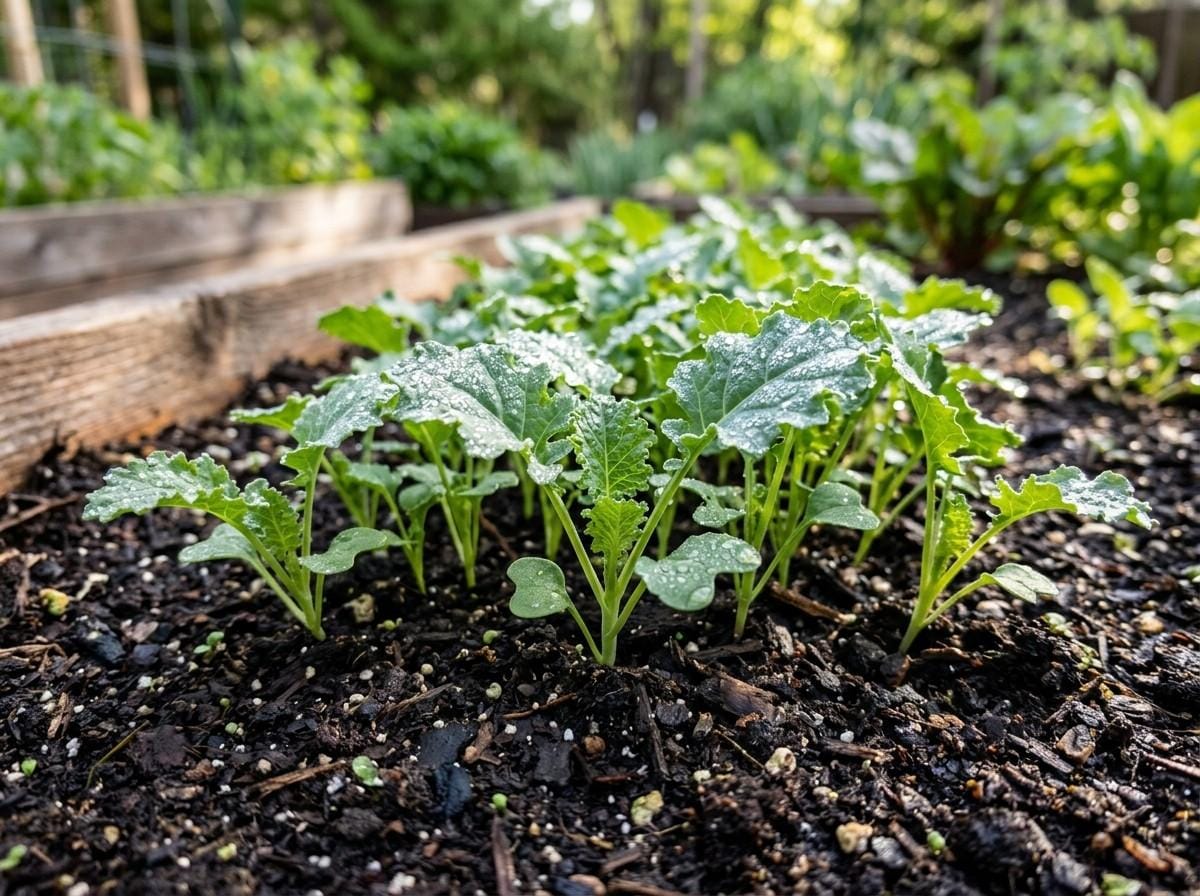
Kale is one of the most popular leafy greens in home gardens today. Known for its impressive nutrition, cold hardiness, and versatility, kale can thrive in many climates. Whether you want to grow baby leaves for salads or full-sized leaves for hearty dishes, learning how to plant kale seeds is a great way to enjoy fresh, healthy greens right from your backyard. This guide will take you step by step, from choosing the right variety to harvesting your first leaves. Along the way, you'll discover tips and insights that make the process smoother—even if you’re a total beginner.
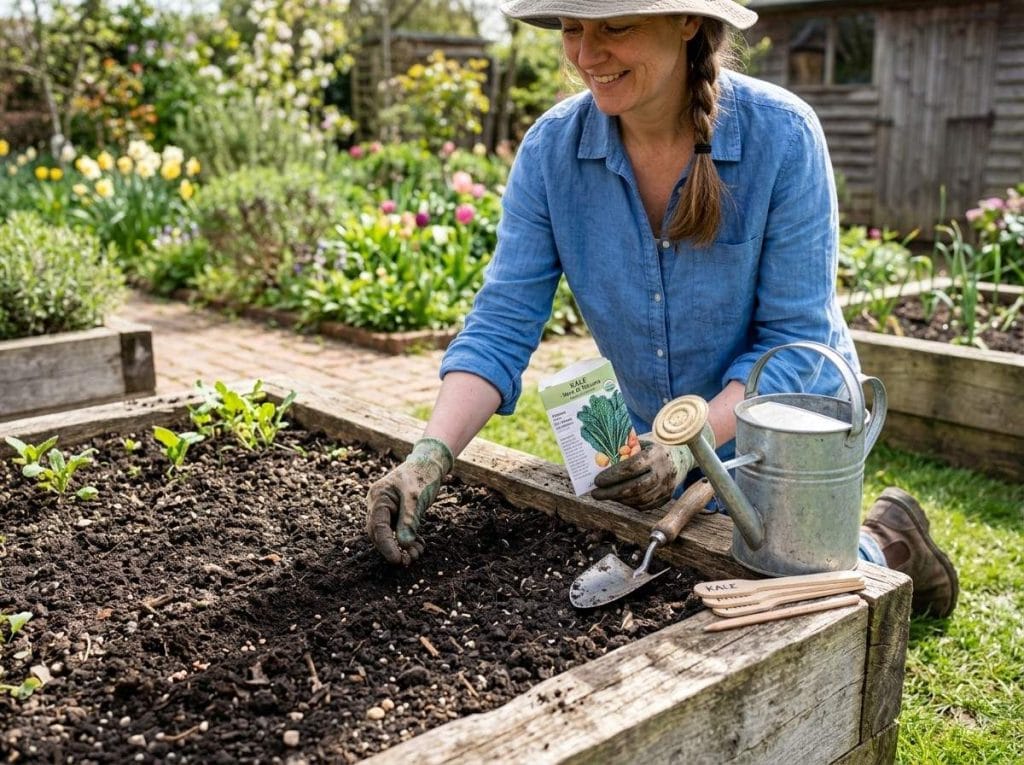
Planting kale seeds offers advantages over buying young plants. Seeds are less expensive, allow you to choose from more varieties, and often result in stronger, better-adapted plants. Starting from seed also lets you control every stage, reducing the risk of pests or diseases arriving with store-bought transplants. If you love fresh, organic produce, growing your own kale is rewarding and practical.
Not all kale is the same. Some types are curly, others are flat, and some even have purple leaves. Each variety has unique features, so think about your climate, space, and taste preferences.
| Variety | Leaf Type | Growth Habit | Best For |
|---|---|---|---|
| Curly Kale | Frilly, curly | Compact | Salads, chips |
| Lacinato (Dinosaur) Kale | Dark, flat | Upright | Cooking, smoothies |
| Red Russian Kale | Flat, purple veins | Spreading | Salads, sautéing |
| Siberian Kale | Flat, broad | Spreading | Cold climates |
Curly kale is the classic type you see in most grocery stores. It’s cold-tolerant and has a mild, slightly peppery flavor. Lacinato kale (also called Tuscan or dinosaur kale) has dark, bumpy leaves. It’s popular in Italian cooking and is less bitter than curly types. Red Russian and Siberian kale are both softer and often preferred for baby leaf production.
Non-obvious insight: Some varieties, like Siberian kale, will survive even under snow, making them ideal for regions with harsh winters.
Kale is a cool-season crop. It grows best in temperatures between 60°F and 75°F (16°C to 24°C). You can plant in early spring as soon as the soil is workable, or in late summer for a fall harvest. In milder climates, kale can grow through winter.
Pro tip: Kale becomes sweeter after a light frost. The cold converts starches into sugars, improving flavor.
Kale needs full sun (at least 6 hours daily), but will tolerate partial shade, especially in hot climates. Pick a spot with rich, well-drained soil. Raised beds or containers work well if your garden soil is heavy or compacted.
Healthy kale starts with good soil. Aim for loamy soil with a pH between 6.0 and 7.0. Test your soil if possible. If the pH is too low (acidic), add garden lime. For soil that’s too high in pH (alkaline), work in some compost or peat moss.
Before planting:
Non-obvious insight: Overly rich soil can lead to lush leaves but weak flavor. Sometimes, slightly less fertile soil results in tastier kale.
Planting kale from seed is easy if you follow these clear steps.
If you want a head start or have a short growing season, start seeds indoors 6-8 weeks before your last frost.
Kale does well in containers at least 12 inches across and 8 inches deep. Fill with quality potting mix. Keep soil moist but not waterlogged.
Practical tip: If you’re growing in containers, kale may need more frequent watering and feeding.
Kale needs consistent moisture for tender leaves. Aim for about 1–1.5 inches of water per week. Water deeply rather than often, encouraging roots to grow downward.
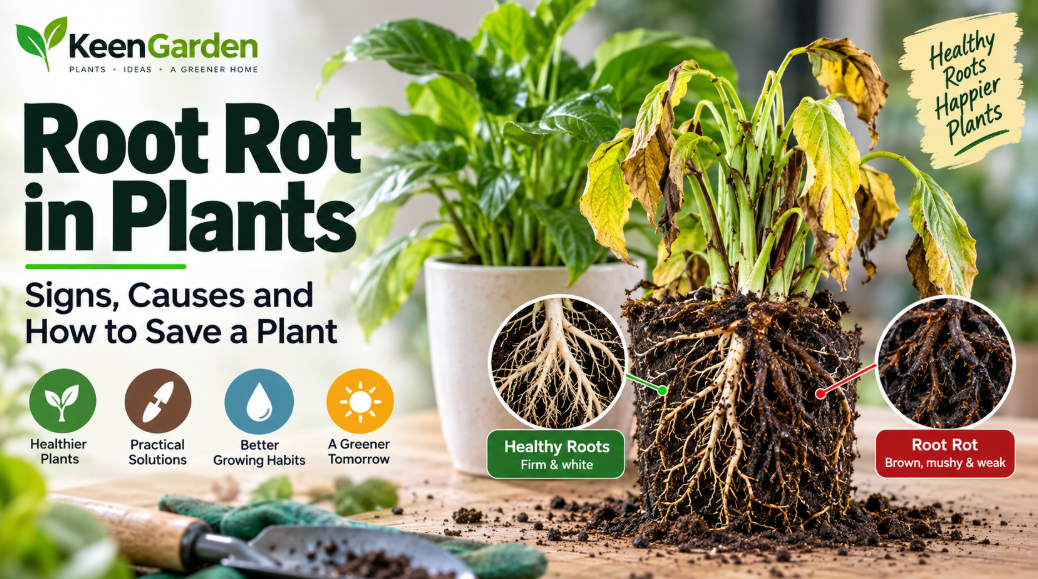
Common mistake: Overwatering can lead to root rot. Always check the top inch of soil; if it feels dry, water. If not, wait.
Kale appreciates rich soil but also benefits from extra feeding. Use a balanced organic fertilizer or compost tea every 4–6 weeks. Too much nitrogen can cause rapid, weak growth, so follow package directions.
| Fertilizer Type | When to Apply | How Much |
|---|---|---|
| Compost | Before planting | 2–4 inches mixed in |
| Fish emulsion | Every 4 weeks | As directed |
| Granular organic | At planting, midseason | Light sprinkle |
Less obvious advice: If leaves start yellowing from the bottom up, this may signal a nitrogen deficiency. Add a little extra compost or a quick nitrogen boost.
Kale is tough but not invincible. Seedlings can handle cool weather, but growth slows below 45°F (7°C). If a hard frost is coming, cover young plants with row covers or old sheets. In hot climates, plant in the fall or use shade cloth to reduce stress.
Real example: In Texas, summer heat can make kale bolt (flower and go bitter). Plant in September for a long, sweet fall harvest instead.
Some common pests can bother kale, but with a bit of care you can keep your crop healthy.
Control tips:
Kale is fairly disease-resistant, but watch for:
Prevent problems by rotating crops, spacing plants for airflow, and avoiding overhead watering.
Pro insight: Planting kale with aromatic herbs like dill or mint can repel pests. Just don’t plant kale with other brassicas in the same spot every year—this encourages disease.
Kale is ready to harvest about 55 to 75 days after planting, depending on variety. You can harvest baby leaves earlier, usually within a month.
Harvest in the morning for crisp, sweet leaves. Wash leaves well to remove any dirt or bugs.
Extra tip: If you harvest just a few leaves at a time, kale will keep producing for months—even through light frosts.
If you want to save seeds, let a few kale plants flower in their second year. Kale is biennial, meaning it usually flowers the second season. Allow seed pods to dry on the plant, then collect and store in a cool, dry place.
Beginner’s mistake: Kale can cross-pollinate with other brassicas, so if you want pure seeds, don’t grow different types together.
If outdoor space is limited, you can grow kale indoors with enough light. Use containers at least 6 inches deep. Place them near a sunny window or use LED grow lights for 10–12 hours a day. Water regularly and feed with a balanced liquid fertilizer every 4–6 weeks.
Quick fact: Indoor-grown kale may be more tender but often grows slower than outdoor plants.
Kale is easy to grow, but small issues can pop up. Here’s how to handle them:
Non-obvious solution: If plants look stunted, check the roots. Nematodes (microscopic worms) can damage them. Rotate crops and add organic matter to help.
After harvesting, wash kale and dry thoroughly. Store in a plastic bag in the refrigerator for up to a week. For longer storage, blanch and freeze leaves.
Cooking ideas: Kale is great in soups, smoothies, salads, and stir-fries. Young leaves are perfect for salads, while mature leaves are best cooked.
Fun fact: Kale chips are a popular healthy snack—just toss leaves with olive oil and bake at 350°F for 10–15 minutes until crisp.
Here’s a simple timeline to help you plan your kale planting:
| Step | Time from Planting | What to Do |
|---|---|---|
| Sow seeds | Day 0 | Start indoors or direct sow |
| Seedlings emerge | 7–10 days | Keep moist, provide light |
| Thin seedlings | 2–3 weeks | Space out for strong growth |
| Harvest baby leaves | 25–35 days | Snip young leaves |
| Harvest mature leaves | 55–75 days | Pick outer leaves |
| Final harvest or seed saving | End of season | Cut whole plant or collect seeds |
Beginner’s insight: Don’t worry if your first crop isn’t perfect. Kale is forgiving—just keep trying, and you’ll improve with each season.
Kale is a true superfood. One cup of raw kale (about 67 grams) provides:
It’s low in calories but high in fiber and antioxidants, making it a smart addition to any diet. For more on kale’s health value, see this Harvard T.H. Chan School of Public Health resource.
Practical tip: Cooking kale lightly (steaming or sautéing) can make nutrients more available and reduce bitterness.
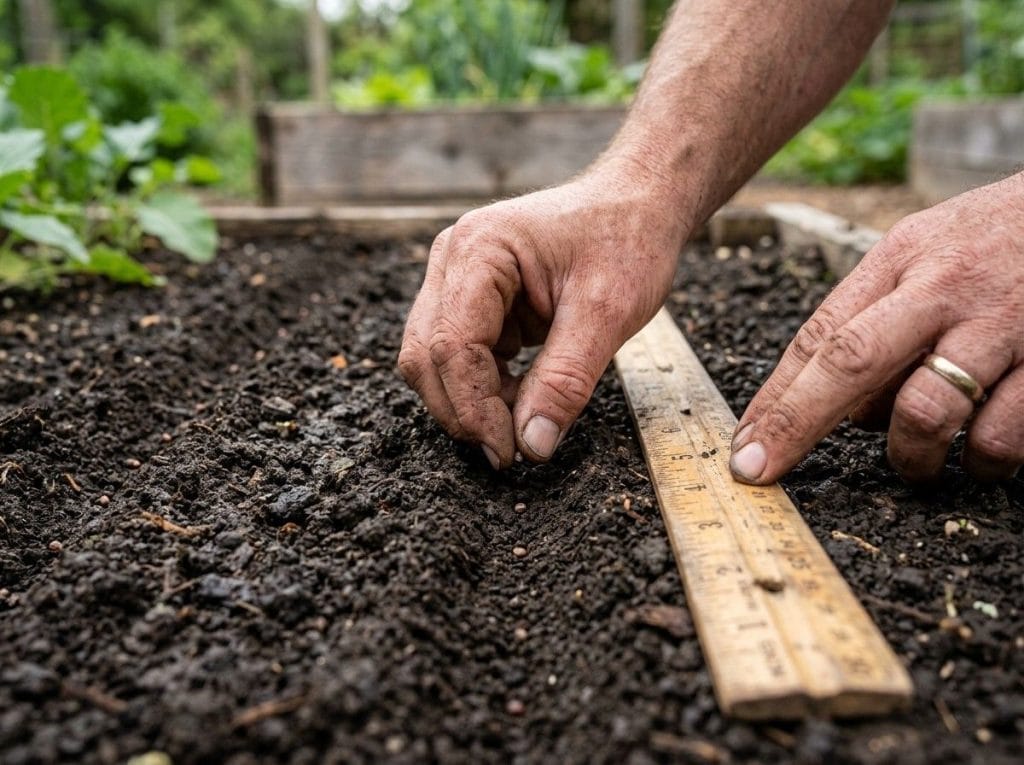
Plant kale seeds about 1/4 to 1/2 inch deep. Cover lightly with soil and pat gently. This depth gives seeds enough darkness to germinate but isn’t too deep for the tiny sprouts.
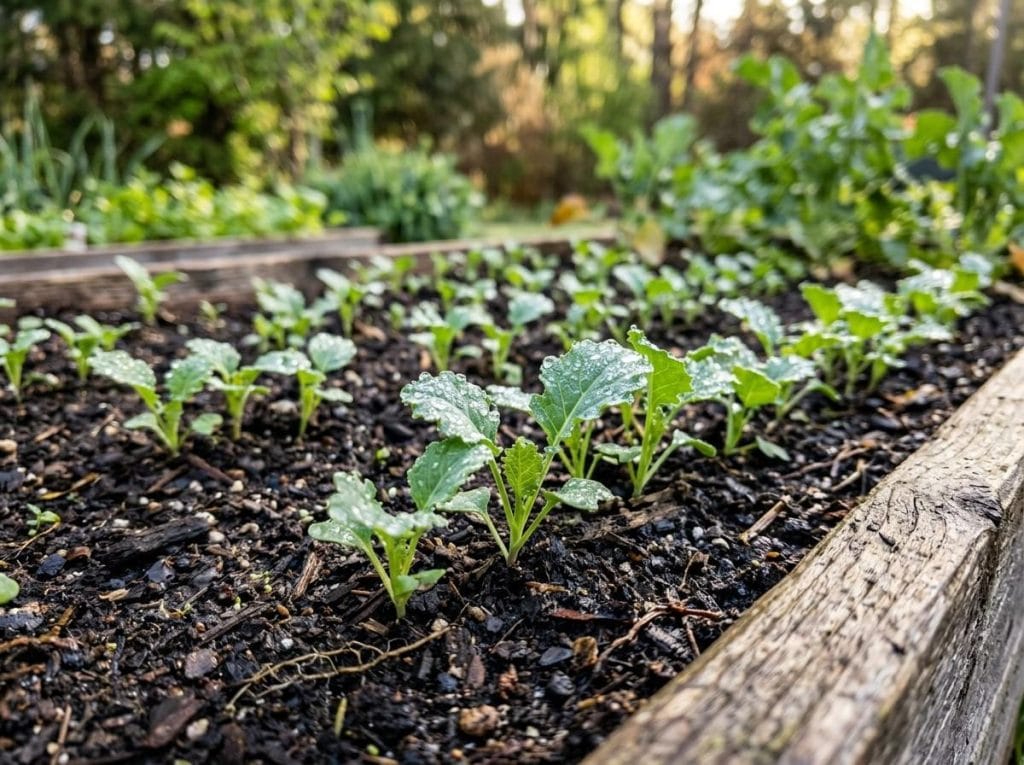
Kale seeds usually sprout in 7 to 10 days if soil is kept moist and temperatures stay between 60°F and 70°F. Cooler weather may slow germination a bit.
You can plant kale in late summer for a fall crop, but avoid planting during the hottest months. High heat may make leaves tough and bitter. In hot climates, wait until late August or September.
A few common errors include sowing seeds too deep, crowding plants, overwatering, and not protecting from pests. Always thin seedlings for good airflow, and check for pests weekly.
Yes! If you harvest only the outer leaves and leave the center intact, kale will keep growing new leaves for months. This “cut-and-come-again” method gives you many harvests from one planting.
Growing kale from seed is a simple, satisfying way to add fresh, healthy greens to your meals. With a little planning and regular care, even beginners can enjoy a bountiful harvest. Each season teaches something new, and soon you’ll have a garden full of tasty, nutrient-rich kale—right at your fingertips.