Gardening Made Simple.
Are you struggling to save your plants from root rot? You’re not alone. Hydrogen Peroxide for Root Rot can be an effective solution that helps kill harmful pathogens and restore oxygen to damaged roots, giving your plants a better chance to recover.
Root rot can quickly damage your beloved greenery, leaving you frustrated and unsure of what to do next. But what if there was a simple, effective way to fight back? Hydrogen peroxide might be the solution you’ve been looking for.
You’ll discover how hydrogen peroxide can help treat root rot and bring your plants back to life. Keep reading to learn easy steps that can make a big difference in your garden’s health.
Root rot is a serious problem that affects many plants. It damages the roots and stops the plant from taking water and nutrients. Understanding the causes of root rot can help protect your plants and keep them healthy.
Root rot often comes from harmful fungi and bacteria. These pathogens live in the soil and attack weak roots. Pythium, Phytophthora, and Fusarium are some common fungi that cause root rot. They thrive in wet, poorly drained soils and spread quickly.
Too much water is a big cause of root rot. Overwatering or poor drainage makes the soil soggy. Roots cannot breathe in waterlogged soil, so they start to decay. Cold soil and compacted earth also make roots weak and more likely to rot.
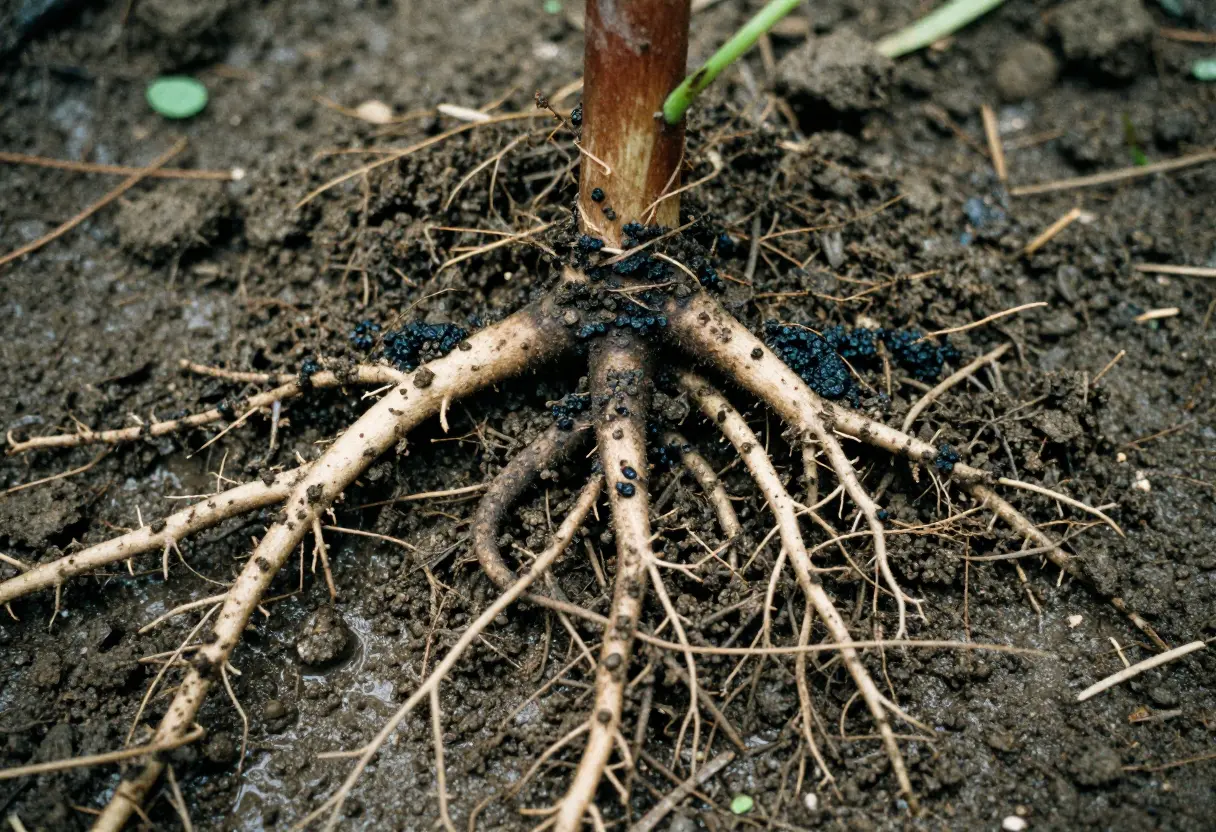
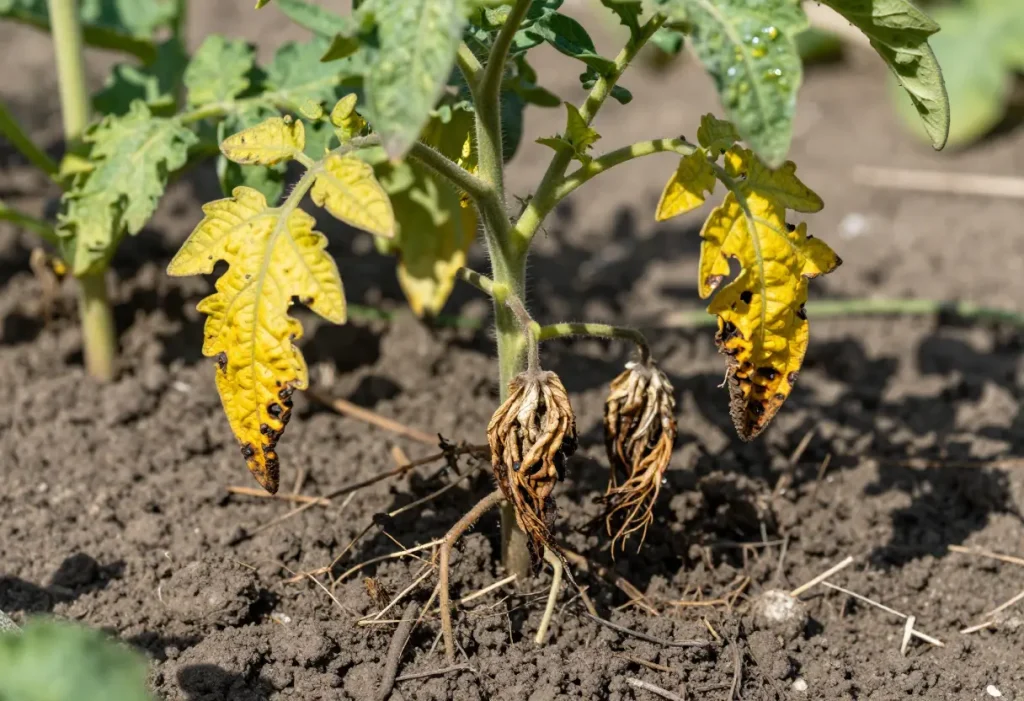
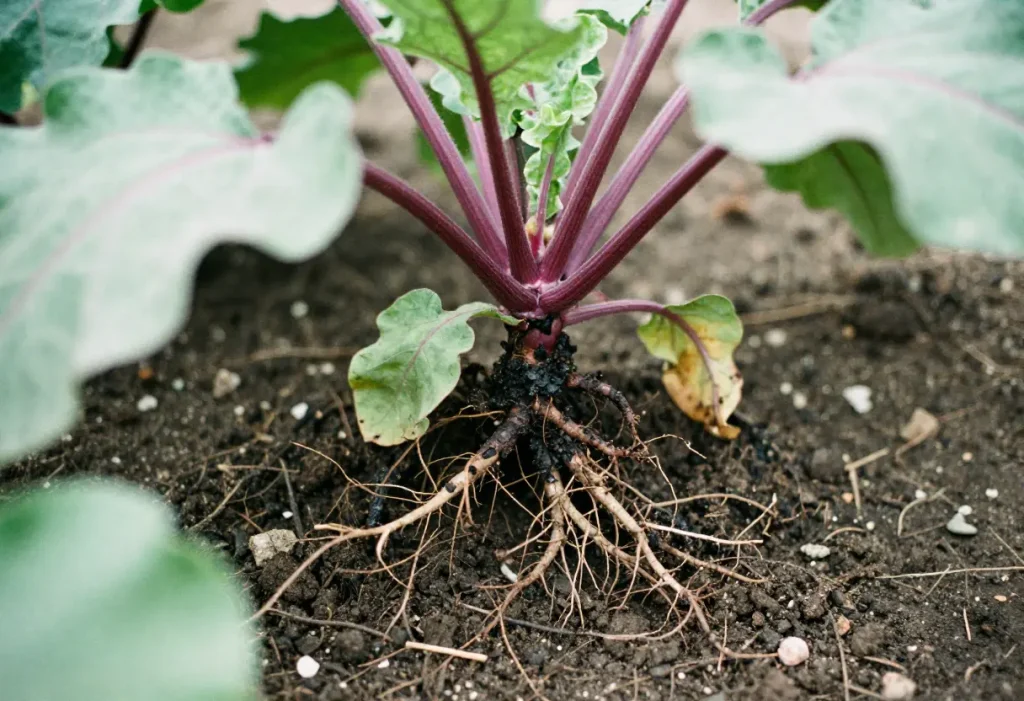
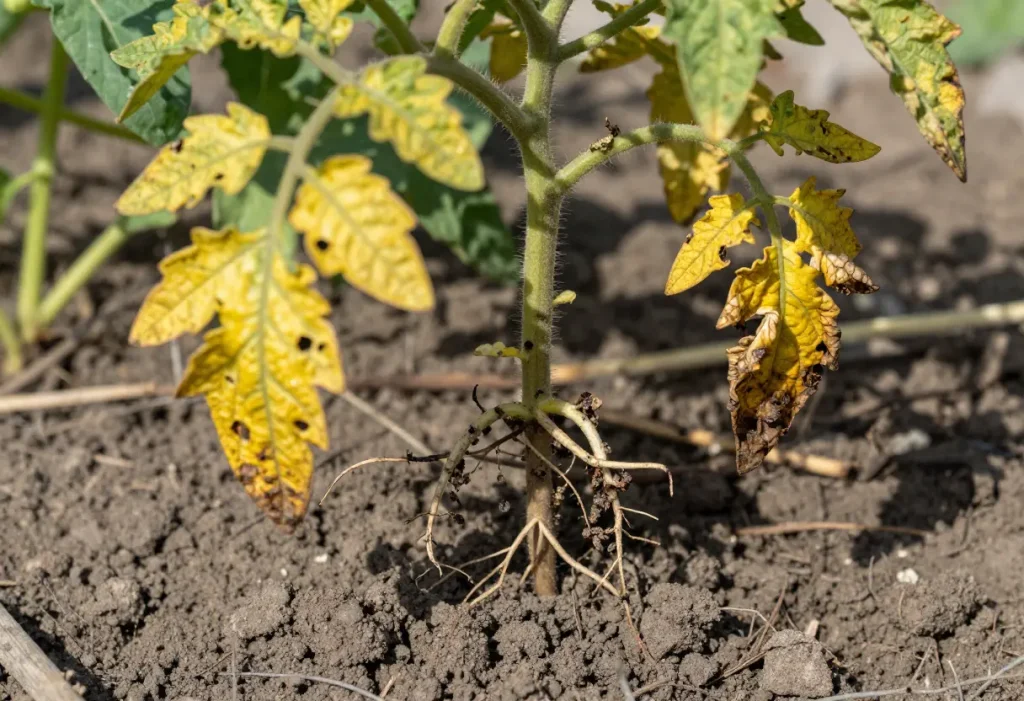
Look for yellowing leaves and slow growth. Wilting, even with enough water, can signal root rot. Roots turn brown and soft instead of firm and white. A foul smell from the soil often means roots are rotting.
Hydrogen peroxide is a useful tool against root rot in plants. It helps protect roots and supports healthy growth. This common chemical can improve soil and fight harmful fungi.
Using hydrogen peroxide carefully can save plants from decay. It works by cleaning the roots and increasing oxygen. This boosts the plant's strength and helps it recover.
Hydrogen peroxide releases oxygen when it touches soil or roots. This extra oxygen kills harmful bacteria and fungi causing root rot. It also breaks down harmful substances in the soil.
The chemical cleans the root area and stops disease spread. It helps roots get more oxygen, which they need to grow strong.
Plants treated with hydrogen peroxide grow faster and stay healthier. The extra oxygen improves root function and nutrient absorption. It also reduces bad smells from rotting roots.
Using hydrogen peroxide lowers the chance of root rot coming back. It supports strong roots, making plants more resistant to stress and disease.
Preparing the hydrogen peroxide solution correctly is key for treating root rot. Using the right strength ensures safety for plants and helps fight the fungal infection effectively. Mixing the solution carefully is important to avoid damage to roots and leaves.
Use a 3% hydrogen peroxide solution for root rot treatment. This concentration is safe for most plants and effective against fungi. Avoid using higher concentrations, as they can harm roots. For delicate plants, dilute the 3% solution further with water.
Start with clean water at room temperature. Mix one part 3% hydrogen peroxide with two parts water. Stir gently to combine the solution well. Pour the mixture into a spray bottle or watering can for easy use. Always prepare fresh solution before each treatment.
Hydrogen peroxide can help control root rot in plants. Using it correctly is key for best results. Different ways exist to apply hydrogen peroxide. Each method targets root rot differently. Choose the right method based on your plant’s needs.
Soil drenching means pouring diluted hydrogen peroxide into the soil. This method reaches the roots directly. It kills fungi causing root rot. Use a mix of one part 3% hydrogen peroxide to four parts water. Pour slowly around the base of the plant. Avoid soaking the soil too much.
Root dipping involves soaking plant roots in hydrogen peroxide. Use this method before planting or repotting. Prepare a solution of one part 3% hydrogen peroxide to two parts water. Dip the roots for about 5 minutes. This cleans harmful fungi and bacteria. Let the roots dry slightly before planting.
Foliar spray applies hydrogen peroxide on plant leaves. Use a very diluted solution: one part 3% hydrogen peroxide to ten parts water. Spray lightly on leaves and stems. This method helps prevent fungal growth above ground. Avoid spraying during hot sunlight to prevent leaf burn.
Proper frequency and timing are key to treating root rot with hydrogen peroxide. Applying it too often or too little can harm the plant or slow recovery. Finding the right balance helps the roots heal faster and stay healthy.
Start by applying a diluted hydrogen peroxide solution once a week. Use about 3% hydrogen peroxide mixed with water at a ratio of one part peroxide to four parts water. Water the soil gently with this mix.
After two weeks, reduce treatment to every two weeks. Monitor the plant’s response closely. Avoid daily use as it can dry out the roots and kill beneficial microbes.
Look for new leaf growth and firmer stems. Healthy roots will appear white and fresh, not slimy or brown. Soil should drain better and smell less musty.
Leaves will stop yellowing and wilting. If symptoms improve, continue the reduced schedule until the plant fully recovers. If not, pause treatment and reassess the condition.
Using hydrogen peroxide for root rot can help plants recover. Still, it is important to use it carefully. There are risks if you do not follow the right steps. Knowing the precautions keeps your plants safe and healthy.
Too much hydrogen peroxide can harm plant roots. It can burn the roots and stop growth. Use only the right amount. Dilute it with water before applying. Applying once every few days is enough. Overusing can kill helpful bacteria in the soil.
Some plants are more sensitive to hydrogen peroxide. They may react badly or show leaf damage. Test on a small part of the plant first. Watch for any signs of stress. Stop use if the plant looks unhealthy. Different plants need different care and attention.
Complementary care is important to help plants recover from root rot. Using hydrogen peroxide can treat the problem. Still, other steps improve plant health and prevent future issues.
These tips focus on how to keep soil and roots healthy. They help plants grow strong and resist diseases better.
Good drainage stops water from staying too long in the soil. Roots need air to breathe and grow well. Use pots with holes at the bottom. Choose soil that drains water quickly. Adding sand or perlite can help water flow. Avoid heavy clay soils that hold water.
Water plants only when the top soil feels dry. Too much water causes roots to rot easily. Water deeply but less often. This encourages roots to grow down and stay healthy. Check moisture levels before watering again. Use a watering can with a small spout to control flow.
Hydrogen peroxide is a popular choice for treating root rot. Still, some gardeners prefer other options. Different methods can help control root rot effectively. These alternatives suit various needs and preferences.
Natural remedies use safe ingredients from nature. They help fight root rot without harsh chemicals. One option is cinnamon powder. It has antifungal properties that protect roots. Another choice is neem oil. It stops fungal growth and promotes plant health.
Garlic tea works well too. Garlic contains sulfur, which kills harmful fungi. Chamomile tea can also reduce root rot. It acts as a mild fungicide and soothes plant roots. These remedies are gentle and eco-friendly.
Chemical treatments offer a stronger defense against root rot. Fungicides with active ingredients like thiophanate-methyl or metalaxyl are common. They target fungal pathogens directly and stop spread quickly.
Use these chemicals carefully. Follow package instructions to avoid plant damage. They are effective but may affect beneficial soil organisms. Rotate treatments to prevent fungus resistance. Chemicals work best in severe root rot cases.
Hydrogen peroxide helps kill fungi and bacteria that cause root rot in plants.
It adds oxygen to the soil, improving root health and stopping rot growth.
Yes, it can reduce infection and help roots heal if used early and correctly.
Apply once a week until the plant shows signs of recovery and healthy roots.
Generally safe in low concentrations, but test on a small area first to avoid damage.
Hydrogen peroxide helps fight root rot by killing harmful fungi. It also adds oxygen to the soil, helping roots breathe. Use it carefully and in the right amounts to avoid damage. Regular checks on your plants can catch root rot early.
Healthy roots mean stronger, happier plants. Keep your plants well-drained and avoid overwatering. Simple steps like these protect your garden from root rot. Try hydrogen peroxide as a safe, easy treatment option. Your plants will thank you with better growth and health.