Gardening Made Simple.

Are you curious about how much you can really get from a mushroom grow bag? Whether you're just starting out or looking to boost your harvest, understanding mushroom grow bag yield is key to maximizing your fungi production and enjoying a plentiful harvest.
Imagine turning a simple bag into a steady supply of fresh, delicious mushrooms right at home. You’ll discover practical tips and insider secrets that can help you maximize your yield and enjoy more bountiful harvests. Keep reading, and you’ll learn exactly how to make your mushroom grow bags work harder for you.
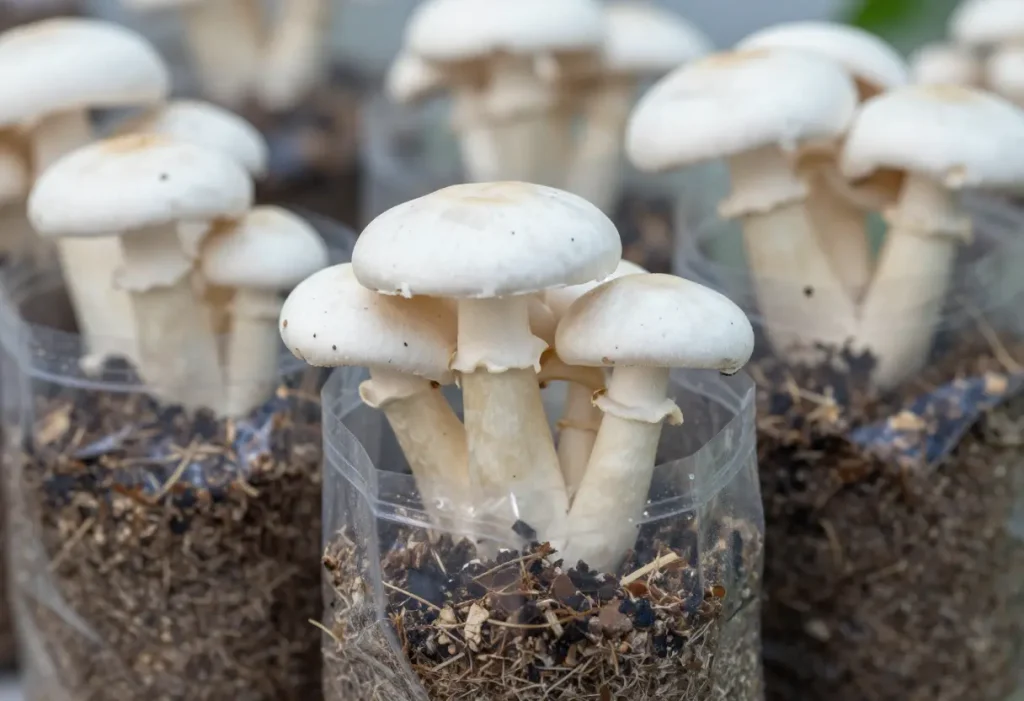
Choosing the right mushroom strain is key for a good yield in grow bags. Different strains have unique growth needs and production rates. Picking a strain that suits your environment and goals helps ensure success. This choice impacts the size, taste, and amount of mushrooms you can harvest. Understanding strains leads to better planning and better results.
Some mushroom strains grow better in bags than others. Oyster mushrooms are common and easy to grow. They adapt well to many conditions and produce quickly. Shiitake mushrooms are popular but need more care. They grow slower but have a rich flavor. Lion's Mane is unique and has health benefits. It grows well in bags but needs stable temperatures.
Each strain has traits that affect yield. Oyster mushrooms usually grow fast and produce many mushrooms. Shiitake yields less but offers a dense, firm texture. Lion's Mane produces large, white clusters with moderate yield. Some strains resist diseases better, lowering risk of loss. Choose a strain with good yield and growth suited to your setup.
Preparing the grow bags is a key step in mushroom cultivation. It sets the stage for a healthy and high yield. Careful preparation ensures the mushrooms get the best start. This process includes choosing the right substrate, sterilizing it, and filling the bags properly. Each step affects how well the mushrooms will grow.
The substrate feeds the mushroom mycelium. Choose fresh and clean materials like sawdust, straw, or wood chips. Avoid old or moldy substrate. Quality substrate helps mushrooms grow fast and strong. Mix the substrate with nutrients like bran or gypsum for better results.
Sterilization kills harmful bacteria and pests. Use a pressure cooker or autoclave to sterilize the substrate. Heat the substrate at 15 psi for 1 to 2 hours. Cool it down before filling the bags. Clean tools and workspace reduce contamination risks.
Fill the bags evenly with sterilized substrate. Leave enough space for air exchange but not too much. Pack the substrate gently to avoid crushing it. Seal the bags tightly with a filter patch for gas exchange. Proper filling helps maintain moisture and oxygen levels.
Optimizing environmental conditions is key to increasing mushroom grow bag yield. Mushrooms need specific settings to grow healthy and fast. Small changes in environment can lead to better harvests. Understanding and controlling these factors helps produce more mushrooms with better quality.
Mushrooms grow best in cool, stable temperatures. Most types prefer 65 to 75°F (18 to 24°C). Heat slows growth and can kill the mycelium. Cold stops growth and delays harvest. Use a thermometer to check the grow area often. Adjust heat or cooling to keep temperature steady.
High humidity is essential for mushroom growth. Keep humidity between 85% and 95%. Dry air causes mushrooms to dry out and stop growing. Use a spray bottle or humidifier to add moisture. Check humidity daily and adjust as needed. Proper humidity helps mushrooms stay plump and fresh.
Mushrooms need some light but not direct sunlight. Indirect or low light for 12 hours a day works well. Light helps mushrooms know when to start fruiting. Avoid strong light that dries the grow bag. Use artificial light if natural light is limited. Balanced light exposure improves yield and quality.
Fresh air is important for mushroom health. Good airflow prevents mold and removes carbon dioxide. Avoid strong drafts that dry the mushrooms. Use fans or open windows to provide gentle ventilation. Change the air several times a day. Proper airflow supports strong, healthy mushroom growth.
Inoculation and colonization are key steps in growing mushrooms using grow bags. These steps affect the final yield and quality. Proper techniques help the mycelium spread fast and strong. This section offers clear tips to improve your mushroom grow bag yield.
Select spawn that matches your mushroom type. Look for fresh, healthy spawn with visible mycelium. Avoid spawn that looks dry or discolored. Grain spawn often works best for quick colonization. Buy from trusted suppliers for consistent results. Good spawn starts a strong and fast colonization process.
Cleanliness is crucial during inoculation. Wash hands and sterilize tools before use. Make a small hole in the grow bag for the spawn. Add the spawn carefully without contaminating the bag. Seal the hole tightly to keep the bag sterile. Spread the spawn evenly inside the bag to help growth. Work quickly to reduce exposure to air and contaminants.
Check the grow bag daily for white mycelium growth. Healthy mycelium looks fluffy and white. Watch for slow or patchy growth, which may indicate problems. Avoid opening the bag too often to prevent contamination. Keep the bag in a dark, warm place for faster colonization. Record growth progress to catch issues early. Prompt action helps ensure a strong mushroom crop.
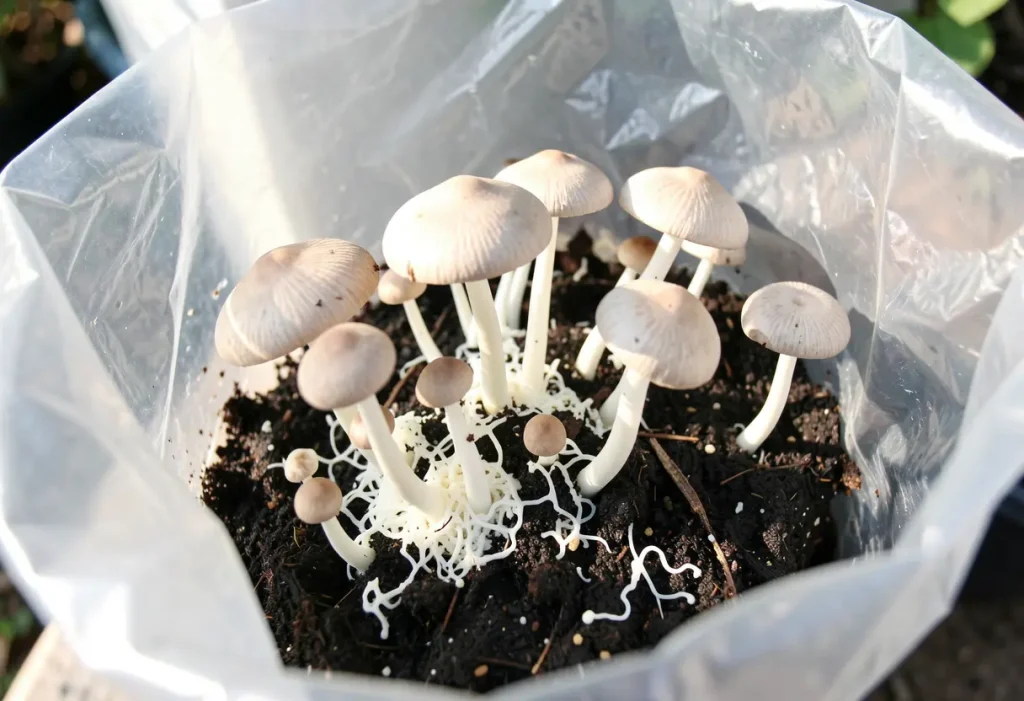
Fruit body development is a key stage in mushroom growing. This phase determines the quality and size of the mushrooms. Proper care during this time improves your mushroom grow bag yield. Understanding how fruit bodies grow helps you get better results.
Pinning starts the fruit body growth. It is when tiny mushroom buds appear. Lower the temperature slightly to trigger pinning. Increase fresh air flow to stimulate growth. Keep humidity high, around 85-95%. Light also helps to start pinning. Without these triggers, mushrooms won’t form properly.
After pinning, keep the environment steady. Maintain humidity near 90% to avoid drying out. Keep temperature between 65°F to 75°F (18°C to 24°C). Provide fresh air to prevent carbon dioxide buildup. Avoid direct sunlight but allow indirect light. Consistent care leads to healthy fruit bodies.
Harvest mushrooms just before the caps fully open. Look for caps that start to flatten but not spread wide. The gills under the cap should be visible but not dark. Picking too early or late lowers yield and quality. Check daily for the best harvest moment.
Harvesting mushrooms correctly helps get the most from your grow bags. Careful picking protects the mycelium for future growth. Proper timing and handling keep mushrooms fresh and tasty. Follow simple steps to improve your mushroom yield and quality.
Pick mushrooms gently at the base of the stem. Use a clean knife or twist softly to avoid damage. Do not pull or yank mushrooms out. Leave the stem base intact to help new mushrooms grow. Handle mushrooms with care to prevent bruising.
Wait for mushrooms to fully open before harvesting. This allows spores to spread and mycelium to rest. After the first harvest, keep the bag moist but not wet. Watch for smaller mushrooms to grow for second and third flushes. Harvest these smaller crops carefully to extend your yield.
Store fresh mushrooms in a paper bag in the fridge. Avoid plastic bags to prevent moisture buildup and mold. Use mushrooms within a few days for best taste. Clean mushrooms gently with a soft brush or cloth. Do not wash mushrooms before storing; clean just before use.
Troubleshooting common issues in mushroom grow bags helps improve your yield. Small problems can stop your mushrooms from growing well. Knowing how to fix these issues saves time and effort.
Contamination is a major problem in mushroom growing. Keep your workspace clean and use gloves. Always sterilize the grow bag before use. Avoid opening the bag in dusty or dirty places. Watch for unusual colors or smells. Remove any contaminated bags quickly to protect others.
Slow growth may mean the environment is wrong. Check temperature and humidity levels carefully. Mushrooms need warmth but not too hot. Too little moisture also slows growth. Light helps some mushrooms, but too much hurts them. Adjust conditions step-by-step and watch for changes.
Pests like flies or mites can damage your crop. Use fine mesh or covers to stop pests entering. Remove dead or old mushrooms quickly. Diseases spread fast in crowded spaces. Keep good air flow but avoid strong winds. Inspect bags daily to catch pests and diseases early.
Scaling up your mushroom production takes careful planning and smart use of space. Growing more mushrooms means more work, but also more rewards. You can increase your yield by organizing batches well, using space wisely, and keeping good records. These steps help you grow more mushrooms with less hassle.
Plan your mushroom batches to keep production steady. Start new batches before old ones finish. This way, you always have mushrooms ready to harvest. Use a schedule to track when each batch starts and ends. This helps avoid overcrowding and keeps mushrooms healthy. Batch planning helps keep your work smooth and your yield high.
Use all available space efficiently to grow more mushrooms. Arrange grow bags in rows or stacks to save room. Make sure each bag gets enough air and light. Avoid putting bags too close, which can cause mold. Good space use means more mushrooms in less area. It also makes your work easier and cleaner.
Keep detailed records of your mushroom batches and yields. Note the start date, type of mushroom, and harvest results. Track problems like pests or low yields to find solutions. Records help you see what works and what does not. Use this information to improve your future crops and increase production.
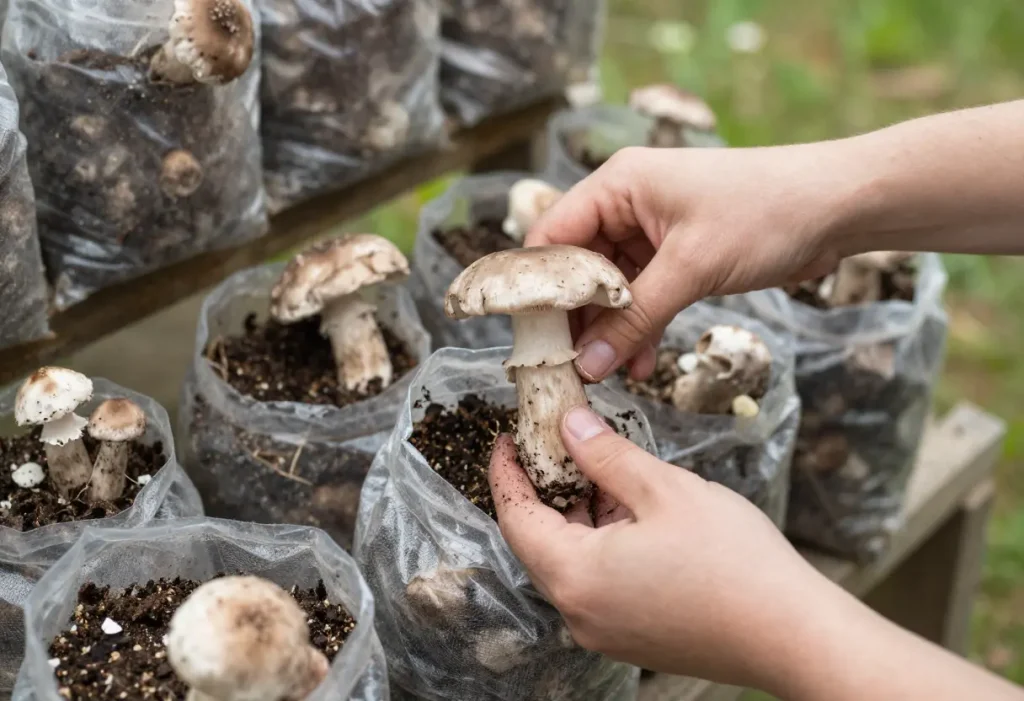
A typical mushroom grow bag produces about 1 to 2 pounds of mushrooms per cycle.
Mushrooms usually take 3 to 4 weeks to fully grow in a grow bag after spawning.
Yes, grow bags often give 2 to 3 harvests before the substrate is spent.
Temperature, humidity, and fresh air greatly influence the quantity and quality of mushrooms.
Keep the bag in ideal conditions: stable temperature, good humidity, and avoid direct sunlight.
Growing mushrooms in bags can bring good results with care. Keep the environment clean and moist for better yield. Choose quality spawn and fresh substrate to start well. Watch the bags daily to catch any problems early. Harvest mushrooms at the right time for best taste.
Small steps make a big difference in your harvest. Enjoy the process and learn with each grow. Mushroom grow bags offer a simple way to grow fresh mushrooms at home.