Gardening Made Simple.
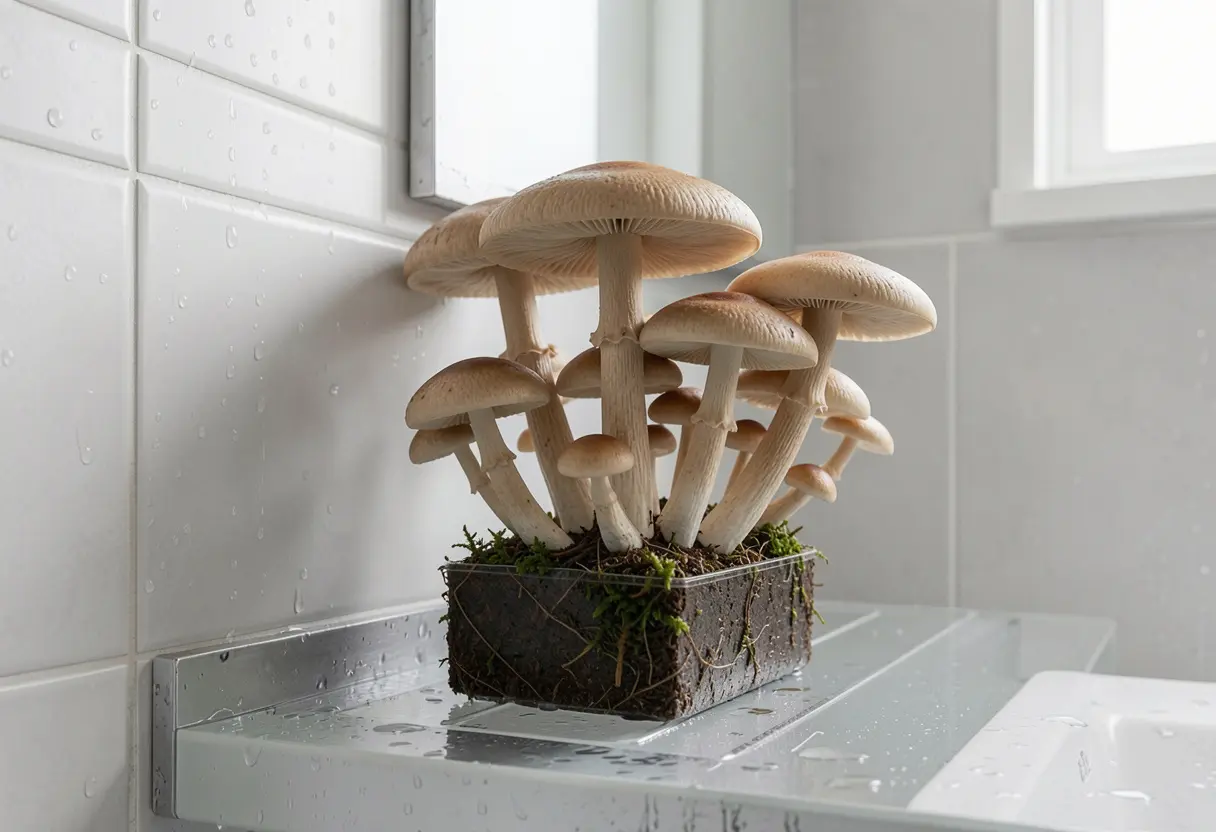
Have you ever thought about turning your bathroom into a mini mushroom farm? Mushroom Growing in Bathroom might sound unusual, but the warm and humid environment can make it a perfect spot to grow fresh, tasty mushrooms right at home.
With the right steps, you can transform that damp, cozy space into a thriving mushroom garden. Imagine picking your own mushrooms whenever you want, saving money, and enjoying a fun, healthy hobby. Ready to discover how easy and rewarding mushroom growing in your bathroom can be?
Keep reading, and you’ll learn everything you need to get started today!
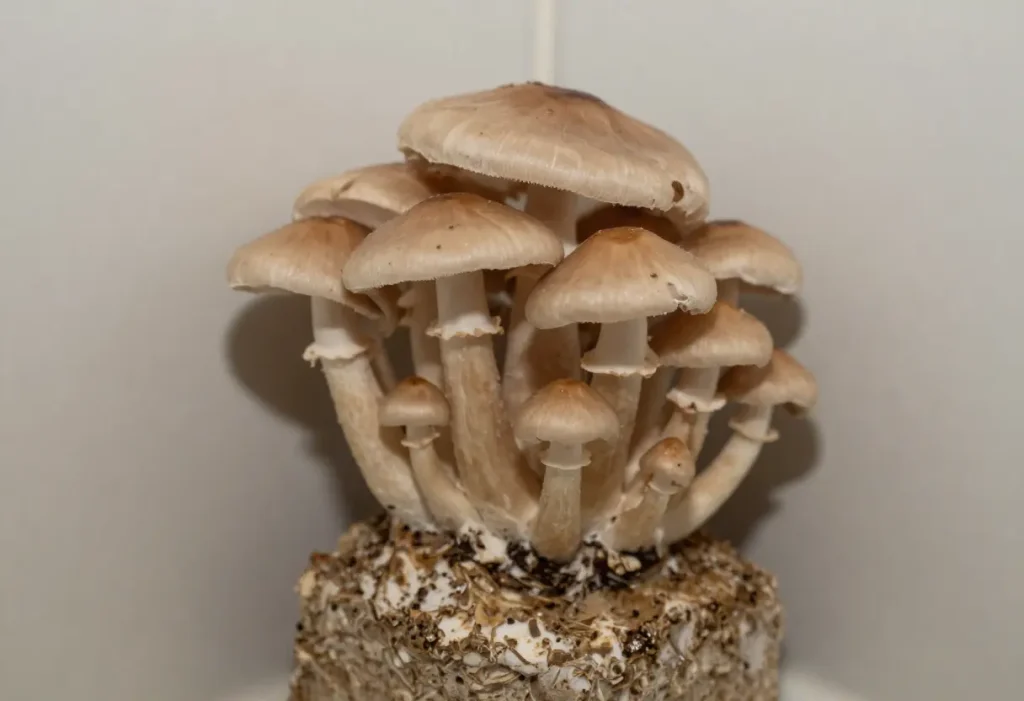
Choosing the right mushrooms is key for successful bathroom growing. Bathrooms have unique conditions like humidity and low light. Selecting mushrooms that thrive in these conditions increases your chances of a good harvest. Some mushrooms adapt better to indoor spaces with limited airflow and moisture control.
Understanding the types of mushrooms suitable for bathroom growing helps you prepare better. Consider the space, temperature, and humidity before making a choice. The right mushroom variety and good quality spores or spawn improve growth and yield.
Oyster mushrooms are ideal for bathrooms. They grow fast and need little light. Their tolerance for humidity fits bathroom environments well. Another good choice is shiitake mushrooms. They prefer moderate humidity and can grow in cooler temperatures. Lion’s mane mushrooms also do well indoors. They need moist air and low light, perfect for bathrooms. Avoid mushrooms that require dry or very bright places.
Choose spawn over spores for easier growing. Spawn contains live mycelium, ready to grow mushrooms. Spores require more skill and time to develop. Spawn comes in sawdust, grain, or plug forms. Sawdust spawn spreads well in small containers. Grain spawn grows quickly and is good for beginners. Make sure the spawn is fresh and from a trusted source. Quality spawn increases the chances of healthy mushrooms.
Preparing the growing space is the first step to grow mushrooms in your bathroom. A clean and suitable area helps mushrooms grow healthy. Bathrooms often have the right moisture and temperature for mushrooms. Getting your space ready makes the growing process easier and more successful.
Mushrooms need a dark, damp place to grow well. Bathrooms usually have good humidity, which helps spores develop. The temperature should stay between 55°F and 70°F (13°C to 21°C). Avoid bright lights and strong air currents. Keep the space clean to stop mold and pests.
Use containers that hold moisture but allow air inside. Plastic bins with holes or glass jars work well. Fill containers with mushroom growing medium like straw or sawdust. Clean containers before adding the medium to prevent contamination. Place containers on a stable shelf or countertop, away from direct water splash.
Preparing the substrate is a key step in growing mushrooms in your bathroom. This material acts as food for the mushrooms. Proper preparation helps mushrooms grow healthy and strong. It is important to choose the right materials and keep them clean and moist.
Good substrate preparation creates the perfect home for mushroom spores. This step supports faster growth and better yields. Let’s explore how to select and prepare the substrate.
Choose materials that mushrooms like to eat. Common options include straw, sawdust, and coffee grounds. These provide nutrients and hold moisture well. Avoid materials with chemicals or mold. Fresh and clean substrate improves mushroom health. Pick something easy to find and affordable for you.
Sterilize the substrate to kill harmful germs. Use boiling water or a pressure cooker for best results. This step stops bad bacteria from growing. After sterilizing, cool the substrate to room temperature. Then, moisten it with clean water. The substrate should be damp but not dripping wet. Proper moisture helps mushroom spores spread and grow.
The inoculation process is the first step to grow mushrooms in your bathroom. It means adding mushroom spawn to the growing material, called substrate. This step starts the mushroom growth cycle. A clean and careful approach helps the spawn grow well without problems.
First, prepare the substrate, like sawdust or straw. Make sure it is moist but not wet. Break the mushroom spawn into small pieces. Mix the spawn evenly into the substrate. Spread the mixture in a clean container or bag. Seal the container but leave some air holes. This gives the mushrooms a good place to start growing.
Cleanliness is very important during inoculation. Wash your hands and tools with soap. Work in a clean space to avoid germs. Keep the substrate and spawn away from dust and dirt. Germs can stop mushrooms from growing. Cleanliness helps the spawn grow fast and healthy.
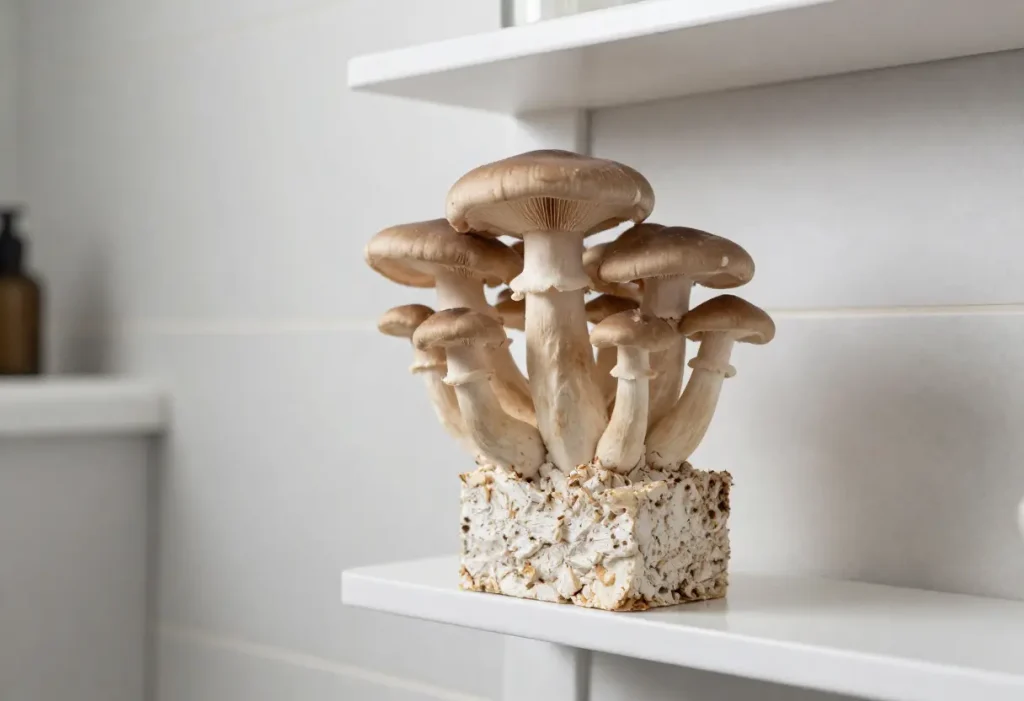
Creating the right environment is key to growing mushrooms in your bathroom. Mushrooms need specific conditions to grow healthy and strong. Controlling temperature, humidity, light, and air helps your mushrooms thrive. Small changes make a big difference in growth success.
Mushrooms grow best in cool and moist places. Keep the bathroom temperature between 55°F and 70°F. Too hot or too cold slows growth or stops it.
Humidity must stay high, around 80% to 95%. Bathrooms usually have natural humidity from showers. Use a spray bottle to mist your mushrooms daily. A small humidifier can help keep moisture steady.
Mushrooms do not need much light. Indirect light is best. Avoid direct sunlight as it dries mushrooms out.
Fresh air helps mushrooms grow strong and prevents mold. Open a window or door for short periods. Use a small fan on low to move air gently. Avoid strong drafts that can dry out the mushrooms.
Harvesting your mushrooms is an exciting step in your bathroom growing journey. It shows your care and patience paying off. Proper harvesting keeps your mushrooms fresh and ready to eat. It also helps your mushroom bed stay healthy for future growth.
Knowing when and how to harvest is key. Picking mushrooms too early or too late can affect taste and texture. Gentle handling during harvest prevents damage to the delicate fungi. Let's explore how to identify ready mushrooms and harvest them correctly.
Check the size and shape first. Mature mushrooms have caps that are fully open but not too flat. The cap edges start to lift and curl upward slightly. The color looks full and rich, not pale or dull.
Look under the cap at the gills. They should be visible but not dark or dry. Avoid mushrooms with slimy or wrinkled surfaces. These signs mean the mushroom is past its prime.
Use clean hands or scissors to harvest. Gently twist or cut the stem near the base. Avoid pulling to stop damage to the mycelium. Damaged mycelium can slow or stop new growth.
Place harvested mushrooms in a clean container. Do not stack them tightly to prevent bruising. Store mushrooms in a cool, dry place before use or cooking.
Mushroom growing in a bathroom can be rewarding but comes with challenges. Troubleshooting common issues helps keep your mushrooms healthy. Small problems can stop growth or ruin your crop quickly. Pay attention to your environment and take action early.
Bathrooms have moisture and warmth, perfect for mushrooms but also for problems. Cleanliness and monitoring are key. Watch for signs of trouble and fix them fast. This section covers how to prevent contamination and deal with pests and mold.
Contamination is a main cause of mushroom crop failure. Bacteria and unwanted fungi can grow on your substrate. Always start with clean tools and fresh materials. Wash your hands before handling the mushrooms or substrate.
Keep the growing area tidy and avoid touching mushrooms directly. Use a spray bottle with clean water to maintain moisture without soaking the substrate. Air circulation reduces stagnant air, which helps prevent harmful germs.
Remove any discolored or slimy patches immediately. These patches often mean contamination. Replace contaminated substrate to stop spread. Regular checks and hygiene keep contamination low.
Pests like flies and mites can damage mushrooms and spread disease. Use sticky traps or natural repellents to keep pests away. Avoid overwatering, as wet conditions attract pests and encourage mold growth.
Mold is a common issue in damp bathrooms. White mold can sometimes be harmless, but green, black, or blue mold is dangerous. Remove mold spots as soon as you see them. Use a clean cloth to wipe affected areas gently.
Improve ventilation to reduce mold risk. Opening a window or using a small fan helps. Keep your bathroom clean and dry outside the growing area. This reduces pests and mold chances.
Growing mushrooms in your bathroom can be a fun and rewarding hobby. To keep enjoying fresh mushrooms, you need to focus on continuous harvest. This means planning and caring for your mushroom setup so it produces crops over time. Small changes can help you get more mushrooms from the same space.
Choose mushroom types that grow in cycles. After harvesting, keep the environment moist and dark. Avoid disturbing the mycelium, the root-like part of the mushroom. This helps the mushrooms grow again. Use a spray bottle to mist the substrate daily. Keep the temperature stable, around 65-75°F (18-24°C). This slows down drying out and supports longer growing periods.
Substrate is the material where mushrooms grow. After one harvest, it still holds nutrients. Let it rest for a few weeks before reuse. Add fresh materials like straw or coffee grounds. Mix well to feed the mycelium. Pasteurize the substrate to kill unwanted germs. This prevents mold and keeps your mushrooms healthy. Reusing substrate saves money and reduces waste.
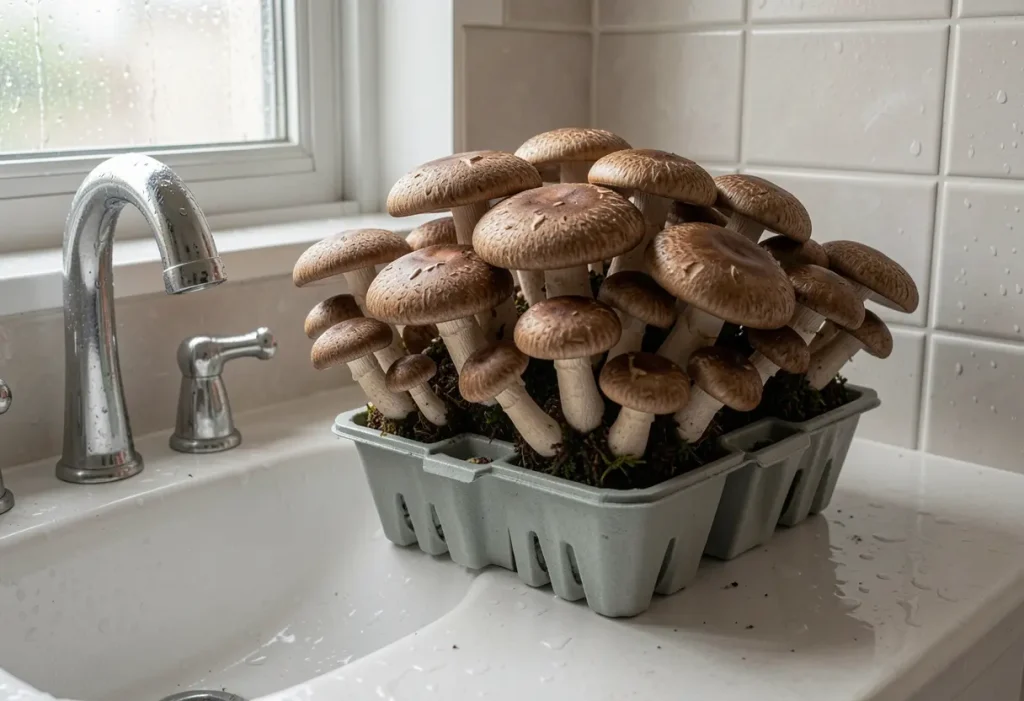
Yes, bathrooms often have the right humidity and low light, which help mushrooms grow effectively.
Oyster and shiitake mushrooms grow well because they need moist, dark places like bathrooms.
Keep the bathroom humid, avoid direct sunlight, and maintain a steady temperature around 65-75°F.
Yes, as long as you use edible spores and keep the area clean to avoid mold.
Mushrooms usually take 1 to 3 weeks to grow fully in a bathroom environment.
Growing mushrooms in your bathroom is simple and practical. The humidity and low light create a great environment. You just need clean containers and mushroom spores. Keep the space clean to avoid mold. Watch your mushrooms daily for growth and moisture.
This small project adds freshness and fun to your home. Anyone can try it, even with little space or experience. Give it a go and enjoy homegrown mushrooms soon. Easy, natural, and rewarding.