Gardening Made Simple.

Have you ever spotted mushrooms popping up in your garden mulch and wondered what they mean? Those small fungi might seem harmless, but understanding Mushrooms Growing in Mulch can reveal a lot about your soil’s health and how your plants are thriving, while also showing you ways to encourage or manage them safely.
If you’re curious about why mushrooms grow in mulch, whether they’re good or bad for your garden, and how to manage them, you’re in the right place. Keep reading to discover the surprising facts about mushrooms in your mulch and learn how to handle them like a pro.
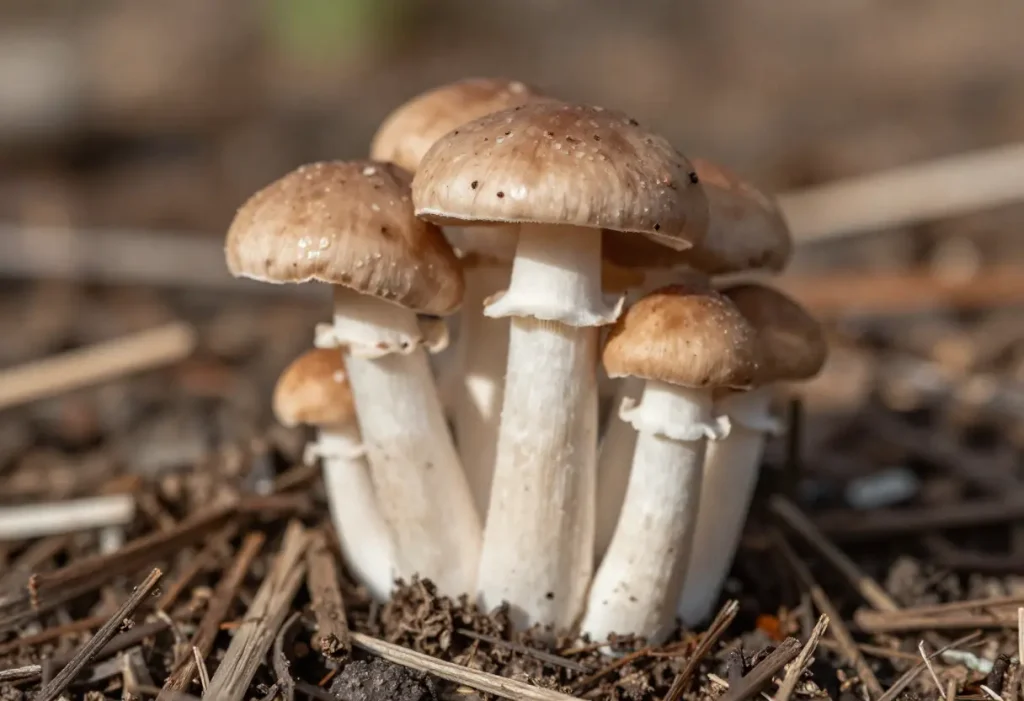
Mushrooms often pop up in mulch, which surprises many gardeners. These fungi are not harmful to plants. Instead, their presence shows natural processes at work. Understanding why mushrooms grow in mulch helps in caring for your garden better.
Fungi break down dead plants and organic matter. They turn old leaves and wood into nutrients. This process enriches the soil and helps plants grow. Mushrooms are the fruiting bodies of fungi. They release spores to spread and continue the cycle.
Mushrooms thrive in moist, shaded, and cool places. Mulch holds water well and stays damp. It also provides plenty of organic material for fungi to feed on. Warm temperatures and lack of sunlight boost mushroom growth. These conditions make mulch an ideal home for mushrooms.
Mushrooms growing in mulch bring many benefits to your garden. They help create a healthy environment for plants and soil. These fungi work quietly underground and show their presence above with small mushroom caps. Their role often goes unnoticed but is very important for garden health.
Understanding these benefits can help you appreciate mushrooms and encourage their growth in your garden mulch.
Mushrooms break down organic matter in mulch. This process releases nutrients into the soil. These nutrients become available for plants to absorb. Mushrooms also help improve soil structure by creating tiny air pockets. This allows roots to breathe and grow better.
Healthy soil supports strong and vibrant plants. Mushrooms play a key role in keeping soil rich and alive.
Mushrooms form partnerships with plant roots called mycorrhizae. This relationship helps plants take in more water and nutrients. In return, plants provide mushrooms with sugars for energy. This teamwork boosts plant growth and health.
Plants with mushroom partners grow faster and resist stress better. This natural aid makes your garden stronger.
Some mushrooms produce chemicals that deter harmful insects and pests. These natural defenses reduce the need for chemical pesticides. Mushrooms can also attract beneficial insects that eat garden pests.
This balanced ecosystem helps protect plants from damage. Mushrooms help keep your garden safe and healthy without harsh chemicals.
Identifying mushrooms growing in mulch requires care. Some mushrooms look alike but differ in safety. Knowing which mushrooms are safe helps prevent illness. Always check key features before touching or eating mulch mushrooms.
Mulch often hosts edible mushrooms like the Shaggy Mane. These mushrooms have tall, white caps that turn black as they age. Another edible type is the Oyster mushroom, which grows in clusters. It has a fan shape and soft texture. These mushrooms can be safely foraged with proper ID.
Many toxic mushrooms resemble edible ones in mulch. The False Morel is one such dangerous mushroom with wrinkled, reddish caps. It can cause serious illness if eaten. Another toxic type is the Green-spored Lepiota, small with greenish spores. Avoid mushrooms with unusual colors or strong smells. When unsure, do not pick or eat mulch mushrooms.
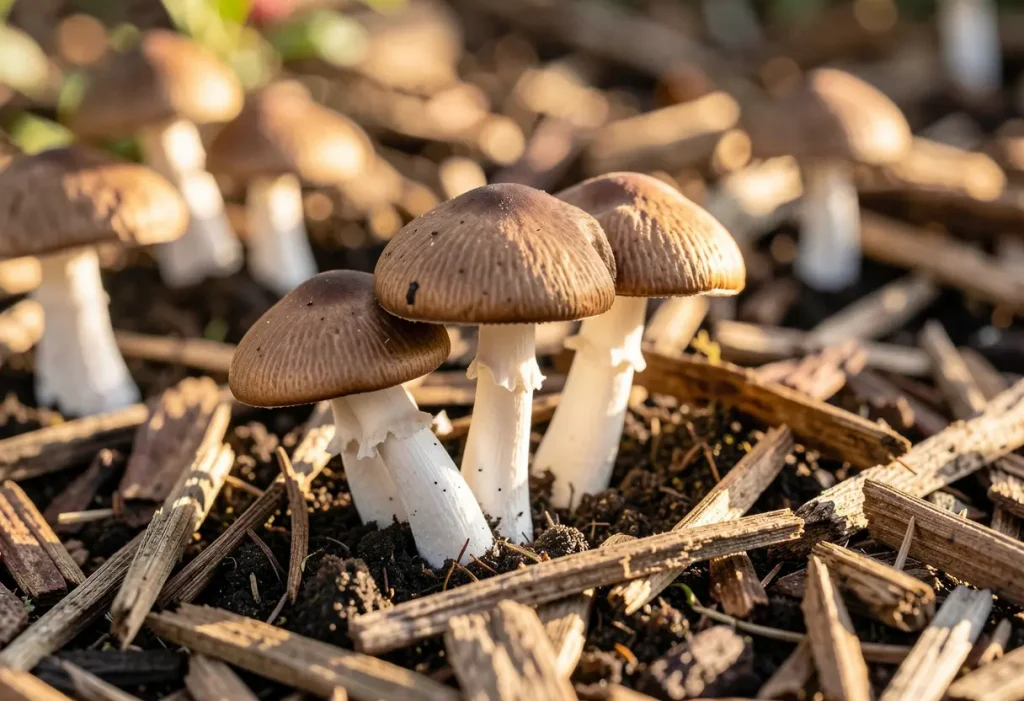
Mushrooms grow naturally in mulch because it provides a perfect home. Mulch keeps the soil moist and rich with nutrients. These conditions help mushrooms to sprout and thrive. You can encourage mushroom growth by choosing the right materials and caring for your mulch properly.
Understanding how to create the best environment in your mulch helps mushrooms grow strong and healthy. Follow simple steps to improve your mulch and enjoy the natural beauty of mushrooms in your garden.
Organic mulches like wood chips, leaves, and straw work best for mushrooms. These materials break down slowly and provide food for fungi. Avoid using rubber or plastic mulches because they do not support mushroom growth. Fresh wood chips from hardwood trees are excellent. They keep the mulch moist and full of nutrients. Mixing different organic materials can also improve mushroom growth.
Mushrooms need a damp and shaded environment to grow well. Water your mulch regularly to keep it moist but not soggy. Too much water can harm mushrooms and cause rot. Place mulch in areas with indirect sunlight or shade. Direct sun dries out the mulch and stops mushrooms from growing. Check your mulch often and water if it feels dry. Shade helps keep the temperature cool, which mushrooms prefer.
Managing mushroom growth in mulch is important for a healthy garden. Mushrooms can appear quickly after rain or watering. Some types are harmless, but others may not look good or could be risky for pets and children. Knowing how to manage mushroom growth helps keep your garden safe and neat. Simple steps can control their spread without harming the soil.
Removing mushrooms properly and disposing of them safely are key parts of this process. Let’s explore when to remove mushrooms and the best ways to get rid of them.
Remove mushrooms as soon as you see them. Fresh mushrooms break down quickly and can spread spores. These spores cause more mushrooms to grow. Removing them early limits the spread. Pay attention after heavy rain or watering. Mushrooms often pop up during these times. Also remove mushrooms if pets or children play nearby. Some mushrooms can be toxic if touched or eaten. Removing them keeps your family safe.
Do not compost mushrooms. Spores can survive and spread in compost piles. Instead, place mushrooms in a plastic bag. Seal the bag tightly to trap spores. Throw the bag in the trash. Avoid tossing mushrooms into garden beds or mulch piles. This can cause more mushrooms to grow. Washing hands after handling mushrooms prevents spore spread. Following these steps helps control mushroom growth safely.
Mushrooms growing in mulch often cause concern. Many people think they harm plants or bring pests. These ideas come from myths, not facts. Understanding the truth helps gardeners care for their gardens better.
Mushrooms are part of nature’s recycling team. They break down dead leaves and wood, turning them into nutrients for the soil. This process helps plants grow strong and healthy.
Mushrooms do not harm plants directly. They grow on decaying matter, not living roots. Their presence means the mulch is breaking down well. This creates rich soil that benefits plants.
Some mushrooms may seem scary but they are safe. They do not steal nutrients from plants. Instead, they help by improving soil health.
Mushrooms do not attract pests like insects or rodents. Most pests are more interested in plants or food scraps. Mushrooms are not a food source for common garden pests.
Sometimes, pests might be around for other reasons. Mushrooms growing in mulch are not the cause. Keeping mulch clean and dry helps reduce pests more effectively.
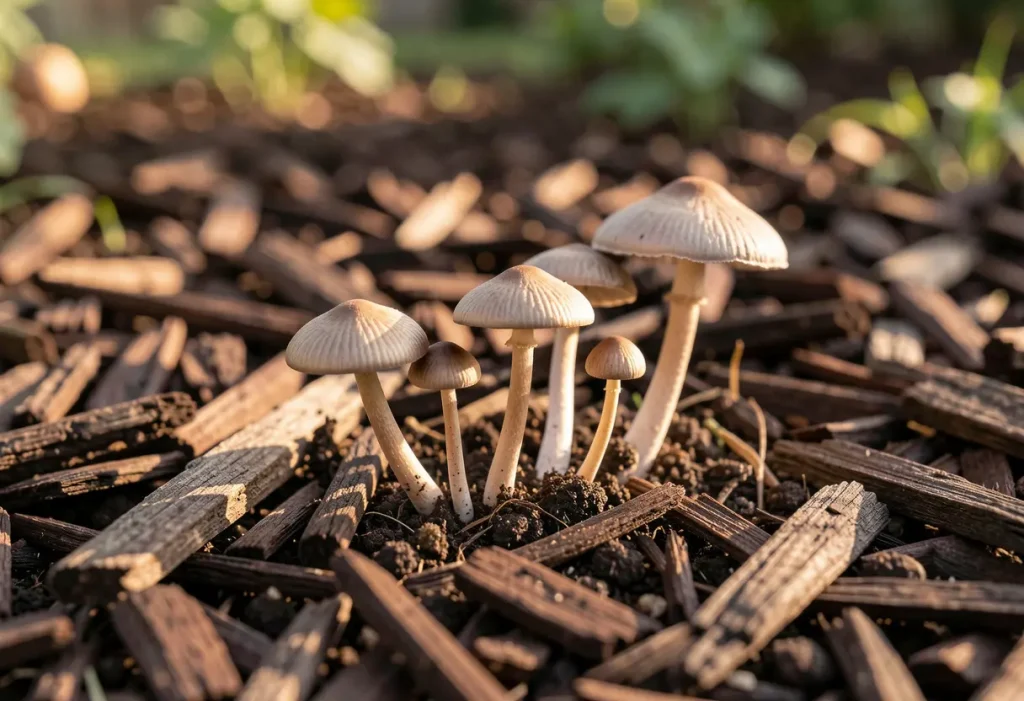
Mushrooms grow in mulch because it is moist and rich in organic matter, ideal for fungi growth.
Most mushrooms in mulch do not harm plants; they help break down organic material and improve soil.
It's unsafe to eat mushrooms from mulch; many can be toxic or cause allergic reactions.
Reduce mulch moisture and improve air circulation to prevent mushroom growth in your garden mulch.
No, mushrooms often indicate healthy soil with good organic matter and moisture levels for plants.
Mushrooms growing in mulch are common and usually harmless. They help break down old leaves and wood. This process returns nutrients to the soil. Not all mushrooms are safe to touch or eat. Keep an eye on your garden and mulch health.
Removing mushrooms is easy if they bother you. Let nature work quietly beneath your plants. Healthy mulch supports strong, happy gardens. Embrace the small fungi as part of life outdoors. They tell a story about your soil’s condition.