Gardening Made Simple.

Are your indoor plants looking tired, discolored, or spotted? You might be dealing with tiny but destructive pests called spider mites. Recognizing the signs of spider mites on indoor plants early is crucial to saving your green friends.
From tiny webbing on leaves to yellow specks and stunted growth, these subtle indicators can help you act before serious damage occurs. In this guide, we’ll show you how to detect spider mites quickly, understand their habits, and take simple steps to protect your indoor garden.
Knowing the signs of spider mites on your plants can save you from losing your green friends. You’ll discover exactly what to look for so you can catch the problem early and keep your plants healthy and thriving. Keep reading to protect your indoor garden before it’s too late.
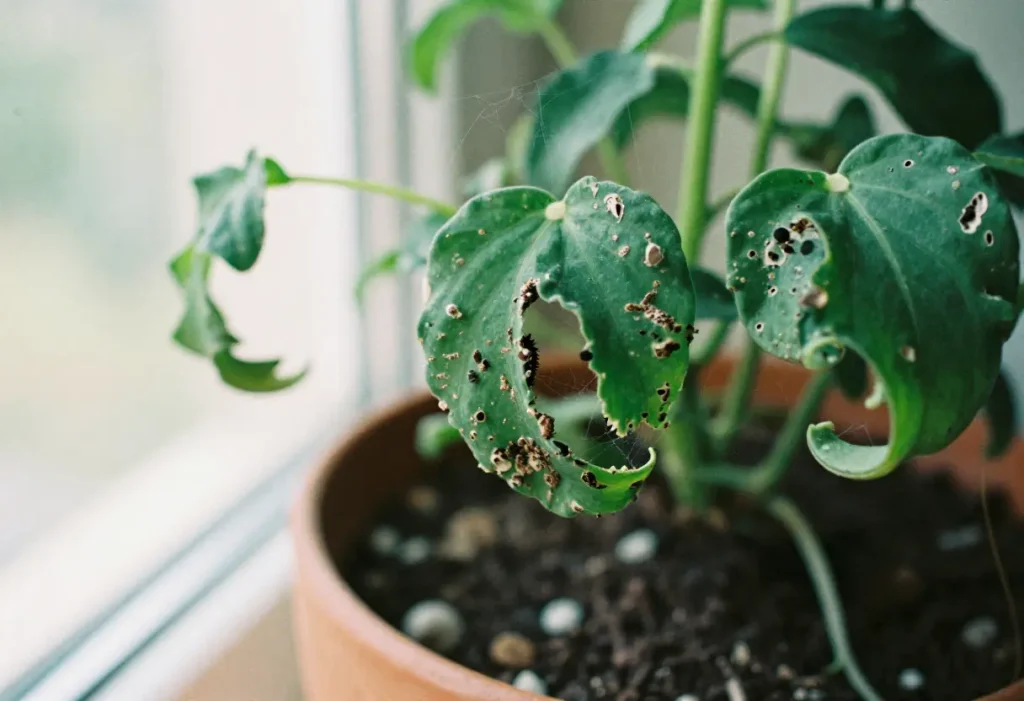
Spider mites are tiny pests that harm indoor plants. They feed on leaf cells, causing visible damage. The signs often appear first on leaves. Knowing these symptoms helps save your plants early.
Leaves show small yellow or white spots. These spots look like tiny speckles across the leaf surface. Over time, the spots grow and merge. This creates a faded, dusty look. Leaves may also turn pale green or yellow.
Spider mites spin fine, thin webs on leaves. These webs are often near leaf joints or undersides. The webbing looks like a soft, white net. It protects the mites and signals their presence. Webs may be hard to see at first.
Leaves start curling at the edges or tips. They may also droop and look limp. This happens because mites suck plant juices. Affected leaves lose strength and moisture. This symptom shows severe mite damage.
Spider mites are tiny pests that harm indoor plants. They feed on plant leaves and stems. Their damage can quickly weaken your plants. Early detection helps protect your plants from severe harm. Understanding the signs of spider mite damage is important. It allows you to act fast and save your plants.
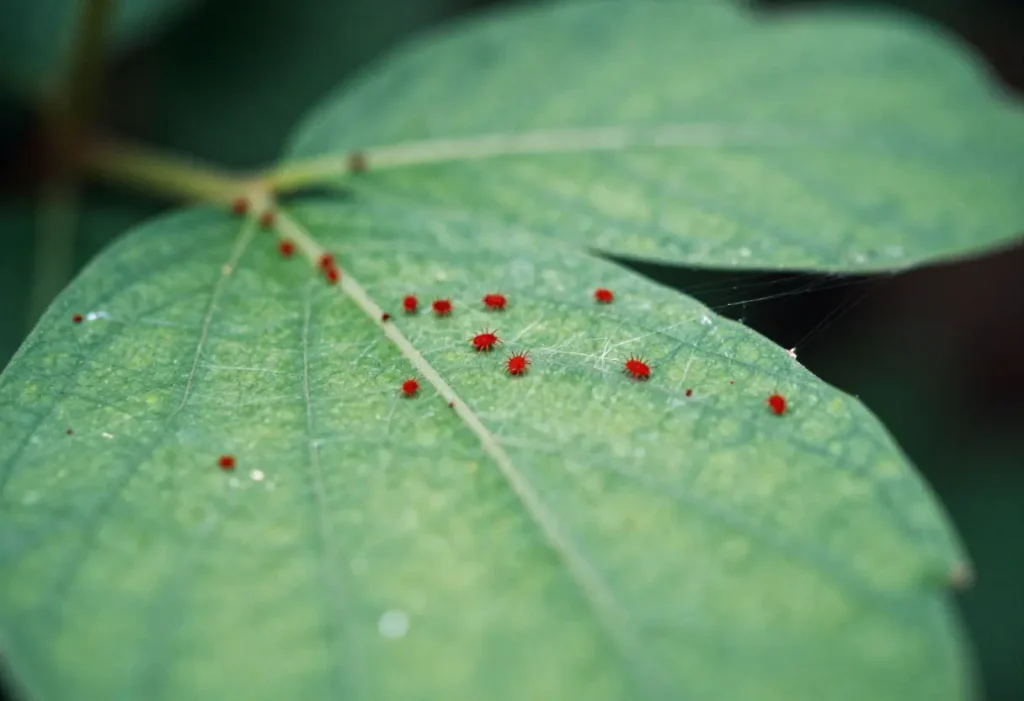
Spider mites are very small, about the size of a grain of pepper. You might see tiny moving dots on the undersides of leaves. These dots are the mites themselves. They often lay tiny, round eggs nearby. Eggs look like small, clear or white spots. Checking leaf undersides with a magnifying glass can help spot these signs.
Spider mites suck sap from leaves, causing tiny light spots. These spots look like speckles or dots on the leaf surface. The damage appears as a fine, stippled pattern. It may look like the leaf is dusted with tiny white or yellow dots. This is an early sign of spider mite activity and damage.
Leaves affected by spider mites often turn yellow or brown. The color change starts at the edges or between veins. Damaged leaves may curl, dry out, and fall off. This shows the plant is stressed and losing its strength. Yellowing and browning are clear signs of heavy spider mite damage.
Detecting spider mites early is key to saving your indoor plants. Using simple tools helps spot these tiny pests fast. This makes treatment easier and more effective. Here are some easy methods to check your plants closely.
A magnifying glass helps see spider mites clearly. These pests are very small, often invisible to the naked eye. Check the undersides of leaves carefully with the glass. Look for tiny moving dots or webbing. This tool makes spotting mites quick and simple.
Place a white paper under a leaf. Gently tap or shake the leaf over the paper. Tiny spider mites will fall onto the paper. They look like small moving dots against the white background. This test is easy and needs no special tools.
Hold the plant over a light-colored surface. Shake the plant gently. Watch for small dust-like specks falling off. These specks can be spider mites or their eggs. This method helps detect infestations early before damage appears.
Environmental clues help identify spider mite problems early on. These tiny pests thrive under certain conditions. Knowing these clues helps protect your indoor plants. Watch your plant's surroundings closely.
Spider mites love dry air and soil. Low humidity makes plants stressed and weak. Dry leaves attract spider mites quickly. They multiply fast in dry environments. Increasing moisture can slow their growth.
High humidity usually keeps spider mites away. Moist air can reduce their numbers naturally. But too much humidity can cause other plant problems. Mold and fungus may grow on plants. Balance humidity to keep plants healthy and pest-free.
Spider mites appear more in winter and early spring. Indoor heating dries the air during these months. Plants lose moisture faster in heated rooms. Check plants often during colder months. Early detection stops infestations before they spread.
Preventing spider mites on indoor plants is easier than treating an infestation. Taking simple steps can keep your plants healthy and pest-free. Early care helps avoid damage and saves time. Follow these key measures to protect your indoor greenery.
Check your plants often for signs of spider mites. Look under leaves and on stems for tiny moving dots. Yellow or white spots on leaves can also signal mites. Catching problems early stops spread and damage. Use a magnifying glass for better viewing. Inspect all plants, even those that look healthy.
Spider mites thrive in dry air. Keep indoor humidity levels between 40% and 60%. Use a humidifier or place water trays near plants. Misting leaves can help but avoid overwatering. Proper moisture makes your plants less attractive to mites. Healthy plants resist pests better and grow stronger.
Remove dust and debris from leaves regularly. Wipe leaves gently with a damp cloth. This removes eggs and small mites hiding on plants. Quarantine new plants for two weeks before placing them with others. Isolation prevents mites from spreading. Clean pots and tools before reuse to avoid contamination.
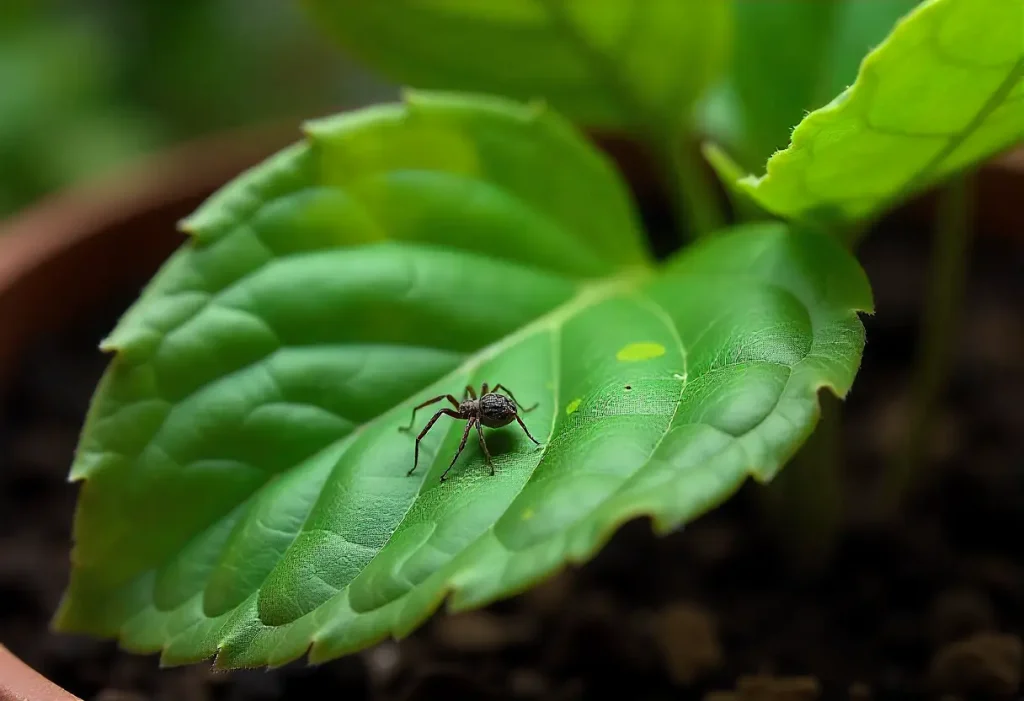
Look for tiny white or yellow spots on leaves and fine webbing between branches.
They suck sap from leaves, causing yellowing, drying, and leaf drop.
Spider mites are very small but can sometimes be seen as tiny moving dots.
Dry air and dusty leaves create a perfect place for spider mites to grow.
Spider mites can spread fast, damaging many leaves in just a few days.
Spider mites can harm your indoor plants quickly. Watch for tiny webs and speckled leaves. Yellowing or dropping leaves often mean these pests are present. Catching signs early helps stop damage fast. Treat your plants gently but firmly. Healthy plants grow stronger and resist pests better.
Stay alert and check plants often. Small actions protect your green space. Keep your indoor garden safe and thriving.