Gardening Made Simple.

Leafy vegetables are one of the healthiest and easiest types of vegetables to grow. They are primarily grown for their edible leaves rather than fruits or seeds, making them fast-growing and beginner-friendly. From spinach and kale to lettuce and arugula, leafy greens are packed with vitamins, minerals, and antioxidants that support overall health. They are perfect for fresh salads, smoothies, sandwiches, and home-cooked meals.
Growing leafy vegetables in your garden or containers is a rewarding experience. They are versatile, can thrive in small spaces, and provide a constant supply of fresh greens when properly cared for. In this guide, we will cover the benefits of leafy vegetables, popular types, growing tips, common problems, and harvesting advice.
Leafy vegetables are packed with nutrients, making them essential for a healthy diet. They are rich in vitamins A, C, and K, folate, and minerals like iron and calcium. Eating leafy greens regularly supports heart health, boosts immunity, improves digestion, and promotes healthy skin. Many leafy vegetables are also low in calories and high in fiber, which helps maintain a healthy weight.
Growing your own leafy vegetables ensures that you have fresh, chemical-free greens. Homegrown leaves are more flavorful and nutritious compared to store-bought options. The fast-growing nature of these vegetables allows for continuous harvesting, so you can enjoy a steady supply throughout the season.
There are several popular leafy vegetables that are commonly grown in home gardens:
Each type has its own flavor, texture, and growing requirements, giving gardeners plenty of options to suit their taste and space.
Spinach is a leafy green vegetable rich in iron, vitamins, and antioxidants, making it a powerhouse for a healthy diet. Its tender, flavorful leaves are popular in salads, smoothies, soups, and cooked dishes. Spinach comes in varieties like Savoy, Flat-Leaf, and Baby Spinach, each with unique textures and flavors.
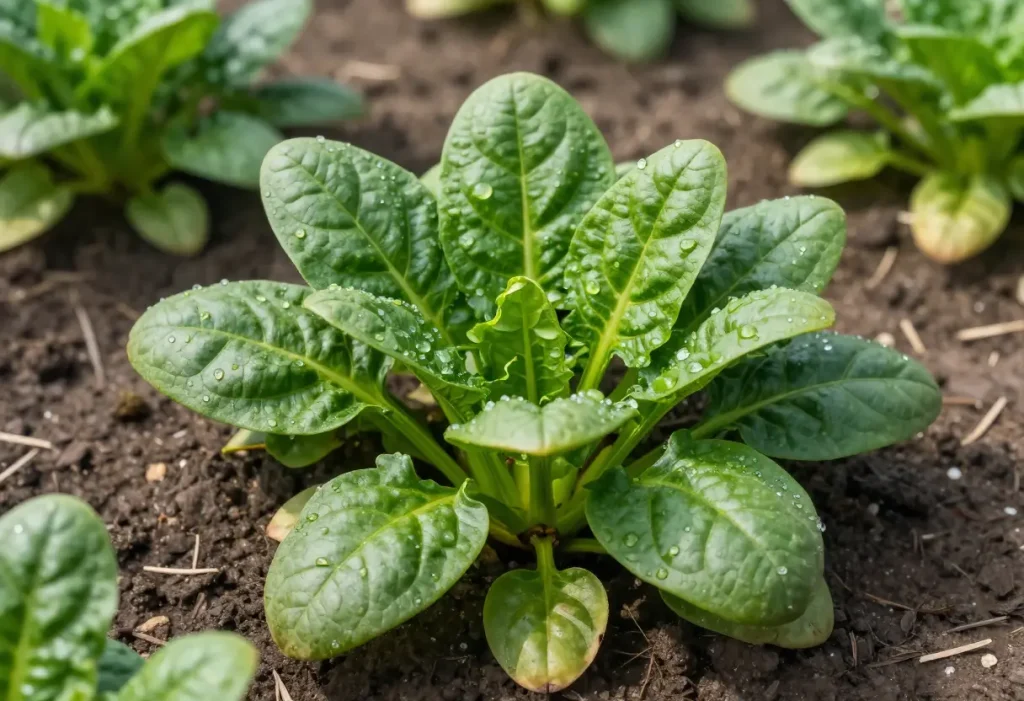
Known for its vibrant green color, spinach adds freshness and nutrition to any meal. Low in calories but high in essential nutrients, it is a favorite choice for health-conscious eaters. This versatile vegetable is celebrated worldwide for its taste and nutritional benefits.
Spinach grows best in cool weather. It thrives in early spring and late summer. Avoid planting during hot months. Frost-tolerant varieties can survive light freezes. Cool temperatures prevent early flowering (bolting) and keep leaves tender.
Spinach seeds are small and oval. Soak seeds in water for 12–24 hours before planting. This speeds up germination. Use certified seeds to prevent disease. Treat with mild fungicide in damp conditions.
Spinach prefers loose, loamy soil with good drainage. Enrich soil with compost or aged manure. Nitrogen-rich fertilizers encourage leafy growth. Avoid waterlogged soil. Proper soil preparation ensures healthy leaves.
Spinach grows best in full sun to partial shade. Ideal temperature is 50–70°F. Too much heat causes early bolting. Shade during hot afternoons keeps leaves tender. Proper sunlight encourages steady growth.
Keep soil moist but not soggy. Water in the morning. Mulch helps retain moisture. Remove damaged leaves. Regular care ensures continuous leaf production.
Aphids and leaf miners attack leaves. Downy mildew may develop in humid conditions. Bolting occurs in high temperatures. Yellowing leaves indicate nutrient deficiency. Removing affected leaves prevents further damage.
Spray neem oil or mild soap solution. Improve airflow to prevent mildew. Provide shade during heat waves. Remove infected leaves promptly. Organic treatments maintain healthy plants.
Harvest outer leaves 30–45 days after planting. Leave the center for regrowth. Morning harvest ensures crisp leaves. Regular picking encourages new growth. Avoid harvesting too late to prevent bitterness.
Kale is a nutrient-dense leafy green vegetable packed with vitamins A, C, and K, as well as minerals like calcium and iron. Its curly or flat leaves are versatile for salads, smoothies, soups, and sautés. Known for its slightly bitter yet earthy flavor, kale adds a healthy punch to any meal.
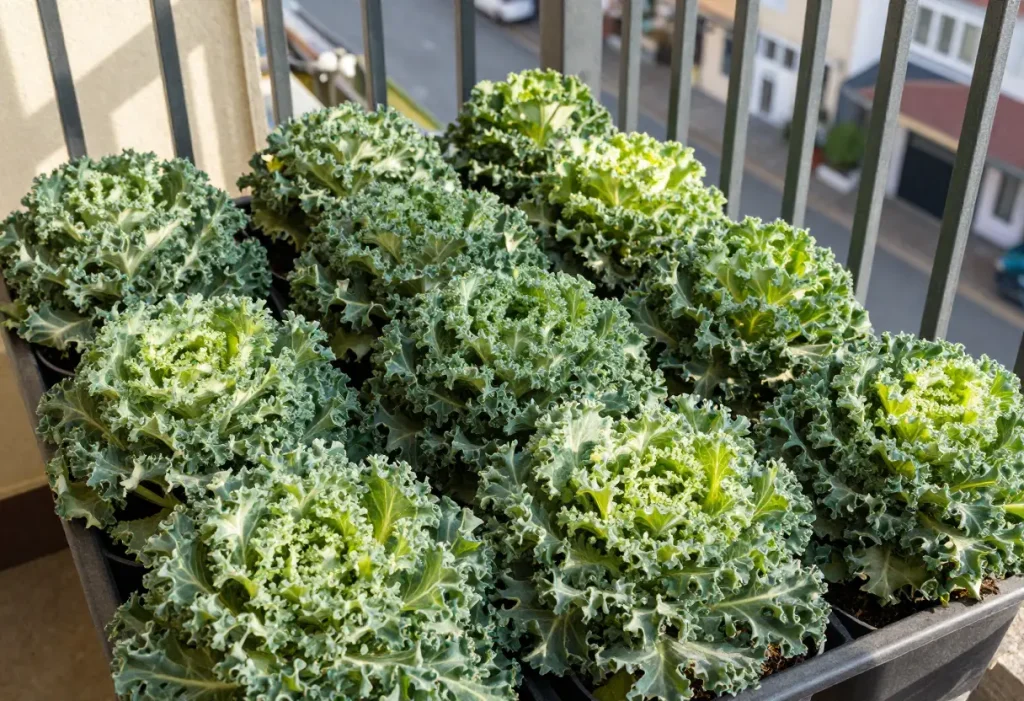
Popular varieties include Curly Kale, Lacinato (Dinosaur) Kale, and Red Russian Kale, each with unique textures and colors. Low in calories and high in antioxidants, kale supports overall health and immunity. This superfood vegetable is a favorite among health enthusiasts and home cooks alike.
Kale thrives in cool weather and tolerates light frost. Plant in early spring or fall. Frost improves leaf flavor. Avoid planting in hot midsummer. It can survive temperatures down to 20°F.
Kale seeds are small, round, and germinate in 5–10 days. Soak overnight to improve germination. Use certified seeds for better yields. Treat with fungicide in wet soil. Sow in prepared beds.
Fertile, well-drained soil is best. Add compost or balanced fertilizer. Nitrogen promotes leaf growth. Avoid waterlogged areas. Regular feeding supports continuous production.
Full sun is ideal; partial shade is acceptable. Temperature 55–75°F promotes growth. Shade during heat prevents bolting. Proper sunlight encourages strong, dark leaves.
Deep water once or twice a week. Mulch preserves moisture and keeps soil cool. Remove damaged leaves. Regular care prevents stress and promotes leafy growth.
Cabbage worms and flea beetles chew leaves. Powdery mildew may appear. Yellowing leaves signal nutrient deficiency. Remove pests promptly. Proper spacing improves airflow.
Handpick pests or use organic sprays. Improve airflow to reduce mildew. Provide shade during high heat. Remove infected leaves. Consistent care ensures healthy plants.
Harvest outer leaves 50–60 days after planting. Leave the center intact. Mature leaves are firm and dark green. Regular harvesting encourages new growth. Frost improves sweetness.
Lettuce is a crisp, refreshing leafy green that is widely used in salads, sandwiches, and wraps. It comes in popular varieties like Romaine, Butterhead, Iceberg, and Leaf Lettuce, each offering unique textures and flavors. Low in calories but rich in vitamins A and K, lettuce supports healthy digestion and overall wellness.
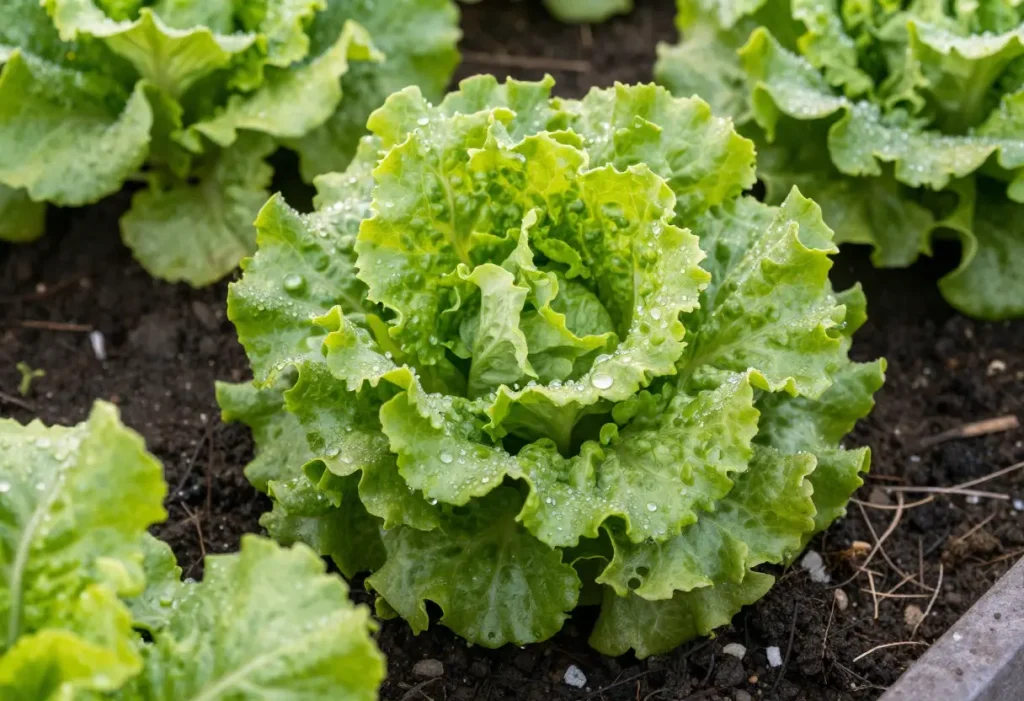
Its tender leaves add a fresh, vibrant touch to any dish, making it a staple in kitchens worldwide. Lettuce is easy to enjoy raw or lightly cooked, providing both nutrition and versatility for everyday meals.
Lettuce grows best in cool weather. Plant early spring or late summer. Avoid heat to prevent bolting. Cool nights promote tender leaves. Quick-growing varieties mature in 30–40 days.
Lettuce seeds are tiny, germinate in 7–10 days. Soak briefly in warm water. Use disease-resistant seeds for better success. Treat with organic fungicide in damp soil. Sow thinly for easy thinning later.
Loose, fertile, well-drained soil is ideal. Add compost for steady growth. Light nitrogen feeding improves leaf size and color. Avoid over-fertilization to prevent bitterness.
Partial to full sun works best. Ideal temperature 55–70°F. Shade in hot afternoons prevents bolting. Proper sunlight ensures crisp, tender leaves.
Keep soil consistently moist. Water gently to avoid leaf damage. Mulch retains moisture and reduces weeds. Remove yellow or damaged leaves. Frequent care promotes fast growth.
Slugs and snails damage tender leaves. Tip burn may occur with inconsistent watering. Bolting happens in heat. Row covers protect seedlings. Remove affected leaves promptly.
Use organic slug control. Maintain even watering. Provide shade during hot days. Remove damaged leaves. Fertilize lightly to prevent nutrient stress.
Harvest outer leaves 30–40 days after planting. Cut entire head for full harvest. Morning picking ensures crispness. Frequent harvesting promotes new growth. Avoid overgrown leaves to prevent bitterness.
Swiss Chard is a colorful leafy green vegetable known for its vibrant stems and nutrient-rich leaves. Packed with vitamins A, C, and K, as well as minerals like magnesium and potassium, it supports overall health and strong bones. Swiss Chard comes in varieties such as Rainbow Chard, Fordhook Giant, and Bright Lights, each offering unique colors and textures.
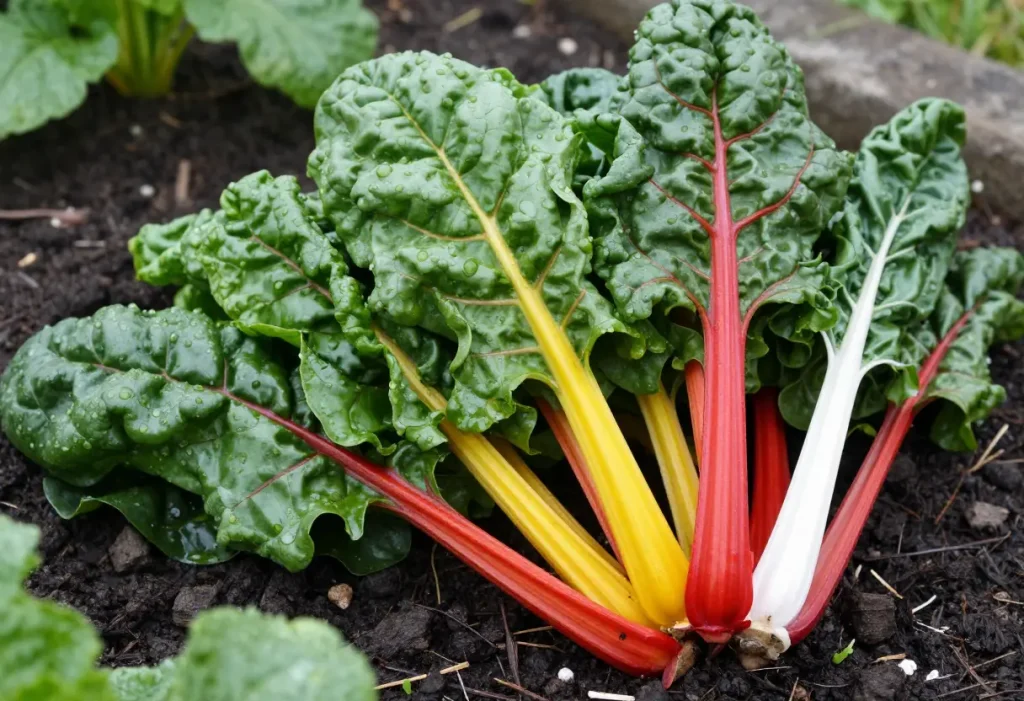
Its slightly earthy and mild flavor makes it perfect for sautés, soups, and salads. Low in calories but high in antioxidants, Swiss Chard is a versatile superfood that adds both nutrition and visual appeal to any meal.
Swiss chard tolerates heat better than most greens. Plant in spring or fall. It can grow through summer with proper care. Does well in cool or mild climates.
Swiss chard seeds are large, germinate in 7–14 days. Soak for a few hours before sowing. Use certified seeds for strong growth. Treat with mild fungicide if soil is damp. Sow in prepared soil beds.
Rich, well-drained soil is ideal. Compost or balanced fertilizer helps maintain leaf quality. Avoid waterlogging. Monthly feeding promotes continuous harvest. Proper soil ensures vibrant, healthy leaves.
Full sun to partial shade works best. Ideal temperature 50–75°F. Shade in extreme heat prevents leaf bitterness. Proper sunlight encourages strong stems and leaves.
Water deeply once a week. Mulch retains moisture and controls weeds. Remove damaged leaves promptly. Regular care ensures continuous leaf growth. Keep spacing adequate for airflow.
Leaf miners and aphids may attack. Root rot can occur in wet soil. Yellowing leaves indicate nutrient deficiency. Remove pests and damaged leaves. Proper care prevents most problems.
Use neem oil or organic sprays for pests. Improve airflow to reduce fungal infections. Remove infected leaves. Provide consistent watering. Healthy soil supports strong growth.
Harvest outer leaves 6–8 inches long. Use cut-and-come-again for continuous production. Young leaves are tender and ideal for salads. Regular harvesting promotes new growth. Avoid harvesting all leaves at once.
Collard greens are a leafy green vegetable packed with vitamins A, C, and K, as well as calcium and fiber for strong bones and healthy digestion. Known for their slightly bitter, earthy flavor, they are commonly used in Southern cooking, soups, stews, and sautés.
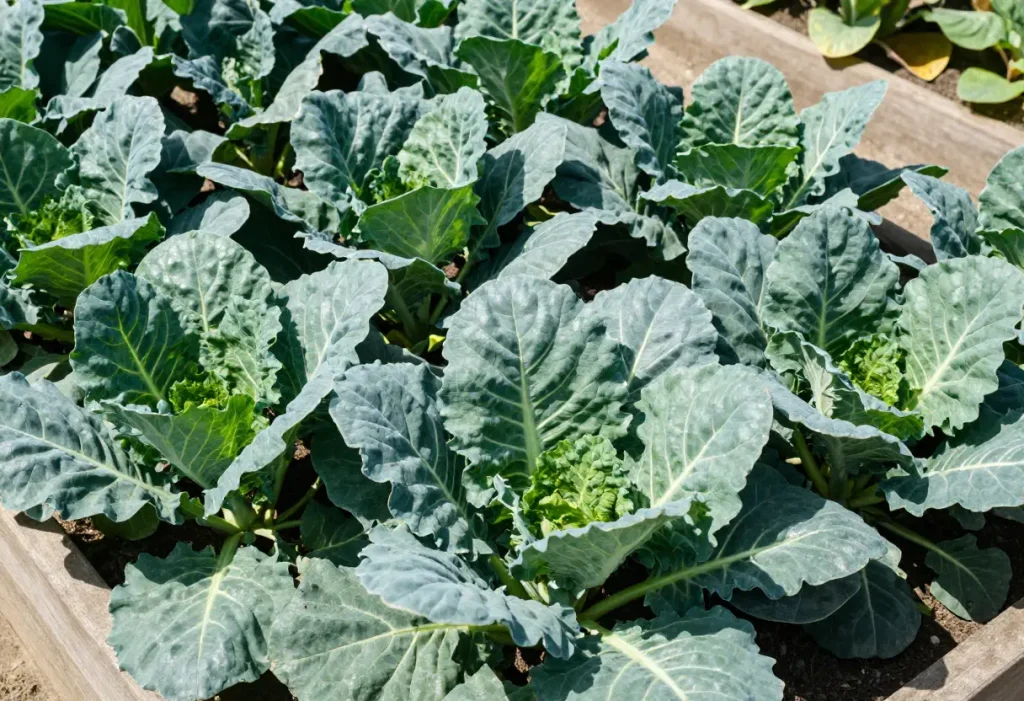
Collard greens are hardy and nutrient-dense, making them a favorite for health-conscious eaters. Their large, dark green leaves add both texture and nutrition to meals. Low in calories but rich in antioxidants, collard greens are a versatile and wholesome addition to any diet.
Collard greens prefer cool weather. Plant in early spring or fall. Tolerates light frost. Can grow for months with regular care. Avoid hot summer planting.
Collard seeds are medium-sized, germinate in 7–14 days. Soak overnight for faster germination. Use certified seeds for uniform growth. Treat with organic fungicide if soil is wet.
Deep, fertile soil is ideal. Nitrogen-rich fertilizers support leafy growth. Apply monthly for steady production. Compost improves soil health. Avoid waterlogged areas.
Full sun is preferred. Temperature 55–75°F is ideal. Provide partial shade in hot conditions. Proper sunlight ensures large, tender leaves.
Deep watering 1–2 times per week. Mulch preserves moisture. Remove yellow or damaged leaves. Regular care supports continuous harvest. Maintain spacing for airflow.
Cabbage loopers and aphids may attack leaves. Black rot can appear in poorly drained soil. Remove infected leaves promptly. Proper spacing and watering prevent most issues.
Handpick pests or use organic sprays. Improve airflow to reduce disease. Provide shade in hot weather. Fertilize lightly. Remove affected leaves immediately.
Harvest outer leaves regularly, leaving center intact. Leaves remain productive for months. Morning harvest preserves flavor. Large leaves are great for cooking, young leaves for salads.
Arugula is a leafy green vegetable known for its peppery, slightly spicy flavor that adds zest to salads, sandwiches, and pasta dishes. Rich in vitamins A, C, and K, as well as calcium and antioxidants, arugula supports overall health and immunity.
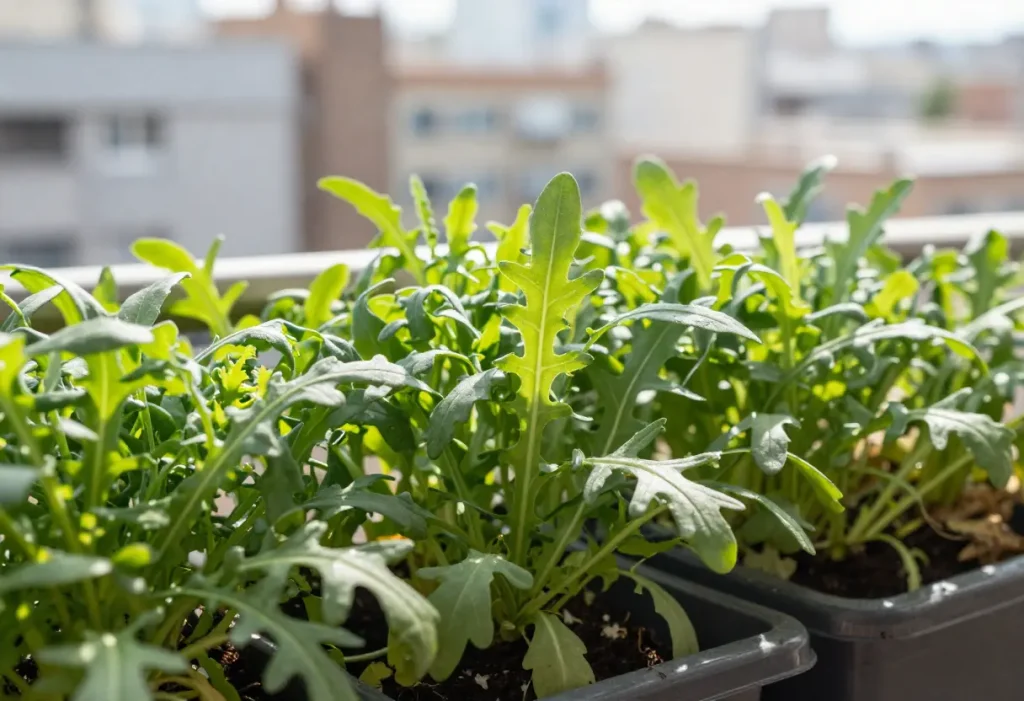
This tender green comes in small, delicate leaves that provide a fresh, vibrant touch to any meal. Popular in Mediterranean cuisine, arugula is low in calories but packed with nutrition, making it a favorite for health-conscious eaters. Its unique taste and versatility make arugula a must-have green in both home gardens and kitchens.
Arugula grows best in cool weather. Plant early spring or fall. Avoid heat, which causes rapid bolting. Cool nights improve flavor. Fast-growing, ready in 20–30 days.
Arugula seeds are small and round. Germinate in 5–10 days. Soak briefly to speed germination. Use fresh, disease-free seeds. Sow thinly for easy thinning later.
Light, loose soil with compost works best. Light feeding encourages tender leaves. Avoid over-fertilization, which causes bitterness. Well-drained soil ensures strong growth.
Partial sun to light shade works best. Ideal temperature 50–70°F. Shade in hot afternoons to prevent bolting. Proper sunlight promotes flavorful leaves.
Keep soil moist for fast growth. Water regularly, avoiding wet leaves. Mulch helps retain moisture. Remove yellow or damaged leaves. Regular care ensures continuous harvest.
Flea beetles and leaf spots are common. Bolting occurs in heat. Yellowing leaves indicate nutrient deficiency. Remove damaged leaves promptly. Proper care prevents most issues.
Use row covers or organic sprays for pests. Improve airflow to prevent fungal infections. Provide shade in hot weather. Fertilize lightly if needed. Remove infected leaves immediately.
Harvest young leaves 20–30 days after sowing. Use cut-and-come-again for continuous growth. Morning harvest preserves crispness. Avoid letting leaves get too old. Regular picking encourages new leaves.
Leafy vegetables are plants grown mainly for edible leaves, such as spinach, kale, lettuce, Swiss chard, collard greens, and arugula.
Water 2–3 times per week, keeping soil consistently moist but not soggy.
Loamy, fertile, well-drained soil enriched with compost or organic matter is ideal.
Yes, most leafy vegetables grow well in containers with sunlight and regular watering.
Harvest early in the morning when leaves are fresh. Frequent harvesting encourages continuous growth.