Gardening Made Simple.

Root vegetables are a group of plants that store nutrients in their underground parts. Unlike leafy greens, we eat the roots, which are packed with vitamins, minerals, and fiber. They are staples in many cuisines worldwide and are versatile in cooking—from roasting and steaming to salads and soups.
What Are Root Vegetables is a common question for beginner gardeners, and these crops are easy to grow with the right soil, sunlight, and care. Popular root vegetables include carrots, beets, radishes, turnips, parsnips, sweet potatoes, and potatoes, all producing healthy, flavorful roots in your garden.
Each root vegetable has its own characteristics and growing requirements.
Understanding each type helps in selecting the right crops for your climate, soil, and garden space.
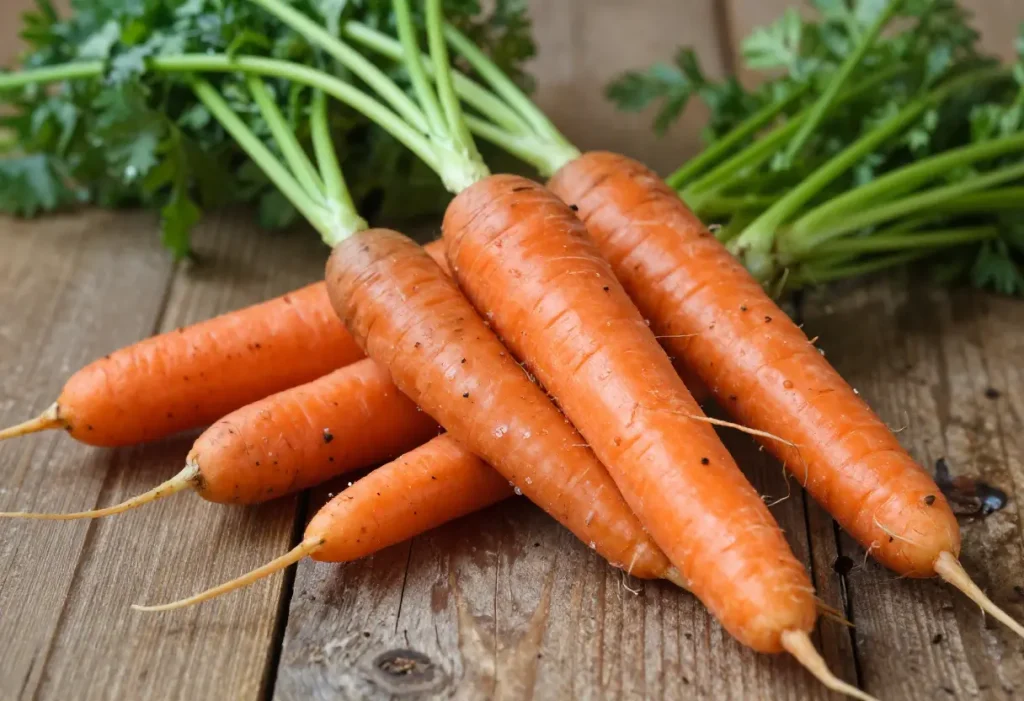
Carrots are a popular root vegetable known for their vibrant orange color and sweet, crisp flavor. Packed with beta-carotene, vitamins A, C, and K, and fiber, they support eye health, immunity, and digestion. Carrots come in varieties like Nantes, Imperator, and Chantenay, each with unique shapes and sizes. They can be enjoyed raw, cooked, or juiced, making them a versatile addition to salads, soups, and snacks. Low in calories but rich in essential nutrients, carrots are a staple vegetable in kitchens and gardens worldwide.
Carrots prefer cool weather and grow best in spring and fall. They need consistent soil moisture for proper root development. Avoid planting in hot summers, which can cause bolting.
Soak carrot seeds for 6–8 hours to improve germination. Use fresh seeds, as older seeds may grow slowly. Thin seedlings to prevent overcrowding. Plant in prepared loose soil beds.
Loose, sandy, well-draining soil is ideal. Avoid heavy clay, which can distort roots. Incorporate compost before planting. Avoid high nitrogen fertilizer, which produces lush tops but poor roots.
Full sun is best for carrots. Ideal temperature is 55–75°F. Provide shade in hot regions. Proper sunlight ensures sweet, firm roots.
Keep soil consistently moist. Water gently to avoid washing out seeds. Mulching reduces moisture loss. Remove weeds carefully to prevent root damage.
Carrot fly larvae may tunnel into roots. Cracking occurs due to irregular watering. Fungal diseases like powdery mildew may appear. Overcrowding produces small roots.
Use row covers to prevent pests. Water evenly to prevent cracking. Remove affected roots. Apply organic fungicide if needed. Rotate crops annually to reduce disease.
Harvest 70–80 days after sowing, depending on variety. Loosen soil with a fork before pulling. Morning harvest preserves sweetness. Do not leave too long to prevent woody roots.
Beets are a nutrient-rich root vegetable known for their deep red color and naturally sweet, earthy flavor. Packed with vitamins A, C, and B-complex, along with minerals like iron, potassium, and magnesium, beets support heart health, digestion, and overall wellness. Beets can be eaten raw, roasted, boiled, or juiced, and their tender greens are also edible and highly nutritious. Popular varieties include Red Detroit, Golden, and Chioggia (Candy Stripe) beets. Low in calories but rich in antioxidants, beets are a versatile vegetable that adds both color and nutrition to any meal.
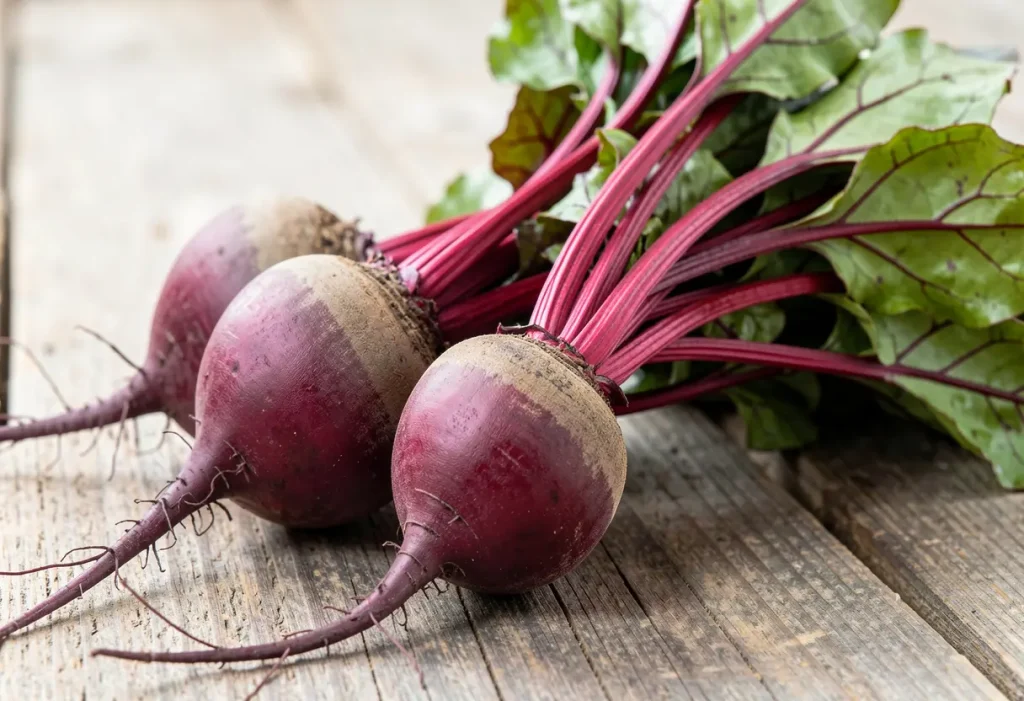
Beets grow best in cool weather. Plant in early spring or late summer. Avoid hot periods, which cause tough roots. Regular watering improves root size and color.
Beet seeds are often in clusters. Separate seeds before planting for even growth. Soak seeds briefly in water to speed germination. Sow in loose, prepared soil.
Loamy, fertile soil with good drainage is ideal. Add compost for nutrients. Avoid excessive nitrogen to prevent lush leaves with small roots. Fertile soil produces smooth, thick roots.
Full sun is ideal; partial shade is acceptable. Temperature 50–70°F is best. Protect from heat to avoid tough roots. Adequate sunlight ensures rich color and sweetness.
Keep soil evenly moist. Mulch to retain water and reduce weeds. Thin seedlings to 3–4 inches apart. Remove damaged leaves. Consistent care improves root quality.
Leaf miners and aphids may attack. Fungal diseases like downy mildew occur in damp conditions. Roots may split due to uneven watering. Overcrowding produces small roots.
Handpick pests or use organic sprays. Remove infected leaves. Ensure proper spacing and drainage. Apply mulch to reduce disease. Rotate crops annually to prevent soil-borne issues.
Harvest 50–70 days after sowing. Loosen soil before pulling roots. Baby beets are tender and flavorful. Mature roots are excellent for cooking and storage.
Radishes are crisp, peppery root vegetables that add a refreshing crunch to salads, sandwiches, and pickles. Rich in vitamin C, fiber, and antioxidants, they support digestion, immunity, and overall health. Radishes come in a variety of types, including Red Globe, Daikon, and Watermelon Radish, each with unique flavors and colors. Low in calories but full of nutrients, radishes are a versatile vegetable that can be eaten raw, roasted, or pickled. Their vibrant appearance and distinctive taste make them a favorite in gardens and kitchens worldwide.
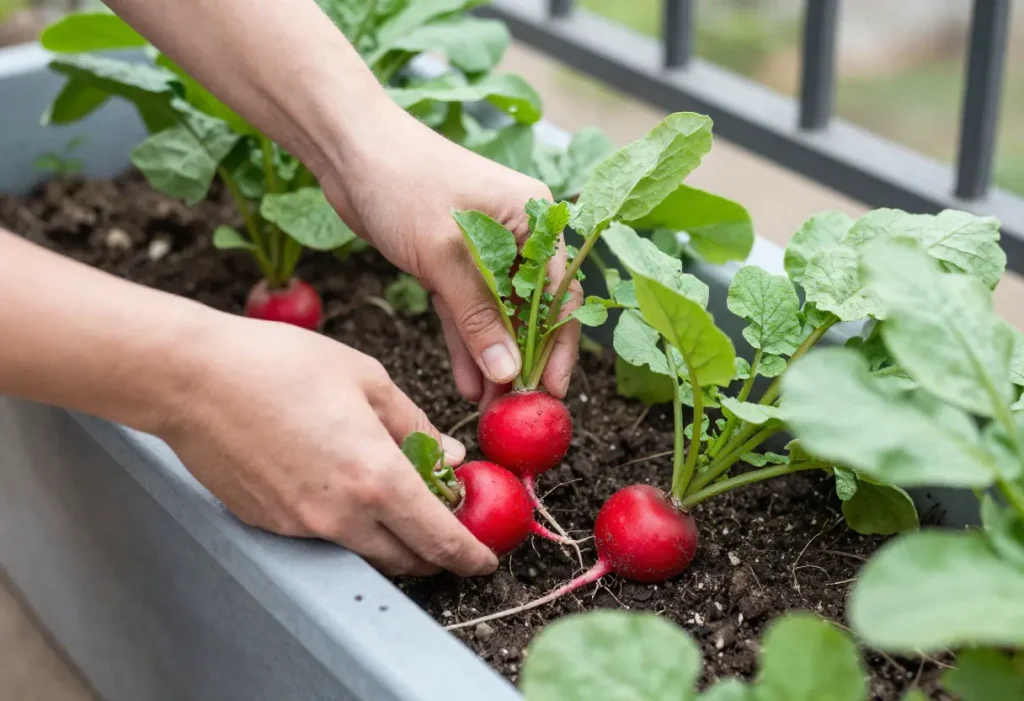
Radishes grow quickly in cool weather. Plant in early spring or late summer. Avoid hot midsummer planting. They mature rapidly, often in 25–40 days.
Radish seeds are tiny. Soak briefly to improve germination. Sow directly into prepared soil. Thin seedlings to prevent crowding.
Loose, sandy soil is ideal. Add compost for nutrients. Avoid heavy nitrogen to prevent leafy tops and small roots. Well-prepared soil ensures straight, tender radishes.
Full sun is best; partial shade is acceptable. Ideal temperature 50–70°F. Radishes tolerate cooler weather better than heat. Proper sunlight enhances root color and flavor.
Keep soil consistently moist. Mulch to conserve water. Remove weeds carefully. Quick-growing roots need consistent care to avoid splitting.
Flea beetles and root maggots attack radishes. Cracking occurs from uneven watering. Overcrowding produces small, misshapen roots. Leaf yellowing may occur in nutrient-poor soil.
Use row covers for pests. Water evenly to avoid cracking. Remove affected roots. Apply organic fungicide if needed. Rotate crops to prevent soil pests.
Harvest 25–40 days after planting. Pull roots gently. Baby radishes are tender, mature roots are larger and spicier. Frequent harvesting encourages continuous production.
Turnips are root vegetables known for their mild, slightly sweet flavor and crisp texture. Packed with vitamins C and K, fiber, and antioxidants, they support immunity, digestion, and overall health. Turnips come in varieties like Purple Top, Tokyo Cross, and Hakurei, each offering unique flavors and sizes. Both the roots and the tender greens are edible and highly nutritious. Low in calories but rich in essential nutrients, turnips are versatile for roasting, boiling, mashing, or adding to soups and stews, making them a valuable addition to any diet.
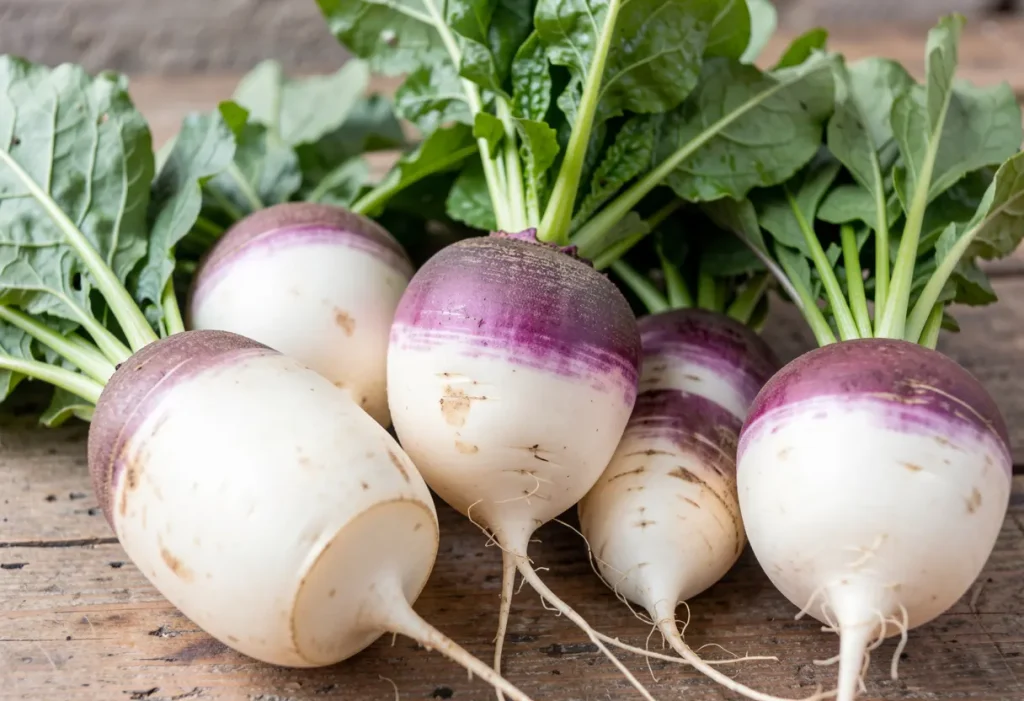
Turnips grow best in cool weather. Plant in early spring or late summer. They mature in 40–60 days. Avoid hot temperatures to prevent woody roots.
Soak seeds briefly to improve germination. Sow directly in loose soil. Thin seedlings to 3–4 inches apart. Use fresh seeds for quick growth.
Fertile, well-drained soil with compost is ideal. Avoid heavy nitrogen. Balanced nutrients produce smooth roots. Loose soil ensures straight growth.
Full sun is preferred. Ideal temperature 50–70°F. Shade during heat prevents tough roots. Proper sunlight ensures tender, flavorful roots.
Keep soil evenly moist. Mulch retains moisture and reduces weeds. Remove damaged leaves. Consistent care ensures smooth, tender roots.
Root maggots and aphids attack plants. Fungal diseases may appear in damp conditions. Overcrowding produces small roots. Yellow leaves indicate nutrient deficiency.
Use row covers for pests. Remove affected leaves. Apply organic sprays if needed. Rotate crops to reduce soil-borne issues. Ensure proper spacing.
Harvest 40–60 days after sowing. Pull gently to avoid breaking roots. Baby turnips are tender, mature roots are firmer. Early morning harvest ensures sweetness.
Parsnips are sweet, starchy root vegetables closely related to carrots, known for their creamy-white color and nutty flavor. Rich in fiber, vitamins C and K, and minerals like potassium, parsnips support digestion, immunity, and heart health. They can be roasted, boiled, mashed, or added to soups and stews, offering versatile culinary uses. Low in calories but nutrient-dense, parsnips are a wholesome addition to a balanced diet. Their unique flavor and nutritional benefits make them a popular choice in home gardens and kitchens worldwide.
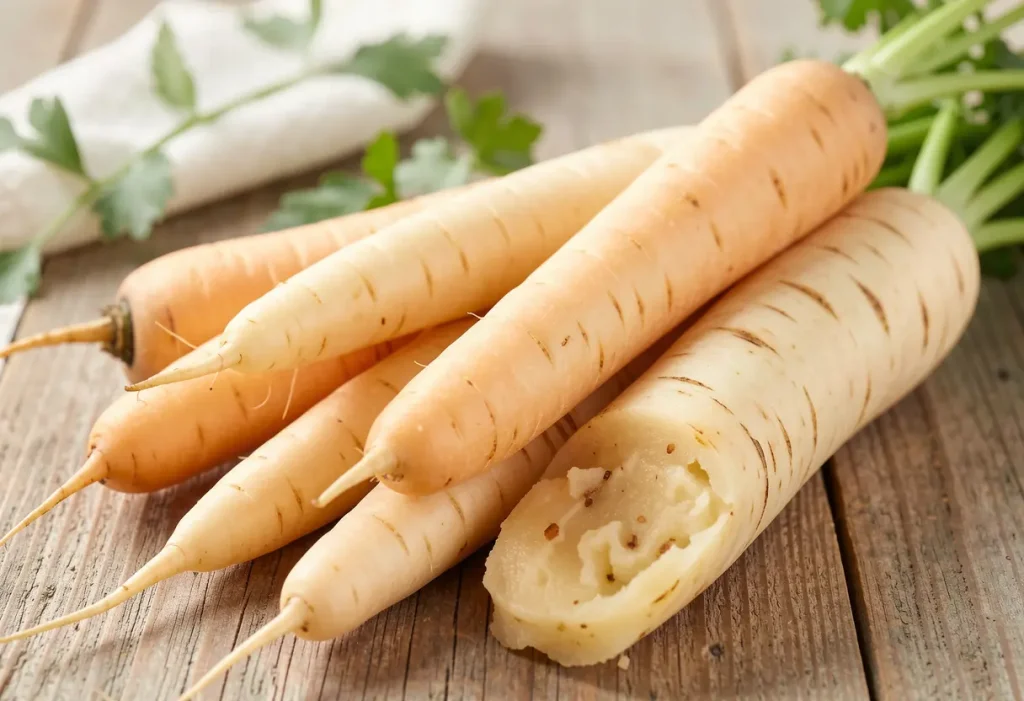
Parsnips grow best in cool weather. Plant in early spring for fall harvest. They require a long growing season of 120–150 days. Frost enhances their sweetness.
Soak seeds 12–24 hours before planting. Sow directly in loose soil. Thin seedlings to 3–4 inches apart. Use fresh seeds for better germination.
Deep, sandy, well-drained soil is ideal. Add compost to improve fertility. Avoid high nitrogen, which favors leafy tops. Loose soil ensures long, straight roots.
Full sun is best. Ideal temperature 55–70°F. Shade in extreme heat prevents bolting. Proper sunlight ensures sweet, flavorful roots.
Keep soil consistently moist. Mulch conserves water and controls weeds. Remove damaged leaves. Regular care promotes smooth root development.
Carrot flies and root maggots may attack. Fungal diseases may appear in wet soil. Overcrowding produces small roots. Yellowing leaves indicate nutrient deficiency.
Use row covers to prevent pests. Remove infected plants. Apply organic sprays if needed. Rotate crops annually. Keep soil loose for healthy growth.
Harvest 120–150 days after planting. Pull carefully to avoid breaking. Frost improves sweetness. Early morning harvest preserves flavor. Mature roots are firm and long.
Sweet potatoes are nutritious root vegetables known for their naturally sweet flavor and vibrant orange flesh. Packed with beta-carotene, vitamins A and C, fiber, and antioxidants, they support eye health, immunity, and digestion. Sweet potatoes come in varieties like Beauregard, Jewel, and Garnet, each offering unique taste and texture. They can be baked, roasted, boiled, or mashed, making them versatile for a wide range of dishes. Low in calories but rich in essential nutrients, sweet potatoes are a staple in kitchens and gardens around the world.
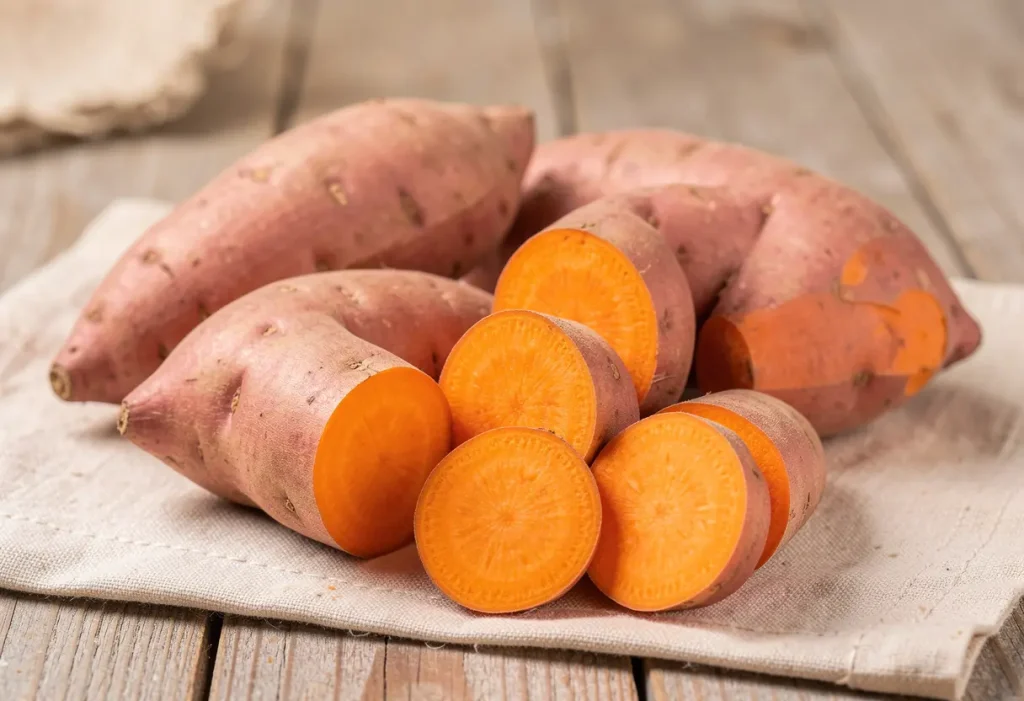
Sweet potatoes grow best in warm weather. Plant in late spring after frost. They require 90–120 days to mature. Avoid cool temperatures during growth.
Sweet potatoes grow from slips, not seeds. Root slips for 3–4 weeks before planting. Use healthy slips from disease-free roots. Prepare loose, fertile soil for planting.
Sandy, well-drained soil is ideal. Incorporate compost for fertility. Avoid excess nitrogen to prevent leafy tops. Proper soil ensures large, smooth roots.
Full sun is essential. Temperature 70–85°F is ideal. Avoid frost. Proper sunlight promotes fast growth and sweetness.
Water consistently but avoid waterlogging. Mulch retains moisture. Remove weeds carefully. Regular care promotes uniform, healthy roots.
Sweet potato weevils and nematodes can damage roots. Fungal diseases appear in wet soil. Overcrowding produces small roots. Yellowing leaves indicate stress.
Use pest-free slips. Apply organic sprays if needed. Rotate crops annually. Remove affected plants promptly. Maintain well-drained soil.
Harvest 90–120 days after planting. Dig carefully to avoid bruising. Cure roots in warm, dry place for 7–10 days. Early morning harvest preserves quality.
Potatoes are versatile root vegetables that are a staple in kitchens worldwide, known for their mild flavor and starchy texture. Packed with vitamins C and B6, potassium, and fiber, they support heart health, digestion, and overall nutrition. Popular varieties include Russet, Yukon Gold, and Red Pontiac, each suited for different cooking methods like baking, boiling, roasting, or frying. Low in fat but nutrient-rich, potatoes can be enjoyed in countless dishes from mashed potatoes to soups and stews. Their adaptability and nutritional benefits make potatoes a favorite in both gardens and households.
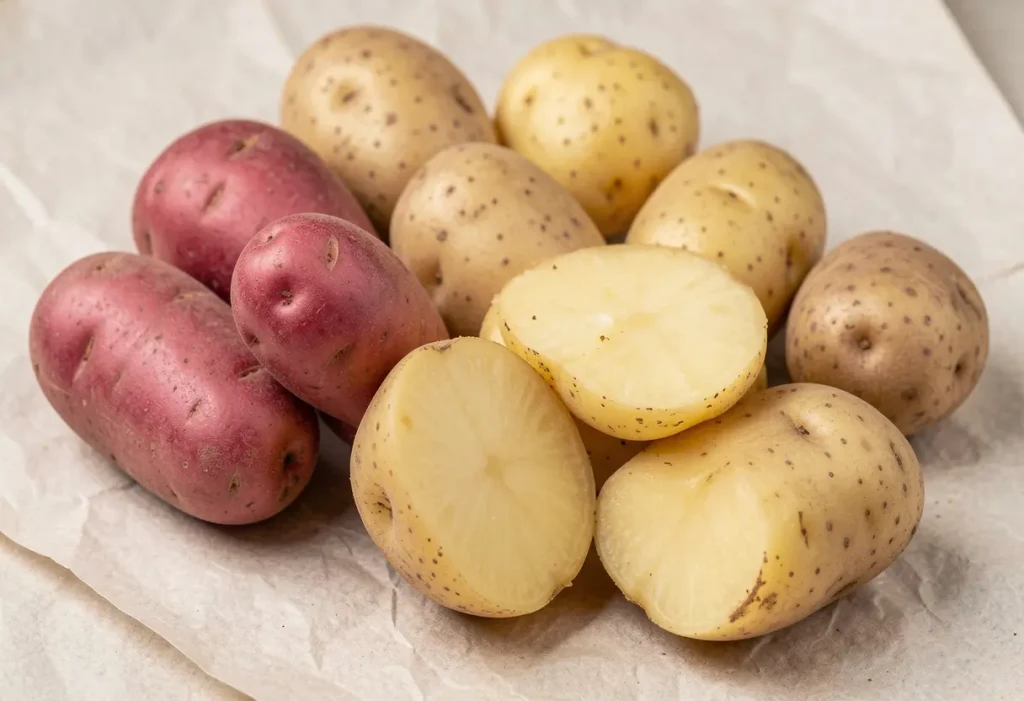
Potatoes grow best in cool weather. Plant in early spring after frost. Avoid hot temperatures. Maturity takes 70–120 days depending on variety.
Use certified seed potatoes. Cut into pieces with 1–2 eyes each. Let cuts dry for 24 hours. Plant in loose, prepared soil.
Well-drained, fertile soil is best. Add compost before planting. Avoid excess nitrogen. Fertile soil ensures healthy, large tubers.
Full sun is essential. Ideal temperature 60–70°F. Avoid frost or extreme heat. Proper sunlight promotes tuber development.
Keep soil evenly moist. Hill soil around stems to support tubers. Mulch reduces weeds. Regular care improves yield and tuber size.
Potato beetles, blight, and scab may attack. Yellowing leaves indicate nutrient deficiency. Overwatering causes rot. Remove affected plants promptly.
Handpick pests or use organic sprays. Rotate crops to prevent disease. Ensure proper spacing. Remove infected tubers. Maintain well-drained soil.
Harvest 70–120 days after planting. Dig gently to avoid damage. Early harvest produces new potatoes. Mature potatoes can be stored for months.
Root vegetables are plants that store nutrients in their underground parts. They include carrots, beets, radishes, turnips, parsnips, sweet potatoes, and potatoes. They are rich in vitamins, fiber, and minerals.
Keep the soil consistently moist but not soggy. Water 2–3 times per week, depending on weather and soil type. Even watering prevents cracking and promotes healthy roots.
Loose, well-drained, fertile soil enriched with compost is ideal. Sandy or loamy soil prevents misshapen roots and allows for straight, smooth growth.
Yes! Deep containers work best for carrots, parsnips, and radishes. Potatoes and sweet potatoes need large, deep beds or containers for proper tuber development.
Harvest depends on the crop. Radishes mature in 25–40 days, carrots in 70–80 days, and parsnips or sweet potatoes in 90–150 days. Pull roots gently and harvest in the morning for freshness.
Use crop rotation, proper spacing, and pest-resistant varieties. Mulch to retain moisture, remove damaged leaves, and apply organic pest control when needed.
Yes, but balance is key. Use compost or balanced fertilizers. Avoid excessive nitrogen, which encourages leafy tops but reduces root quality.