Gardening Made Simple.
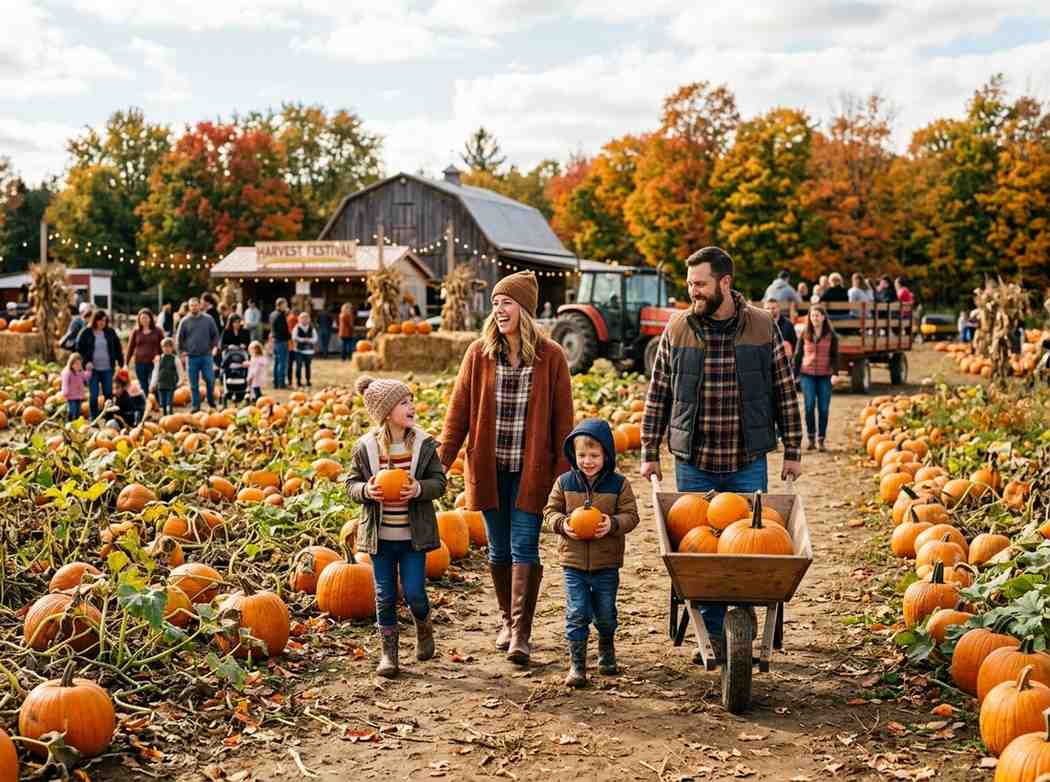
Pumpkin season is more than just a time for carving jack-o’-lanterns or baking pies—it marks the transition from summer’s warmth to autumn’s cool embrace. If you have ever wondered When is Pumpkin Season, why pumpkins are so closely associated with fall, or the best time to plant them for a successful harvest, you are not alone.
Understanding the pumpkin growing and harvesting cycle can help you enjoy the freshest pumpkins at just the right time.
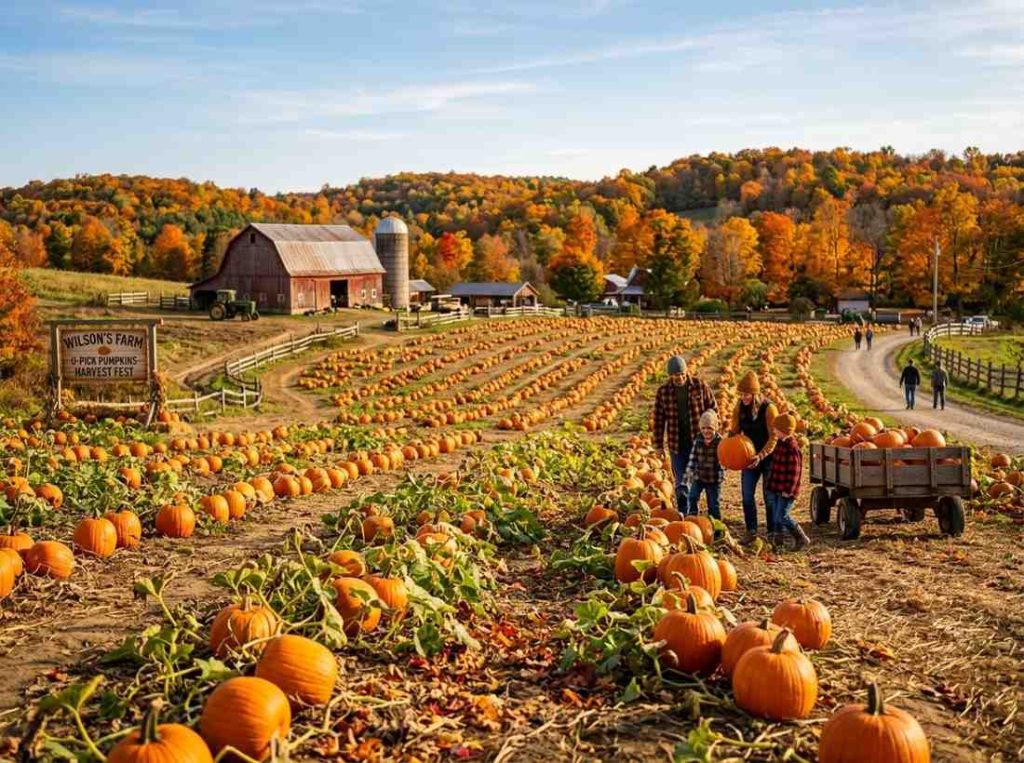
Understanding pumpkin season can help you make better choices, whether you are a gardener, chef, or just someone who loves the festive spirit of autumn.
Pumpkin season refers to the time of year when pumpkins are harvested, most abundant, and widely used. In the United States and many other countries, this season is strongly connected to autumn, especially the months of September, October, and November. During this period, pumpkins are everywhere: grocery stores, farms, festivals, and even decorations.
Pumpkins are a type of winter squash, but their bright orange color and unique shape make them stand out. They are used for food, decoration, and cultural events. The season is not just about picking pumpkins—it’s about celebrating nature’s cycle and enjoying traditions.
To understand pumpkin season, it helps to know how pumpkins grow. Pumpkins are warm-weather plants. They need a long growing season, usually between 75 and 120 days from planting to harvest. This means that the exact timing depends on where you live and your local climate.
Most gardeners plant pumpkin seeds in late spring—usually May or June. This gives the plants enough time to grow before the colder months arrive. Pumpkins do not like frost, so seeds are planted after the last frost date.
As the plants grow, they produce large leaves and vines. Flowers appear, and soon after, small green pumpkins start to form. Over several weeks, these pumpkins grow larger and turn orange. By late summer, the fruit begins to ripen.
Harvesting typically happens in September and October. If you want pumpkins for Halloween or Thanksgiving, you need to pick them before the first hard frost. In warmer regions, harvest can stretch into November.
Here’s a clear comparison of the pumpkin growth timeline in two different US climates:
| Region | Planting Month | Harvest Month | Days to Maturity |
|---|---|---|---|
| Northern US | Late May | Late September–October | 90–120 |
| Southern US | Early June | October–November | 75–100 |
The connection between pumpkins and autumn goes deeper than just harvest timing. Pumpkins are a symbol of the fall harvest in North America and many other regions. Their bright orange color matches the changing leaves. Festivals like Halloween and Thanksgiving feature pumpkins as decorations and in dishes.
During autumn, pumpkin-flavored products appear everywhere—from coffee drinks to candles. According to the USDA, more than 1.5 billion pounds of pumpkins are produced in the US each year, with the majority harvested in September and October.
Pumpkins are grown worldwide, but the timing of pumpkin season differs by country and climate. In the US, pumpkin season is synonymous with fall, but in other regions, it may be tied to different months.
Here’s a quick comparison of pumpkin season across different countries:
| Country | Peak Season | Main Uses |
|---|---|---|
| United States | September–November | Halloween, Thanksgiving, food |
| Canada | September–October | Thanksgiving, Halloween, food |
| Australia | August–November | Food, festivals |
| UK | October | Halloween, food |
If you want to buy or pick pumpkins during their peak, there are a few things to look for. The best pumpkins are fresh, firm, and have a deep orange color.
Pumpkin season brings a wave of recipes. From pies to soups, pumpkins are a versatile ingredient. Fresh, in-season pumpkins have better flavor and texture than canned or out-of-season ones.
Pumpkins are low in calories and rich in vitamin A, fiber, and antioxidants. Eating pumpkin during the season is not just tasty—it’s healthy.
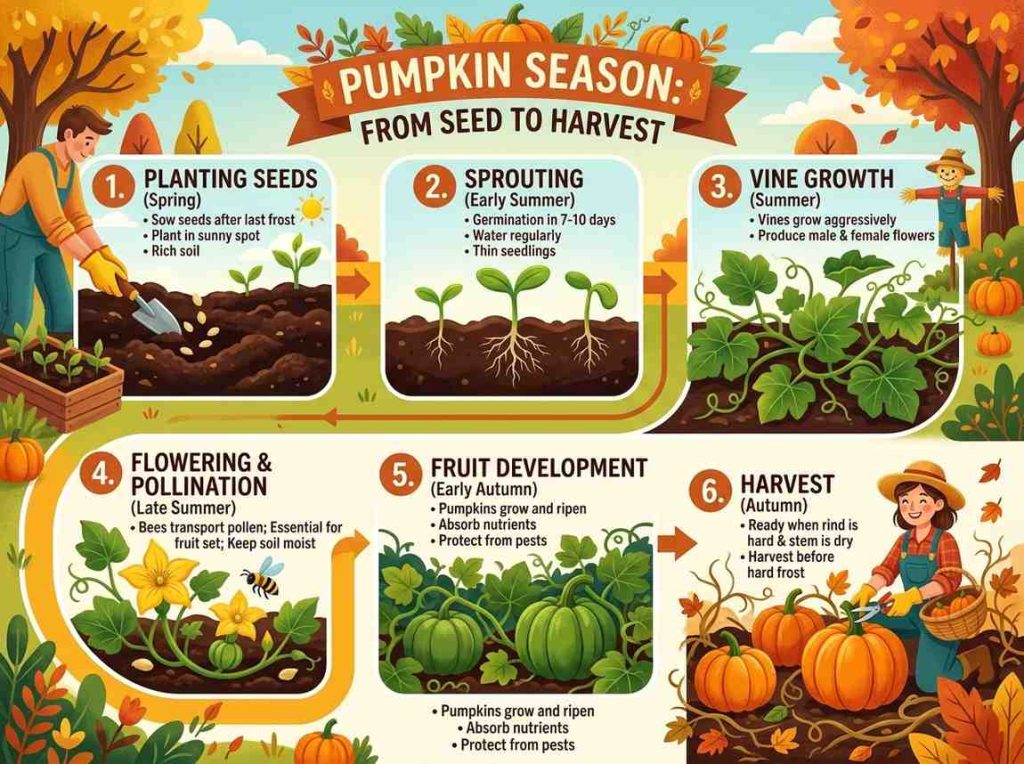
If you want to grow pumpkins, timing is everything. Planting too early or too late can ruin your harvest.
Pumpkin season is a time for celebration. Across the US and other countries, festivals mark the harvest with parades, contests, and food.
At these events, you can see pumpkins of all sizes, try pumpkin foods, and join activities like pumpkin carving or seed spitting. Visiting a festival is a fun way to experience pumpkin season.
Pumpkin season is not just about tradition—it’s also about biology. Pumpkins are sensitive to temperature and sunlight. The length of daylight in autumn helps trigger ripening. Cooler nights promote the deep orange color.
The US is the world’s largest pumpkin producer, with Illinois growing about 40% of all pumpkins for processing. Yield depends on weather, soil, and farming practices.
There are dozens of pumpkin varieties, each with its own season and use. Some are bred for carving, others for eating.
| Variety | Days to Maturity | Main Use | Season |
|---|---|---|---|
| Jack-O’-Lantern | 90–100 | Carving | September–October |
| Sugar Pumpkin | 100–110 | Baking | October–November |
| Miniature | 85–95 | Decoration | September–October |
| Giant Pumpkin | 120–150 | Contests | October |
Knowing the variety helps you plan the timing—some mature faster, others take longer.
Pumpkin farming is generally low-impact, but large-scale production can affect the environment. Growing pumpkins uses land, water, and energy. Transporting pumpkins from farms to stores adds to carbon emissions.
Many pumpkins are grown for decoration, then thrown away. Composting pumpkins is a better choice than landfill. Some cities collect pumpkins after Halloween for compost.
Many people think pumpkin season is only about Halloween and pies. But there are some less obvious facts:
Whether you want to cook, decorate, or grow pumpkins, planning ahead is key. Here are some practical ideas:
If you grow pumpkins, mark the days to maturity on your calendar. For shopping, buy pumpkins in peak season for freshness and lower prices.
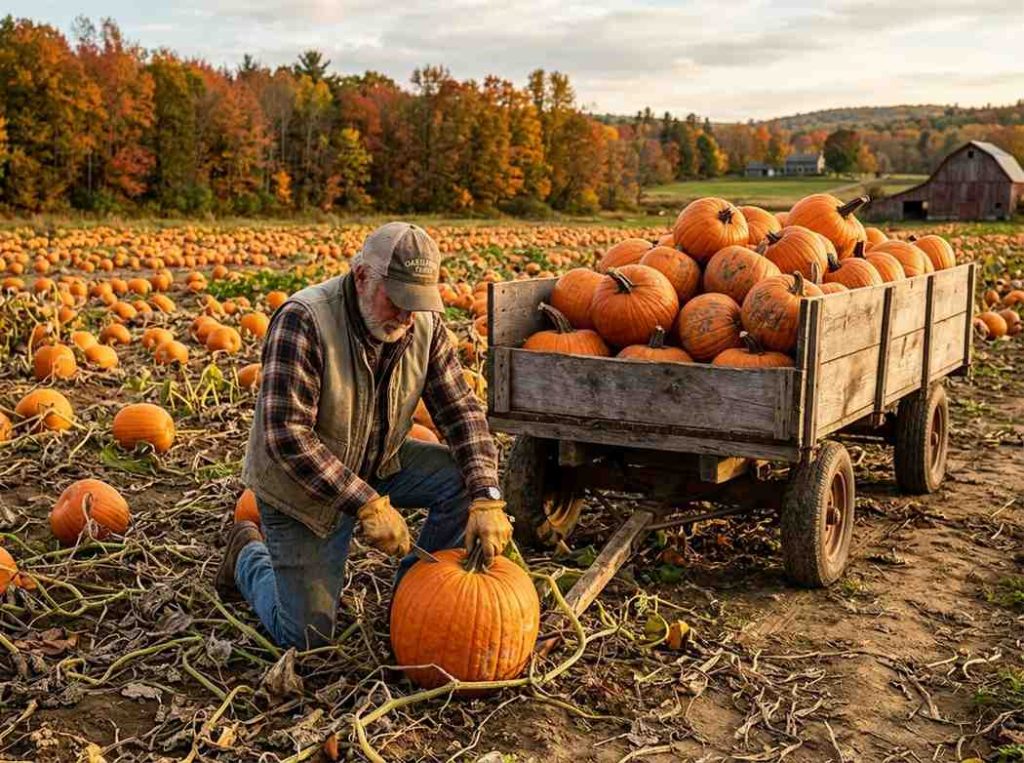
The best time to buy pumpkins is late September to October. Pumpkins are freshest after harvest and prices are lower due to supply. For carving, buy a week or two before Halloween to avoid spoilage. For cooking, select sugar pumpkins at their peak in October.
A healthy, uncut pumpkin can last 2–3 months if stored in a cool, dry place. Avoid stacking pumpkins or placing them in damp spots. Once carved or cut, pumpkins spoil quickly—usually within a week.
Yes, you can grow pumpkins if you have space and the right climate. Plant seeds after the last spring frost, give them room to spread, and water regularly. Choose a variety suited to your region and needs. Watch for pests and harvest before frost.
Pumpkins are available year-round in some stores, but they are best in autumn. Out-of-season pumpkins may be imported and less fresh. Canned pumpkin is available year-round and is good for baking.
Pumpkins are a type of squash, but their season is tied to autumn and specific traditions like Halloween and Thanksgiving. Other squashes, like zucchini, peak in summer. The main difference is timing and use—pumpkins are celebrated in fall, squashes vary by type.
Pumpkin season is a special time each year, bringing color, flavor, and tradition to homes and communities. By understanding the timing, choosing the right pumpkins, and using them wisely, you can make the most of this season. Whether you grow your own, visit a festival, or simply enjoy a slice of pie, pumpkin season is worth celebrating. For deeper insights about pumpkin agriculture and history, visit Wikipedia. Enjoy the pumpkin season and all the richness it brings to autumn!