Gardening Made Simple.
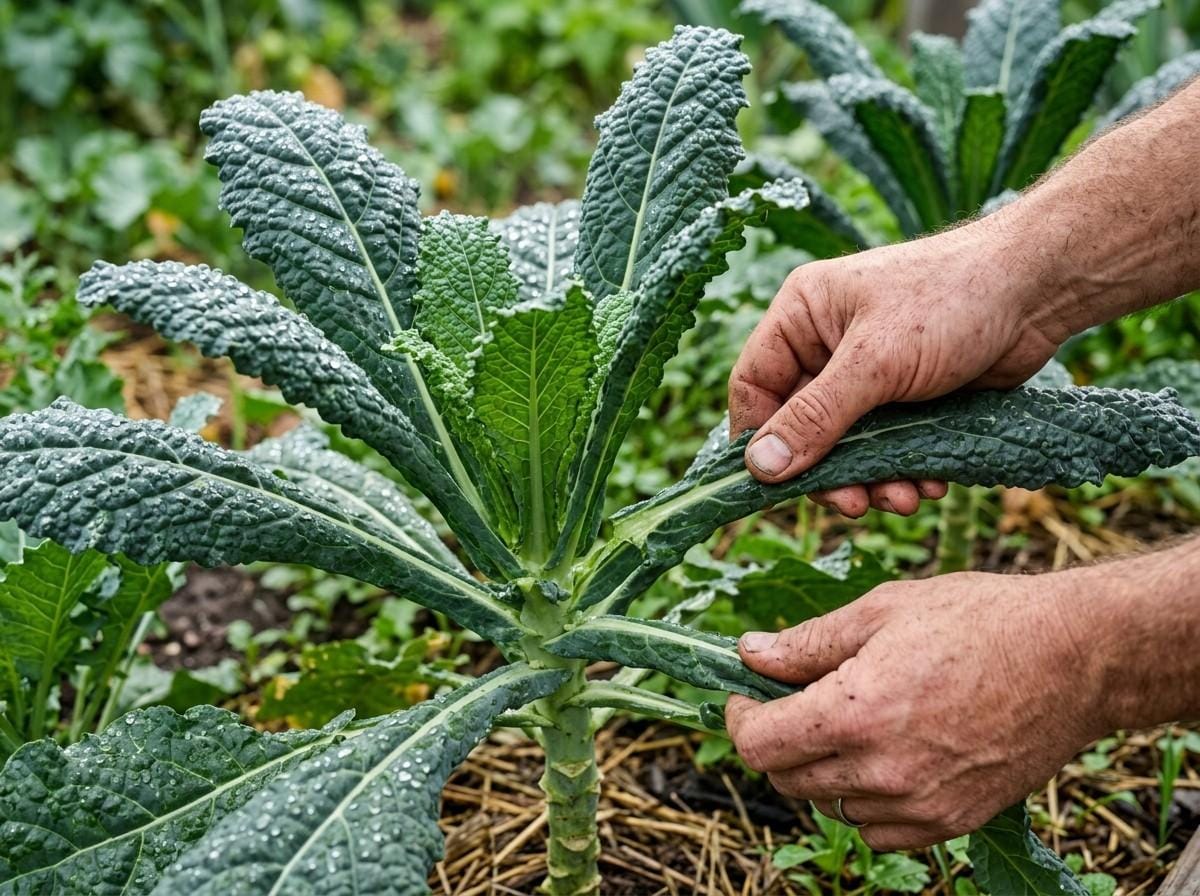
When to Harvest Kale is an important question for gardeners who want the best flavor, texture, and nutrition from their crop. If you're wondering when to harvest kale, the ideal time depends on the size of the leaves and the variety you're growing. This guide explains the best harvest timing, how to pick leaves correctly, and tips for encouraging continuous growth throughout the season.
Understanding the right moment to harvest kale is not just about watching a calendar. You need to look at the plant, feel the leaves, and know a few tricks that can help you get the most from your crop. In this article, you’ll learn how to spot signs that kale is ready for picking, compare different types of kale, see how weather affects harvest timing, and discover mistakes that many gardeners make.
Whether you grow kale in pots, raised beds, or a big field, this guide will help you enjoy the best leaves possible.
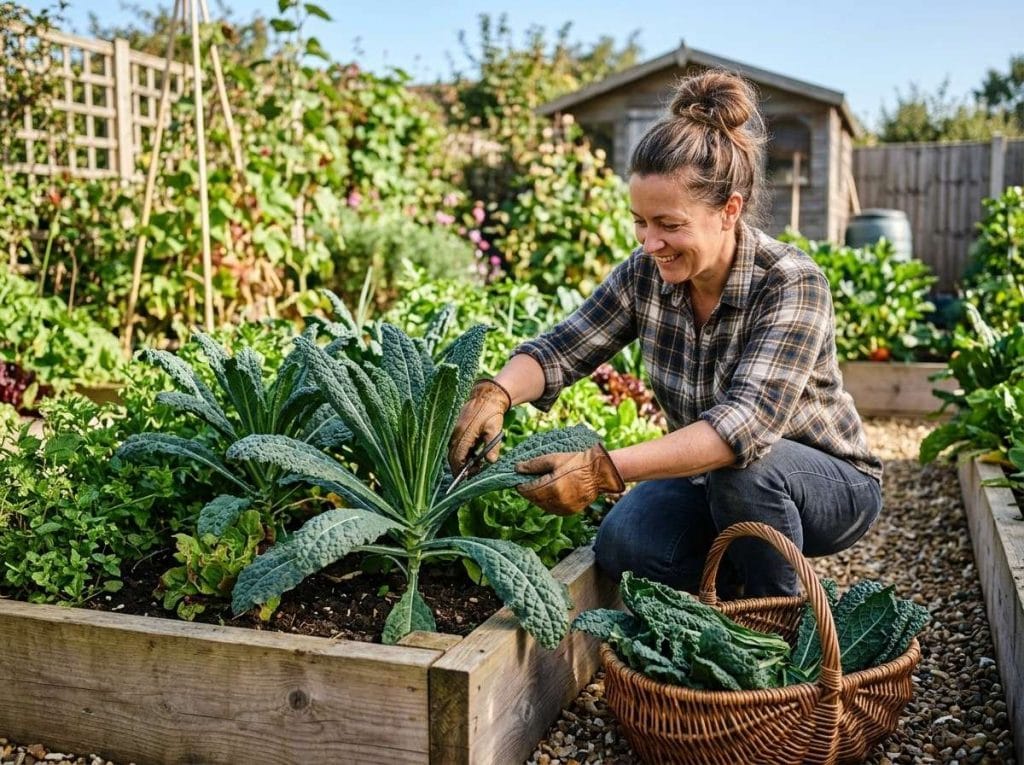
Kale is a member of the Brassica family, which also includes cabbage and broccoli. It grows as a cool-season crop, meaning it likes lower temperatures. The plant forms a central stalk with leaves growing outward and upward. Most kale varieties can be harvested multiple times in a season if picked correctly. Here are some key facts:
Knowing these basics helps you decide when to start looking for signs that your kale is ready.
You don’t need a microscope or fancy tools to know when kale is ready. The plant gives clear signs. Here’s what to look for:
For many gardeners, the best time to harvest is when the leaves are large enough to use but still tender.
Harvesting kale is not just about picking the right week or month. The time of day and season matter too.
If you want to maximize flavor, pick kale when the weather is cool and the sun has not yet heated the leaves.
There are many types of kale. Some grow faster, some slower. Some have curly leaves, others are flat. Knowing your variety helps you pick at the right time.
Here’s a comparison of common kale types and their usual harvest windows:
| Kale Variety | Days to First Harvest | Leaf Shape | Color | Typical Harvest Season |
|---|---|---|---|---|
| Curly Kale | 55–65 days | Curly | Deep green | Spring, Fall |
| Lacinato (Dinosaur) Kale | 60–75 days | Flat, wrinkled | Blue-green | Spring, Fall |
| Red Russian Kale | 50–60 days | Flat, fringed | Red veins, green leaf | Spring, Fall |
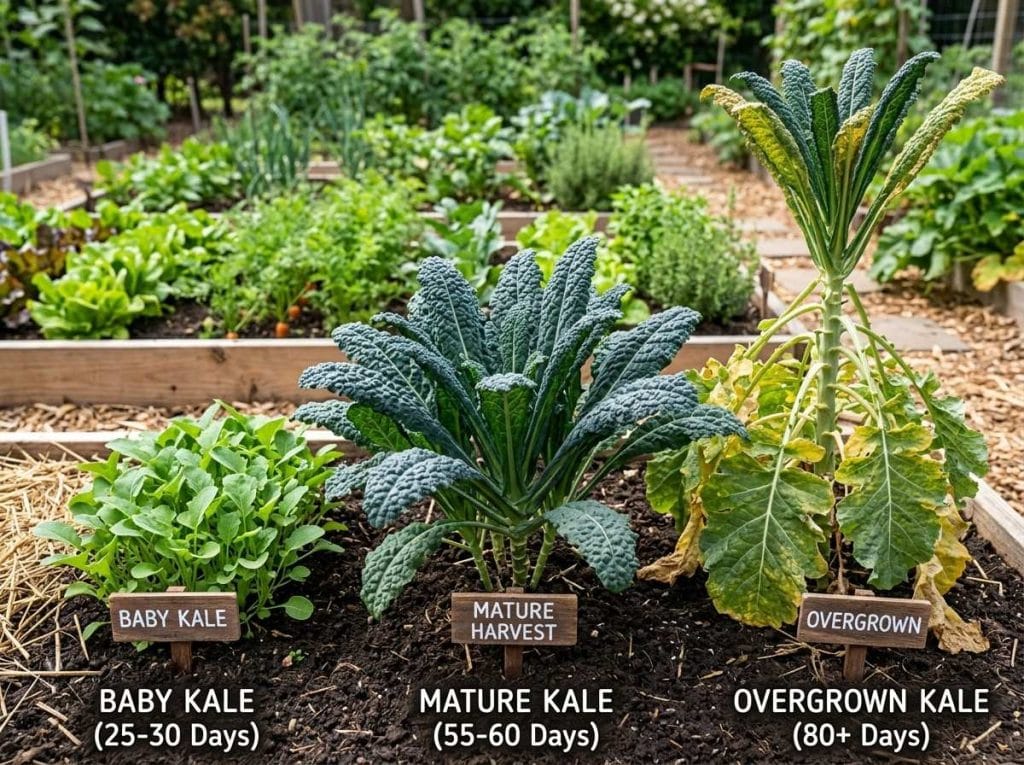
| Baby Kale | 25–30 days | Small, tender | Light green | Any time |
If you plant several varieties, you can enjoy kale harvests at different times.
Some people prefer the soft, mild taste of baby kale. Others like the bigger, tougher leaves for cooking. Here’s how their harvest timing and methods differ:
A non-obvious insight: If you cut baby kale leaves too close to the soil, the plant may stop growing. Leave a little stem to allow regrowth.
Kale is famous for handling cold weather. But temperature affects not just growth speed, but also taste and leaf quality.
One trick is to plan your harvest for the days after a light frost. The flavor improvement is real, especially for mature leaves.
Timing mistakes can cost you quality. Here are signs you’re picking at the wrong time:
If you see yellow leaves or tough stems, it’s a sign to harvest immediately before quality drops further.
Harvesting kale is simple, but doing it right keeps your plants healthy and productive. Follow these steps:
If you want to harvest the entire plant, cut the stalk about 2 inches above the ground. Otherwise, keep picking leaves so the plant keeps producing.
Kale is a “cut-and-come-again” crop. If you harvest correctly, you can pick leaves for several months.
Over-harvesting (taking too many leaves at once) can slow growth or even kill the plant. Always leave at least 4–5 leaves at the top.
Kale is productive. Here’s a comparison of yield per plant for different harvest styles:
| Harvest Style | Yield Per Plant (oz) | Harvest Frequency | Best Uses |
|---|---|---|---|
| Baby Kale | 2–4 oz | Once or twice | Salads |
| Mature Leaves | 8–16 oz | Multiple times | Cooking |
| Whole Plant | 12–24 oz | Once | Bulk use |
Actual yield depends on soil, weather, and care. Well-fed kale plants can produce even more.
Avoiding mistakes helps you get better leaves and healthier plants.
One insight many beginners miss: The bottom leaves are the most expendable. Always leave the top cluster to keep the plant growing.
Once you’ve picked your kale, proper storage is key to keeping it fresh.
For longer storage, kale can be blanched and frozen. This keeps its nutrients and flavor for months.
Kale grows well in both containers and beds, but there are differences in harvest timing.
If you grow in containers, check soil moisture often. Dry soil slows growth and reduces yield.
Organic kale is grown without synthetic chemicals. The harvest process is similar, but there are a few differences.
If you want to learn more about organic kale farming, visit USDA Organic.
Harvest timing affects the nutrients in kale. Younger leaves have more vitamin C, older leaves have more fiber.
Picking leaves at the right stage helps you get the nutrition you want.
Experienced gardeners use a few tricks to get more and better kale:
A tip many miss: Removing yellow or damaged leaves quickly prevents disease and keeps the plant focused on growing healthy leaves.
Kale is different from other greens like spinach and lettuce. Here’s how harvest timing and methods compare:
| Leafy Green | Days to Harvest | Harvest Method | Flavor After Frost | Regrowth |
|---|---|---|---|---|
| Kale | 55–75 | Leaf by leaf | Sweeter | Yes |
| Spinach | 30–45 | Leaf or whole plant | Little change | Limited |
| Lettuce | 45–55 | Head or leaf | Often bitter | Some types |
| Swiss Chard | 50–60 | Leaf by leaf | No change | Yes |
Kale stands out for its ability to regrow and improve in flavor after cold snaps.
You can harvest baby kale leaves as soon as 25–30 days after planting. These leaves are small and tender, perfect for salads. For mature leaves, wait until 55–75 days, depending on the variety. Harvesting too early can slow plant growth.
Once kale starts to bolt (produce flowers), the leaves become tough and bitter. It’s best to harvest before this stage. If you see flower stalks, pick remaining leaves quickly; they won’t taste as good.
Yellow leaves, tough texture, and a bitter taste are signs that kale is past its best. If the plant is starting to flower or the leaves have spots, it’s time to harvest what’s left and consider replanting.
Harvesting leaf by leaf lets the plant keep growing and producing new leaves. You can pick kale over many weeks. If you need a large amount, harvesting all at once is possible, but the plant will not regrow.
Yes! Frost helps turn starches into sugars in the leaves, making kale sweeter and less bitter. This is especially true for curly and lacinato varieties. Many gardeners wait for a light frost to harvest for the best flavor.
Kale is a flexible, forgiving plant that rewards careful harvest timing with great taste, strong nutrition, and steady yields. With the tips and data above, you’ll know exactly when and how to pick kale for the best results. Whether you’re growing for your family or a market, a well-timed harvest makes all the difference.