Gardening Made Simple.
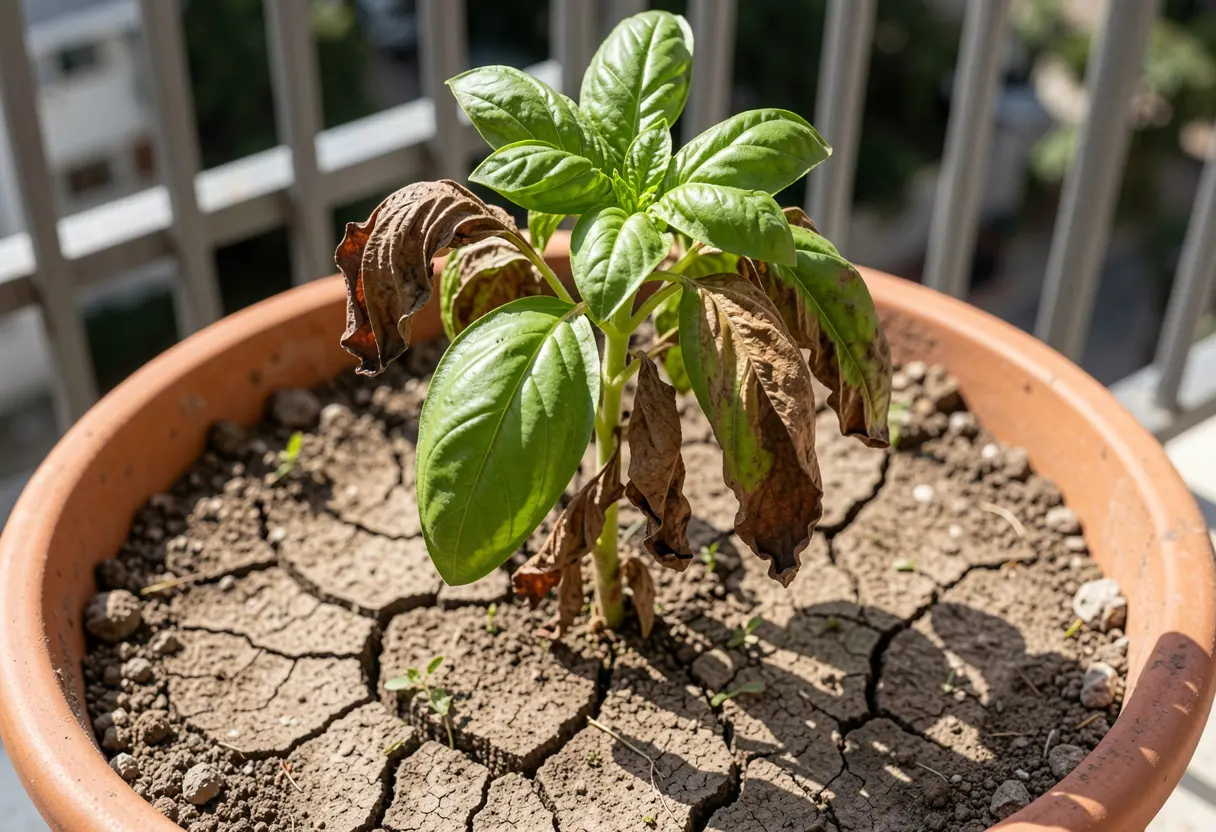
Is your basil plant looking tired, droopy, or even worse—dying? If you’re asking Why is My Basil Plant Dying, you’re not alone—understanding the common causes can help you fix the problem quickly and bring your plant back to life.
Understanding the common reasons behind a wilting basil plant can save your green friend and bring your kitchen garden back to life. Keep reading, and you’ll discover simple fixes that anyone can do to revive your basil and keep it thriving.
Don’t give up on your plant just yet—help is right here.
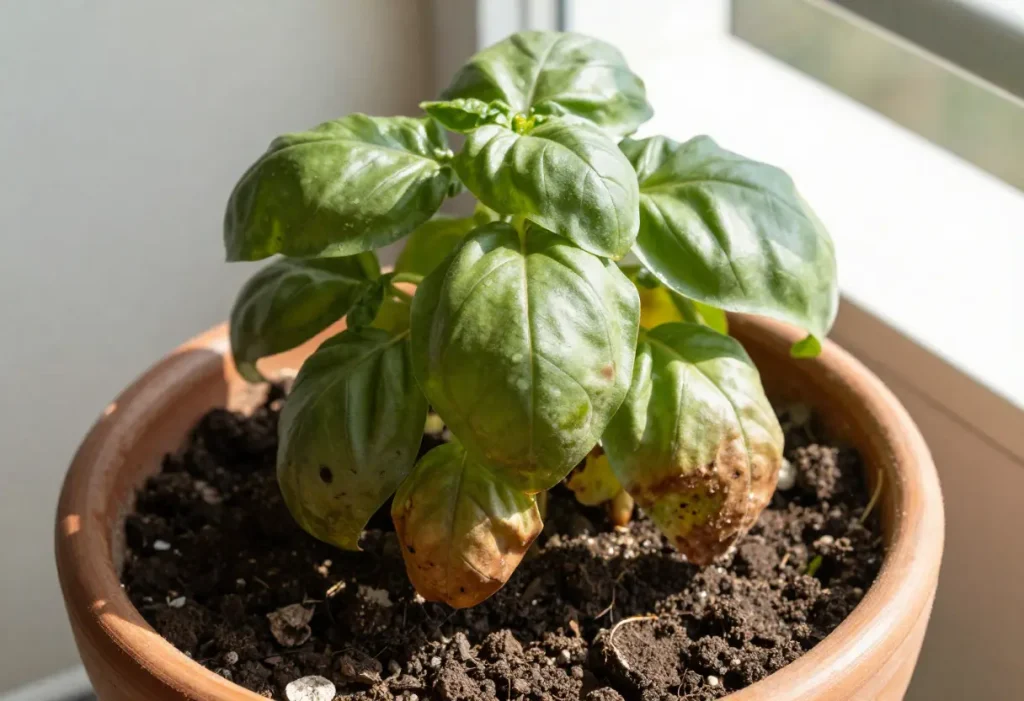
Basil plants are popular for their fresh leaves and easy growth. Yet, many gardeners face challenges keeping them healthy. Understanding the common causes of basil plant decline helps prevent problems. This section covers key reasons why basil may struggle or die.
Too much water drowns basil roots. Roots need air to breathe and grow. Overwatering causes root rot, turning leaves yellow and soft. Water basil only when the top soil feels dry. Avoid watering daily unless very hot.
Not enough water dries out basil leaves fast. Leaves wilt, curl, and brown at the edges. Basil needs regular watering, especially in warm weather. Check soil moisture often to keep basil hydrated.
Basil loves sunlight. Without enough light, growth slows. Leaves turn pale and drop easily. Place basil in a sunny spot with at least six hours of light daily. Indoor basil may need a bright window.
Common pests like aphids and spider mites attack basil leaves. They suck plant juices, causing damage and stunted growth. Watch for small bugs or sticky residue. Treat pests quickly using safe insect sprays or natural remedies.
Basil needs balanced nutrients to thrive. Lack of nitrogen causes yellow leaves and weak stems. Use a mild, balanced fertilizer every few weeks during the growing season. Healthy soil supports strong basil growth.
Basil prefers warm weather. Cold temperatures below 50°F harm the plant. Heat above 85°F can also stress basil, causing leaf drop. Keep basil in a stable, warm environment for best results.
Soil that holds too much water harms basil roots. Heavy, compacted soil blocks air and traps moisture. Use well-draining soil with sand or perlite added. Good drainage keeps roots healthy and plants strong.
Knowing the signs of a struggling basil plant helps you save it early. Catching these problems fast can prevent your plant from dying. Watch your basil closely for any unusual changes.
Yellow leaves often mean your basil lacks nutrients or water. Too much sun or poor soil can cause yellowing. Check the soil moisture and sunlight your plant receives.
Wilting leaves show your basil needs water or has root problems. Overwatering can also make the plant droop. Feel the soil to know if it is dry or soggy.
Brown edges on leaves can mean heat stress or low humidity. Too much fertilizer may also burn the leaf edges. Keep your basil in a cool, moist place.
Spots or holes on leaves often come from insects or disease. Check the leaves carefully for bugs or fungus. Use natural pest control to protect your plant.
Slow growth means your basil might lack nutrients or light. Crowded pots also stop roots from growing well. Give your plant enough space and feed it regularly.
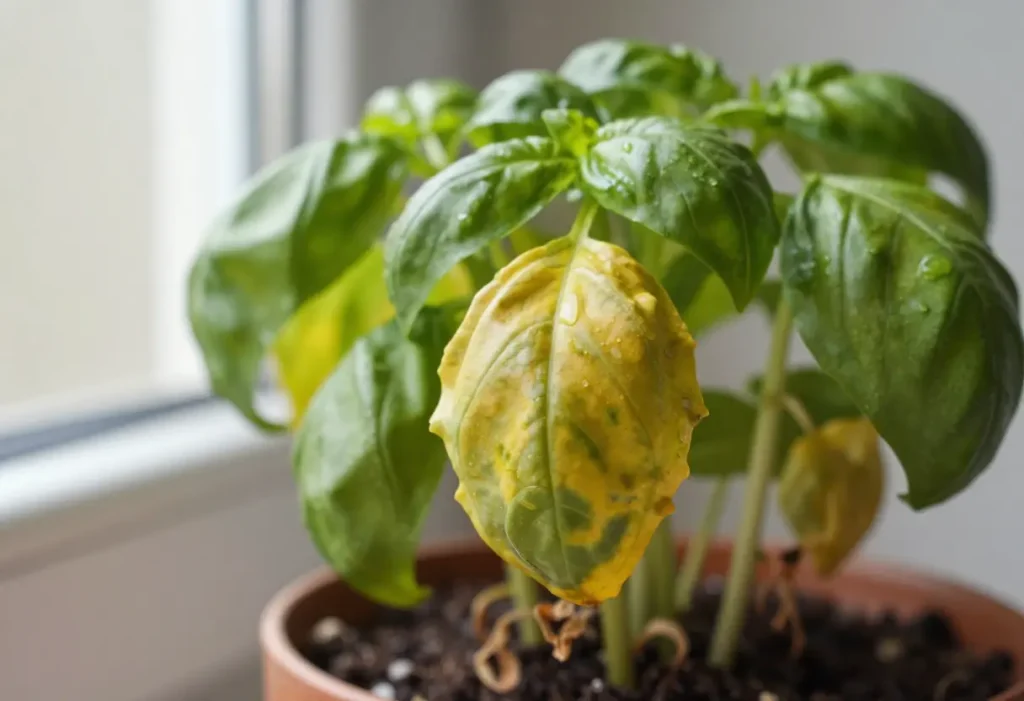
Basil is a popular herb, but it can sometimes struggle to stay healthy. Simple steps can help save your basil plant and bring it back to life. Small changes make a big difference in its growth and flavor. Follow these easy tips to keep your basil thriving and green.
Basil needs consistent moisture but not too much water. Water the plant when the top soil feels dry. Avoid letting water sit in the pot’s saucer. Overwatering causes root rot and yellow leaves. Underwatering makes the leaves dry and brittle. Water early in the day for best results.
Basil loves sunlight. It needs at least six hours of direct light daily. Place your plant near a sunny window or outside if possible. Too little light causes slow growth and leggy stems. Too much harsh sun can burn the leaves. Find a bright but gentle spot for your basil.
Pests like aphids and spider mites can harm basil leaves. Check your plant often for small bugs or sticky spots. Spray with a mix of water and mild soap to remove pests. Neem oil also works well as a natural insect repellent. Avoid harsh chemicals that can damage your plant.
Good soil supports strong roots and healthy leaves. Use well-draining potting soil rich in organic matter. Add compost or natural fertilizer to boost nutrients. Avoid heavy or clay soils that hold too much water. Refresh the soil every few months to keep it fertile.
Basil grows best in warm temperatures between 65 and 85°F. Protect the plant from cold drafts and sudden temperature drops. Avoid placing it near air conditioners or heaters. Too much heat or cold causes leaf drop and slow growth. Keep your basil in a stable, cozy spot.
Regular pruning encourages bushy growth and prevents flowering. Pinch off the top leaves and any flower buds. This helps the plant focus on producing leaves. Remove dead or yellow leaves to improve air circulation. Pruning keeps your basil fresh and full.
Preventive care is key to keeping your basil plant healthy and thriving. Small daily habits protect it from stress and disease. These tips help you avoid common problems before they start. You will see your basil grow stronger with less effort.
Pick a pot with good drainage holes. Water must flow out to stop root rot. Use light, well-draining soil. Basil likes soil that stays moist but not wet. Avoid heavy or clay soils that hold too much water.
Feed your basil plant with balanced fertilizer every two weeks. Use a gentle, water-soluble type to avoid burning roots. Too much fertilizer can harm the plant. Follow package instructions carefully for best results.
Check your basil plant daily for pests and diseases. Look under leaves for tiny bugs or spots. Remove dead or yellow leaves quickly. Early detection stops problems from spreading. Keep your plant clean and healthy.
Adjust care as seasons change. In hot weather, water more often to prevent drying. In cooler months, reduce watering to avoid soggy soil. Move your basil indoors if frost threatens. These changes help your plant survive year-round.
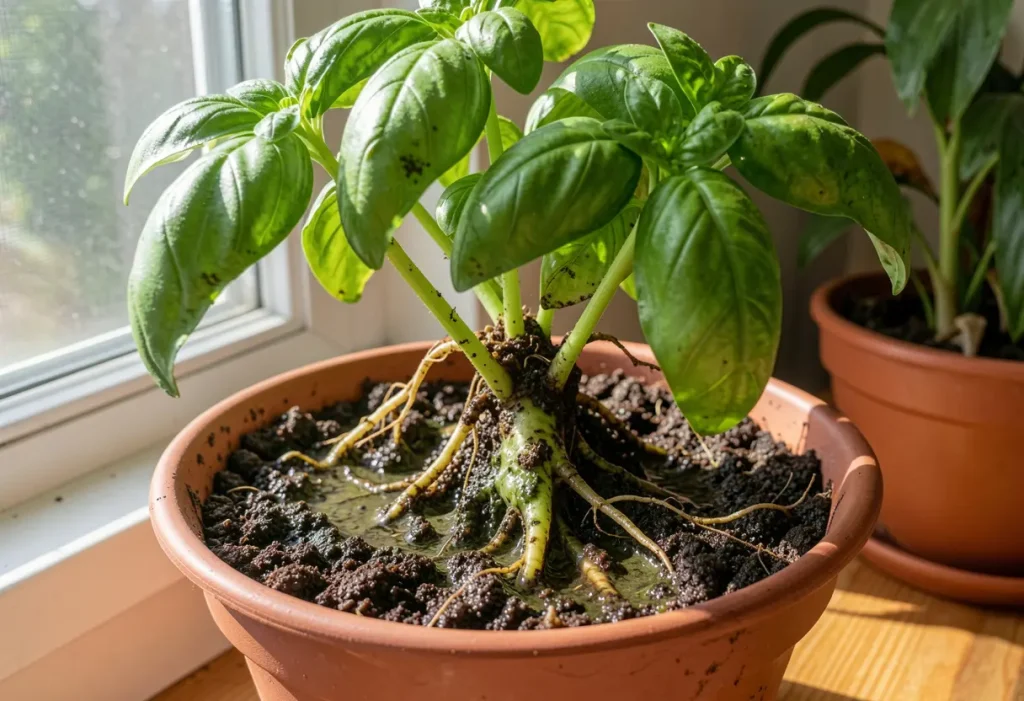
Yellow leaves and wilting often mean overwatering or poor drainage. Basil likes moist but well-drained soil. Check if the pot has good drainage holes.
Yes, too much direct sunlight can scorch basil leaves. Basil prefers 6 hours of sunlight or partial shade. Move it to a less intense light spot if needed.
Watering too little or too much harms basil plants. Keep soil evenly moist but not soggy. Water when the top inch of soil feels dry.
Aphids, spider mites, and whiteflies often attack basil. These pests suck plant juices, causing leaves to die. Use mild insecticidal soap or wash leaves gently.
Poor soil, low light, or lack of nutrients can stunt growth. Use rich, well-drained soil and provide enough sunlight. Fertilize lightly every few weeks for best growth.
Basil plants need good care to stay healthy and green. Watch for signs of too much water or sun. Check the soil and give the plant enough light. Remove dead leaves to help new growth. Small changes in care can save your basil.
Keep trying, and your plant will grow strong again. Growing basil is simple with patience and attention. Enjoy fresh leaves for cooking and smell. A healthy basil plant brings joy and flavor.