Gardening Made Simple.

Are you noticing tiny worms munching on your broccoli plants? Dealing with Worms in Broccoli Plants can quickly turn a healthy garden into a frustrating mess. These pests damage leaves, reduce yields, and weaken plants, but with the right treatment and prevention methods, you can protect your crop and restore healthy growth.
If you want to protect your broccoli and keep it fresh and tasty, you need to know how to spot these worms early and deal with them effectively. You’ll discover simple, practical ways to identify, prevent, and get rid of worms in your broccoli plants—so you can enjoy a thriving garden without the stress.
Keep reading to save your broccoli and boost your gardening success!
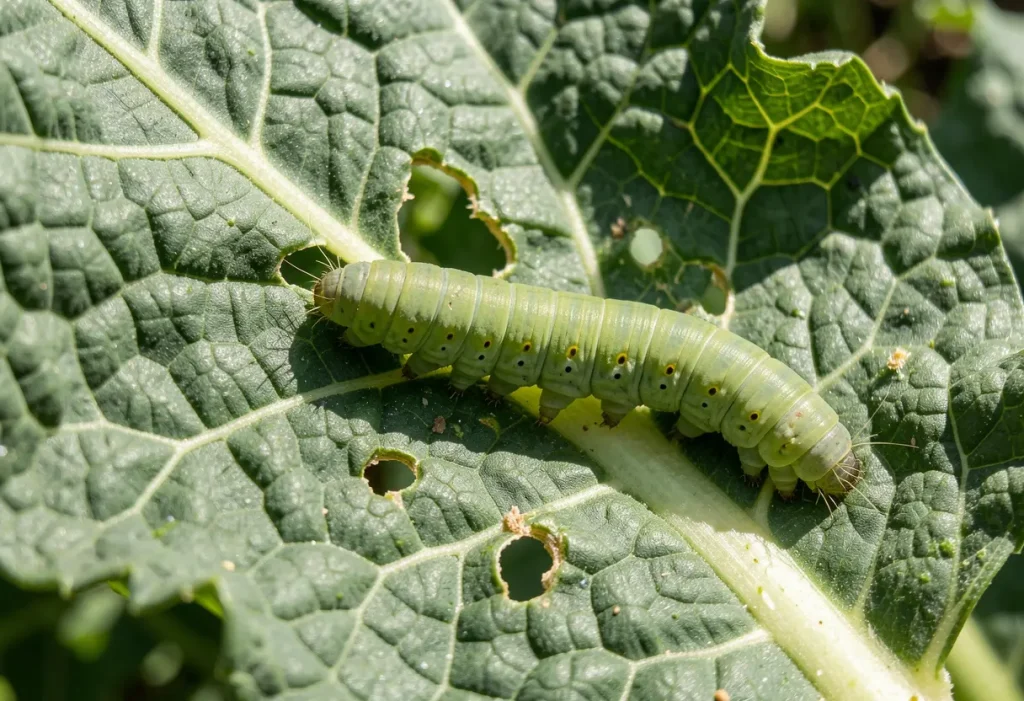
Worms can harm broccoli plants and reduce their growth. These pests eat leaves, stems, and sometimes the broccoli heads. Understanding the common worms in broccoli helps protect your plants. Early detection stops damage and saves your harvest.
Cabbage loopers are green worms with white stripes. They move in a looping motion and eat holes in leaves. Diamondback moth larvae are small, pale green worms. They chew small holes and leave waste on leaves. Imported cabbageworms are velvety green and slow-moving. They feed on leaves and often hide on the underside. Cutworms are dark, smooth worms that cut young plants at the base. Each worm causes different damage but all harm broccoli growth.
Look for holes in leaves or eaten edges. Leaves may look ragged or have transparent spots. Find green or dark worms on leaves or stems. Wilted or stunted plants can indicate worm damage. Sticky or black droppings on leaves also signal worms. Check broccoli heads carefully for any worms hiding. Early signs help control worms before they spread.
Worms in broccoli plants cause serious damage. They eat leaves and stems, harming the plant's growth. This damage reduces the plant's ability to produce healthy broccoli heads. Farmers often face challenges due to these pests, which affect both quality and quantity of the crop.
Worms chew holes in broccoli leaves and stems. This injury makes the plant weak and vulnerable. Damaged leaves cannot perform photosynthesis well. The plant may wilt or stop growing. Worms also open paths for diseases to enter. This stress lowers the plant's overall health.
Broccoli heads may become small or misshapen. Worm damage can cause parts of the head to rot. Many plants fail to reach full size. This leads to less broccoli harvested per field. The quality drops, reducing market value. Farmers lose money due to smaller and poorer crops.
Preventing worms in broccoli plants is easier than treating an infestation. Taking simple steps early helps protect your garden. These measures reduce the chance of worm damage. Start with strong habits to keep pests away.
Change the planting spot for broccoli each season. Worms and pests build up in the soil if you plant the same crop repeatedly. Rotate with non-brassica vegetables like beans or carrots. This breaks the worm life cycle and lowers pest numbers.
Choose broccoli types bred to resist common worms. Resistant plants suffer less damage and stay healthier. Seed catalogs often list these varieties. Planting resistant broccoli cuts down on pest problems naturally.
Clean the garden regularly to remove plant debris and weeds. Worms hide and breed in leftover leaves and old plants. Dispose of infested material far from the garden area. Keep the space tidy to reduce worm habitats.
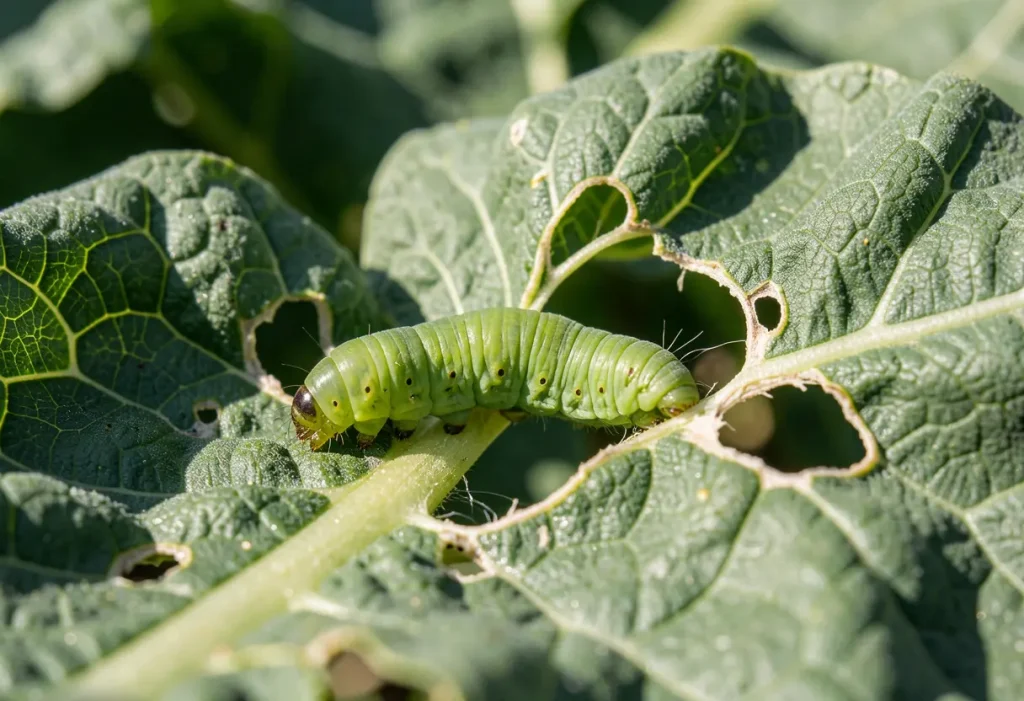
Worms in broccoli plants can damage leaves and reduce the harvest. Natural control methods help protect plants without chemicals. These methods keep your garden healthy and safe for the environment. Using nature’s tools can reduce worm problems effectively.
Beneficial insects eat harmful worms. Ladybugs, lacewings, and parasitic wasps are natural predators. They hunt worm eggs and larvae. Adding these insects to your garden helps control pests. They keep worm numbers low and protect broccoli plants.
Organic sprays stop worms from eating leaves. Neem oil and insecticidal soap work well. These sprays are safe for plants and people. They repel worms without harming beneficial insects. Use sprays early for the best results.
Planting certain plants near broccoli can keep worms away. Herbs like dill, thyme, and rosemary work well. These plants release smells that worms dislike. Companion planting also attracts beneficial insects. It creates a balanced garden that protects broccoli naturally.
Worms in broccoli plants can cause serious damage. Chemical treatments help control these pests quickly. Using the right chemicals protects your crop and ensures a healthy harvest.
Pick pesticides that target worms specifically. Check the label to confirm it works on broccoli pests. Use products that are safe for edible plants. Avoid broad-spectrum pesticides that harm beneficial insects. Organic options can also be effective and safer for the environment.
Wear protective clothing and gloves when applying chemicals. Follow the instructions on the pesticide label carefully. Do not spray on windy days to avoid drift. Apply only the needed amount to reduce risks. Wash hands and tools after use to stay safe.
Apply treatments early in the worm’s life cycle. Target young larvae before they burrow into plants. Spray in the morning or late afternoon for best results. Avoid applying during the hottest part of the day. Repeat treatments may be necessary to keep worms controlled.
Monitoring and early detection play a key role in protecting broccoli plants from worm damage. Catching worm problems early helps stop them from spreading. It also makes pest control easier and less harmful to the plants. Regular checks and using traps are effective ways to find worms early.
Check your broccoli plants often, at least twice a week. Look under leaves and along stems for worms or eggs. Focus on new growth and the base of the plant. Signs like holes in leaves or sticky residue may mean worms are present. Use a hand lens to see small eggs. Remove any worms or eggs by hand to reduce their numbers.
Place sticky traps near broccoli plants to catch adult moths before they lay eggs. Pheromone traps attract specific worm species and help monitor their presence. Use row covers or fine mesh netting to block moths from reaching plants. Barriers prevent worms from crawling onto plants. These methods reduce worm populations without chemicals.
Post-harvest care is important to keep broccoli fresh and safe to eat. Proper steps after harvest help remove worms and prevent damage. This care also reduces the chance of worms coming back next season.
Clean broccoli heads carefully to remove dirt and insects. Use cool water and gently rinse each head. Avoid soaking to prevent sogginess. After cleaning, dry broccoli with a clean cloth or let air dry.
Store broccoli in a cool place, ideally at 32°F to 40°F. Use perforated plastic bags to keep moisture balanced. Keep broccoli away from fruits that produce ethylene gas. This gas can cause broccoli to spoil faster.
Remove plant debris and old broccoli plants from the garden. Worms often hide in leftover plant parts. Rotate crops each year to stop worm buildup in soil. Use natural predators like ladybugs to control worm populations.
Inspect broccoli regularly during growth to catch worm problems early. Apply organic insecticides if worms appear. Keep your garden clean and healthy to reduce worm risks.
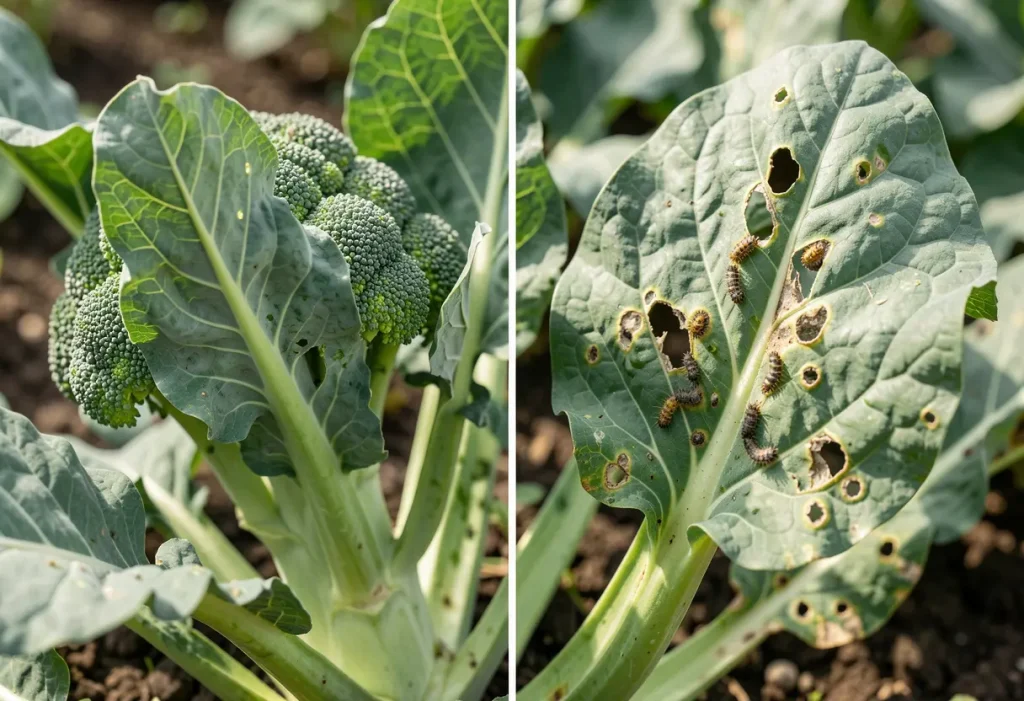
Common worms include cabbage loopers, cutworms, and armyworms that feed on broccoli leaves and heads.
Look for holes in leaves, chewed edges, and small green or brown caterpillars on the plant.
Handpicking, introducing beneficial insects, and spraying neem oil help reduce worm damage naturally.
Yes, worms cause holes and spots, reducing broccoli’s appearance and market value.
Inspect plants every 2-3 days during warm months to catch infestations early.
Worms can harm broccoli plants and reduce your harvest. Catch them early to keep plants healthy and strong. Regular checks help spot worms before damage grows. Use natural methods to protect your garden safely. Healthy broccoli means better taste and more food.
Stay patient and care for your plants daily. Gardening is rewarding with a little effort and time. Keep your broccoli free of worms for a good yield. Simple steps make a big difference in your garden.