Gardening Made Simple.
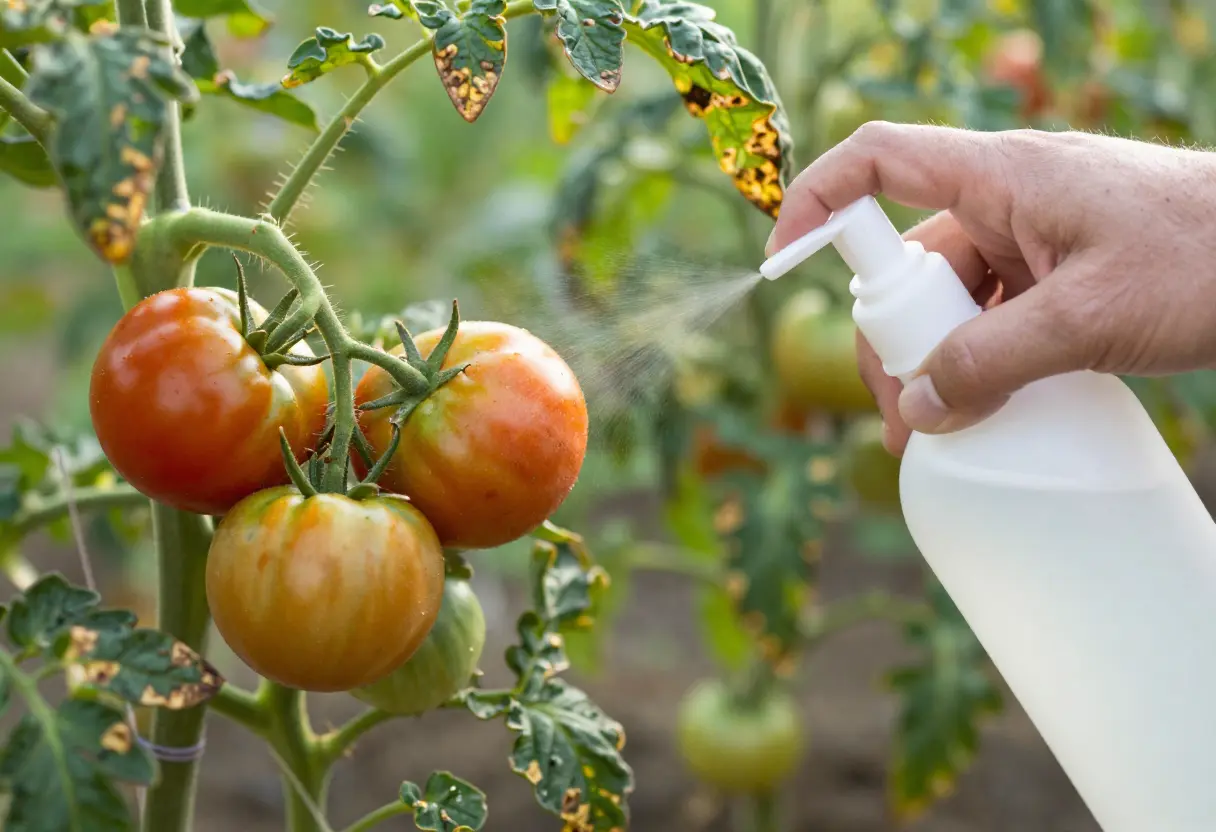
Are you finding it hard to keep your tomato plants healthy and free from disease? One of the biggest challenges for any tomato grower is protecting crops from harmful fungi that can quickly reduce yield and quality. Using the right Fungicide for Tomato Plants can help prevent common diseases, support strong growth, and protect your harvest throughout the season.
Using the right fungicide can make all the difference in ensuring your tomatoes thrive and produce a bountiful harvest. You’ll discover how to choose the best fungicide for your tomato plants, how to apply it effectively, and tips to prevent common fungal problems before they start.
Keep reading to protect your plants and enjoy juicy, delicious tomatoes all season long!
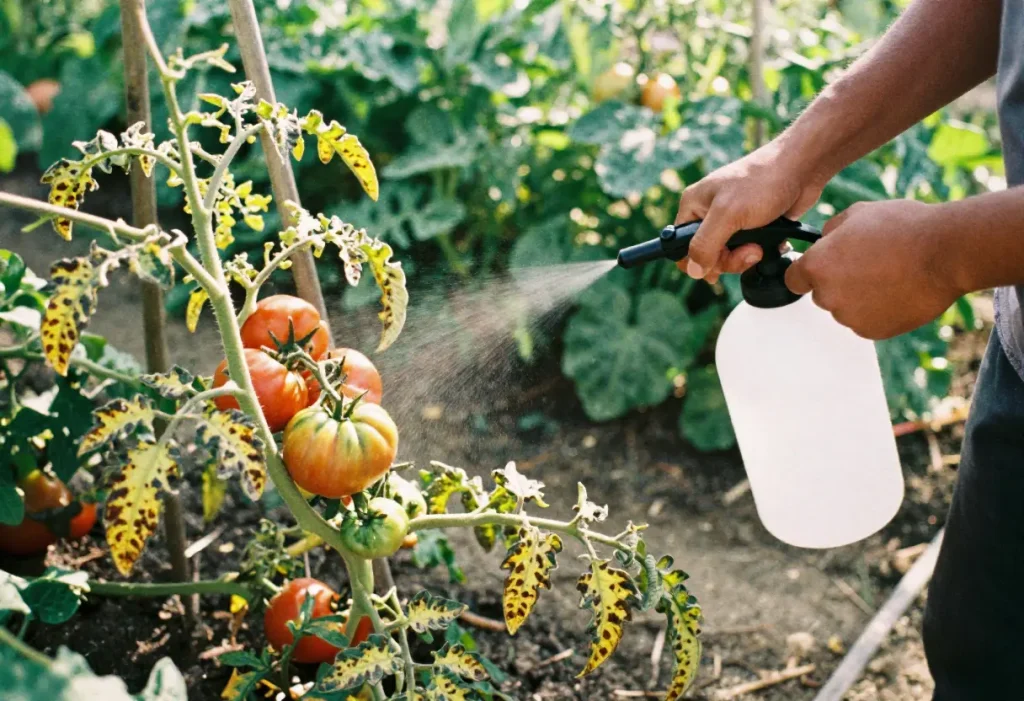
Tomato plants face many common diseases. These diseases often reduce yield and fruit quality. Knowing these diseases helps you protect your garden. Identifying problems early can save your tomatoes.
Fungi cause many tomato plant diseases. They spread quickly in warm, wet weather. Leaf spots, blights, and molds are common fungal problems. Early blight and late blight damage leaves and fruit. Septoria leaf spot creates small, dark spots on leaves. Powdery mildew shows as white powder on leaves.
Tomato plants with fungal infections show clear signs. Leaves may turn yellow, brown, or black. Spots on leaves often have a dark border. Wilting or curling leaves can also signal problems. Fruit may develop dark, sunken patches. Mold or fuzzy growth can appear on plants. Check plants regularly to catch infections early.
Choosing the right fungicide for tomato plants helps protect them from diseases. A good fungicide stops fungi from harming leaves, stems, and fruits. Picking the best product depends on the type of disease and your gardening style. Understanding fungicide types and options makes the choice easier.
Fungicides come in different forms. Some protect plants before infection. Others kill fungi after infection. Contact fungicides stay on the plant surface. Systemic fungicides move inside the plant. This movement helps fight fungi deep in the plant tissue. Powder, liquid, and spray forms are common. Each type suits different uses and needs.
Organic fungicides use natural ingredients. They are safer for people, pets, and the environment. Copper and sulfur are common organic options. Chemical fungicides contain synthetic ingredients. They often work faster and are stronger. Some chemicals may harm beneficial insects or soil health. Organic choices fit well in home gardens. Chemical options suit larger or commercial farms. Decide based on your garden size and health goals.
Applying fungicide to tomato plants is a key step to control diseases. Proper techniques ensure the fungicide works well and protects the plants. Careful application saves time and prevents waste.
Using the right methods helps cover all parts of the plant. This stops fungi from spreading and keeps tomatoes healthy. Understanding when and how to spray is important for good results.
Apply fungicides early. Start at the first sign of disease or before it appears. Regular sprays protect plants during wet or humid weather. Check tomato leaves often for spots or mold.
Follow the product label for timing. Some fungicides need repeat sprays every 7 to 14 days. Avoid spraying during the hottest part of the day. Early morning or late afternoon is best.
Use a fine spray to cover all plant parts. Focus on the undersides of leaves where fungi hide. Hold the sprayer close but avoid soaking the plants. Even coverage is key for protection.
Wear gloves and protective clothing while spraying. Mix fungicide as directed to avoid damage. Clean sprayers after use to prevent clogging and contamination. Store leftover fungicide safely away from children and pets.
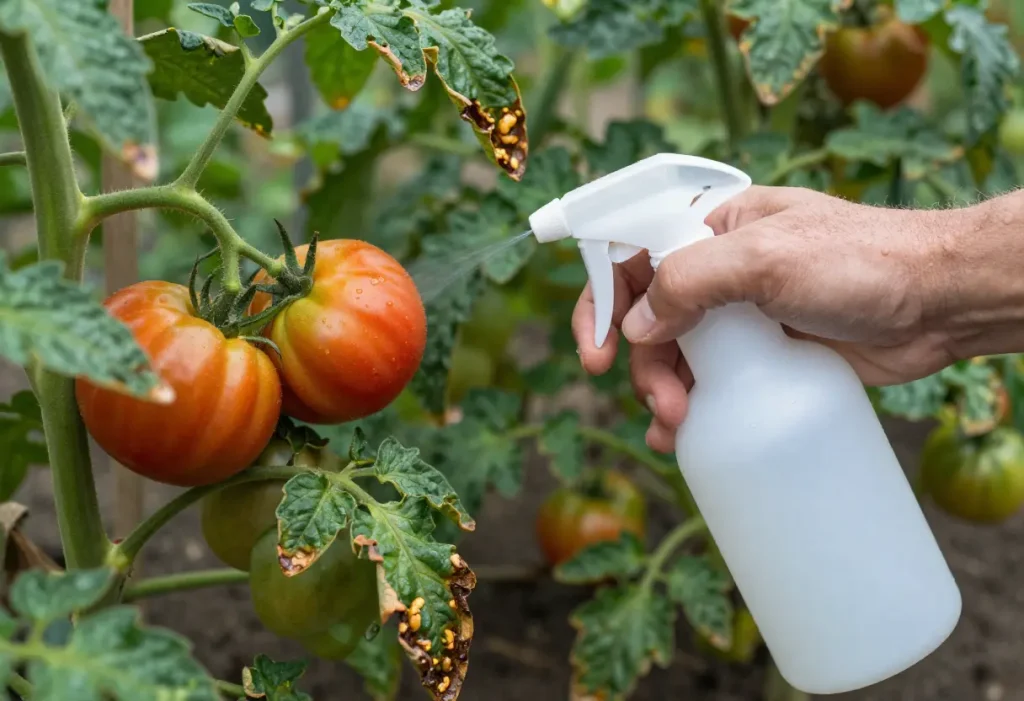
Using fungicide on tomato plants helps protect them from diseases. Safety and care are very important. Careless use can harm you, your plants, and the environment. Simple safety and environmental tips keep everyone safe and healthy.
Always wear gloves and a mask when using fungicide. Avoid touching your face or skin during application. Store fungicides in a cool, dry place away from children and pets. Keep containers tightly closed to prevent spills. Dispose of empty containers according to local rules. Proper handling stops accidents and contamination.
Beneficial insects like bees help your garden grow. Apply fungicide early in the morning or late in the evening. Avoid spraying on flowers to protect pollinators. Use only the recommended amount of fungicide. Choose products that are less harmful to insects. Protecting helpful insects keeps your garden healthy and balanced.
Using fungicides alone may not fully protect tomato plants from diseases. Combining fungicides with other good practices can improve plant health and reduce disease risks. This approach helps keep soil and plants strong over time. It also lowers the chance of fungi becoming resistant to treatments.
Crop rotation means planting different crops in the same soil each season. This practice stops fungi from building up in the soil. It breaks the life cycle of many diseases that attack tomatoes. Rotating crops like beans or corn with tomatoes helps keep the soil clean. It reduces the need for heavy fungicide use. Crop rotation also improves soil nutrients and plant growth.
Healthy soil supports strong tomato plants that resist diseases better. Adding organic matter like compost improves soil structure and moisture. Well-drained soil prevents water from sitting around roots. This reduces fungal growth and root rot problems. Testing soil regularly helps to balance nutrients. Balanced soil feeds plants well and boosts their natural defenses. Good soil care works hand in hand with fungicide use.
Fungicide use on tomato plants can sometimes bring challenges. These problems may reduce the effectiveness of treatments. Recognizing issues early helps keep plants healthy. Proper troubleshooting ensures better results with fungicides.
Fungi can develop resistance to fungicides over time. This means the chemicals stop working well. Avoid using the same fungicide repeatedly. Rotate fungicides with different modes of action. This practice helps slow down resistance. Use recommended doses and follow label instructions closely.
Some diseases may not disappear after treatment. Persistent infections need extra care. Check for correct fungicide selection against the disease. Apply fungicides at the right time and frequency. Remove infected plant parts to reduce spread. Improve air circulation around plants to lower humidity. Healthy plants resist diseases better.
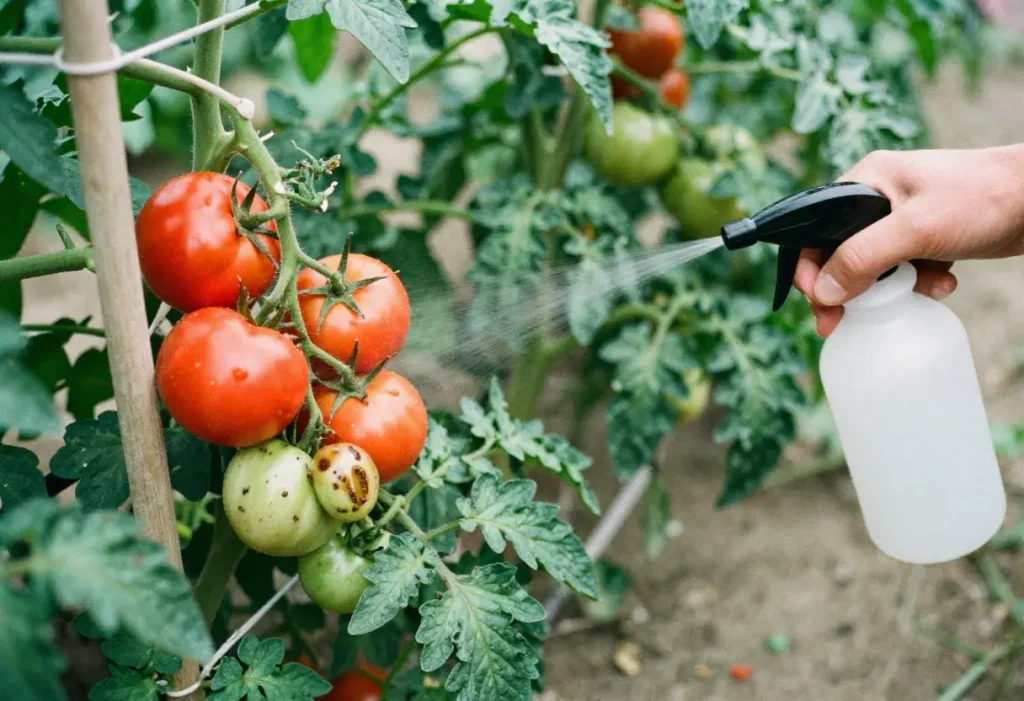
The best fungicide depends on the disease. Copper-based and sulfur fungicides work well for many tomato diseases.
Apply fungicide every 7 to 14 days during wet or humid weather to protect tomato plants from fungi.
Most fungicides are safe if used as directed. Overuse or wrong application can damage plants.
Start applying fungicide at the first sign of disease or when plants are young to prevent infections.
Yes, organic fungicides like neem oil and baking soda can help control mild fungal problems on tomatoes.
Choosing the right fungicide keeps tomato plants healthy and strong. It helps stop diseases that harm leaves and fruits. Regular care and spraying protect your garden from fungus. Watch your plants closely and act fast if problems appear. Healthy plants grow better and give more tomatoes.
Simple steps make a big difference in your harvest. Use fungicide wisely and enjoy fresh, tasty tomatoes all season. Keep your garden safe and your tomatoes thriving.