Gardening Made Simple.
Do you want to grow big, juicy onions that stand out in your garden? Imagine biting into an onion so fresh and flavorful that it transforms your meals. Learning How to Grow Big Onions will help you achieve healthier plants and larger, more flavorful bulbs.
Growing large onions isn’t just for expert gardeners—it’s something you can achieve with the right tips and tricks. In this guide, you’ll discover simple steps that will help you grow impressive onions that friends and family will admire. Ready to unlock the secrets to big, beautiful onions?
Let’s dive in and get your garden thriving!
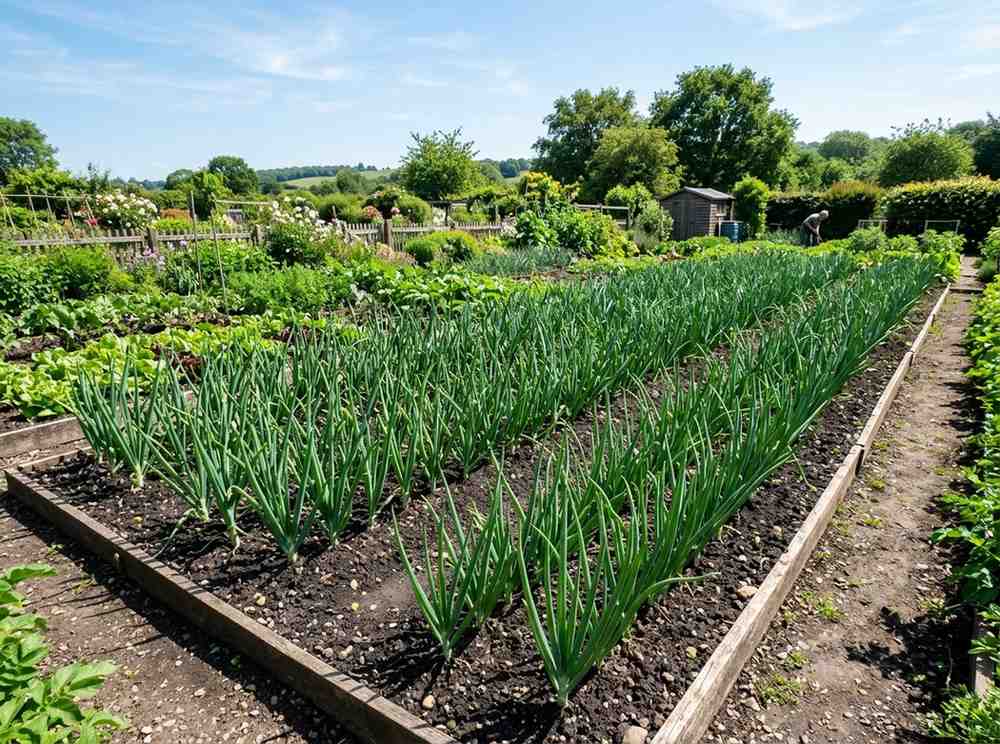
Choosing the right onion variety is the first step to growing big, healthy onions. Different varieties have unique needs and growth habits. Picking a suitable type helps onions reach their full size and flavor. Consider what grows well in your area and what fits your garden space.
Some onion types naturally grow larger bulbs. For big onions, try varieties like Walla Walla, Sweet Spanish, or Texas Early Grano. These produce thick, juicy bulbs with mild flavors. Yellow onions, like the Yellow Globe, also grow large and store well. White onions can grow big but often have sharper taste. Choose a variety known for size to get the best results.
Onions respond to daylight and temperature. Long-day onions need 14-16 hours of daylight. They grow best in northern regions during spring and early summer. Short-day onions start forming bulbs with 10-12 hours of daylight. They suit southern climates and milder winters. Intermediate-day onions fit in between. Pick a type that matches your area's daylight hours and temperature for bigger bulbs.
Preparing soil for onions is a key step to grow big, healthy bulbs. Good soil helps onions get the nutrients and water they need. It also supports strong root growth. Spending time on soil preparation will lead to a better harvest.
Onions grow best in loose, sandy loam soil. This type of soil holds moisture but drains well. The ideal soil pH for onions is between 6.0 and 7.0. Soil that is too acidic or too alkaline can stunt onion growth. Test soil pH before planting to make adjustments.
Onions need soil rich in nutrients. Mix compost or well-rotted manure into the soil before planting. This adds organic matter and improves soil texture. Use balanced fertilizer with nitrogen, phosphorus, and potassium. Avoid too much nitrogen; it can cause leafy growth and small bulbs.
Good drainage prevents water from pooling around onion roots. Raised beds or mounds help excess water flow away. Avoid heavy clay soils that hold water. Adding sand or organic matter improves drainage. Check soil moisture regularly to keep it moist, not soggy.
Planting techniques play a key role in growing big onions. Proper methods help onions develop strong roots and large bulbs. Choosing the right materials and planting them correctly ensures healthy growth. Understanding these steps will improve your onion harvest.
Seeds are the most common way to start onions. They take longer to grow but allow more variety. Sets are small onion bulbs that grow faster. They give a quicker harvest but fewer choices. Transplants are young onion plants grown in trays. They offer a middle ground between seeds and sets. Pick the option that fits your garden and goals.
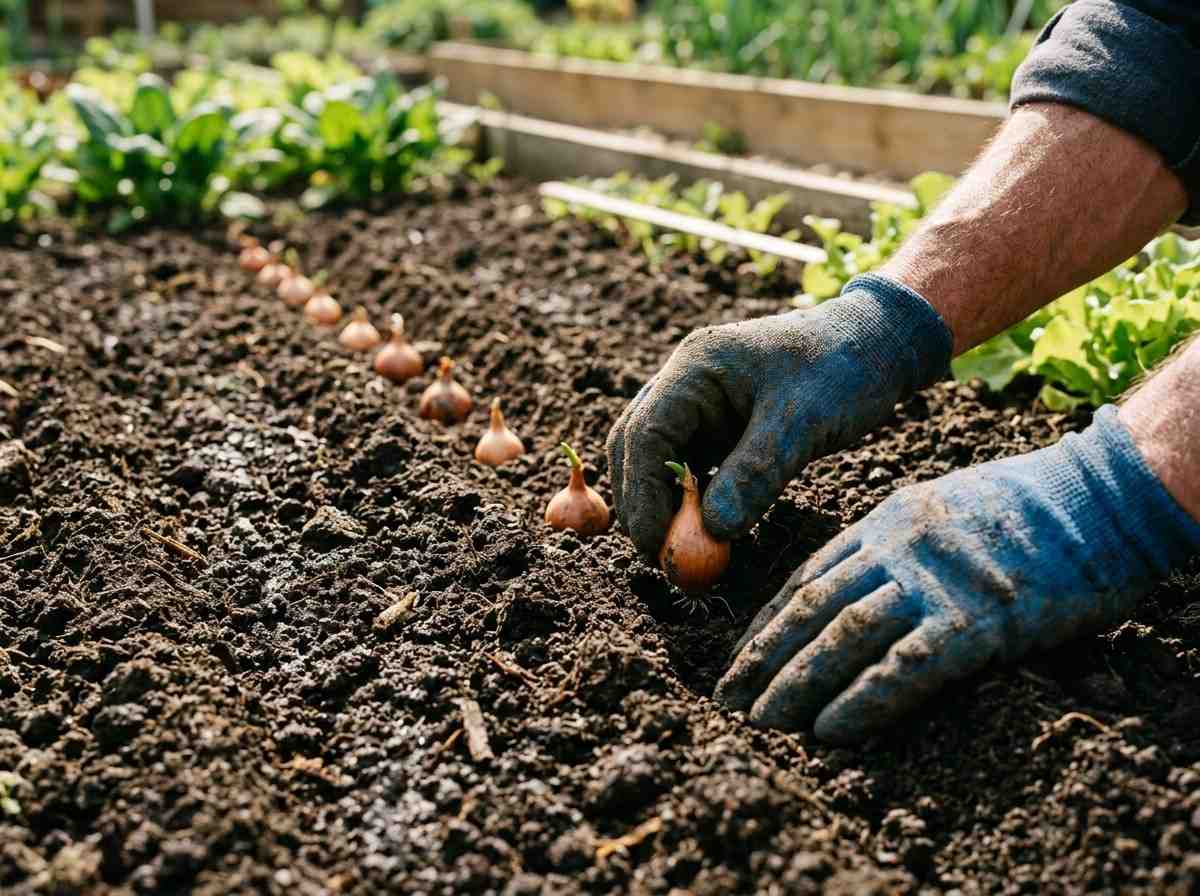
Space onions about 4 to 6 inches apart. This distance gives bulbs room to grow large. Plant them 1 inch deep in loose, well-drained soil. Too deep can slow growth. Too shallow can dry out roots. Proper spacing and depth help roots spread and bulbs swell.
Plant onions early in spring. Soil should be cool but not frozen. This timing allows onions to grow before hot weather. In mild climates, fall planting works too. Avoid planting in very hot weather. Timing affects bulb size and quality.
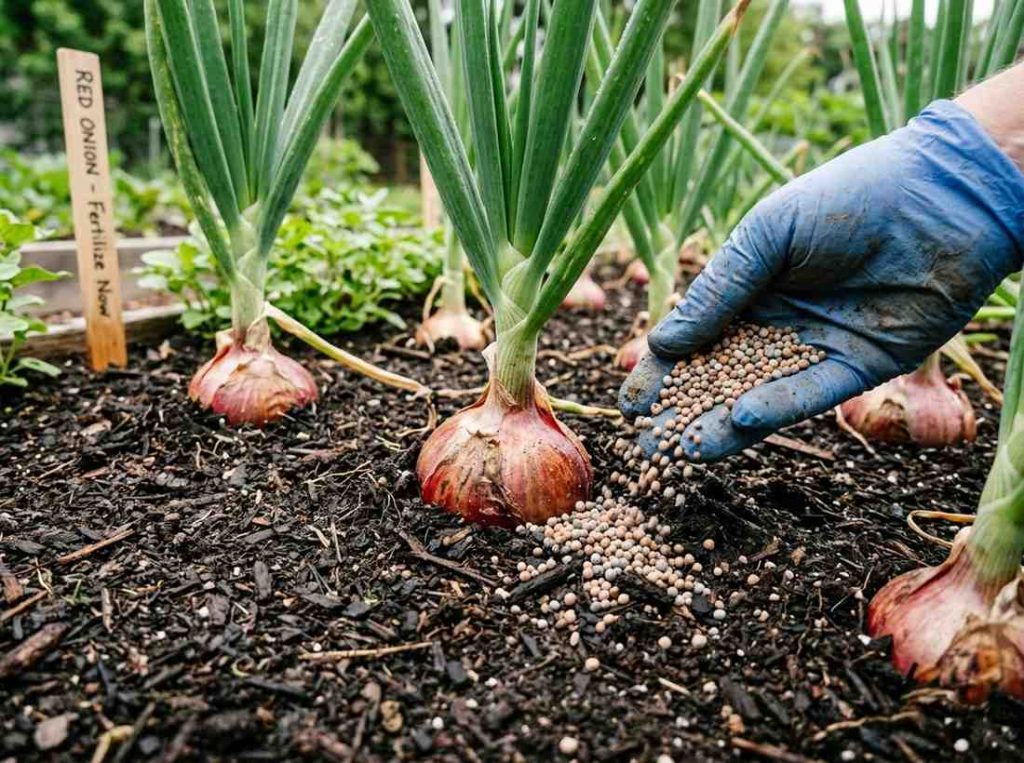
Proper watering and fertilizing play a key role in growing big onions. Water helps the onion bulbs grow strong and healthy. Fertilizer gives the plants the nutrients they need to develop large, flavorful bulbs. Balance is important. Too much water or fertilizer can harm the plants. Follow the right schedule and use the right type of fertilizer for the best results.
Water onions deeply once or twice a week. Soil should stay moist but not soggy. Water more often during dry, hot weather. Early morning is the best time to water. This helps reduce evaporation and keeps leaves dry. Wet leaves can cause disease. Avoid watering late in the day. It can lead to fungal problems.
Use a balanced fertilizer with nitrogen, phosphorus, and potassium. Nitrogen supports leaf growth. Phosphorus helps root and bulb development. Potassium strengthens the plant. Apply fertilizer before planting. Side dress with fertilizer every 3 to 4 weeks. Use organic options like compost or well-rotted manure. Avoid too much nitrogen late in growth. It can cause leafy onions with small bulbs.
Overwatering can drown onion roots and slow growth. Signs include yellowing leaves and soft bulbs. Check soil moisture before watering again. Soil should feel dry 1 inch below the surface. Good drainage prevents water buildup. Raised beds or loose soil help avoid water problems. Keep a steady watering routine for healthy onions.
Growing big onions requires careful control of pests and diseases. These problems can reduce your crop size and quality. Taking steps to protect your plants keeps them healthy and strong. Healthy onions grow bigger and last longer.
Onions attract several pests that damage leaves and bulbs. Onion maggots burrow into the roots and bulbs. Thrips feed on leaves, causing silver streaks and weak plants. Cutworms chew on young plants near the soil. Aphids suck sap, weakening the onion’s growth.
Start with clean soil and good drainage to prevent fungal diseases. Rotate your crops every year to reduce soil-borne diseases. Avoid watering leaves; water at the base to keep leaves dry. Remove any diseased plants quickly to stop the spread. Use resistant onion varieties for better disease protection.
Introduce natural predators like ladybugs to eat aphids and thrips. Use neem oil spray to repel and kill many insect pests. Apply diatomaceous earth around plants to stop crawling insects. Handpick large pests like cutworms during early morning hours. Keep your garden clean and free of plant debris.
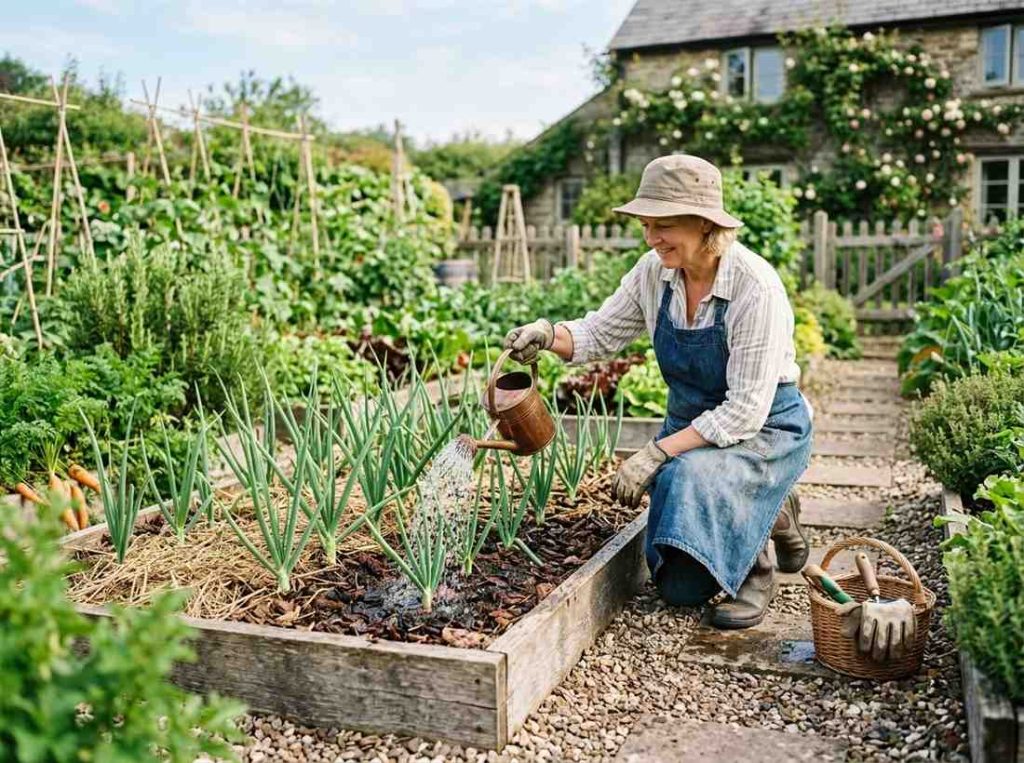
Thinning and weeding are key steps to grow big onions. Both help onions get enough space, air, and nutrients. Proper care here improves onion size and health.
Thinning means removing extra onion seedlings. This gives remaining onions more room to grow. Crowded onions stay small and weak. Thin seedlings when they are 2-3 inches tall. Leave 4-6 inches between each plant. This helps roots spread and bulbs grow large. Thin onions early to avoid root damage later.
Weeds steal water and nutrients from onions. They also block sunlight and air flow. Remove weeds often to keep soil clean. Use hand tools or hoe gently near onions. Avoid deep digging to protect onion roots. Mulching helps stop weed growth and keeps soil moist. Keep the onion bed free of weeds for best results.
Growing large onions takes care and the right methods. Maximizing bulb size means giving onions the best conditions to grow thick and healthy. Small changes in how you water, feed, and care for your onions can make a big difference.
Focus on the onion's needs during its growth. Proper care helps the bulbs swell and become big. Here are key steps to help your onions grow larger and stronger.
Choose onion varieties known for big bulbs. Plant them in loose, fertile soil. Keep soil moist but not wet. Fertilize regularly with a balanced fertilizer. Remove weeds that compete for nutrients. Thin seedlings to give space for bulbs to grow. Avoid disturbing roots during growth. These actions help bulbs grow wider and heavier.
Onions need full sun for at least six hours daily. Sunlight supports photosynthesis, which fuels bulb growth. Avoid planting onions in shaded areas. Too little light makes bulbs small and weak. Rotate crops yearly to prevent soil diseases. Sunlight is a simple but crucial factor for big onions.
Apply mulch around onions to keep soil moist. Mulch reduces water loss and keeps soil cool. Use straw, grass clippings, or shredded leaves. Mulching also prevents weeds from growing near onions. Keep mulch a few inches away from onion stems. This helps bulbs get enough water without rotting.
Harvesting and storing onions properly is key to keeping them fresh and tasty for a long time. Knowing when to pick onions and how to store them can save your hard work in the garden. This section explains the signs of readiness, the best harvesting techniques, and how to cure and store onions correctly.
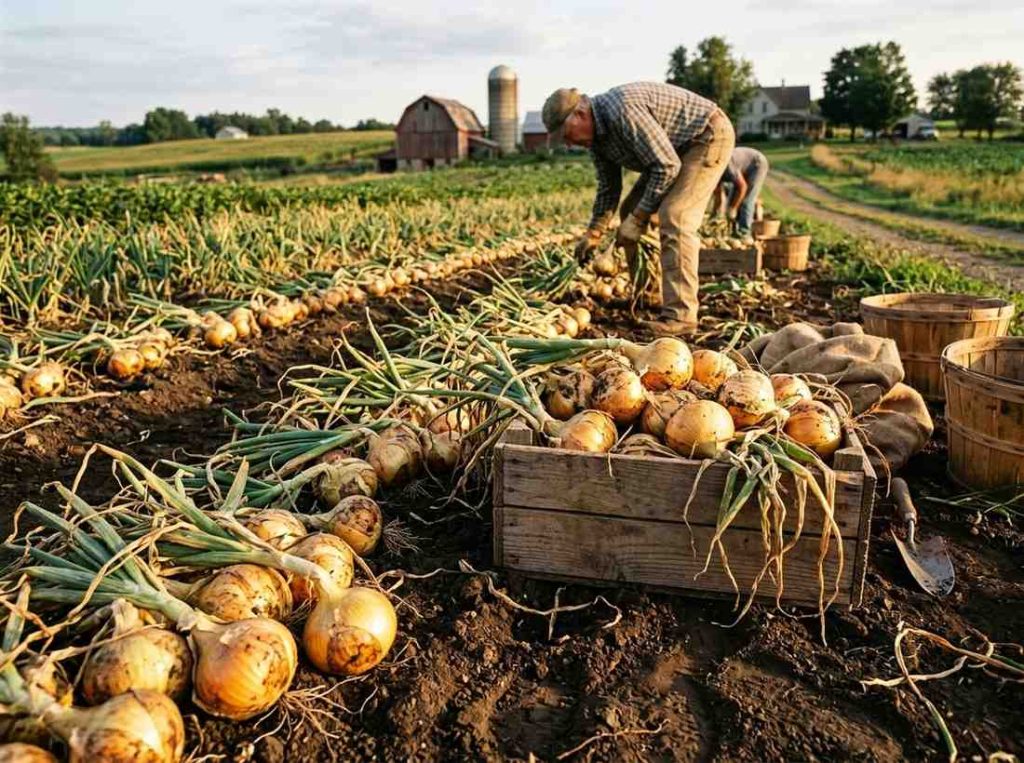
Onions are ready to harvest when their tops start to fall over and turn brown. The bulbs should be large and firm. The neck of the onion will feel soft and dry. Avoid waiting too long; overripe onions may split or rot. Check several onions before harvesting to confirm readiness.
Gently loosen the soil around each onion with a garden fork or shovel. Pull onions out by their base, not the tops, to avoid damage. Handle bulbs carefully to prevent bruises and cuts. Remove excess soil but do not wash the onions. Leave the tops attached during curing.
Place onions in a dry, well-ventilated area out of direct sunlight. Spread them out in a single layer on a screen or rack. Let onions cure for two to three weeks until the skins are dry and papery. After curing, trim the tops and roots. Store onions in a cool, dry place with good air flow. Avoid storing onions near potatoes to prevent spoilage.
Onions usually take 90 to 120 days to grow fully and reach a large size.
Loose, well-drained soil rich in organic matter helps onions grow large and healthy.
Water onions deeply once or twice a week, keeping soil moist but not soggy.
Use a balanced fertilizer with nitrogen early, then switch to phosphorus and potassium later.
Yes, onions need full sun, at least 6 hours daily, for bigger, healthy bulbs.
Growing big onions takes care, time, and the right soil. Water them well but avoid too much wetness. Give onions enough sunlight every day. Keep the area free from weeds to help growth. Watch for pests and handle them quickly.
With patience and good habits, big onions will grow strong. Enjoy the process and the tasty results!