Gardening Made Simple.
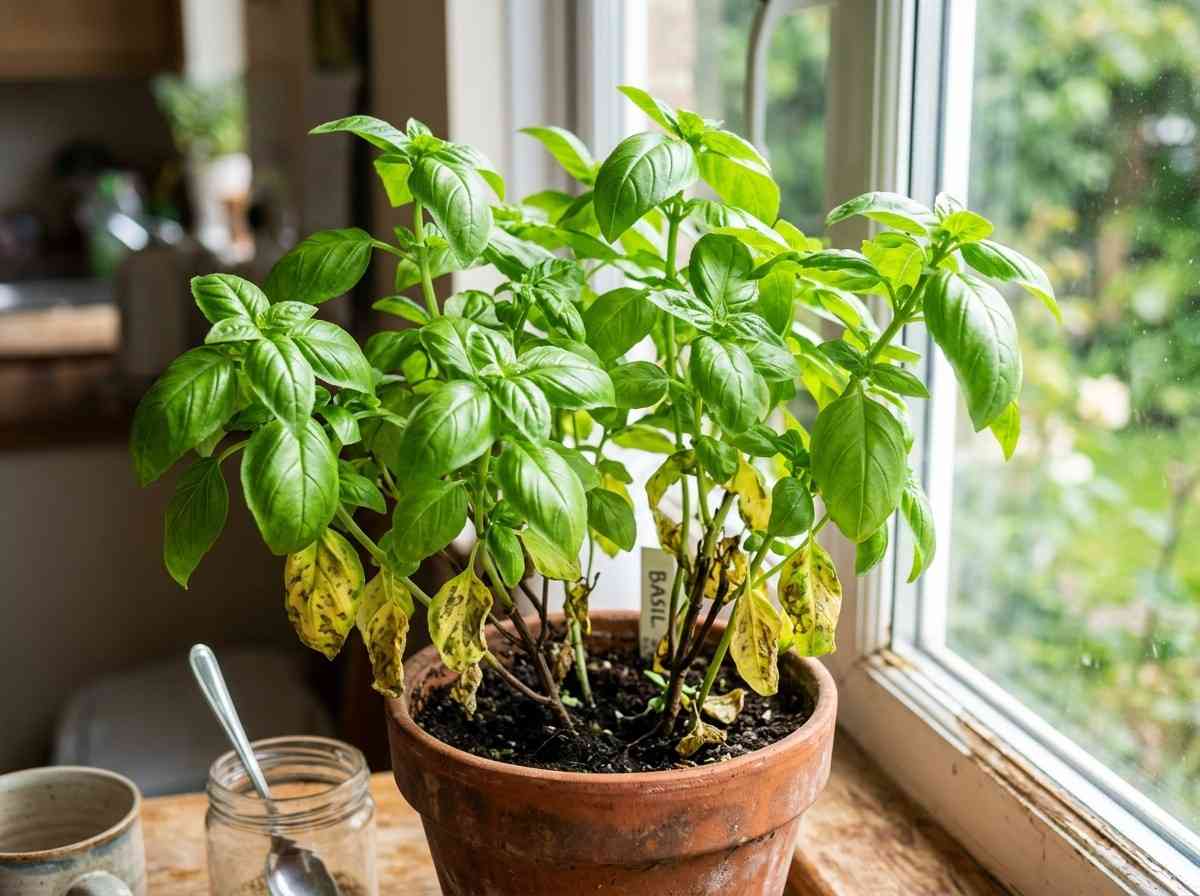
Have you noticed your once vibrant basil leaves turning yellow? It can be frustrating to see your favorite herb lose its lush green color. Understanding Why is My Basil Turning Yellow will help you identify the cause and take the right steps to restore your plant’s health and vigor.
You might wonder if your basil is sick or if you’re doing something wrong. The good news is, yellowing basil is a common problem with simple solutions. You’ll discover the main reasons behind yellow leaves and how you can bring your basil back to life.
Keep reading to save your plant and enjoy fresh, healthy basil again!
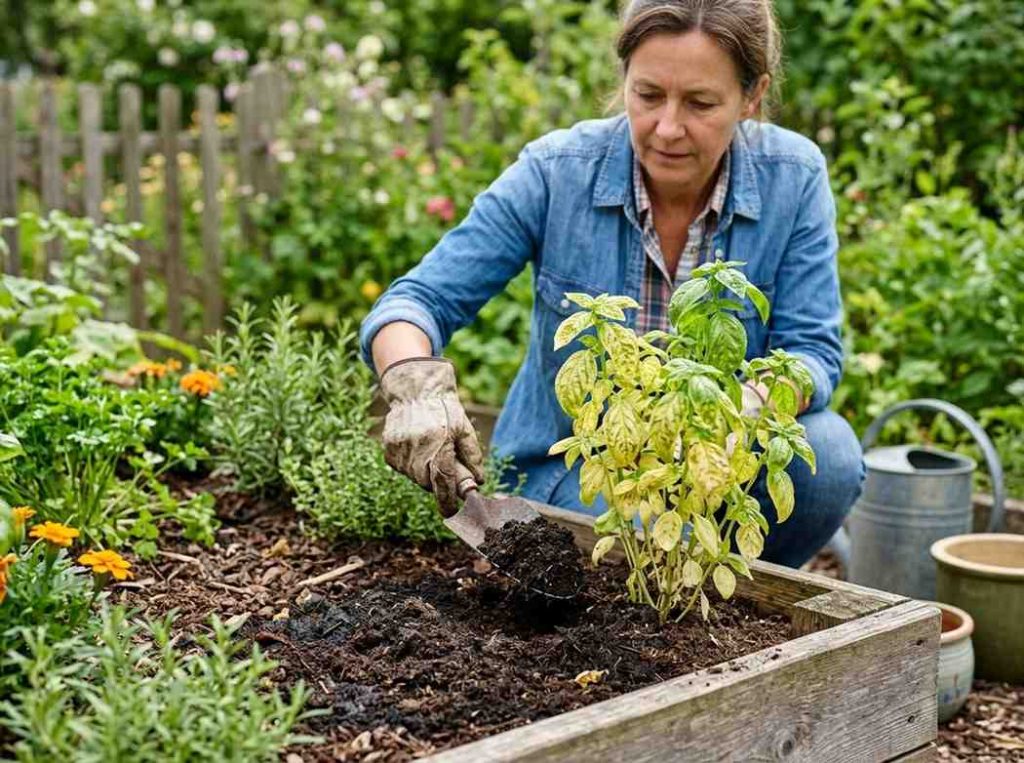
Basil leaves turning yellow can worry any gardener. Knowing the common causes helps fix the problem fast. Yellow leaves show the plant is stressed or unhealthy. Several factors can cause this color change.
Understanding these causes helps keep basil green and healthy. Each issue needs a different care approach. Spotting the right cause saves your plant from more damage.
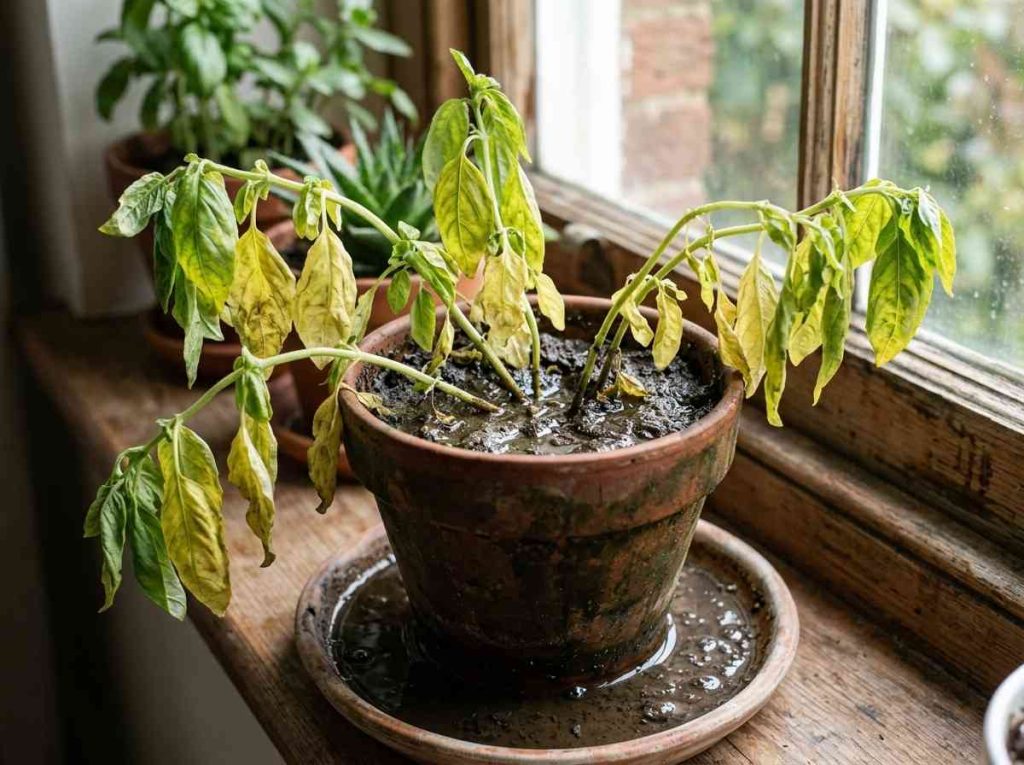
Too much water drowns basil roots. This stops oxygen from reaching them. Roots start to rot and leaves turn yellow. Overwatered soil feels soggy and smells bad. Make sure soil dries between watering sessions.
Not enough water makes basil leaves dry and yellow. The plant loses moisture and cannot do photosynthesis well. Soil feels dry and pulls away from pot edges. Water basil deeply but less often to avoid this.
Basil needs nutrients like nitrogen and iron. Lack of these causes yellowing leaves. Nitrogen deficiency shows yellow leaves starting at the bottom. Iron deficiency causes yellow between leaf veins. Use balanced fertilizers to provide nutrients.
Insects like aphids and spider mites suck sap from leaves. This weakens basil and turns leaves yellow. Fungal diseases cause spots and yellow patches too. Check leaves often for pests or mold. Treat early to save your plant.
Too much sun or cold can stress basil. Leaves may yellow from sunburn or cold damage. Basil prefers warm temperatures and partial sunlight. Avoid sudden changes in light or temperature. Keep basil in a stable, cozy spot.
Water is key to healthy basil plants. Too much or too little water causes yellow leaves. Knowing the signs of watering problems helps save your basil. This section explains how to spot overwatering and underwatering. It also shares tips for proper watering. Learn to care for your basil with the right amount of water.
Leaves turn yellow and look soft or wilted. The soil stays wet for many days. Roots may start to rot and smell bad. New growth slows down or stops. The plant looks weak despite enough sunlight.
Leaves curl up or dry out at the edges. Yellow spots appear, and leaves drop easily. Soil pulls away from the pot’s edge and feels dry. The plant looks droopy but the soil is dry. Growth becomes slow and the plant looks tired.
Check soil moisture before watering. Stick your finger about one inch into the soil. Water only when the soil feels dry at that depth. Water deeply until it drains from the pot bottom. Avoid watering the leaves directly. Use a pot with drainage holes to prevent water buildup.
Yellow leaves on basil often signal nutrient problems. Fixing these deficiencies helps the plant grow healthy and green. Understanding what nutrients basil needs and how to give them can stop yellowing fast.
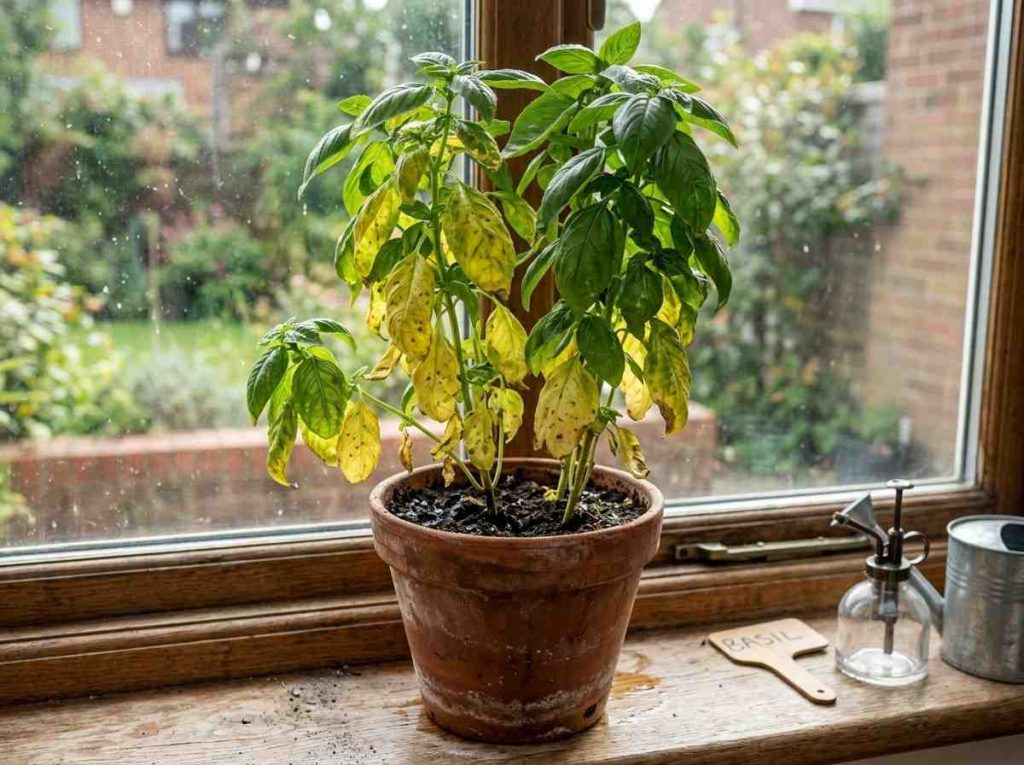
Yellow leaves may mean lack of nitrogen, iron, or magnesium. Nitrogen deficiency shows as light green or yellow older leaves. Iron shortage causes yellowing in young leaves, with green veins. Magnesium lack appears as yellow spots between leaf veins. Knowing these signs helps target the right fix.
Choose balanced fertilizers with nitrogen, phosphorus, and potassium. Organic options like compost or fish emulsion work well. They release nutrients slowly and improve soil health. For quick help, use liquid fertilizers diluted to half strength. Apply every two weeks during growing season for best results.
Good soil holds water and nutrients well. Add compost or aged manure to enrich soil naturally. Check soil pH; basil prefers slightly acidic to neutral (6.0 to 7.0). Avoid overwatering, which washes nutrients away. Mulch around plants to keep soil moist and cool.
Yellowing leaves on your basil plant often point to pests or diseases. These issues weaken the plant and slow growth. Early detection helps protect your basil. Understanding common pests and diseases is key. Effective natural treatments can save your plant without harsh chemicals.
Aphids are tiny insects that suck sap from basil leaves. They cause yellow spots and curling leaves. Spider mites are hard to see but leave webbing and yellow specks. Whiteflies also feed on sap, leaving a sticky residue. These pests spread quickly and damage your plant’s health.
Spray basil with a gentle mix of water and mild soap. This removes pests without harming the plant. Use neem oil to repel insects naturally. Introduce helpful insects like ladybugs to eat harmful pests. Keep basil clean by removing dead leaves and debris. These steps reduce pest problems safely.
Fungal diseases cause yellow patches and spots on basil leaves. Powdery mildew shows as white powdery spots. To treat, remove infected leaves carefully. Improve air circulation around plants by spacing them well. Use a baking soda spray to slow fungal growth. Avoid watering leaves directly to prevent fungi.
Managing environmental factors is key to keeping basil healthy and green. Basil plants are sensitive to their surroundings. Changes in light, temperature, and humidity can make leaves yellow. Stress from moving the plant also affects its color.
Understanding these factors helps you give basil the right care. Small changes can bring big improvements in leaf color and plant health.
Basil needs plenty of light. Bright, indirect sunlight is best. Too little light makes leaves yellow and weak. Too much direct sun can burn leaves. Place basil near a sunny window but avoid harsh midday sun. Using grow lights can help in darker rooms.
Basil grows well between 65°F and 80°F. Cold temperatures below 50°F cause yellow leaves. Keep basil away from drafts and air conditioners. Humidity should be moderate. Dry air makes leaves dry and yellow. Use a humidity tray or mist the plant to keep moisture up.
Transplanting basil can stress the plant. Roots may get damaged or disturbed. This stress shows as yellow leaves. Move basil gently and water it well after transplanting. Let the plant rest in a calm spot. Avoid fertilizing right after moving the plant.
Preventive care is key to keeping your basil green and healthy. Yellow leaves often show problems that could be avoided early. Simple steps help your basil grow strong and lush. Let’s explore some easy ways to care for your basil every day.
Pruning keeps basil plants full and healthy. Cut the top leaves regularly to encourage new growth. Remove yellow or dead leaves right away. This stops disease and keeps air flowing around the plant. Trim before flowers appear to keep leaves tender and tasty.
Choose pots with good drainage for basil. Too much water causes root rot and yellow leaves. Pick a pot size that fits the plant’s roots comfortably. Avoid pots that are too big or too small. Use light-colored pots to reflect sunlight and keep roots cool.
Check your basil daily for signs of stress. Look for yellowing, spots, or pests on leaves. Feel the soil to keep watering just right—never too wet or dry. Early detection helps fix problems before they worsen. Healthy basil needs close attention and care.
Yellowing basil often means overwatering or poor drainage. Roots need air, not soggy soil. Check soil moisture and improve drainage.
Yes, too much direct sun can stress basil leaves. Basil prefers partial shade in hot weather. Move plants to less intense light if needed.
Nutrient deficiency, especially nitrogen, causes yellowing leaves. Use balanced fertilizer to supply essential nutrients. Healthy soil keeps basil green and strong.
Watering too much or too little turns leaves yellow. Basil likes moist, not wet, soil. Water when the top inch feels dry.
Yes, pests like aphids or spider mites can yellow leaves. Check leaves for small insects or webbing. Treat plants with safe insect control methods.
Yellow basil leaves show your plant needs help. Check water levels and sunlight first. Too much water or little sun can cause yellowing. Look for pests or poor soil too. Fix these problems early to save your basil. Healthy basil grows green and strong.
Keep an eye on your plant often. With care, your basil will thrive again soon. Simple steps make a big difference in plant health. Don’t give up—your basil can recover well.