Gardening Made Simple.

Are you ready to grow crisp, tasty radishes right in your own garden? Learning how to plant radish seeds the right way makes the process simple and rewarding, helping you enjoy a fast, fresh harvest in just a few weeks.
Imagine harvesting your own vibrant, crunchy radishes that add a burst of flavor to any meal. In this guide, you’ll discover simple tips that make planting radish seeds quick and successful. Keep reading to unlock the secrets that will turn your garden into a radish-growing success story!
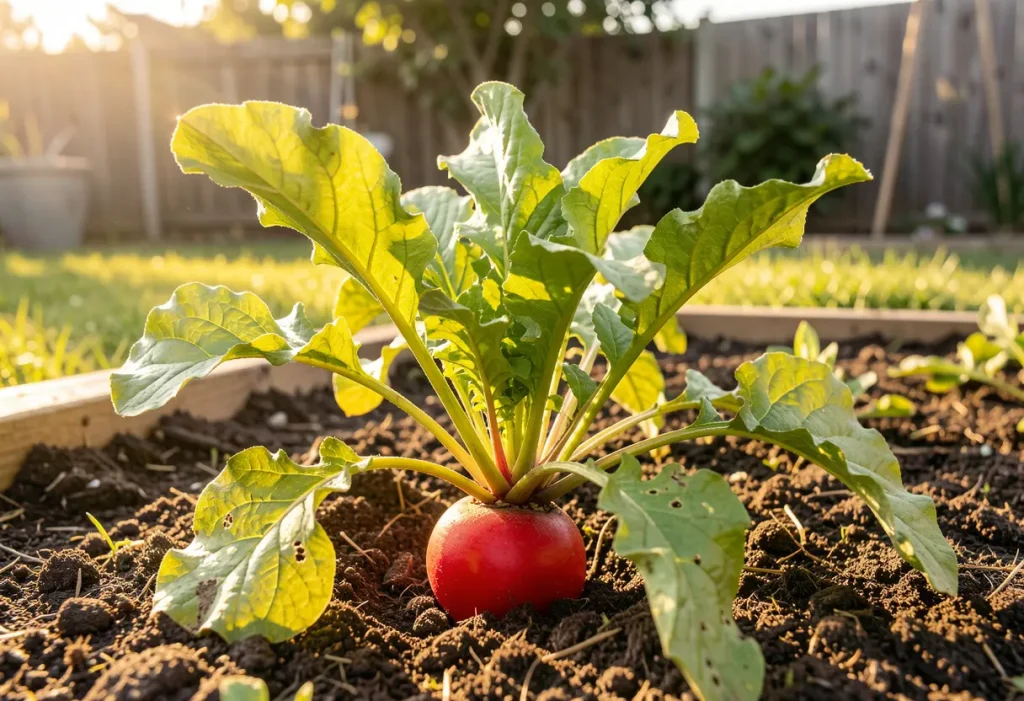
Choosing the right radish variety is key to a successful harvest. Different radishes grow best in different conditions. Some mature quickly, while others take more time. Picking a variety that fits your garden and taste helps you enjoy fresh radishes all season.
Radishes come in many shapes, sizes, and flavors. Some are sweet and mild, others are spicy. Knowing these differences makes planting easier. Here are some common types to consider.
Cherry Belle radishes are round and bright red. They grow fast, usually in just 25 days. These radishes have a crisp texture and mild flavor. They do well in most climates and are great for beginners.
French Breakfast radishes are long and thin. They have a red tip and white body. Their taste is mild with a slight peppery kick. These radishes grow best in cool weather. They add color and crunch to salads.
Daikon radishes are large and white. They take longer to grow, about 50 to 70 days. Daikon has a mild, sweet flavor. They do well in cooler seasons and need more space to grow.
White Icicle radishes are long and white. They mature in about 30 days. Their flavor is sharp and spicy. These radishes prefer cooler weather and loose soil. They are perfect for snacking or pickling.
Preparing the soil is the first step to growing healthy radishes. Good soil helps seeds sprout quickly and roots grow strong. It also keeps the plants safe from pests and diseases.
Radishes grow best in loose, well-drained soil. Sandy loam or loamy soil works well. The soil should not hold too much water or stay soggy. The ideal pH level is between 6.0 and 7.0. Test the soil pH using a simple kit before planting. Adjust the pH by adding lime to raise it or sulfur to lower it.
Clear the planting area of rocks, weeds, and old roots. Use a garden fork or tiller to loosen the soil. Work the soil to a depth of about 8 inches. This helps the radish roots grow deep and straight. Loose soil also improves air and water movement around the roots.
Add compost or well-rotted manure to enrich the soil. Mix it evenly into the top 6 inches of soil. Avoid using fresh manure as it may burn the seeds. Use a balanced fertilizer with equal parts nitrogen, phosphorus, and potassium. Fertilizer helps the plants get nutrients for fast growth and healthy roots.
Choosing the right time to plant radish seeds is key to a healthy crop. The timing affects how fast your radishes grow and how tasty they become. Radishes prefer cooler weather, so planting at the right season helps avoid problems like poor growth or bitter taste.
Planting too early or too late can harm the seeds. Understanding seasonal patterns and your local climate helps pick the best moment. This way, your radishes get the best start and yield a good harvest.
Radishes grow best in cool seasons like spring and fall. The soil should be moist and not frozen. Plant seeds about 4 weeks before the last frost in spring. For fall, plant seeds 6 to 8 weeks before the first frost.
In hot summer months, radishes often become tough and bitter. Avoid planting during peak heat. Short growing seasons also mean faster harvest times. Radishes usually mature in 3 to 4 weeks.
Climate influences how radish seeds sprout and grow. Cooler climates extend the growing season for radishes. Warmer climates may require planting in early spring or late fall.
Check local temperature trends before planting. Radishes prefer soil temperatures between 50°F and 70°F. High heat slows growth and reduces quality.
Humidity and rainfall also matter. Too much water can cause root rot. Too little water makes radishes woody and dry. Adjust watering based on your climate for best results.
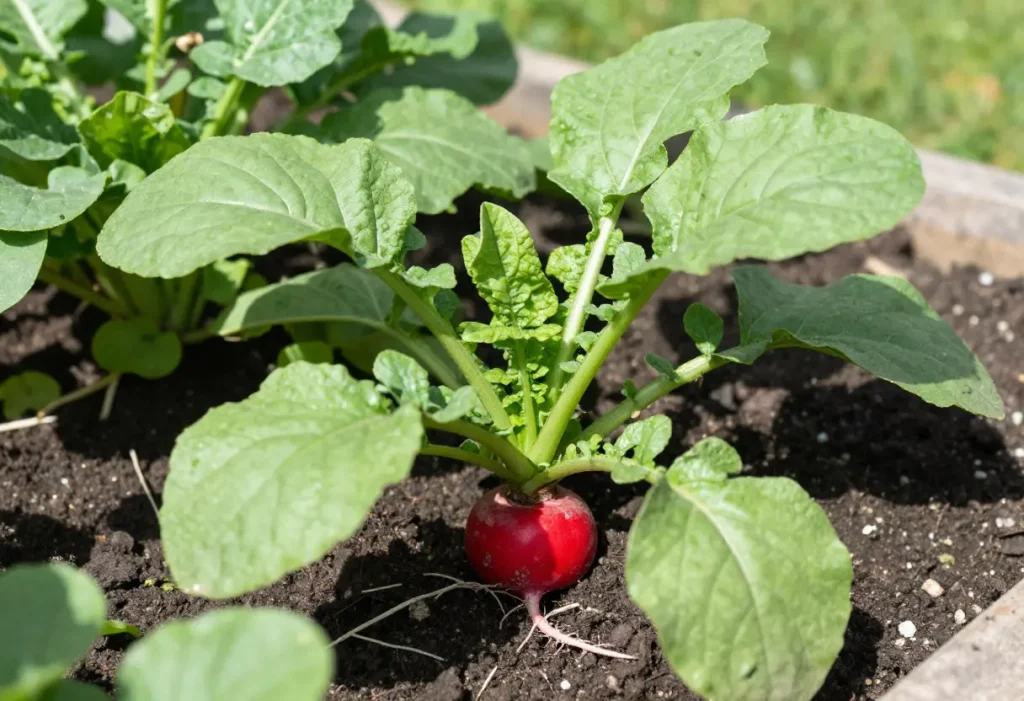
Sowing radish seeds is a simple and quick step to start your garden. Radishes grow best in loose, well-drained soil. Prepare the soil by loosening it and removing stones. This makes it easy for radish roots to grow straight and healthy.
Planting radish seeds properly helps ensure a good harvest. Pay attention to how deep and far apart you place the seeds. Also, arrange the rows for easy care and good air flow.
Plant radish seeds about 1 inch deep in the soil. This depth keeps them safe but allows sprouts to break through easily. Space seeds 1 inch apart to give each radish room to grow. Crowded seeds lead to small, misshapen radishes. Thin seedlings to 2 inches apart once they sprout. This step helps roots develop fully and prevents overcrowding.
Set rows 12 inches apart for easy access. This spacing lets you water and weed without stepping on plants. Straight rows also help air circulate around radishes. Good air flow reduces the chance of disease. Mark your rows with sticks or string for neat planting. Keep rows aligned to save space and grow more radishes in your garden.
Watering radish seeds properly is key to healthy growth. Water helps seeds sprout and roots grow strong. Too little water can stop growth. Too much water can harm the plants. Knowing how to water radish seeds helps them grow fast and tasty.
Water radish seeds lightly every day. Keep the soil moist but not soggy. Use about half an inch of water each time. Check soil with your finger. If the top inch feels dry, it’s time to water. Early morning watering works best.
Too much water causes root rot and weak plants. Avoid puddles or soggy soil around seeds. Water only when soil is dry on top. Use well-draining soil to prevent water buildup. Good airflow around plants also helps keep roots healthy.
Thinning seedlings is an important step after radish seeds start to grow. It means removing some young plants to give others space to grow strong. Without thinning, radish roots will be crowded and small. Thinning helps plants get enough air, water, and nutrients from the soil.
Do this task gently to avoid harming the other seedlings. The goal is to keep the healthiest and strongest plants. Thin seedlings when they have two or three leaves. This usually happens about one to two weeks after planting.
First, look for the smallest or weakest seedlings. These are the ones to remove. Use small scissors or pinch them off at soil level with your fingers. Avoid pulling seedlings out because this can damage the roots of nearby plants.
Leave about 2 inches (5 cm) between each radish plant. This space allows roots to grow large and round. It also helps leaves get enough sunlight to make food for the plant.
Thin seedlings when they are young and easy to handle. Waiting too long makes the job harder and can harm the plants. Check your radish patch every few days for the right time to thin.
Managing pests and diseases is vital for healthy radish growth. Pests can damage leaves and roots, reducing your harvest. Diseases can weaken plants and slow their growth. Early care helps keep radishes strong and productive.
Aphids often attack radish leaves. These tiny insects suck plant juices. Flea beetles create small holes in leaves. Root maggots burrow into radish roots, causing decay. Each pest harms the plant in different ways. Spotting pests early helps control them.
Plant radishes in well-drained soil to prevent diseases. Use row covers to block pests from reaching plants. Remove weeds that attract insects. Water plants at the base to keep leaves dry. Rotate crops to stop pest buildup in soil. Inspect plants regularly to catch problems early.
Harvesting radishes is an exciting part of gardening. It shows the result of your care and patience. Knowing the right time and method to harvest ensures fresh, tasty radishes. This section helps you identify when radishes are ready. It also explains how to pick them properly to keep them fresh and crunchy.
Radishes grow fast and usually mature in 20 to 30 days. The size of the radish root is the best sign. Most radishes are ready when the root is about 1 inch wide. The leaves will look healthy and green. Avoid waiting too long; radishes become woody and bitter after maturity.
Check the soil surface for round or oval shapes. These shapes show the radish is pushing up. If the radish is too small, wait a few more days. If it is too big, it may be overripe.
Use gentle hands to avoid damaging radishes. Grab the base of the leaves near the root. Pull the radish straight up from the soil. Do this slowly to keep the root intact. If the soil is hard, loosen it with a small fork first.
After pulling, shake off excess dirt. Wash radishes with cool water before eating. Store them in the fridge to keep them crisp. Remove the leaves if not eating immediately; they draw moisture from the root.
Radishes are crisp and flavorful, making them a favorite in many kitchens. Storing them correctly keeps their taste fresh and texture firm. Using radishes in different dishes adds a nice crunch and a peppery bite. Understanding how to store and use radishes helps reduce waste and enjoy them longer.
Remove the leafy tops before storing radishes. Leaves draw moisture and make radishes spoil faster. Place radishes in a plastic bag or airtight container. Store them in the refrigerator’s crisper drawer. Radishes stay fresh for up to two weeks this way. For longer storage, soak radishes in cold water. Change the water every day to keep them crisp.
Radishes add spice and crunch to salads and sandwiches. Slice them thin to use as a fresh topping. Roasting radishes softens their bite and brings out sweetness. Radishes also work well in soups and stir-fries. Pickled radishes add tang and color to meals. Use radish greens in soups or salads for extra nutrition.
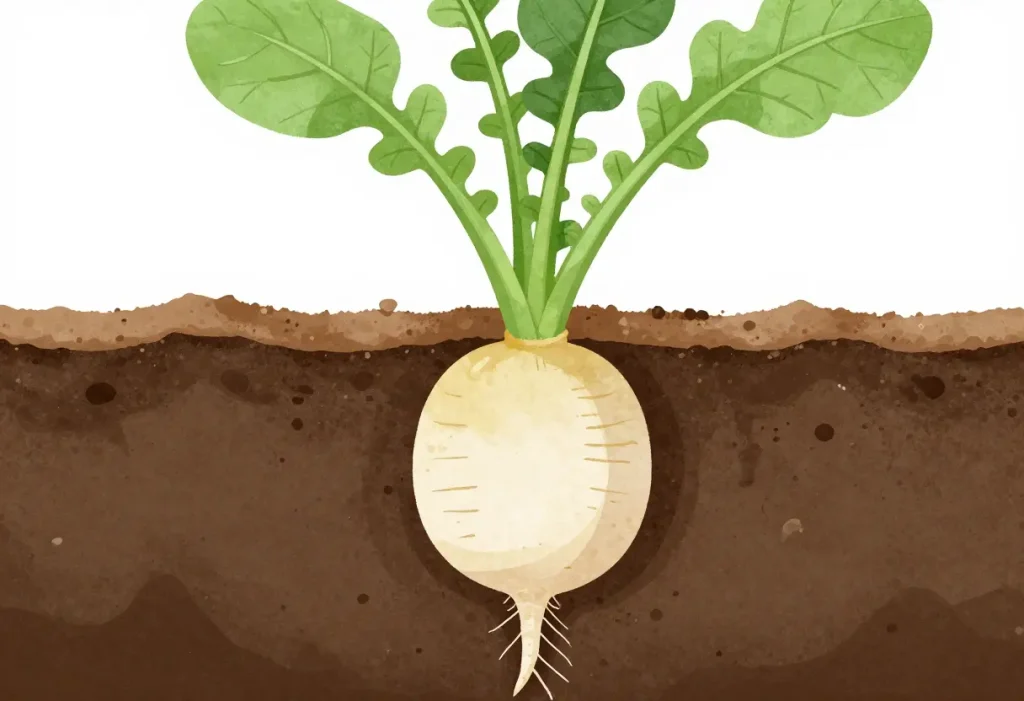
Plant radish seeds about ½ inch deep in loose soil. This depth helps seeds sprout quickly and grow well.
Keep the soil moist but not wet. Water radish seeds lightly every day until they sprout.
Radishes grow best in loose, well-drained soil with good fertility. Avoid heavy clay or soggy soil.
Radish seeds usually sprout in 3 to 7 days. Warm soil speeds up germination.
Radishes prefer full sun but can grow in partial shade. Too much shade may slow their growth.
Planting radish seeds is simple and rewarding. Choose a sunny spot with loose soil. Sow seeds shallow and water gently. Keep the soil moist but not wet. Radishes grow quickly, so watch for harvest time. Thin seedlings to give space for roots.
Enjoy fresh radishes in salads or snacks. Growing your own food brings joy and health. Start small, be patient, and have fun gardening. Radishes add color and crunch to your garden and plate.