Gardening Made Simple.

Are you noticing yellow leaves on your cucumber plants and wondering what’s going wrong? If you’re searching for How to Treat Yellowing Cucumber Leaves, understanding the causes can help you fix the problem quickly and keep your plants healthy and productive.
Understanding why your cucumber leaves turn yellow is the first step to bringing your plants back to life. You’ll discover simple, effective ways to treat yellowing cucumber leaves and keep your garden healthy and thriving. Keep reading to learn how to save your cucumbers before the problem gets worse.
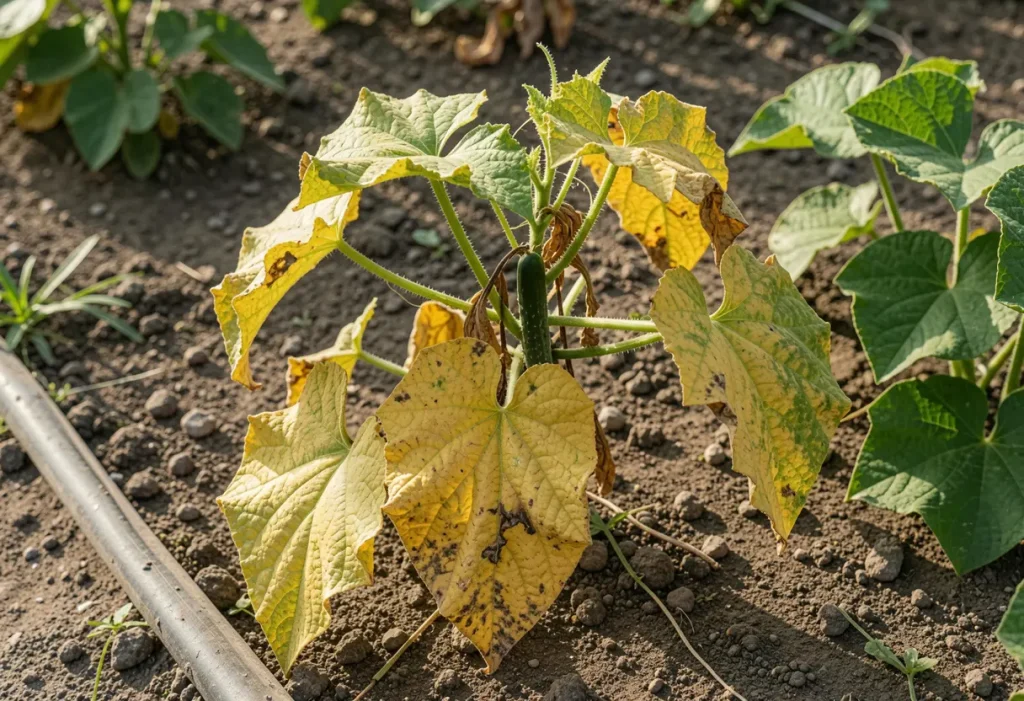
Yellowing leaves on cucumber plants signal a problem. This issue can slow growth and reduce fruit quality. Knowing the causes helps treat the plant properly. Several factors cause leaves to turn yellow. Identifying the right cause prevents further damage.
Plants need nutrients to stay healthy and green. Lack of nitrogen is a common reason for yellow leaves. Nitrogen helps leaves grow and stay vibrant. Iron or magnesium shortages can also cause yellowing. These nutrients keep the leaves strong and green. Using balanced fertilizer can fix nutrient problems.
Both too much and too little water harm cucumber leaves. Overwatering can drown roots and stop nutrient uptake. Leaves turn yellow and wilt in this case. Underwatering causes stress and leaf discoloration too. Keeping soil moist but not soggy is best. Water the plants deeply and regularly.
Insects like aphids and spider mites suck plant juices. This weakens leaves and causes yellow spots. Fungal diseases such as powdery mildew also damage leaves. Disease makes leaves turn yellow and dry out. Check plants often for pests or signs of illness. Treat pests early to save your cucumber plants.
Too much sun or cold temperatures stress cucumber plants. Heat stress can cause leaves to yellow and curl. Cold weather slows growth and leads to yellow leaves. Poor air circulation or crowded plants worsen stress. Provide shade in hot weather and protect from frost. Healthy conditions help leaves stay green and strong.
Yellowing leaves on cucumber plants signal a problem. Identifying the cause is essential before treatment. It helps save your plants and improve growth. This section covers simple ways to find out why leaves turn yellow.
Look closely at the yellow leaves. Check the color pattern. Yellow spots might mean disease. Yellow edges can show nutrient lack. Feel the leaf texture. Dry or brittle leaves suggest water issues. Soft and limp leaves might mean root problems. Inspect both top and bottom surfaces carefully.
Test the soil to find nutrient problems. Use a simple home soil test kit. It measures pH and nutrient levels. Cucumber plants need balanced nutrients to thrive. Low nitrogen often causes yellow leaves. Adjust soil with fertilizers based on test results. Proper soil care supports healthy leaves and growth.
Look for tiny insects on leaves and stems. Aphids and spider mites cause yellow spots. Use a magnifying glass to see small pests. Check under leaves where pests hide. Sticky residue or webbing also shows pest presence. Removing pests early prevents leaf damage and spread.
Yellow leaves on cucumber plants often signal nutrient problems. Fixing these issues helps plants grow healthy and strong. Nutrient solutions restore balance and support leaf recovery. Focus on key nutrients for best results.
Nitrogen is vital for leaf growth and color. Too little nitrogen causes yellow leaves. Too much nitrogen leads to weak plants and poor fruit. Test soil to know nitrogen levels. Apply nitrogen fertilizer carefully to avoid overfeeding.
Organic fertilizers improve soil and provide nutrients slowly. Compost, manure, and fish emulsion are good choices. They feed plants and help soil microbes. Organic options reduce the risk of burning plants. Use them regularly to keep soil healthy.
Micronutrients like iron, magnesium, and zinc keep leaves green. Deficiency causes yellow spots or pale leaves. Use foliar sprays or soil amendments to add micronutrients. Small amounts make a big difference. Check plant response after applying supplements.
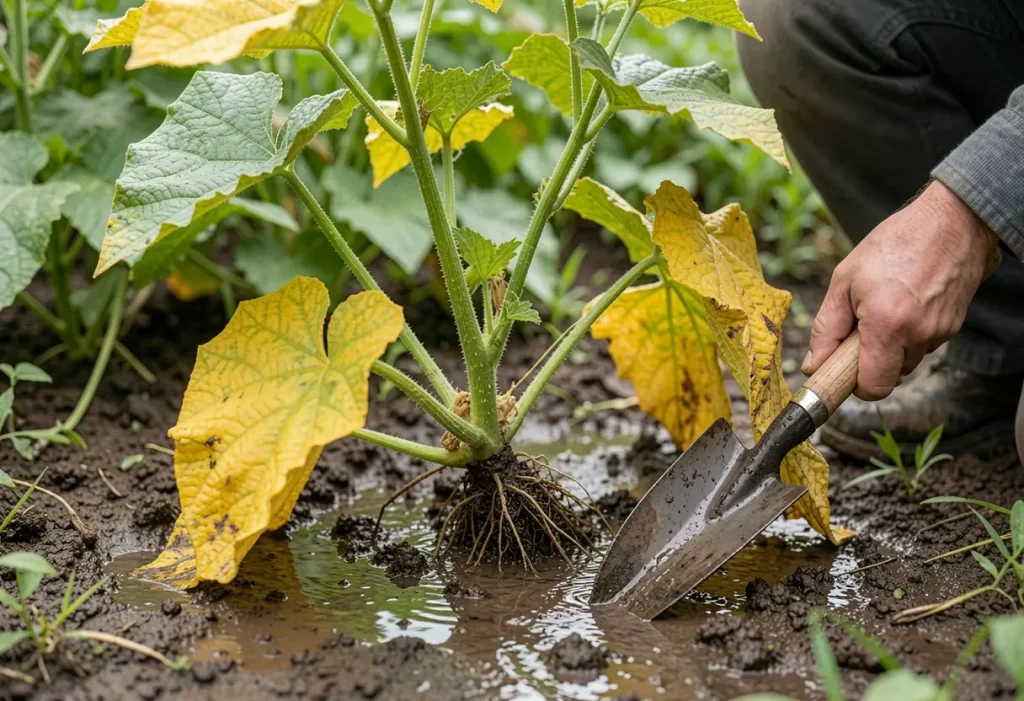
Watering plays a big role in stopping cucumber leaves from turning yellow. Giving the right amount of water helps the plant stay healthy. Too little or too much water can stress the plant and cause yellow leaves. Follow these watering tips to keep your cucumber plants strong and green.
Water cucumbers deeply but not too often. Usually, watering once or twice a week is enough. Check the soil before watering. If the top inch feels dry, it is time to water. Water in the morning to help the plant use moisture during the day.
Too much water can drown cucumber roots. This stops roots from taking oxygen. Yellow leaves often mean roots are too wet. Water only when the soil is dry on top. Use a moisture meter if unsure. Avoid watering every day unless it is very hot.
Good soil drainage stops water from sitting around roots. Add sand or compost to heavy soil to help water flow. Raised beds also improve drainage. Make small holes or channels in the soil to let water escape. Healthy drainage keeps roots healthy and leaves green.
Yellowing cucumber leaves often signal pest or disease problems. Controlling these issues helps plants stay healthy and produce more fruit. Early action prevents damage from spreading across your garden. Understanding pest and disease control is key to vibrant cucumber plants.
Use neem oil spray to fight common pests like aphids and spider mites. Mix water with a few drops of dish soap for a gentle insecticide. Introduce beneficial insects such as ladybugs to eat harmful bugs. Handpick visible pests from leaves to reduce their numbers. Keep plants clean by removing dead leaves to limit pest hiding spots.
Apply copper-based fungicides to control fungal infections like powdery mildew. Use sulfur sprays to prevent and treat leaf spots and blights. Follow label instructions carefully for safe application. Repeat treatments may be necessary for persistent diseases. Avoid spraying in hot sun to protect plant leaves.
Plant cucumbers in well-drained soil with good airflow to reduce disease risk. Rotate crops yearly to prevent soil-borne diseases. Water plants at the base to keep leaves dry. Mulch around plants to control weeds and conserve moisture. Regularly inspect plants to catch problems early and act fast.
Optimizing growing conditions plays a key role in preventing yellowing cucumber leaves. Healthy plants need the right environment to thrive. Small changes in temperature, sunlight, and soil can make a big difference. By adjusting these factors, you help your cucumber plants stay green and strong.
Cucumbers grow best in warm weather. Keep temperatures between 70°F and 85°F (21°C to 29°C). Too cold or too hot can stress the plants and cause yellow leaves. Humidity should be moderate. Too much moisture creates diseases, while too little dries the leaves. Aim for 50% to 70% humidity for ideal growth.
Cucumbers need full sun to stay healthy. Give them at least 6 to 8 hours of direct sunlight daily. Insufficient light weakens the plants and causes yellowing. Place plants where they receive bright, even light. Avoid shady spots that slow growth and reduce leaf color.
Soil pH affects nutrient uptake for cucumbers. Aim for a pH between 6.0 and 7.0. Test your soil with a simple kit to know the exact level. Acidic or alkaline soil blocks nutrient absorption, leading to yellow leaves. Add lime to raise pH or sulfur to lower it, based on test results.
Pruning and maintenance play a key role in treating yellowing cucumber leaves. These tasks help keep the plant healthy and strong. Removing damaged parts stops the spread of disease. It also helps the plant focus energy on new growth. Regular care supports better fruit production and a vibrant garden.
Cut off yellow or damaged leaves carefully. Use clean, sharp scissors or pruning shears. Remove leaves close to the stem without harming the main plant. This stops disease from spreading to healthy leaves. Dispose of the removed leaves far from your garden.
Pruning helps the plant grow fresh leaves and stems. New growth is often green and strong. Trim back older vines to give space for new shoots. Fertilize the plant lightly to support healthy development. Water regularly but avoid overwatering to prevent root issues.
Check cucumber plants often for early signs of yellowing. Look under leaves and at the base of the plant. Early detection helps prevent bigger problems. Keep an eye on pests and nutrient levels. Adjust care routines as needed to maintain plant health.
Yellow leaves often mean your cucumber plant lacks water or nutrients. Poor drainage or too much sun can also cause yellowing.
Water your cucumbers regularly and ensure soil drains well. Use balanced fertilizer to give nutrients and avoid overwatering.
Fungal infections like powdery mildew and bacterial wilt cause yellow leaves. Remove affected leaves and use fungicides to control spread.
Yes, too much direct sunlight can stress plants and turn leaves yellow. Provide shade during hot afternoons to protect your cucumbers.
Prune yellow leaves as soon as you spot them to prevent disease. Removing damaged leaves helps the plant focus energy on healthy growth.
Treating yellowing cucumber leaves takes patience and care. Check your plants often for signs of stress or disease. Water them properly and give enough sunlight. Use natural remedies or fertilizers to help leaves regain color. Remove severely yellow leaves to protect the whole plant.
Healthy leaves mean better cucumbers and a stronger garden. Keep learning and observing your plants closely. Small steps can make a big difference in your cucumber’s health. Stay consistent, and your garden will thank you with fresh, green cucumbers.