Gardening Made Simple.
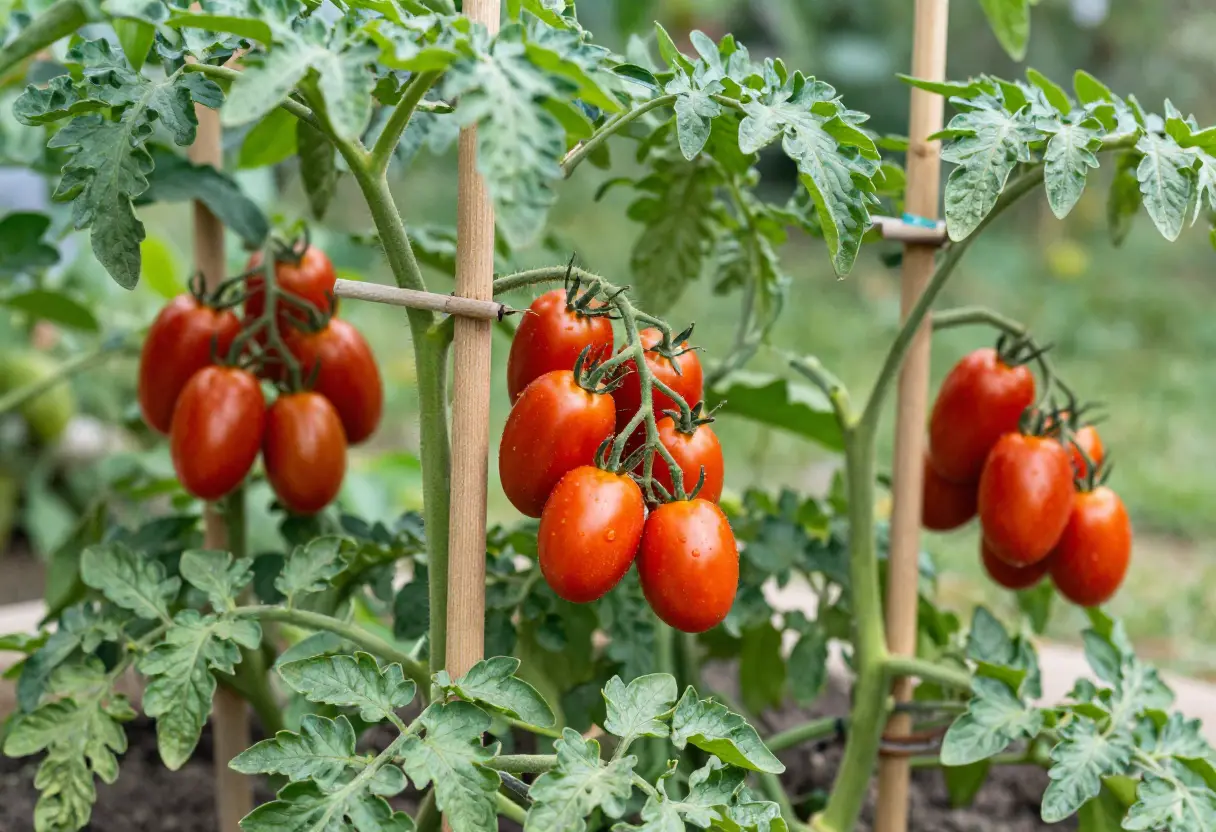
If you want juicy, flavorful Roma tomatoes right from your own garden, you’re in the right place. Learning How to Grow Roma Tomatoes might seem tricky at first, but with the right tips and care, you can enjoy a bountiful harvest that tastes far better than store-bought.
Imagine picking fresh tomatoes for your salads, sauces, or snacks whenever you want. Ready to learn how to grow Roma tomatoes that thrive and produce plenty? Keep reading, and you’ll discover simple steps that make all the difference.
Choosing the right Roma tomato variety is key to a healthy and fruitful garden. Different types suit different climates and garden spaces. Picking the best variety helps ensure good taste and high yield. Consider your local growing conditions and what you want from your tomatoes.
Heirloom Roma tomatoes have been passed down for generations. They offer rich flavors and unique shapes. Heirlooms grow well in organic gardens but may need more care. Hybrid Romas are bred for strength and uniformity. They often produce larger harvests and resist pests better. Choose heirlooms for taste and tradition. Pick hybrids for easier growing and higher yields.
Disease-resistant Roma tomatoes reduce the need for chemicals. These varieties stand strong against blight and wilt. Growing resistant types saves time and effort. Check seed packets for disease resistance labels. Select varieties that suit your garden’s common problems. Healthy plants mean better fruit and less worry.
Preparing the soil is the first step to growing healthy Roma tomatoes. Good soil helps plants get the nutrients and water they need. It also supports strong roots and better fruit production. Taking time to prepare the soil leads to better tomato growth and a bigger harvest.
Start by checking the soil’s condition. Then, make changes to improve its health and structure. This way, Roma tomato plants will have a perfect place to grow.
Roma tomatoes grow best in soil with a pH between 6.0 and 6.8. This range helps plants absorb nutrients easily. Test the soil pH using a simple kit from a garden store. If the soil is too acidic, add lime to raise the pH. If it is too alkaline, add sulfur to lower the pH.
Tomatoes need nutrients like nitrogen, phosphorus, and potassium. These help leaves, roots, and fruits grow well. Use a balanced fertilizer or compost to add nutrients. Avoid too much nitrogen, as it can cause many leaves but fewer fruits.
Good drainage prevents water from pooling around the roots. Roma tomatoes do not like "wet feet." Add organic matter like compost or aged manure to improve soil texture. This helps water drain well and keeps the soil loose.
Mixing compost also boosts soil fertility. It adds nutrients and helps soil hold moisture. Work the compost into the top 6 to 8 inches of soil before planting. This creates a rich, healthy environment for Roma tomato roots to grow strong.
Growing Roma tomatoes starts best indoors. This method gives seeds a warm, safe place to sprout. It helps plants grow strong before moving outside. Starting seeds indoors also protects young plants from harsh weather.
Use seed trays or small pots filled with seed-starting mix. Plant seeds about half an inch deep. Keep the soil moist but not soggy. Place the containers in a warm area to encourage germination.
Seedlings need plenty of light to grow tall and healthy. Place them near a sunny window or under grow lights. Use a light source for 12 to 16 hours daily. Keep lights a few inches above the seedlings.
Water seedlings gently to keep soil moist. Avoid overwatering, which can cause root rot. Thin seedlings by snipping weaker ones to give space to the strongest plants.
Transplant seedlings after they grow 2 to 3 sets of true leaves. This stage shows they are strong enough for the garden. Wait until outdoor temperatures stay above 50°F (10°C).
Harden off seedlings by placing them outside for a few hours daily. Increase time outside over one week. This helps plants adjust to outdoor light and wind.
Planting Roma tomatoes in your garden starts with simple steps. Proper planting helps your plants grow strong and produce tasty fruit. Follow these tips to set your Roma tomatoes up for success.
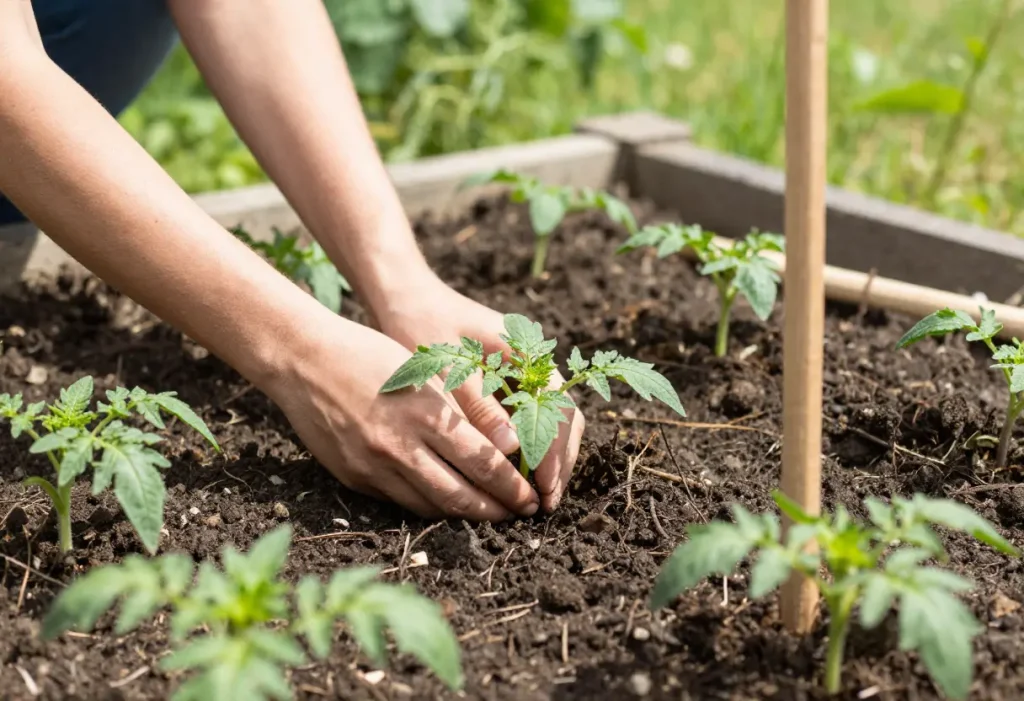
Space Roma tomato plants about 18 to 24 inches apart. This gives each plant room to grow and breathe. Dig holes deep enough to cover two-thirds of the plant stem. Planting deep helps roots grow better. Firm the soil around the stem to keep the plant steady. Water the plants right after planting to settle the soil.
Pick a sunny spot for your Roma tomatoes. They need at least 6 to 8 hours of direct sunlight daily. Avoid places with strong winds or heavy shade. Well-drained soil is important to stop water from sitting around roots. If the soil is heavy or clay-like, mix in compost to improve drainage and nutrition.
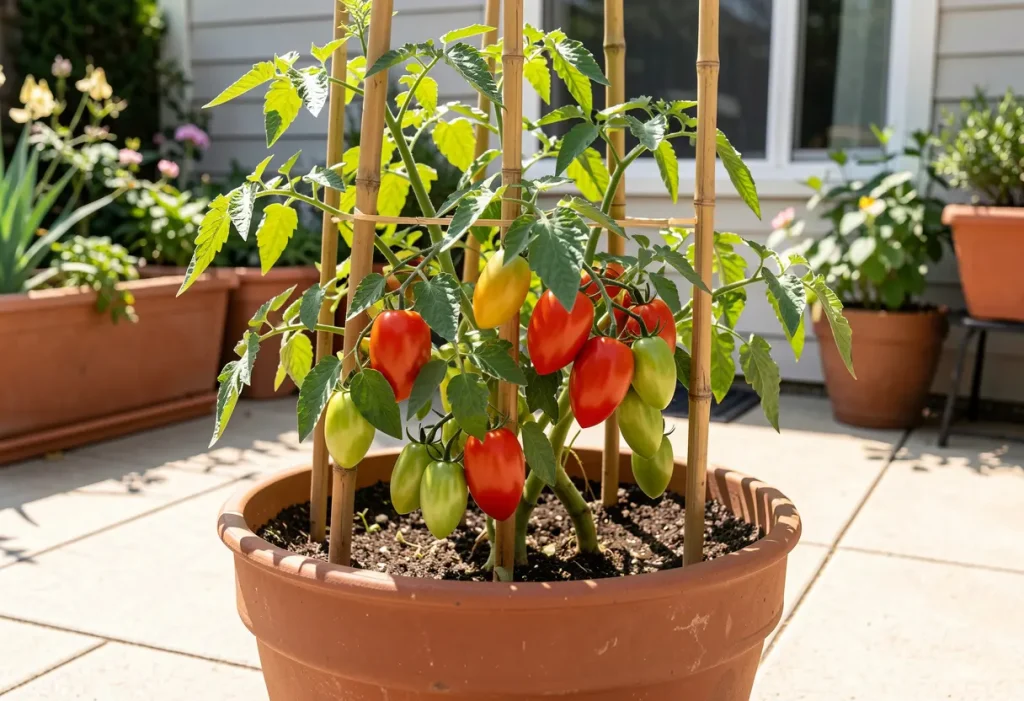
Watering and feeding Roma tomatoes are essential for healthy growth and good fruit production. These plants need consistent moisture and nutrients to thrive. Proper care helps prevent common problems like cracking fruit or weak stems. Understanding how to water and feed your tomatoes will boost your chances of a strong, productive crop.
Roma tomatoes need deep watering to grow well. Water the plants at the base, not the leaves. This reduces disease risk. Aim to water 1-2 times each week. Adjust frequency based on weather and soil type. Morning watering is best to allow leaves to dry. Mulch around plants to keep soil moist longer. Avoid letting soil dry out completely. Consistent moisture helps tomatoes develop full, firm fruits.
Start feeding Roma tomatoes after they grow a few inches tall. Use balanced fertilizers with equal nitrogen, phosphorus, and potassium. Slow-release fertilizers work well for steady feeding. Apply fertilizer every 3-4 weeks during growing season. Once fruits start forming, switch to fertilizer higher in phosphorus. This supports fruit growth and ripening. Avoid overfeeding, which can cause leafy plants with few fruits. Organic options like compost or fish emulsion also work well.
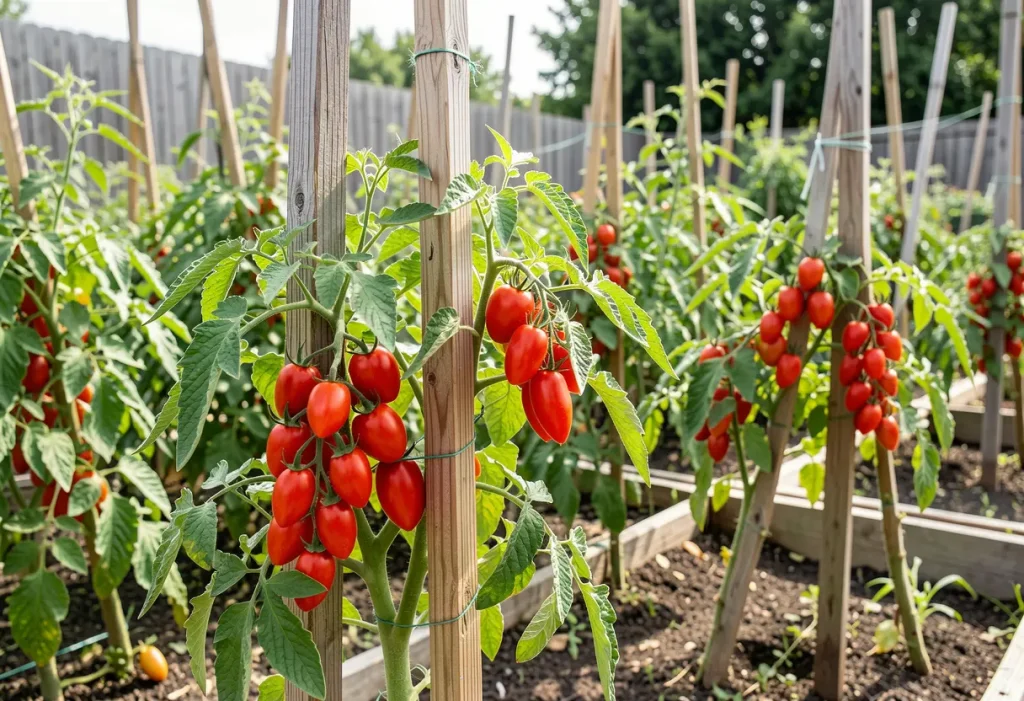
Supporting your Roma tomato plants is key to healthy growth and bigger harvests. Strong support keeps plants upright and prevents damage. It also improves air flow and sun exposure. This helps reduce disease and speeds up fruit ripening.
Stakes and cages give your plants sturdy support. Use wooden or metal stakes about 4 to 6 feet tall. Place them near each plant early to avoid root damage later. Tie the main stem loosely to the stake with soft ties.
Cages surround the plant and hold branches up. Choose wire cages that are tall and wide. Push the cage into the soil before planting or soon after. This keeps the plant from sprawling on the ground.
Pruning Roma tomatoes helps the plant focus energy on fruit. Remove small side shoots called suckers. These grow between the main stem and branches. Cut them off when they are small to save effort.
Trim lower leaves that touch the soil. This stops soil diseases from spreading up the plant. Also, remove any yellow or dead leaves. Good pruning means stronger plants and larger tomatoes.
Growing Roma tomatoes requires care beyond watering and sunlight. Protecting your plants from pests and diseases is key. Healthy plants produce better fruit and last longer. Understanding common threats helps you act fast. Use safe and natural ways to keep your garden free from harm. This keeps your tomatoes fresh and tasty.
Roma tomatoes attract several pests that can damage leaves and fruit. Aphids are small and suck plant juices, causing leaves to curl. Tomato hornworms are large caterpillars that eat leaves quickly. Whiteflies are tiny insects that spread diseases and weaken plants. Spider mites create fine webs and cause yellow spots. Early detection prevents serious harm to your crop.
Use natural sprays like neem oil or insecticidal soap to control pests. Handpick larger pests like hornworms and remove them from plants. Encourage beneficial insects, such as ladybugs and lacewings, which eat harmful pests. Keep your garden clean by removing dead leaves and debris. Crop rotation and planting marigolds nearby also reduce pest problems. These methods protect your tomatoes without chemicals.
Harvesting Roma tomatoes at the right time is key to enjoying their best flavor. Picking too early or too late affects the taste and texture. Knowing when and how to harvest ensures fresh, ripe tomatoes for your meals.
Ripe Roma tomatoes show a deep red color all over. The skin looks smooth and slightly shiny. They feel firm but not hard when gently squeezed. Avoid picking green or yellow tomatoes; they need more time to ripen.
Use your fingers or small scissors to cut the tomato from the vine. Hold the tomato gently to avoid bruising. Cut the stem about half an inch above the fruit. Do not pull or twist, as this can damage the plant.
Growing Roma tomatoes can be rewarding, but their season is often short. Extending the growing season helps you enjoy fresh tomatoes longer. It also improves your chances of a good harvest. Several simple methods can help keep your plants healthy beyond the usual time.
Mulch keeps the soil warm and moist. It protects roots from cold nights and dry spells. Organic mulches like straw or wood chips work well. Spread a thick layer around the base of your plants.
Row covers act like mini greenhouses. They trap heat and shield plants from frost. Use lightweight fabric covers over your tomato rows. Secure the edges to prevent cold air from sneaking in. This method extends the growing season by weeks.
Starting Roma tomatoes indoors lets you grow early. Use pots or seed trays with good drainage. Place them near a sunny window or under grow lights. Keep the temperature steady and water regularly.
Transplant seedlings outdoors after the last frost date. You can also grow tomatoes fully indoors. Choose dwarf or determinate varieties for pots. Indoor growing provides fresh tomatoes year-round in some climates.
Roma tomatoes usually take 70 to 85 days to fully grow and ripen. This depends on weather and care. Patience is key for best results.
Well-drained, fertile soil with a pH of 6. 0 to 6. 8 suits Roma tomatoes. Adding compost improves nutrition and moisture. Good soil helps plants grow strong.
Water Roma tomatoes deeply once or twice a week. Keep soil moist but not soggy. Consistent watering avoids cracked fruits and diseases.
Yes, Roma tomatoes grow well in containers at least 12 inches deep. Use good potting mix and ensure drainage holes. Containers allow easy care and mobility.
Use natural methods like handpicking pests or neem oil sprays. Keep garden clean to reduce bugs. Healthy plants resist pests better and yield more.
Growing Roma tomatoes can be simple and rewarding. Start with good soil and plenty of sunlight. Water plants regularly but avoid overwatering. Watch for pests and remove damaged leaves. Prune the plants to help fruit grow better. Harvest tomatoes when they turn deep red.
Fresh Roma tomatoes add great flavor to meals. With care and patience, your garden will thrive. Enjoy the taste of homegrown tomatoes all season long. Keep learning and trying new tips to improve your harvest. Growing Roma tomatoes brings joy and fresh food to your table.