Gardening Made Simple.

Are you curious about the difference between Japanese eggplant and Chinese eggplant? If you’ve ever stood in front of these two in the grocery store, wondering which one to pick, you’re not alone. Understanding Japanese Eggplant Vs Chinese Eggplant can help you choose the right variety for your recipes and cooking style.
Both look similar but have unique flavors, textures, and cooking uses that can change your meal completely. By understanding what sets them apart, you can make smarter choices in the kitchen and create dishes that truly stand out. Keep reading, and you’ll discover the secrets behind these two popular eggplants and how to use each one to boost your cooking game.
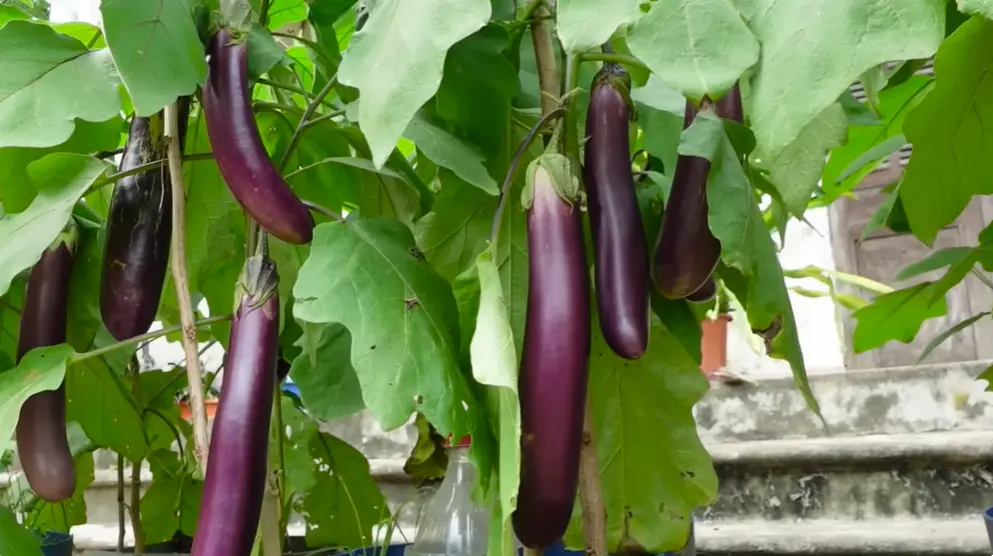
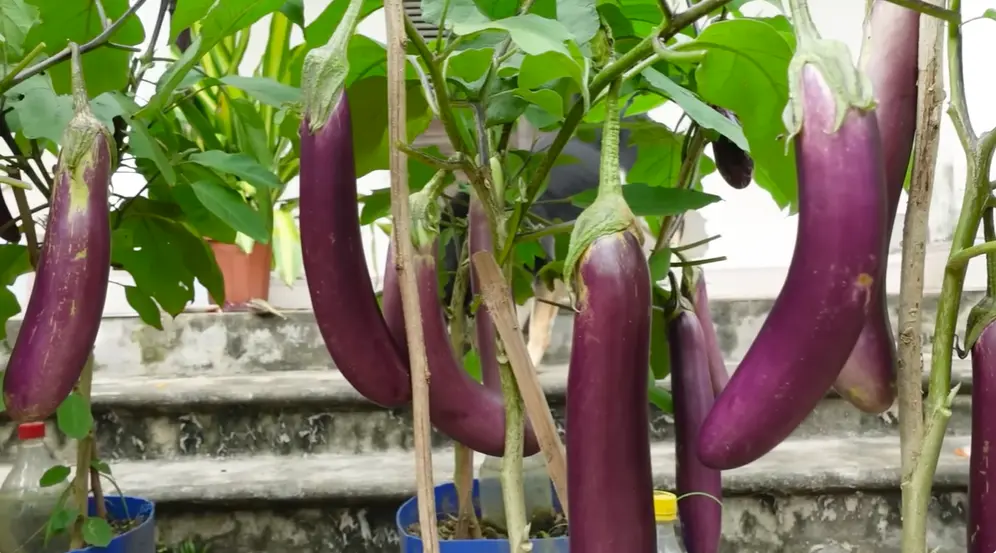
Japanese eggplant and Chinese eggplant look similar but have clear differences in size and shape. These differences affect cooking and presentation. Knowing their appearance helps pick the right eggplant for recipes.
Japanese eggplants are slim and cylindrical. Their shape is smooth and even. They often have a deep purple color, almost shiny. Some varieties show a slight reddish tint.
Chinese eggplants are longer and more curved. Their shape is less uniform with a gentle taper. The color is usually lighter purple or lavender. Some have pale green or white stripes.
Japanese eggplants are shorter, about 6 to 8 inches long. They have a narrow diameter, making them easy to slice thin. This size helps them cook quickly and evenly.
Chinese eggplants grow longer, often 9 to 12 inches. Their diameter is slightly wider, but still slender. This length suits stir-fries and grilling, holding shape well.
Texture and flavor play a big role in choosing between Japanese and Chinese eggplants. These two types offer unique experiences in cooking and eating. Understanding their differences helps pick the right one for your dish.
Japanese eggplants have thin, delicate skin. It cooks quickly and becomes soft. Their flesh is firm but tender, holding shape in stir-fries and grilling.
Chinese eggplants have thicker skin. It may take longer to cook and can feel tougher. Their flesh is spongier and absorbs flavors well during slow cooking.
Japanese eggplants have a mild, sweet taste. They rarely taste bitter, making them easy to enjoy raw or cooked.
Chinese eggplants have a deeper, earthier flavor. Some can be slightly bitter, especially near the skin. Cooking reduces this bitterness and brings out a rich taste.
Japanese and Chinese eggplants offer unique flavors and textures in cooking. Both types shine in various dishes but suit different culinary styles. Understanding their uses helps in choosing the right eggplant for your recipe.
Japanese eggplant cooks quickly due to its tender skin and soft flesh. It grills well and absorbs sauces easily. Stir-frying and roasting are popular methods, keeping the texture creamy without becoming mushy.
Chinese eggplant has a slightly thicker skin and more seeds. It holds up well in frying and braising. Steaming and stewing suit this variety, as it softens slowly and soaks up flavors deeply.
Japanese eggplant stars in dishes like miso-glazed eggplant and tempura. It also appears in simple grilled or sautéed recipes, often paired with soy sauce and ginger.
Chinese eggplant is common in spicy Szechuan dishes and garlic sauces. It is a key ingredient in stir-fried eggplant with garlic sauce and braised eggplant dishes. Its hearty texture complements bold flavors well.
Both Japanese and Chinese eggplants offer good nutrition. They contain vitamins and minerals that support health. Eating these eggplants adds variety to your diet. Their nutritional value helps in different body functions.
Japanese eggplants have vitamin C, vitamin K, and vitamin B6. They also contain potassium and manganese. Chinese eggplants provide similar vitamins and minerals. Both types are low in calories and high in fiber. Fiber helps digestion and keeps you full longer.
Eggplants contain antioxidants that protect cells from damage. They may help lower the risk of heart disease. The fiber supports a healthy digestive system. Eggplants help control blood sugar levels. They also promote healthy skin and hair. Eating these eggplants can improve overall wellness.
Growing Japanese and Chinese eggplants requires attention to their specific needs. Both types thrive best under certain conditions. Understanding these helps gardeners achieve healthy plants and good yields.
Japanese eggplants prefer warm, sunny climates. They grow well in temperatures between 70°F and 85°F. Too much cold can stunt their growth. They need a long growing season with little frost risk.
Chinese eggplants also like warm weather but tolerate slightly cooler temperatures better. They can grow in zones with moderate heat. Both types need full sun to produce tender fruits.
Both eggplants need well-drained, fertile soil rich in organic matter. They thrive in soil with a pH between 5.5 and 6.5. Consistent moisture is important, but the soil should never be soggy.
Japanese eggplants prefer slightly drier soil compared to Chinese varieties. Overwatering can cause root problems. Water deeply and regularly to keep the soil evenly moist. Mulching helps retain moisture and control weeds.
Japanese and Chinese eggplants are popular choices in many kitchens. Knowing when they are available and how to pick the best ones helps you enjoy their flavors. This section guides you on availability and selection tips for these two eggplants.
Japanese and Chinese eggplants grow mostly in warm seasons. They are easiest to find during summer and early fall. Grocery stores and farmers' markets stock them more in these months. Some places import them year-round, but fresh local ones taste better.
Season affects the size and texture. In peak season, eggplants are firm and shiny. Off-season ones may be softer and less flavorful. Buy fresh for the best cooking results.
Pick eggplants that feel heavy for their size. The skin should be smooth and glossy without wrinkles. Avoid ones with bruises or soft spots. These signs mean the eggplant is old or damaged.
Japanese eggplants are slender and dark purple. Chinese eggplants are longer and lighter purple. Both should have a fresh green stem. A dry or brown stem shows the eggplant is not fresh.
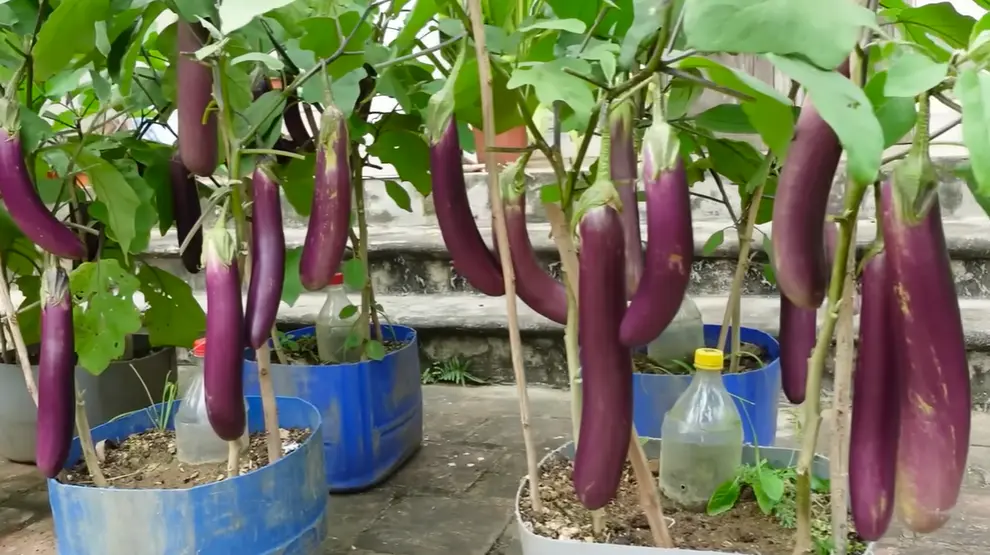
Japanese eggplants are shorter and rounder, while Chinese eggplants are longer and thinner.
Japanese eggplants taste sweeter and milder compared to the slightly bitter Chinese eggplants.
Japanese eggplants cook faster and are great for grilling, while Chinese eggplants suit stir-frying.
Yes, but cooking times and textures may vary slightly between the two types.
Japanese eggplants are popular in Japanese and Mediterranean dishes; Chinese eggplants are common in Asian stir-fries.
Japanese and Chinese eggplants each have unique traits and flavors. Japanese eggplants are slender and sweet, perfect for grilling or roasting. Chinese eggplants are longer with a mild taste, great for stir-fries and stews. Both types add color and nutrition to meals.
Choosing one depends on your recipe and taste. Try both to see which you prefer. They bring variety to your cooking and make dishes more exciting. Experiment with these eggplants to enjoy fresh flavors every time.