Gardening Made Simple.
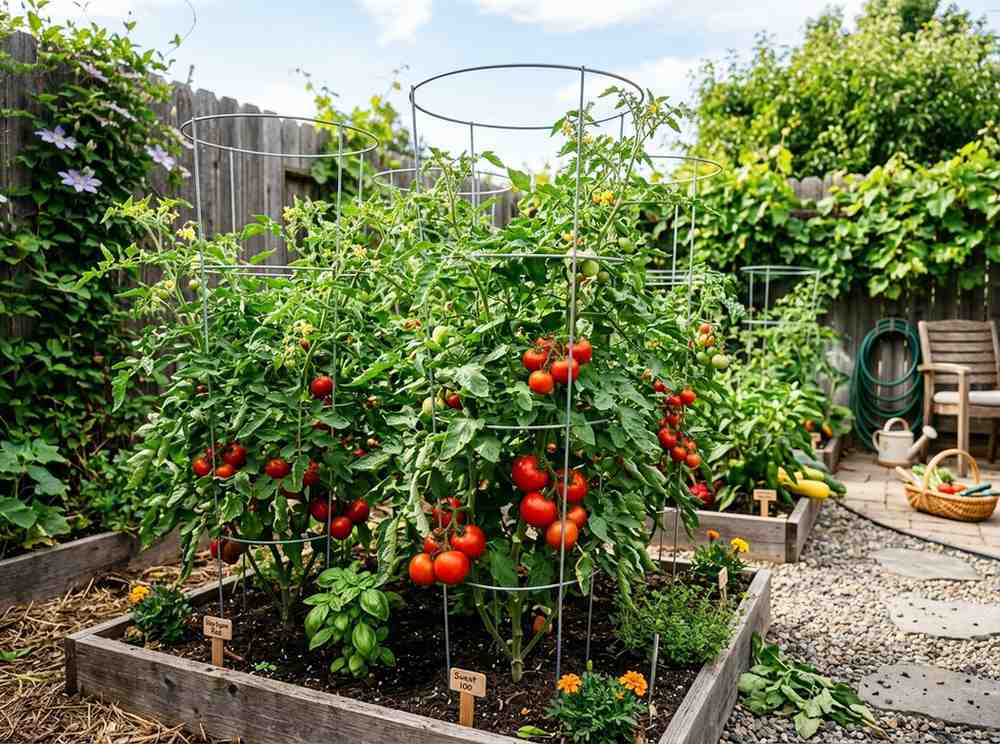
Tomato plants don't stay neat for long. Once heat, water, and fruit set kick in, they get tall, heavy, and hard to manage.
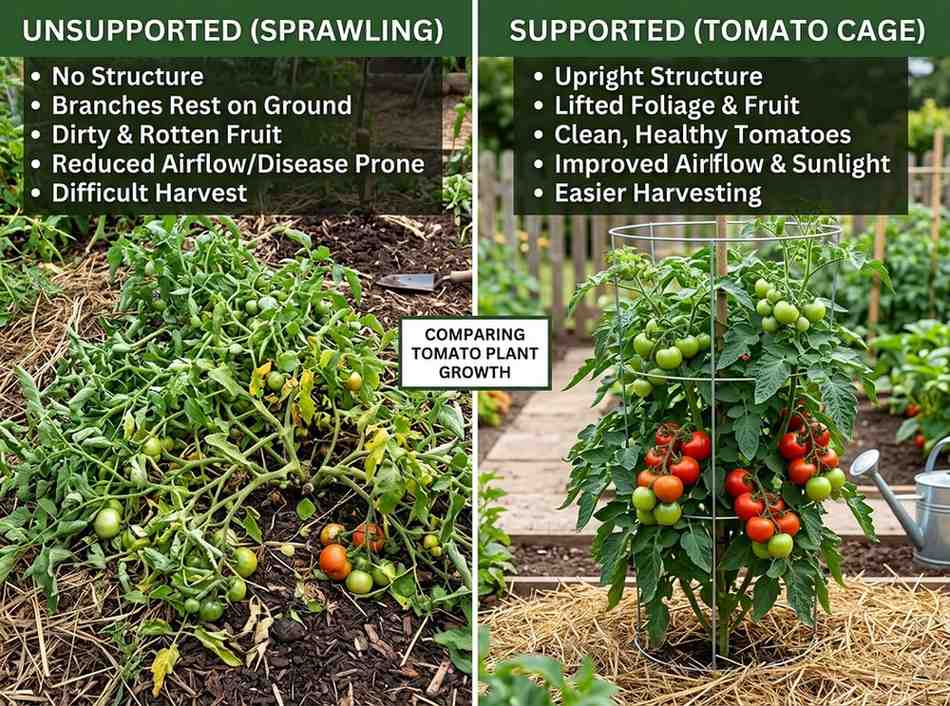
That's why tomato cages for garden beds matter. A good cage supports stems, keeps fruit off the soil, improves air flow, and makes picking less of a wrestling match. The best choice depends on your tomato type, your space, and how much weight the plant will carry. Start with the right cage, and the whole season gets easier.
Tomato cages look simple, but size and strength make a huge difference. Small determinate tomatoes, often called bush types, can do well in shorter cages. Large indeterminate plants keep growing and usually need tall, wide, heavy-duty support.
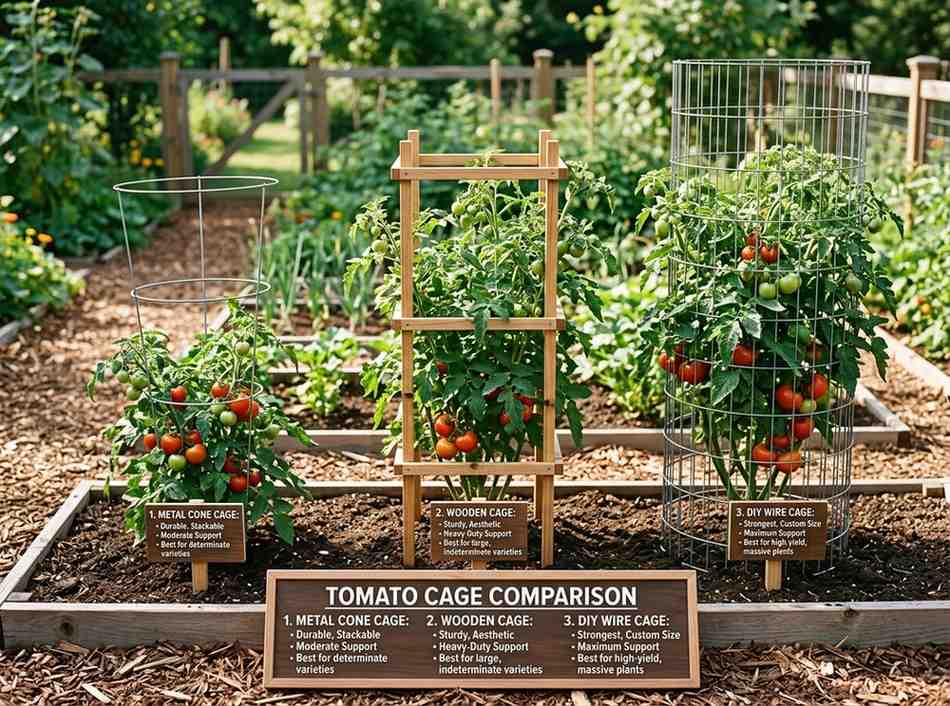
A quick comparison helps narrow the field:
| Cage type | Best for | Main drawback |
|---|---|---|
| Cone cage | Small determinate plants, compact containers | Too short and weak for large vines |
| Square heavy-duty cage | Large indeterminate plants, raised beds, in-ground rows | Takes more storage space |
| Stackable cage | Medium to large plants, gardeners with limited storage | Can wobble if joints are weak |
| Homemade cage | Custom sizes for any garden | Takes time to build |
Container gardeners should look for a cage that fits the pot without crowding it. Raised beds usually handle square cages well because they sit firmly and give roots room. In long in-ground rows, homemade cages or sturdy stackable models often make more sense because you can size them to your spacing.
Basic cone cages are easy to find, and they're cheap. For a patio cherry tomato or a compact bush plant, they may be enough.
Trouble starts when a large slicer or beefsteak outgrows the frame. The plant spills over the top, side stems bend, and fruit ends up resting on the soil. After a storm, the whole cage may lean like a tent pole in soft ground.
Height matters most. For indeterminate tomatoes, look for cages at least 5 feet tall before installation, because some length will go into the soil.
Wide openings help too. You should be able to reach in and pick ripe fruit without scraping your hands or snapping a stem. Thick wire, coated steel, or solid rebar lasts longer than thin rings that twist in one season. If storage is tight, choose a fold-flat or stackable design, but make sure it still anchors well.
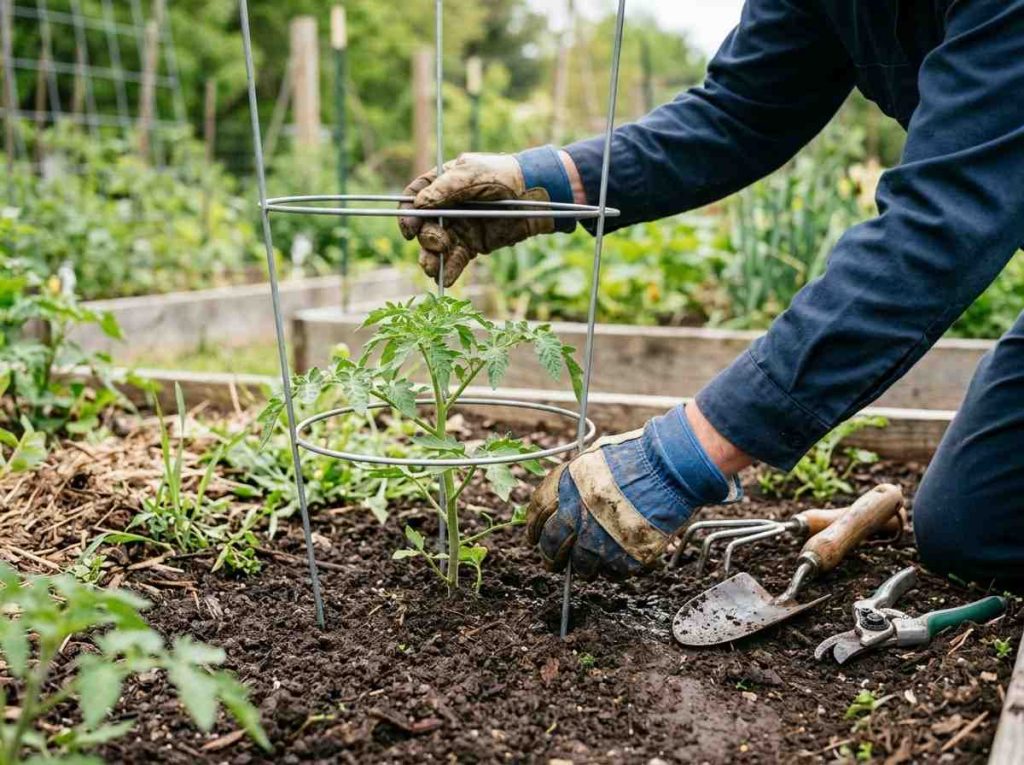
A strong cage won't help much if you add it too late. Put cages in place right after transplanting, or when plants are still small. That way, you avoid tearing roots later, and the plant grows up through the support from the start.
Spacing matters almost as much as cage choice. Leave enough room between plants for air and for your hands. Crowded tomatoes stay damp longer after rain, and that can invite disease.
If you're new to tomatoes, keep the setup simple. Center the cage over the transplant. Press it in firmly. Then check it after watering, because wet soil can loosen the base.
Early setup protects roots and saves work later. Once a tomato fills out, forcing a cage around it often breaks stems and knocks off flowers.
In firm garden soil, push the cage 6 to 8 inches deep. In loose or sandy soil, go deeper if the cage design allows it. Windy yards need extra support, especially for tall plants. One or two stakes tied to the cage can stop sway before it turns into a full tip-over. In raised beds, short rebar stakes or heavy garden staples can add needed grip.
If the cage rocks when you shake it lightly, it needs more anchoring before the plant gets heavy.
Tomatoes don't always stay inside the frame on their own. Every few days, gently tuck wandering stems back through the openings. Support the stem with one hand while you move it with the other.
You don't need hard tying in most cages. If a branch needs help, use soft garden tape or cloth ties and leave slack for growth. Also remove only the leaves that touch the soil or crowd the center too much. Heavy pruning isn't required for every plant, but a little thinning improves air flow and makes fruit easier to spot.
Most cage trouble shows up in midsummer. Plants get top-heavy, fruit loads increase, and weak supports start to fail. The fix is often simple, but timing matters.
When a cage tips, acts rusty, or blocks access, don't ignore it. Small corrections early can save stems and keep fruit clean.
Rain softens soil fast, so even a decent cage can lean after a storm. Add one solid stake on the windward side, or two on opposite sides for large plants. Then tie the cage to the stakes with soft ties, not thin wire that can cut.
Fence panels can help too. If tomatoes grow near a fence, secure the cage to it at two points. For heavy slicer varieties, start with a wider, heavier cage instead of trying to rescue a flimsy one later. Also check rust at the end of each season. Weak joints usually fail when fruit is at its heaviest.
Cages are easy for many beginners because they support the plant from all sides. Still, they aren't the best fit for every garden.
A single stake works well if you prune tomatoes to one or two main stems. String trellises also suit narrow rows, greenhouse beds, and gardeners who want easy walk-through access. If your space is tight, a trellis may beat a bulky cage. For big, branching plants with less pruning, a sturdy cage is still the easiest option.
Strong tomato support starts before the plant takes off. Match the cage to the tomato's size, set it early, and anchor it well.
That one choice leads to cleaner fruit, easier care, and fewer broken stems. Before you buy or build anything, check whether your variety is determinate or indeterminate. That detail tells you almost everything you need to know.
Tomato cages support plants, keeping them upright, improving airflow, and preventing fruit from touching the ground.
Install tomato cages right after planting seedlings to avoid damaging roots later.
A cage that is at least 4–6 feet tall works best for most tomato varieties, especially indeterminate types.
Yes, durable cages made of metal or strong plastic can be reused for multiple growing seasons.
Push the cage firmly into the soil and, if needed, anchor it with stakes to keep it stable in wind or heavy growth.