Gardening Made Simple.
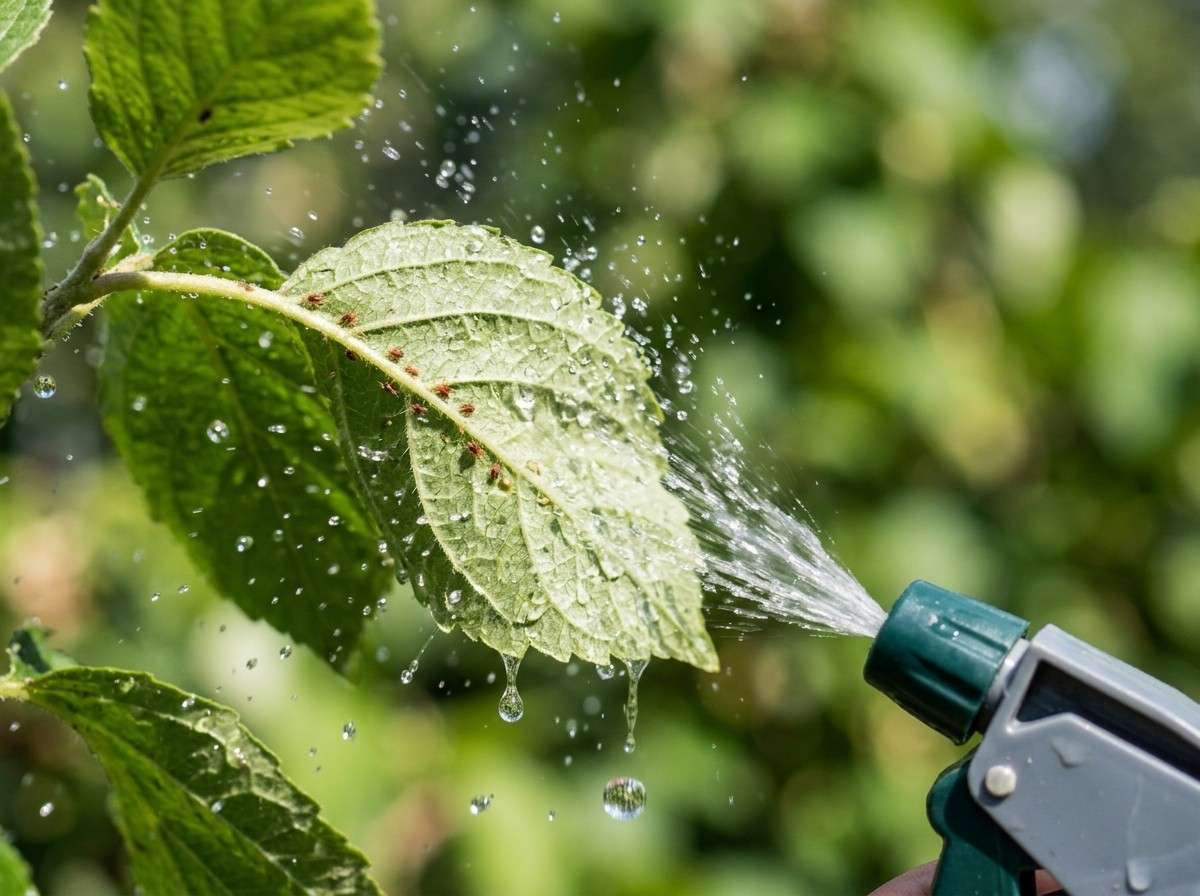
Are you struggling to keep your plants healthy because of tiny, red bugs? Those pests could be a serious problem, and finding the right Red Spider Mite Treatment is essential to protect your garden or indoor plants before the damage spreads further.
If you’ve noticed yellow spots, webbing, or wilting leaves, it’s time to act fast. You’ll discover simple and effective red spider mite treatment methods that can save your plants before the problem gets out of control. Keep reading to protect your green space and enjoy thriving, pest-free plants.
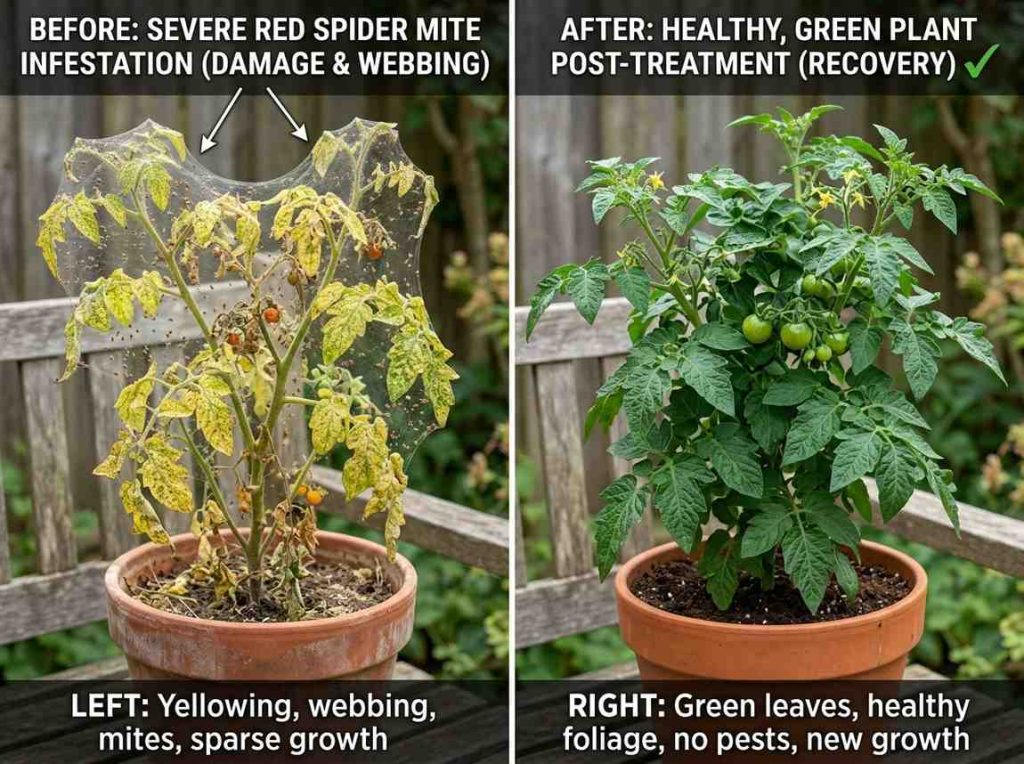
Red spider mites are tiny pests that can harm many plants. They are hard to see with the naked eye. Early detection helps stop their spread. Knowing how to identify them is key to protecting your garden. This section explains how to spot red spider mites and the plants they like to attack.
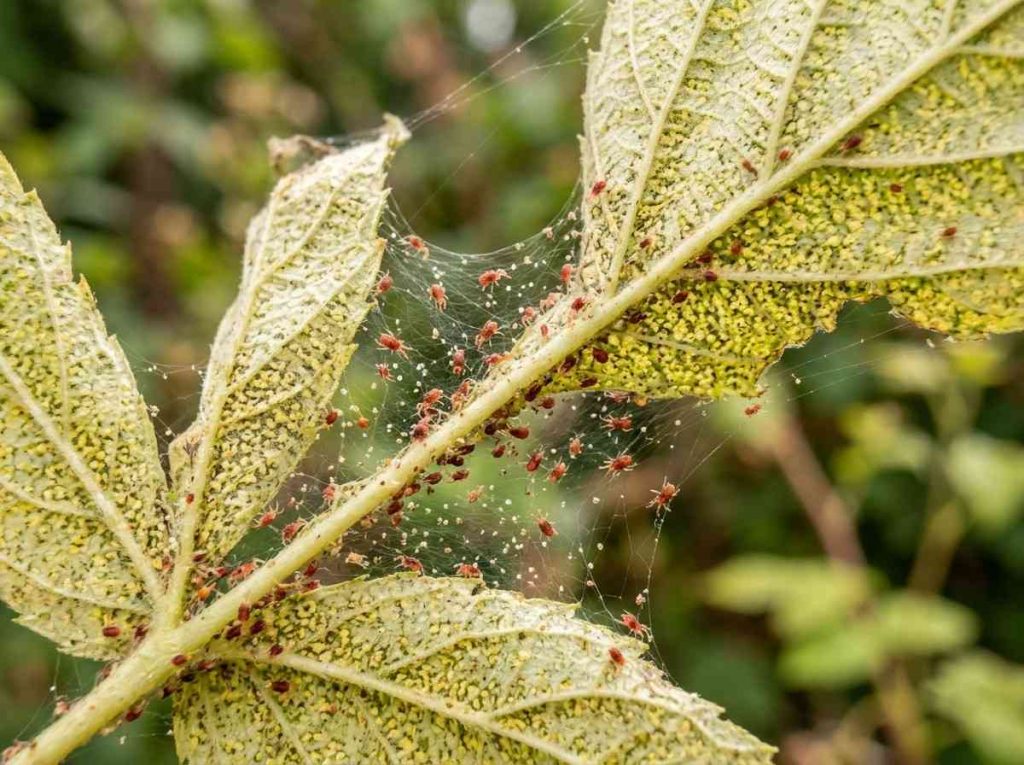
Look for small yellow or white spots on leaves. These spots appear as mites suck plant juices. Leaves may turn bronze or yellow and fall off. Fine webbing on leaves and stems is a clear sign. Check under leaves for tiny, moving red dots. Infested plants often look weak and dry.
Red spider mites attack many houseplants and garden crops. Roses, tomatoes, and strawberries are common targets. Indoor plants like palms and ficus also get infested. They prefer dry, hot environments to grow fast. Gardens with poor air circulation face higher risks.
Natural remedies offer safe and effective ways to control red spider mites. These methods avoid harsh chemicals and protect your plants and the environment. They are easy to apply and work well for small to medium infestations. Natural treatments help keep your garden healthy and balanced.
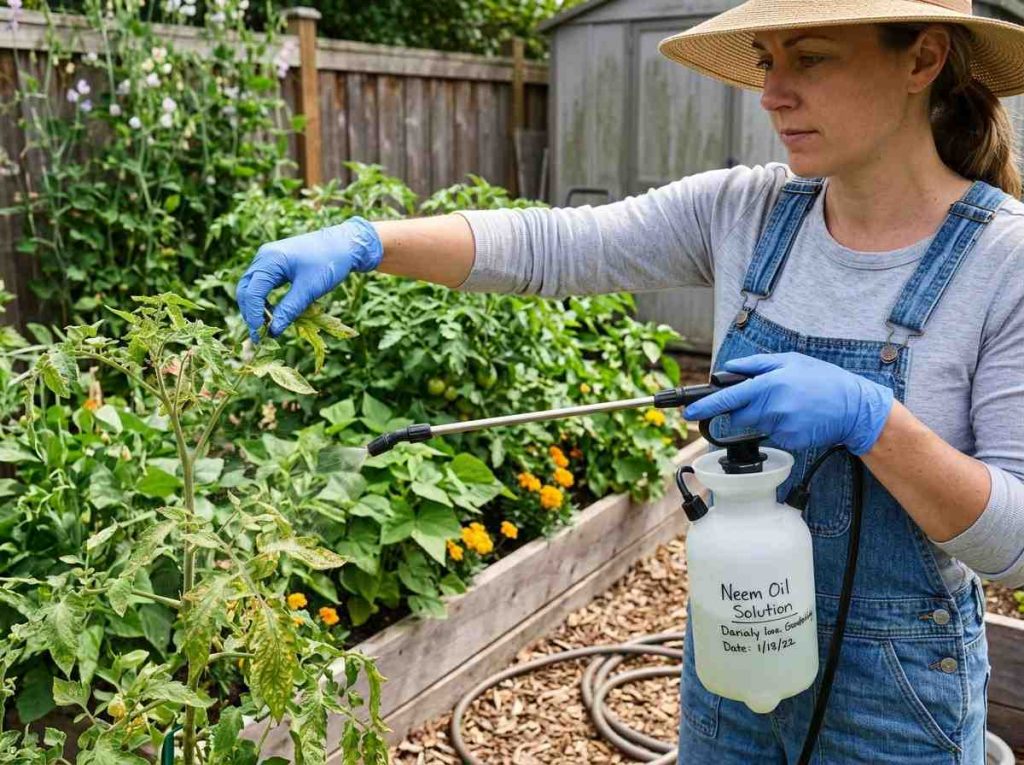
Neem oil is a natural pesticide extracted from neem tree seeds. It disrupts the life cycle of red spider mites, stopping their growth and reproduction. Mix neem oil with water and spray it on affected plants. Apply every 7 to 14 days for best results. Neem oil also helps prevent other pests and fungal infections.
Insecticidal soap is a gentle solution that kills red spider mites on contact. It works by breaking down the mites' outer shell, causing them to dry out. Spray the soap directly on leaves and stems where mites live. Repeat treatment every few days until mites disappear. This soap is safe for most plants and beneficial insects.
Introducing beneficial predators is a natural way to reduce red spider mite populations. Predatory mites, ladybugs, and lacewing larvae feed on spider mites. Release these helpful insects in your garden to control pests naturally. They keep spider mites in check without harming plants. This method supports a healthy garden ecosystem.
Chemical treatments provide a quick way to control red spider mite infestations. These treatments use specific chemicals called miticides. They kill mites and stop their spread on plants. Choosing the right chemical helps protect plants effectively.
Several miticides work well against red spider mites. Some common types include abamectin, bifenthrin, and spiromesifen. Each targets mites at different stages of life. Some kill eggs, others attack adults and larvae. Always check the label to ensure the miticide fits your plant type. Rotate different miticides to avoid mite resistance. Use only approved products for your region and plants.
Wear gloves and protective clothing before applying miticides. Follow the instructions on the product label carefully. Avoid spraying on windy days to prevent drift. Apply during cooler parts of the day for best results. Keep children and pets away from treated areas. Store chemicals out of reach of children. Proper disposal of leftover chemicals helps protect the environment. Repeat treatments may be needed, but never exceed recommended doses.
Preventing red spider mite infestations is easier than treating them later. Taking simple steps helps keep plants healthy and free from pests. Careful attention to plant needs creates a strong defense against mites. These preventive measures reduce the chances of damage and stress to your plants.
Healthy plants resist pests better. Water plants regularly but avoid overwatering. Use clean soil and pots to stop mite eggs from spreading. Remove dead leaves and debris around plants often. Fertilize plants with balanced nutrients for strong growth. Check plants frequently for early signs of mites. Early detection helps stop infestations quickly.
Red spider mites thrive in dry, hot conditions. Increase humidity around plants by misting leaves with water. Place water trays near plants to raise moisture levels. Avoid placing plants in direct, harsh sunlight for long hours. Use fans to improve air circulation and reduce stagnant air. Cooler temperatures and higher humidity slow mite development. Controlling the environment keeps mites away and plants happy.
Keeping red spider mites under control needs constant care and watching. Monitoring and maintenance help stop these pests before they harm plants badly. This process involves checking plants often and taking steps to keep them strong. Good habits in these areas make it easier to fight mites and keep your garden healthy.
Look at your plants closely every few days. Check the undersides of leaves where mites hide. Use a magnifying glass to see tiny webs and small dots. Early signs include yellow spots and leaf curling. Catching problems early helps stop mites from spreading fast. Take notes to track any changes or issues.
Strong plants resist pests better. Water plants well but avoid overwatering. Use balanced fertilizer to keep leaves green and healthy. Remove dead or damaged leaves quickly to reduce hiding spots. Good air flow lowers humidity and makes conditions tough for mites. Keep plants clean and stress-free for lasting protection.
Look for tiny red spots, webbing on leaves, and yellow or dry leaves.
Use water sprays, neem oil, or insecticidal soap to control them safely.
Indoor plants, tomatoes, and roses often suffer from red spider mite damage.
Treat plants every 5 to 7 days until mites disappear.
Yes, they can survive indoors and need regular checks to prevent outbreaks.
Treating red spider mites early keeps plants healthy and strong. Use natural sprays or insecticidal soap for best results. Check plants often to catch mites before they spread. Remove badly infected leaves to stop damage quickly. Keep your garden clean and water plants well.
These steps help control mites without harsh chemicals. Stay patient and consistent with treatments for success. Healthy plants grow better and look great. Red spider mite treatment is simple with care and attention.