Gardening Made Simple.
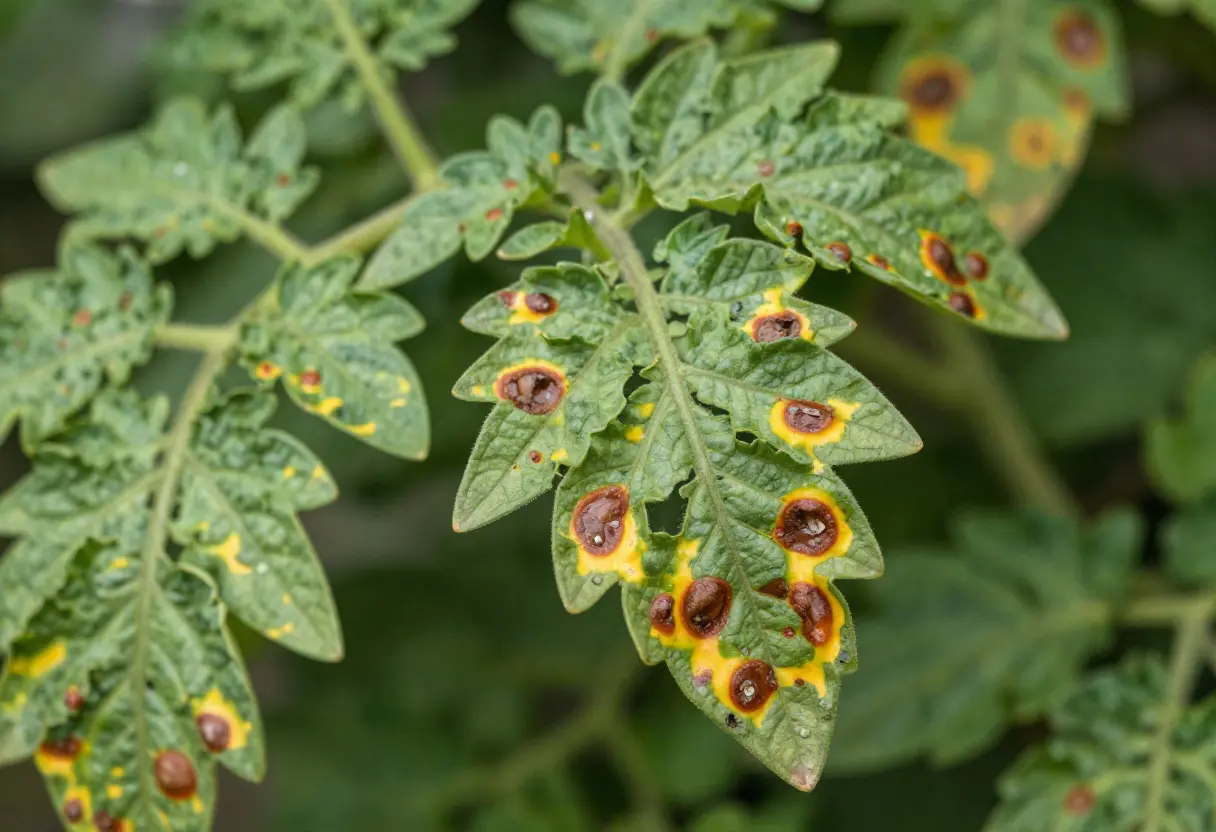
Are your tomato plants showing dark spots and yellowing leaves? You might be facing Early Blight Tomato Diseases, one of the most common and damaging issues for tomatoes. Knowing how to identify and manage Early Blight Tomato Diseases can help protect your plants and ensure a healthy, productive harvest.
If left unchecked, early blight can quickly ruin your entire harvest. But don’t worry—you can protect your plants and save your crop. You’ll discover how to spot early blight early, understand what causes it, and learn simple yet effective ways to fight it.
Keep reading to make sure your tomatoes stay healthy and tasty all season long.
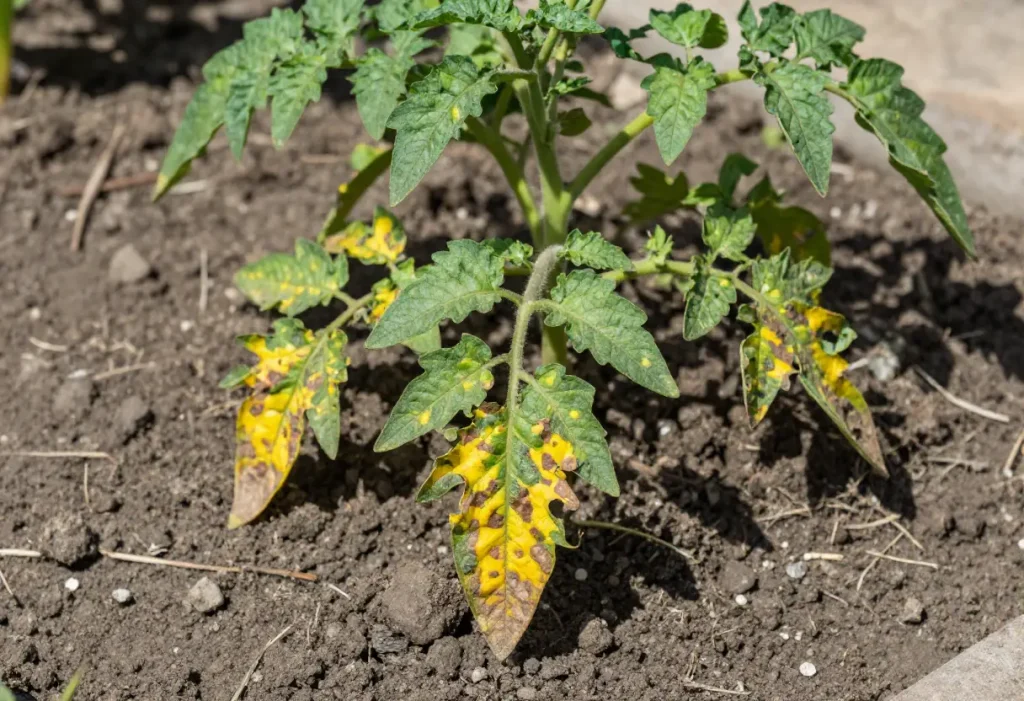
Early blight is a common tomato disease that causes dark spots on leaves and stems. It reduces plant health and lowers tomato yield. Understanding its causes helps manage and prevent this disease effectively.
Early blight is caused by the fungus Alternaria solani. This fungus attacks tomato plants by creating dark, concentric spots on leaves. It can also infect stems and fruit. The fungus survives in plant debris and soil. It spreads through wind, rain, and tools, making it easy to infect nearby plants.
The fungus grows best in warm, wet weather. High humidity and frequent rain help spores spread quickly. Crowded plants with poor air circulation increase disease risk. Wet leaves for long hours allow the fungus to infect plants. Stress from poor soil or drought also makes plants vulnerable to early blight.
Early blight is a common tomato disease that affects plant health and fruit quality. Recognizing the signs early helps control its spread. This disease shows clear symptoms on leaves, stems, and fruit. Spotting these signs aids in timely treatment and better crop care.
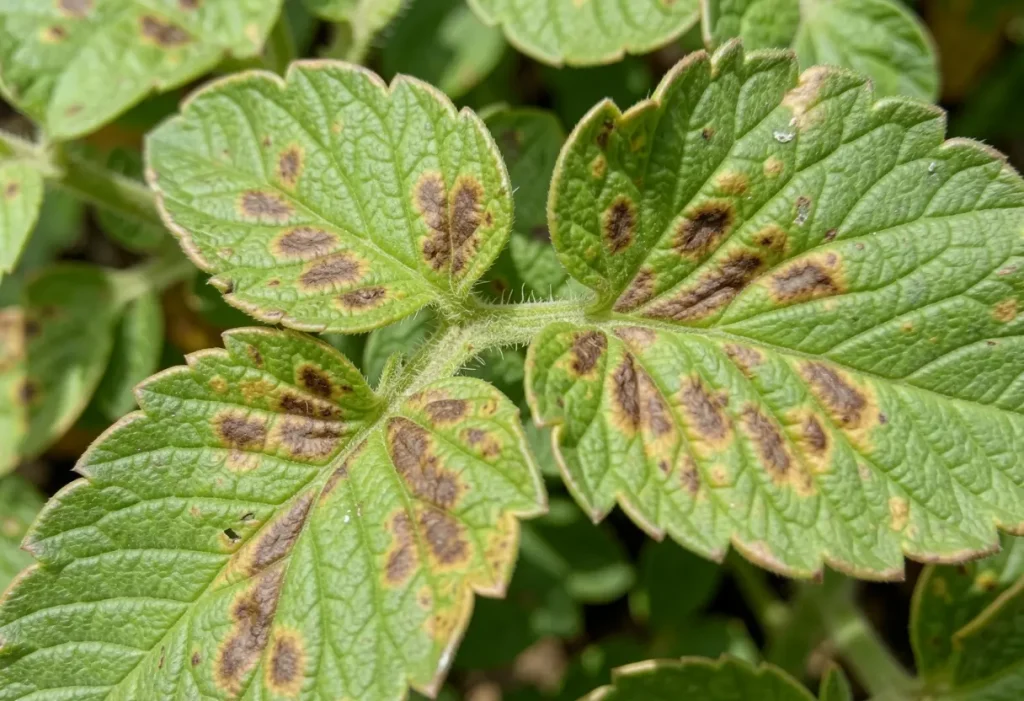
Small, dark spots appear first on older leaves. These spots grow and form rings, creating a target-like pattern. Yellow halos often surround the spots. Leaves turn yellow and fall off. This leaf damage reduces the plant’s ability to make food.
Stems develop dark, sunken lesions. These spots may grow larger and cause the stem to crack. Fruits show dark, rough spots that may have concentric rings. This damage causes the fruit to rot and drop early. Stem and fruit damage weakens the plant and lowers the harvest.
Early blight is a common tomato disease that affects many gardeners. Knowing the risk factors helps protect plants better. Several conditions increase the chance of infection and damage.
Wet and warm weather helps the fungus grow quickly. Rain or heavy dew keeps leaves moist for long hours. Poor air circulation traps humidity around plants. Shaded spots slow drying and increase risk. Soil with leftover plant debris can harbor spores. Planting tomatoes too close together limits airflow.
Stressed plants are less able to fight disease. Lack of water weakens tomato defenses. Too much nitrogen makes plants grow soft and weak. Damaged leaves or stems give fungus easy access. Older leaves tend to get infected first. Poor soil health reduces natural disease resistance.
Preventing Early Blight in tomato plants reduces damage and crop loss. Taking steps early protects plants and keeps gardens healthy. These measures lower the chance of disease spreading and help plants grow strong.
Rotating crops stops disease buildup in soil. Plant tomatoes in a different spot each year. This breaks the cycle of fungi that cause Early Blight. Crop rotation improves soil health and reduces pests.
Choose tomato types that resist Early Blight. Resistant varieties fight off the fungus better. They need less treatment and stay healthier. Buying seeds labeled “resistant” helps reduce disease problems.
Water plants at the base, not on leaves. Wet leaves encourage fungal growth. Use drip irrigation or water early in the day. This keeps leaves dry and lowers infection risk. Avoid overwatering to keep roots healthy.
Remove and destroy infected leaves and plants. Clean tools after use to stop spreading spores. Clear garden debris that can harbor fungi. Good sanitation limits Early Blight and protects new plants.
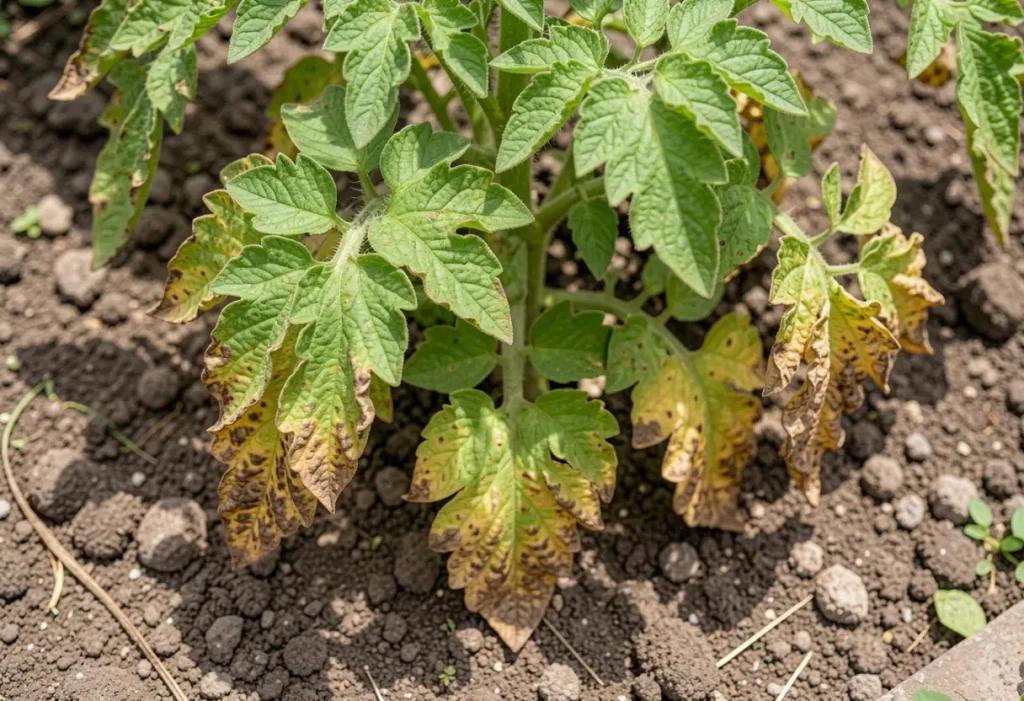
Controlling early blight in tomatoes requires a mix of strategies. Combining treatments helps stop the disease from spreading and keeps plants healthy. Regular care and timely actions make a big difference in managing early blight.
Fungicides can protect tomato plants from early blight. Choose products labeled for early blight control on tomatoes. Apply fungicides early in the growing season before symptoms appear. Repeat applications as the label suggests for best results. Rotate fungicides with different active ingredients to prevent resistance.
Organic methods offer safe ways to reduce early blight risks. Use copper-based sprays or neem oil to fight fungal spores. Baking soda solutions can change leaf surface pH, slowing disease growth. Compost teas boost plant immunity and soil health. Apply these treatments regularly, especially after rain or watering.
Pruning helps improve air flow and reduces leaf wetness. Remove lower leaves near the soil to cut infection chances. Avoid overhead watering to keep leaves dry. Mulch around plants to prevent soil splash on leaves. Clean up fallen leaves and plant debris to lower disease pressure.
Early blight is a common disease that affects tomato plants. Monitoring and early detection help control its spread. Catching the disease early saves plants and improves harvest quality.
Check plants often. Notice small changes. This helps stop early blight before it grows strong.
Look at leaves, stems, and fruit every few days. Check both top and bottom of leaves. Use good light to see spots or marks clearly. Consistent inspections catch problems fast. Don’t wait for big damage.
Early blight starts as small, dark spots on older leaves. Spots often have a target-like pattern. Leaves may yellow around spots. Look for brown rings or patches on stems. Fruit can show dark, sunken areas. Spotting these early signs helps take quick action.
Early blight is a common tomato disease that harms plants and lowers fruit production. The disease affects leaves, stems, and fruits, causing dark spots and decay. This damage limits the plant's ability to grow and produce tomatoes. It also speeds up leaf fall, reducing photosynthesis. Less photosynthesis means fewer nutrients for fruit growth. As a result, tomato yield drops significantly, making it a serious concern for farmers and gardeners.
Early blight can cause crop losses from 10% to 50%. The severity depends on weather, plant variety, and care. Wet and warm conditions help the disease spread fast. Infected plants produce fewer and smaller fruits. Some fields may lose half their tomatoes by harvest time. Early blight also shortens the growing season. Farmers often must pick fruits early, reducing quality and quantity.
Lower yields mean less income for tomato growers. Farmers spend more on fungicides and disease control. These extra costs reduce overall profits. Market prices may rise due to lower tomato supply. Consumers might find fewer fresh tomatoes in stores. Small-scale farmers face bigger risks from early blight. Effective management helps reduce losses and save money.
Early blight is caused by the fungus Alternaria solani, which thrives in warm, wet conditions.
Look for dark, concentric rings on older leaves and brown spots on stems and fruit.
Use disease-resistant tomato varieties, rotate crops, and avoid wetting leaves when watering.
Yes, severe infections can kill plants by damaging leaves and reducing photosynthesis.
Apply fungicides early and remove affected leaves to stop the spread of the disease.
Early blight can harm your tomato plants fast. Spotting the disease early helps save your crop. Keep your garden clean and remove affected leaves. Use good watering habits to keep plants strong. Crop rotation also lowers the chance of disease.
Healthy plants resist infections better. Stay alert and act quickly to protect your tomatoes. Growing disease-free tomatoes is possible with care. Small steps make a big difference in your garden.