Gardening Made Simple.

Have you ever thought about growing your own fresh artichokes but worried you don’t have enough space? With growing artichokes in containers, you can enjoy these delicious, unique vegetables right from your patio or balcony—no large garden required.
Growing artichokes in containers makes this possible—and easier than you might think. Imagine picking tender, flavorful artichokes straight from your own little garden, impressing your family and friends with your green thumb. You’ll discover simple, practical tips to help your container artichokes thrive, even if you’re new to gardening.
Keep reading, and soon you’ll be on your way to growing beautiful, tasty artichokes at home.
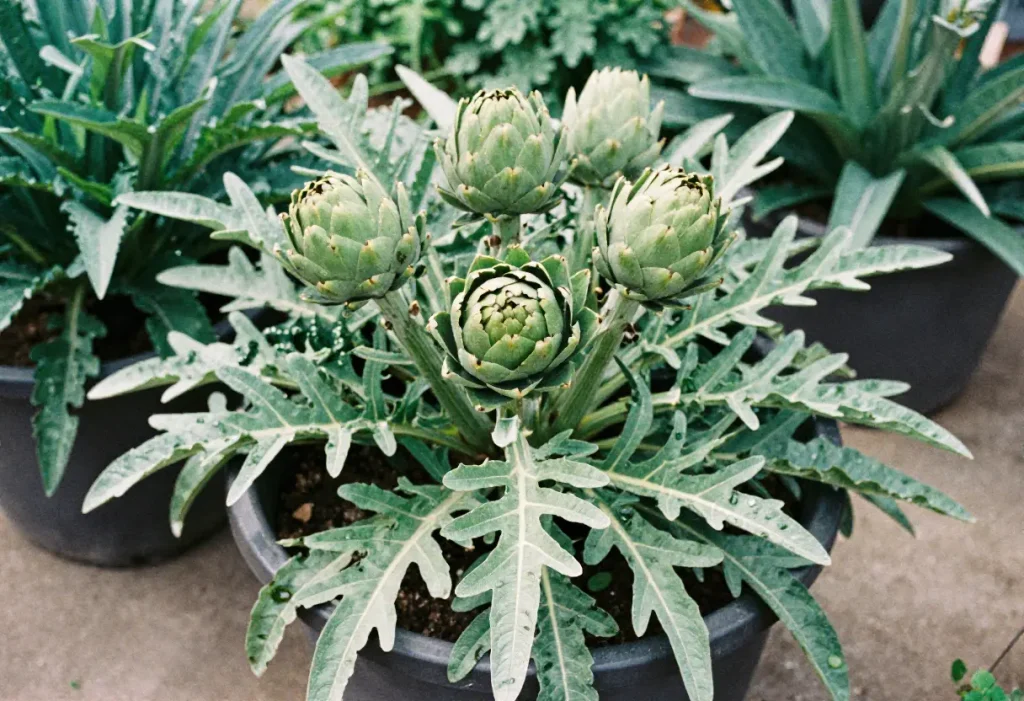
Choosing the right container is key to growing healthy artichokes in small spaces. A good container gives roots room to grow and keeps soil healthy. It also controls water and air flow. Picking the right size and type helps your artichoke thrive.
Choose a container at least 18 inches wide and deep. Artichokes have large roots that need space. Bigger containers hold more soil and water. This helps plants grow strong and steady. Use containers made from plastic, clay, or wood. Each material affects water and air differently. Plastic holds moisture longer. Clay lets soil dry faster. Wood offers good insulation but may decay over time.
While an 18-inch container can support a young artichoke plant, a container that holds 15 to 25 gallons of soil often produces stronger plants and larger harvests. Larger containers retain moisture more consistently and provide additional space for root development.
Drainage holes are a must. They stop water from pooling at the bottom. Too much water causes root rot and weak plants. Test drainage by pouring water in. It should flow out quickly. Elevate containers slightly to help water drain. Use a potting mix that drains well. Good drainage keeps roots healthy and plants growing well.
Selecting the right artichoke variety is key to success in container gardening. Different varieties grow differently and need different care. Choosing the best type helps you get a good harvest and saves space. This guide covers compact varieties and climate tips for container growth.
Compact artichoke varieties fit well in containers. They grow smaller but still produce tasty buds. 'Green Globe Improved' is a popular choice for pots. It stays small and has classic flavor. Another good option is 'Imperial Star,' known for its compact size and early harvest. These varieties need less room and work well on patios or balconies.
Artichokes prefer mild climates with cool summers. Choose varieties that suit your local weather. In cooler areas, pick types that tolerate frost. Warmer regions need heat-tolerant varieties. Containers can be moved to protect plants from extreme weather. Understanding your climate helps you pick varieties that thrive and produce well in pots.
Growing artichokes in containers needs careful soil and planting choices. Good soil and correct planting help plants grow strong and healthy. Follow these tips to give your artichokes a good start.
Use loose, well-draining soil for artichokes. A mix of potting soil, compost, and sand works well. This mix holds moisture but does not stay soggy. Artichokes like soil rich in nutrients. Add organic matter to feed the plants. Avoid heavy clay soils that hold too much water.
Plant artichoke crowns about 2 inches deep in the container. Cover the roots gently with soil. Space each plant at least 18 to 24 inches apart. This gives room for growth and airflow. Crowded plants may get diseases or grow weak. Use large containers to give roots space to spread out.
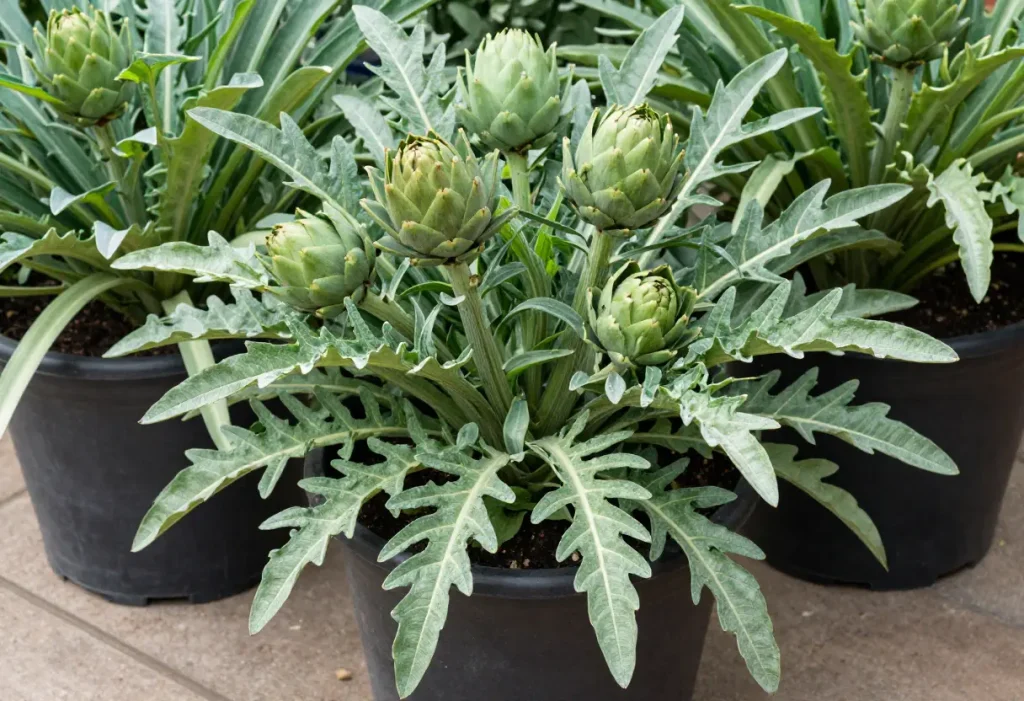
Growing artichokes in containers needs proper watering and feeding. These two care steps help plants grow healthy and produce large buds. Water keeps roots moist and supports growth. Fertilizers give needed nutrients for strong plants. Both must be done correctly for best results.
Water artichokes often but not too much. Container soil dries faster than garden soil. Check soil every day by touching the top inch. Water when soil feels dry. Avoid soggy soil; it harms roots.
In hot weather, water may be needed daily. In cooler times, water less. Use a watering can or hose with gentle flow. Water deeply to reach all roots.
Choose fertilizers with balanced nutrients for artichokes. Look for formulas with nitrogen, phosphorus, and potassium. These support leaves, roots, and buds.
Slow-release fertilizers work well in containers. They feed plants over time. Liquid fertilizers can be used every two weeks. Follow package instructions to avoid overfeeding.
Organic options like compost or fish emulsion also help. They improve soil and plant health naturally.
Sunlight and temperature are key for growing artichokes in containers. These factors affect plant health and bud production. Understanding their needs helps you get better results from your container garden.
Artichokes need full sun to thrive. Aim for at least 6 hours of direct sunlight daily. Place containers where they get bright morning and afternoon sun. Avoid shady spots that limit growth. Bright light boosts strong stems and large buds.
Artichokes prefer mild temperatures between 60°F and 75°F. They grow best in cool, not hot, weather. Protect plants from extreme heat above 85°F. Move containers to shaded areas if heat rises. In cold climates, keep plants indoors or in a greenhouse during frost.
Container-grown artichokes may require extra protection during extreme weather. Move containers to a sheltered location during heat waves or unexpected cold snaps to reduce plant stress.
Pruning and maintenance help keep container-grown artichokes healthy and productive. Regular care prevents disease and encourages strong growth. Simple steps make your plant thrive.
Check your artichoke plant often for dead or yellow leaves. These leaves can attract pests and cause disease. Cut them off near the base using clean scissors. Removing dead leaves improves air flow and looks neat.
Trim back old or weak growth to help the plant focus on new shoots. Pinch the tips of young stems to promote bushier growth. Use light pruning after harvesting to prepare for the next season. Healthy new leaves mean better artichoke buds.
Removing spent flower stalks after harvest helps direct energy back into foliage and root growth. This can improve plant vigor and support future production.
Growing artichokes in containers is rewarding but requires pest and disease control. Pests and diseases can harm your plants and reduce yield. Early detection and treatment keep your artichokes healthy. Use safe, natural methods to protect your garden.
Artichokes attract pests like aphids, snails, and spider mites. Aphids suck sap, causing leaves to curl and yellow. Snails eat leaves, leaving holes and slime trails. Spider mites cause tiny yellow spots on leaves. These pests weaken the plant and slow growth.
Spray plants with a strong water jet to remove aphids. Use crushed eggshells or copper tape around pots to stop snails. Neem oil is effective against spider mites and aphids. Introduce ladybugs to your garden; they eat harmful insects. Keep plants clean and remove dead leaves to prevent disease.
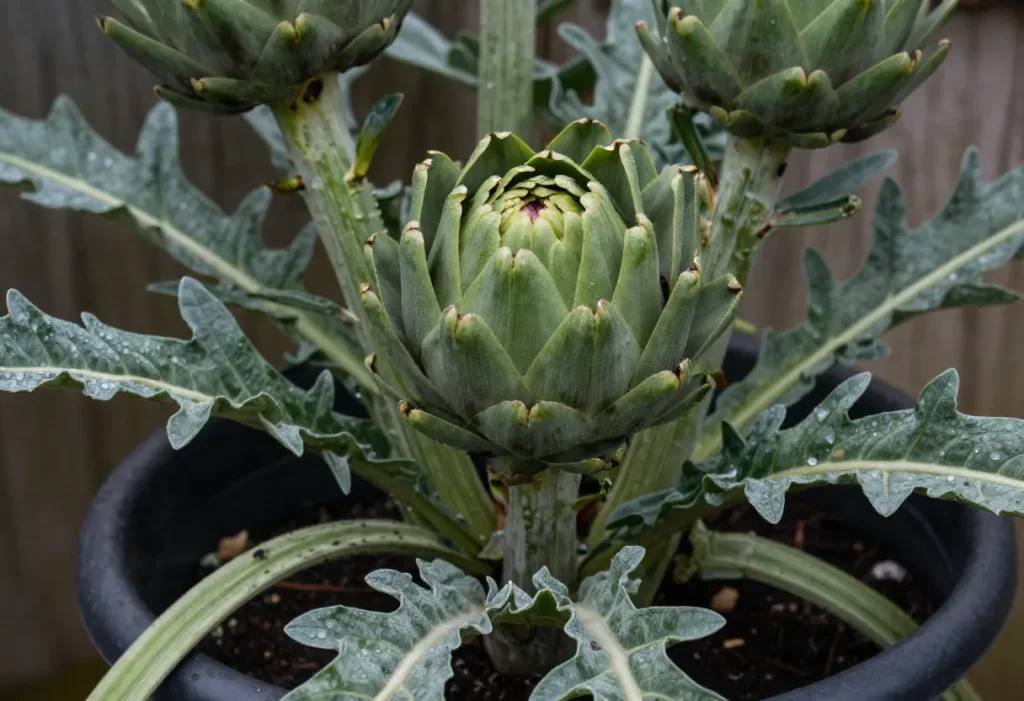
Harvesting and storing artichokes grown in containers requires careful timing and proper handling. Picking artichokes at the right stage ensures the best taste and texture. Correct storage keeps them fresh and flavorful for longer periods.
Artichokes are ready to harvest when the buds are tight and firm. The size should be about 3 to 5 inches in diameter. The color must be deep green without any signs of browning. Pick the artichokes before the petals start to open. Use sharp scissors or pruning shears to cut the stem. Leave about 1 to 3 inches of the stem attached to the bud. Harvest in the morning for the freshest taste.
Store fresh artichokes in the refrigerator to extend their shelf life. Wrap them loosely in a plastic bag with holes for airflow. Keep them in the vegetable drawer, away from moisture. Use within one week for best quality. Avoid washing artichokes before storage; wash only before cooking. For longer storage, consider freezing cooked artichokes.
Artichokes need at least 6 hours of direct sunlight daily for healthy growth.
Use a container at least 18 inches wide and deep to allow root growth.
Water artichokes deeply once or twice a week, keeping soil moist but not soggy.
Yes, with enough sunlight and proper care, artichokes can grow indoors in pots.
Use well-draining, fertile soil rich in organic matter for best artichoke growth.
In mild climates, artichokes can survive winter outdoors with mulch protection. In colder regions, move containers to a sheltered area or greenhouse.
Most artichoke plants produce harvestable buds within 85 to 120 days, depending on variety and growing conditions.
Large containers may support more than one plant, but growing a single artichoke per container usually provides the best results and larger harvests.
Growing artichokes in containers brings fresh veggies to small spaces. Choose large pots with good drainage for healthy roots. Keep soil moist but not soggy to avoid problems. Place containers where plants get at least six hours of sun. Regular feeding helps plants grow strong and produce tasty artichokes.
Watch for pests and remove them quickly to protect your crop. With care and patience, container artichokes can thrive at home. Enjoy the process and the delicious harvest that follows. Gardening in containers makes fresh food easy and fun.