Gardening Made Simple.
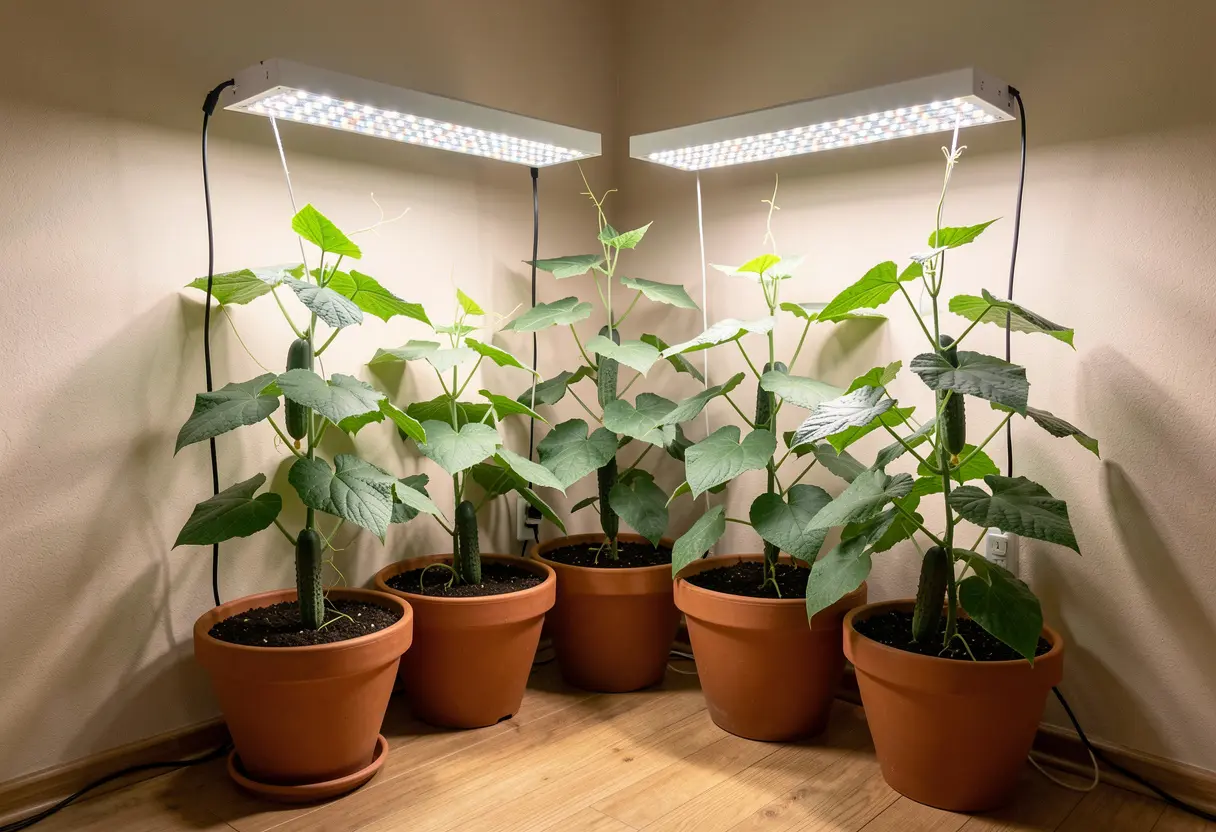
Have you ever wondered Can I Grow Cucumbers Indoors and still enjoy fresh, crunchy cucumbers without a garden? Growing cucumbers indoors might sound tricky, but with the right setup, light, and care, it’s easier than you think. You can harvest healthy, homegrown cucumbers right from your windowsill, balcony, or indoor grow space.
Imagine picking crisp, juicy cucumbers whenever you want, no matter the season or weather outside. You’ll discover simple steps and expert tips to help you grow healthy cucumbers inside your living space. Ready to turn your home into a mini cucumber paradise?
Keep reading and find out how!
Choosing the right cucumber variety is key for indoor gardening success. Different types grow better in small spaces and limited light. Picking varieties suited for indoors helps you get healthy, tasty cucumbers. Consider space, growth habits, and pollination needs when selecting your seeds.
Compact and bush cucumber plants fit well in pots and small containers. They grow shorter and do not need much support. These types save space and are easier to manage indoors. Bush varieties produce fruits quickly, making them ideal for indoor growers. Look for varieties labeled as “bush” or “patio” cucumbers for best results.
Parthenocarpic cucumbers do not need pollination to produce fruit. They grow well in indoor settings without bees or wind. These varieties reduce problems with fruit development in confined spaces. Parthenocarpic types often have thin, smooth skin and good flavor. Choose these cucumbers to avoid pollination challenges indoors.
Growing cucumbers indoors brings fresh produce closer to home. Setting up your indoor garden is the first step. It requires careful choice of containers, soil, and light. These factors help cucumbers grow strong and healthy. A good setup creates a cozy space for your plants.
Choose containers with drainage holes to prevent water buildup. Pots about 12 inches deep work well for cucumber roots. Use lightweight plastic or clay pots for easy handling. Select a soil mix that drains water but keeps moisture. A mix of potting soil, compost, and perlite suits cucumbers best. Avoid heavy garden soil that holds too much water. Good soil helps roots breathe and absorb nutrients.
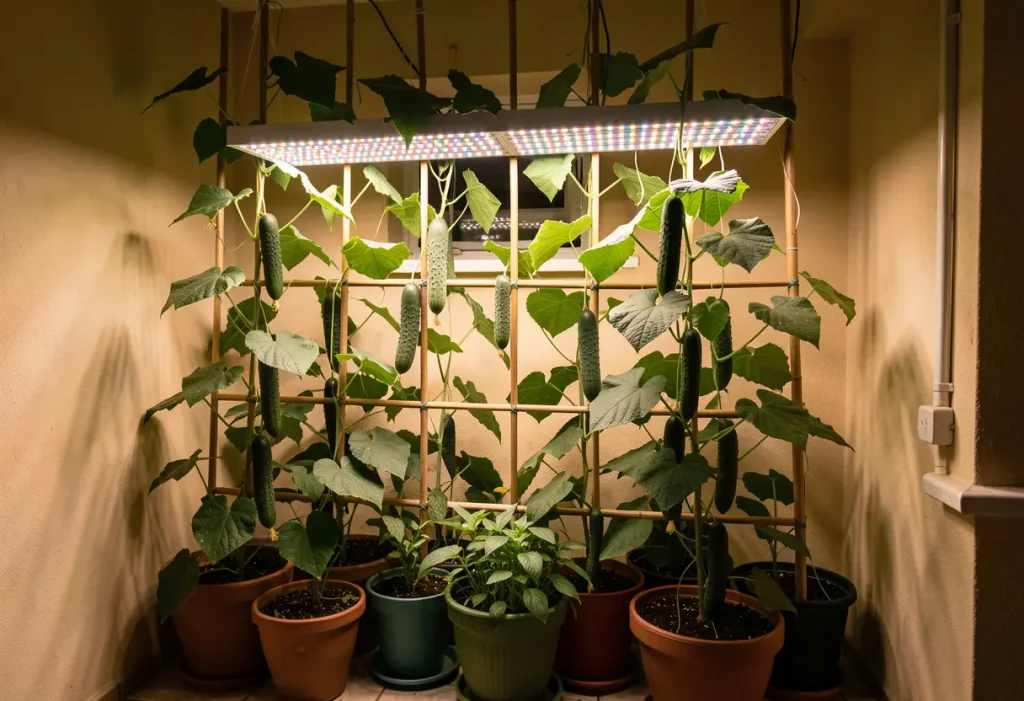
Cucumbers need plenty of light to grow indoors. Place plants near a south-facing window for natural sunlight. Provide at least 6 hours of direct light daily. If natural light is weak, use grow lights. LED grow lights work well and save energy. Keep lights 12 to 18 inches above plants. Turn lights on for 12 to 14 hours each day. Proper lighting boosts leaf growth and fruit production.
Growing cucumbers indoors starts with proper planting and germination. These steps set the foundation for healthy plants and a good harvest. Pay close attention to seed starting and the right environment. These factors affect how well your cucumber seeds sprout and grow strong.
Choose fresh cucumber seeds for the best results. Use small pots or seed trays filled with light, well-draining soil. Plant seeds about half an inch deep. Cover them lightly with soil. Water gently to keep the soil moist but not soggy. Place the pots in a bright area with indirect sunlight. Seeds usually sprout in 3 to 10 days. Thin seedlings by removing the weaker ones. This gives space for stronger plants to grow.
Cucumbers need warmth to germinate well. Keep the soil temperature between 70°F and 85°F (21°C to 29°C). Use a heat mat if your indoor space is cool. Maintain consistent moisture in the soil. Avoid overwatering as it can cause seeds to rot. Mist the soil surface or water from the bottom to keep moisture steady. Good air circulation helps prevent mold and fungus. Monitor the environment daily to keep conditions ideal for growth.
Caring for indoor cucumbers requires attention to several key factors. These plants need the right amount of water, nutrients, and air to thrive inside your home. Proper care helps cucumbers grow healthy and produce good fruit. Understanding how to manage watering, fertilizing, and air quality is important for success.
Cucumbers need consistent moisture but not soggy soil. Water plants when the top inch of soil feels dry. Use room temperature water to avoid shock. Water deeply to reach the roots. Avoid letting water sit on leaves to prevent disease.
Indoor cucumbers benefit from regular feeding. Use a balanced liquid fertilizer every two weeks. Look for formulas with equal nitrogen, phosphorus, and potassium. Too much nitrogen causes more leaves, fewer fruits. Follow package instructions to avoid overfeeding.
Cucumbers prefer humid air but need good airflow. Keep humidity around 60-70 percent. Use a humidifier if air is dry. Open windows or use a fan to circulate air. Good airflow helps prevent mold and pests.
Training and supporting cucumber vines is key to healthy indoor growth. Cucumbers are natural climbers. They need space and support to grow upward. Proper training keeps vines neat and makes harvesting easier. It also improves air flow around plants. This reduces risks of disease. Indoor gardeners must provide structures for vines to cling to. Regular care helps vines stay strong and productive.
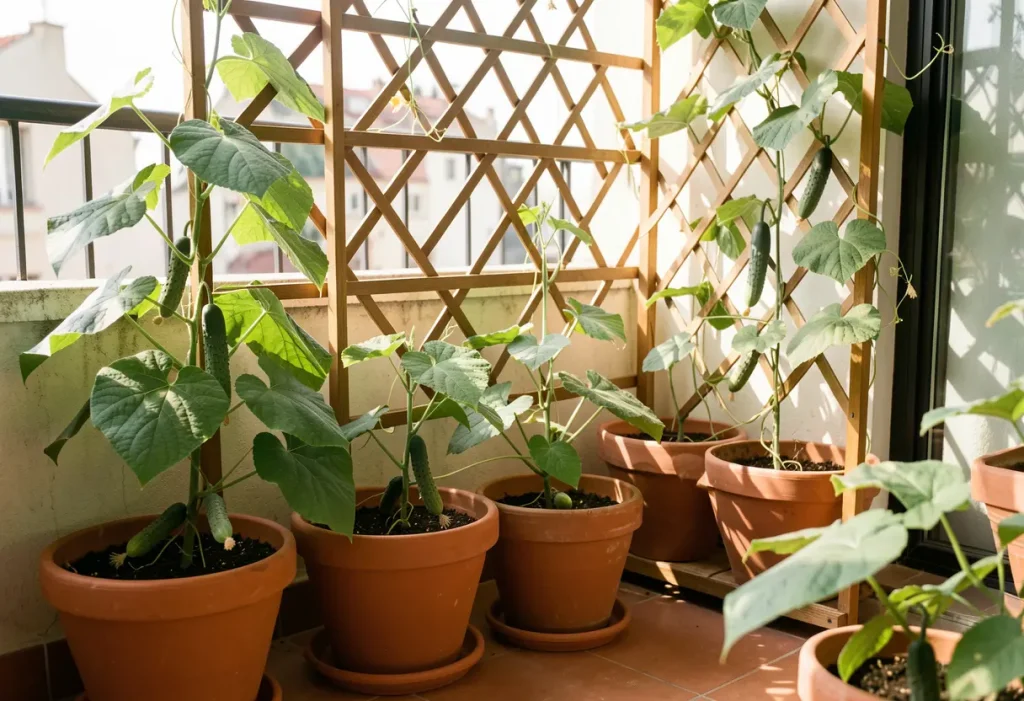
Trellises and stakes guide cucumber vines as they grow. Use a small trellis or bamboo stakes for support. Place the structure close to the plant. Gently tie vines to the support with soft ties. Avoid tight knots to protect stems. Vertical growth saves space and boosts light exposure. This method keeps fruits off the ground. It prevents rot and pest problems. Trellises work well in small indoor spaces.
Pruning cucumber vines helps plants focus energy on fruit. Cut off weak or yellowing leaves. Remove side shoots that grow below the first flower. This directs nutrients to main vines and fruits. Trim long vines to keep plants manageable indoors. Use clean scissors to avoid infections. Pruning also improves air circulation. It lowers the chance of mold and mildew. Regular pruning encourages stronger, healthier cucumber plants.
Growing cucumbers indoors brings unique challenges. Indoor conditions differ from outdoor gardens. Light, space, and air flow can limit plant growth. Pests and diseases also affect indoor cucumbers. Understanding these common problems helps keep plants healthy and productive.
Pests like spider mites and aphids invade indoor cucumber plants. These tiny insects suck plant juices and cause damage. Watch leaves for spots or yellowing. Use insecticidal soap or neem oil to control pests. Clean leaves regularly to remove dust and bugs. Avoid overwatering, which attracts pests and weakens plants.
Indoor cucumbers face risks of fungal and bacterial diseases. Poor air circulation increases mold and mildew. Water leaves only at the base to reduce wetness. Remove dead or infected leaves promptly. Use sterilized pots and soil to prevent disease spread. Keep humidity moderate to avoid fungal growth. Healthy plants resist diseases better than stressed ones.
Harvesting and enjoying your cucumbers is a rewarding part of growing them indoors. Knowing the right time to pick ensures the best taste and texture. Fresh cucumbers bring a crisp and refreshing flavor to meals. Proper care after picking helps maintain their quality and freshness.
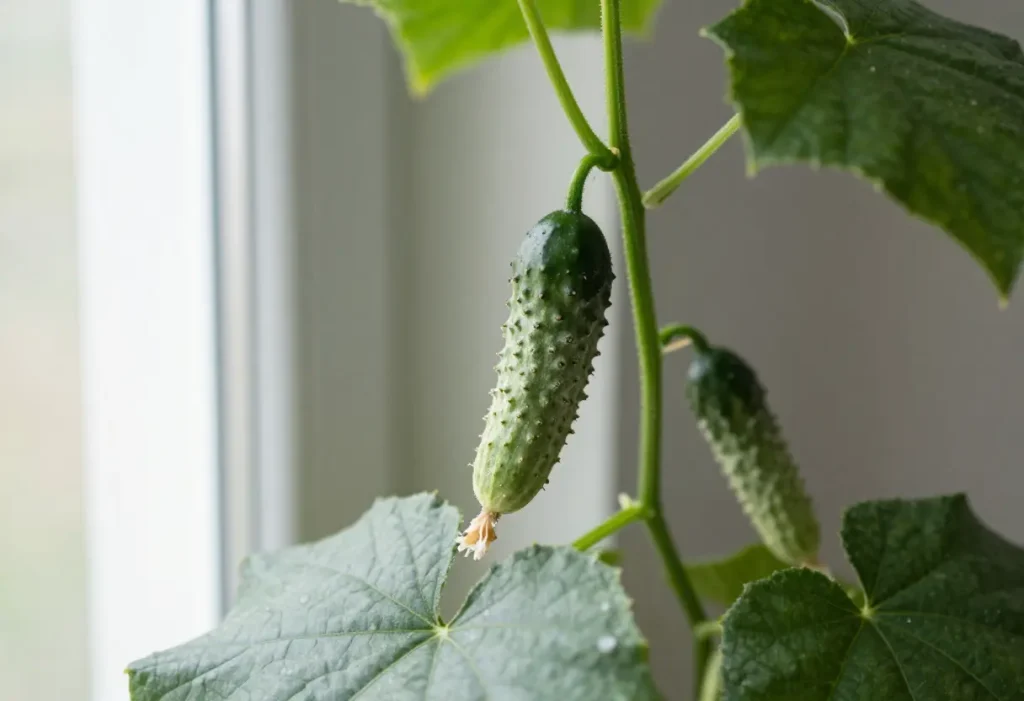
Look for cucumbers that are firm and bright green. They should be about 6 to 8 inches long. Avoid fruits that are yellow or soft. Check for a smooth skin without wrinkles or spots. Harvest cucumbers before they grow too large or bitter. Picking them often encourages new growth and more fruit.
Store cucumbers in the refrigerator to keep them fresh. Wrap them in a paper towel and place in a plastic bag. Use cucumbers within one week for best taste. Slice them fresh for salads, sandwiches, or snacks. You can also pickle cucumbers for longer storage. Enjoy the crisp, cool flavor that fresh cucumbers offer.
Cucumbers need at least 6-8 hours of light daily to grow well. Use a grow light if natural sunlight is low indoors.
Choose a pot at least 12 inches deep with good drainage holes. This helps roots spread and keeps soil healthy.
Water cucumbers regularly to keep soil moist but not soggy. Check soil daily and water when the top feels dry.
Use well-draining potting mix rich in organic matter for best growth. Feed plants with balanced liquid fertilizer every 2 weeks.
Keep leaves clean and remove pests by hand or with mild soap spray. Good air circulation helps prevent pest problems indoors.
Growing cucumbers indoors can be simple and rewarding. Choose the right container and soil for best results. Place plants where they get enough sunlight or use grow lights. Water them regularly but avoid overwatering. Support the vines with stakes or trellises as they grow.
Watch for pests and remove them quickly. Indoor cucumber gardening saves space and brings fresh veggies to you. With some care, you can enjoy homegrown cucumbers all year. Give it a try and see how fun indoor gardening can be!