Gardening Made Simple.

Are you looking to boost your garden’s health and get better results with less effort? Companion Planting With Radishes could be the simple secret you’re missing, helping improve growth, deter pests, and create a more productive garden naturally.
Radishes don’t just add crunch to your salad—they can protect your other plants, improve soil, and even save you from pests. Imagine growing a garden where your plants help each other thrive naturally. Keep reading to discover how radishes can become your garden’s best friend and transform your growing experience.
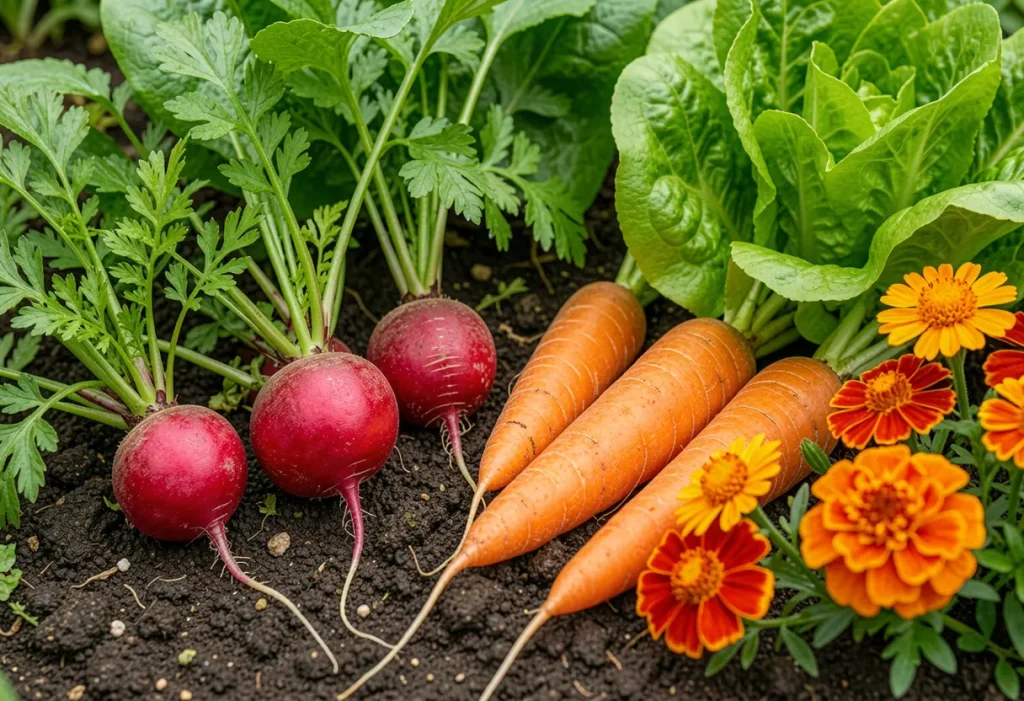
Radish companion planting offers many benefits for your garden. Radishes help other plants grow better and stay healthy. They also protect against pests and improve soil quality. These advantages make radishes a great choice for companion planting.
Planting radishes near other crops can create a more balanced and productive garden space.
Radishes grow quickly and loosen the soil with their roots. This helps nearby plants get more air and water. Radishes also take up less space, so they do not crowd other plants. Their presence can boost the growth of crops like lettuce, carrots, and spinach.
Radishes produce a strong smell that pests dislike. This scent helps keep insects like aphids and cucumber beetles away. Radishes can act as a trap crop, drawing pests away from more valuable plants. This reduces the need for chemical pesticides in your garden.
Radish roots break up compact soil, improving drainage. They add organic matter when they decompose, enriching the soil. Radishes also help balance soil nutrients, benefiting future crops. Growing radishes regularly keeps the soil loose and fertile.
Radishes grow best when paired with certain plants that help them thrive. These ideal companions can improve soil, protect radishes from pests, and boost their flavor. Choosing the right plants encourages a healthy garden and better harvests.
Carrots and radishes grow well together. Radishes help loosen the soil, making it easier for carrots to grow. Lettuce is another good partner. It grows quickly and does not compete for space. Spinach also pairs well, benefiting from radishes’ pest-repellent qualities.
Dill and radishes are a perfect match. Dill attracts beneficial insects that protect radishes. Cilantro is useful too, as it can repel harmful bugs. Mint helps keep pests away but plant it in a pot to avoid spreading too much.
Marigolds are great flowers to plant near radishes. They repel many insects that eat radishes. Nasturtiums work well by attracting pests away from radishes. Calendula also supports radishes by drawing pollinators to the garden.
Radishes are great for many garden companions, but some plants do not grow well near them. Knowing which plants to avoid helps keep your garden healthy and productive. Poor plant pairings can cause slower growth or attract pests. This section explains which plants to keep away from radishes and why.
Potatoes do not grow well near radishes. They compete for nutrients and space. Hyssop is another plant to avoid; it may stunt radish growth. Cabbage and other brassicas can attract pests that also harm radishes. Beans and peas can cause radishes to grow poorly by affecting soil conditions. Avoid planting these near your radishes for the best results.
Some plants release chemicals into the soil that stop radishes from growing well. Others attract the same pests, increasing damage risk. Nutrient competition is also a problem. Plants like potatoes and beans take similar nutrients, leaving radishes starved. Poor air flow and crowding can cause diseases to spread faster. Avoiding bad neighbors helps radishes stay strong and healthy.
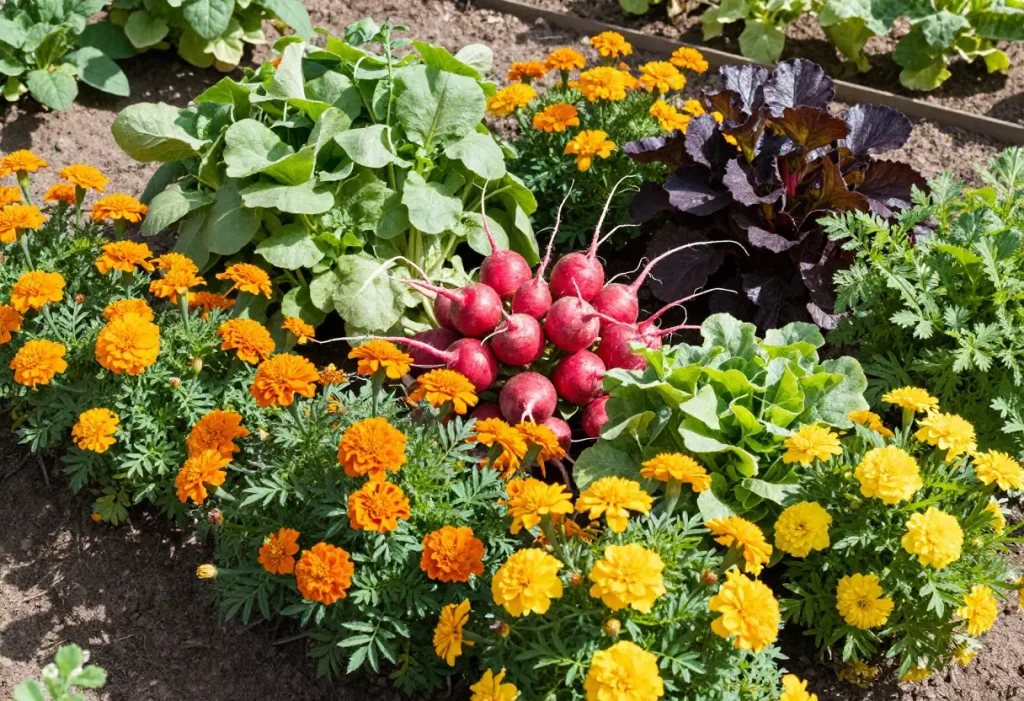
Planting radishes alongside other plants can boost garden health and yield. Proper techniques help radishes grow well with their companions. Careful planning of space, timing, and soil conditions makes a big difference. Use these tips to create a thriving garden with radishes and their best partners.
Leave enough space between radishes and other plants. Radishes grow quickly and need room for roots. Plant companions like carrots or lettuce a few inches apart. Avoid overcrowding to prevent competition for nutrients. Arrange taller plants to the north to avoid shading radishes. Place fast growers with slow growers to use space well. Keep rows straight and tidy for easy care.
Plant radishes early in the season for quick harvest. Sow companions that need more time later. Radishes mature fast, so plant them between slower crops. This helps use garden space all season long. Stagger planting dates to keep the soil active. Radishes can also act as a marker for seed rows. Timing helps radishes support their neighbors effectively.
Prepare soil by loosening it deeply for radish roots. Remove rocks and debris to avoid misshapen radishes. Mix in compost to add nutrients and improve texture. Keep soil moist but well-drained for best growth. Avoid fresh manure, which can cause root problems. Test soil pH to keep it slightly acidic to neutral. Good soil helps radishes and their companions thrive together.
Radishes help control pests in the garden naturally. They protect other plants by keeping harmful bugs away. Using radishes reduces the need for chemical pesticides. This creates a safer, healthier garden environment for plants and people.
Planting radishes near vegetables can stop many common garden pests. Their strong smell confuses insects. Some bugs avoid radishes, which means they also avoid nearby plants.
Radishes repel pests like aphids and flea beetles. Their sharp scent masks the smell of other plants. This keeps pests from finding crops easily. Radishes act as a natural barrier around sensitive vegetables. This simple method lowers pest damage significantly.
Radish flowers attract helpful insects like ladybugs and lacewings. These insects eat pests that harm plants. Having radishes nearby supports a healthy insect balance. Beneficial bugs stay longer and protect the garden better. This helps reduce pest populations naturally.
Radishes work well as trap crops. They lure pests away from valuable plants. Bugs prefer radishes and leave other crops alone. Gardeners can remove radish plants with trapped pests. This lowers pest numbers and protects important vegetables.
Companion planting with radishes helps you get more from your garden space. Radishes grow quickly and fit well with many other crops. Pairing radishes with other plants can improve soil health and protect against pests. This method leads to a better and larger harvest.
Crop rotation stops soil from losing nutrients. Radishes break up hard soil and add organic matter. Plant radishes after heavy feeders like tomatoes or corn. This keeps soil healthy and ready for the next crop. Changing crops each season reduces disease and pest problems.
Radishes grow fast and can be planted multiple times. Plant a new row every two weeks to keep harvest steady. Use radishes to fill gaps between slower-growing plants. This makes sure your garden stays productive for longer. Successive planting helps avoid empty spaces in the bed.
Harvest radishes early to avoid crowding other plants. Pull them when roots are small and tender. Check surrounding plants and pick only mature vegetables. Avoid disturbing roots of nearby crops. Careful harvesting keeps all plants healthy and growing well.
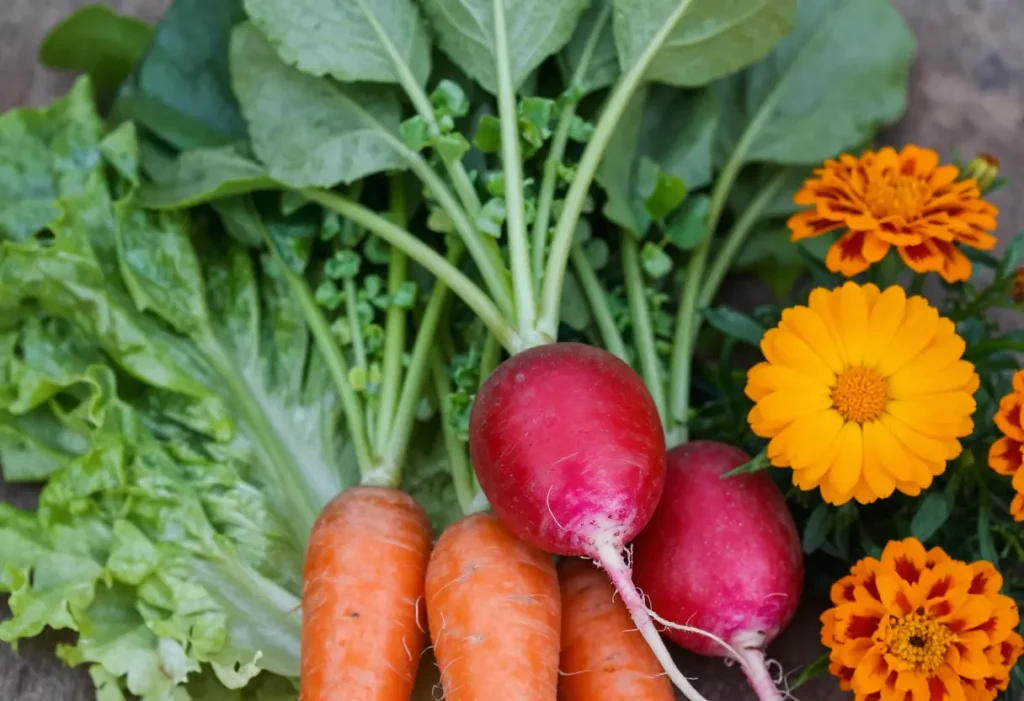
Radishes grow well with carrots, lettuce, cucumbers, and peas. These plants help each other by improving soil and reducing pests.
Radishes break up hard soil and improve air and water flow. They also repel pests that can harm nearby plants.
Yes, radishes can deter pests like aphids and beetles from tomato plants. They act as a natural pest repellent.
Plant radishes early in the season or between slow-growing crops. This helps maximize space and benefits for all plants.
Radishes add organic matter and nutrients to the soil when they decompose. This supports healthy growth for other plants nearby.
Radishes help other plants grow stronger and healthier. They keep pests away and improve soil quality. Planting radishes near vegetables saves space and time. This simple method supports a thriving garden naturally. Try companion planting to enjoy better harvests. Small changes can lead to big garden benefits.
Give radishes a spot next to your favorite plants. Watch your garden grow with less effort and care. Gardening can be easier and more fun this way. Radishes are a helpful partner in your garden journey.