Gardening Made Simple.

Are you looking to grow healthy, juicy cucumbers right in your garden? The secret to thriving cucumber plants often lies beneath the soil—in the compost you use.
Compost for cucumber plants can transform your garden by providing essential nutrients and improving soil health. Imagine harvesting cucumbers that are crisp, flavorful, and abundant, all because you gave your plants the right kind of care. You’ll discover why compost matters so much and how to use it effectively to boost your cucumber harvest.
Keep reading, and you’ll learn simple tips that can make a big difference in your garden’s success.
Compost offers many benefits for cucumber plants. It helps plants grow stronger and healthier. Using compost improves the soil and supports plant health naturally. Cucumbers respond well to compost in many ways.
Adding compost to the soil creates a better environment for cucumbers to thrive. It makes the soil richer and more fertile. The benefits go beyond just nutrients.
Compost changes the soil texture. It makes heavy soil lighter and sandy soil hold water better. Good soil structure lets cucumber roots grow deep and spread easily. Roots get more air and space to grow well.
Compost contains many nutrients that cucumbers need. It slowly releases nitrogen, phosphorus, and potassium. These nutrients help cucumbers grow strong stems and lots of fruit. Compost also improves nutrient uptake by plants.
Soil with compost holds water longer. This means cucumbers get water more evenly. It helps prevent water stress during hot days. Moist soil supports steady growth and better fruit quality.
Compost supports helpful soil microbes. These microbes break down organic matter and protect plants from diseases. They create a natural balance in the soil. Healthy microbes help cucumbers absorb nutrients better.
Choosing the right compost is important for healthy cucumber plants. The compost feeds the soil and helps plants grow strong. Good compost improves soil texture and keeps moisture. It also provides essential nutrients cucumber plants need to thrive.
Not all compost suits cucumbers. Some types work better by offering the right balance of nutrients and good drainage. Knowing which compost to pick helps your cucumber plants stay healthy and produce more fruits.
Compost made from vegetable scraps and garden waste works well. It is rich in nitrogen and other nutrients. Well-rotted manure compost is also good for cucumbers. It adds nutrients slowly and improves soil structure. Leaf mold compost keeps soil moist and light. Avoid compost that is too woody or too fresh. These can harm cucumber roots or lock nutrients.
Choose compost free from chemicals and pesticides. These can damage cucumber plants and reduce fruit quality. Avoid compost with plastic, glass, or metal pieces. These contaminants harm soil and plants. Pick compost that is fully decomposed. Immature compost may contain harmful substances that stop growth.
Homemade compost is cheap and eco-friendly. You control what goes in it and avoid chemicals. It may take time to make and needs space. Store-bought compost is ready to use and tested for quality. It often contains added nutrients for cucumbers. Choose based on your time, budget, and garden size.
Applying compost to cucumber plants helps improve soil health and plant growth. Compost provides nutrients and improves soil structure. Using the right method and timing makes compost most effective. Learn how to apply compost to cucumber plants for best results.
Apply compost before planting cucumber seeds or seedlings. Mix it into the soil to prepare a nutrient-rich bed. You can also add compost during the growing season. Use it early to support strong plant development. Avoid applying compost late in the season.
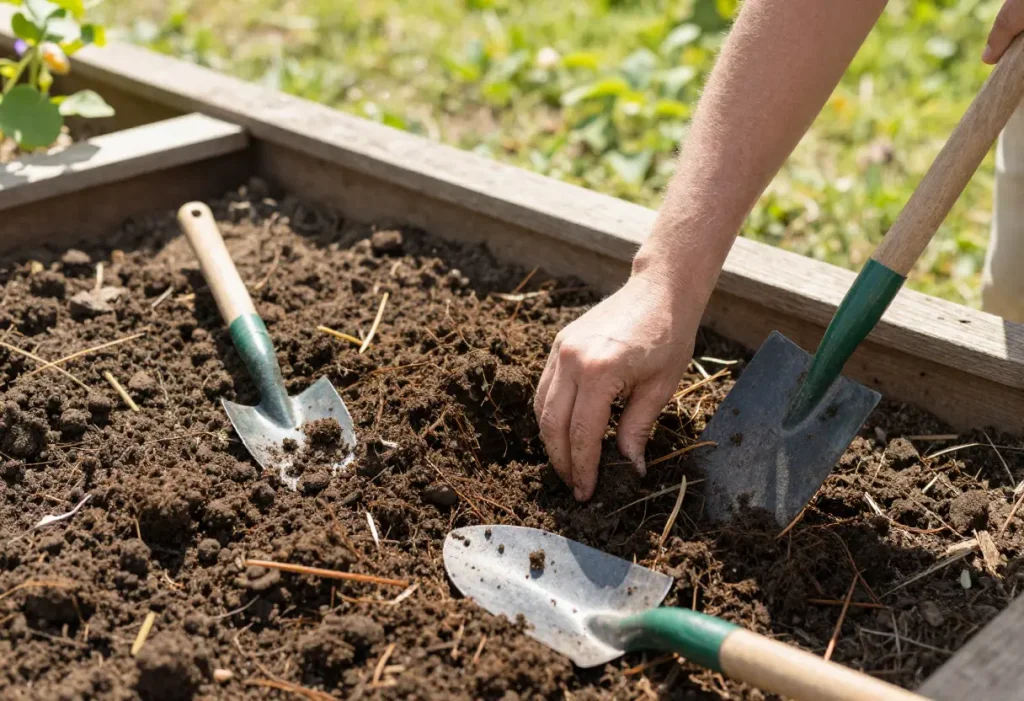
Mix compost into the top 6 to 8 inches of soil. Use a garden fork or tiller to blend it well. This helps roots access nutrients easily. Avoid placing compost too deep or on the surface only. Proper mixing improves soil texture and water retention.
Spread a 2 to 3 inch layer of compost around cucumber plants. Keep compost a few inches away from the stems. This mulch helps retain moisture and reduce weeds. It slowly releases nutrients as it breaks down. Refresh the mulch layer during the growing season.
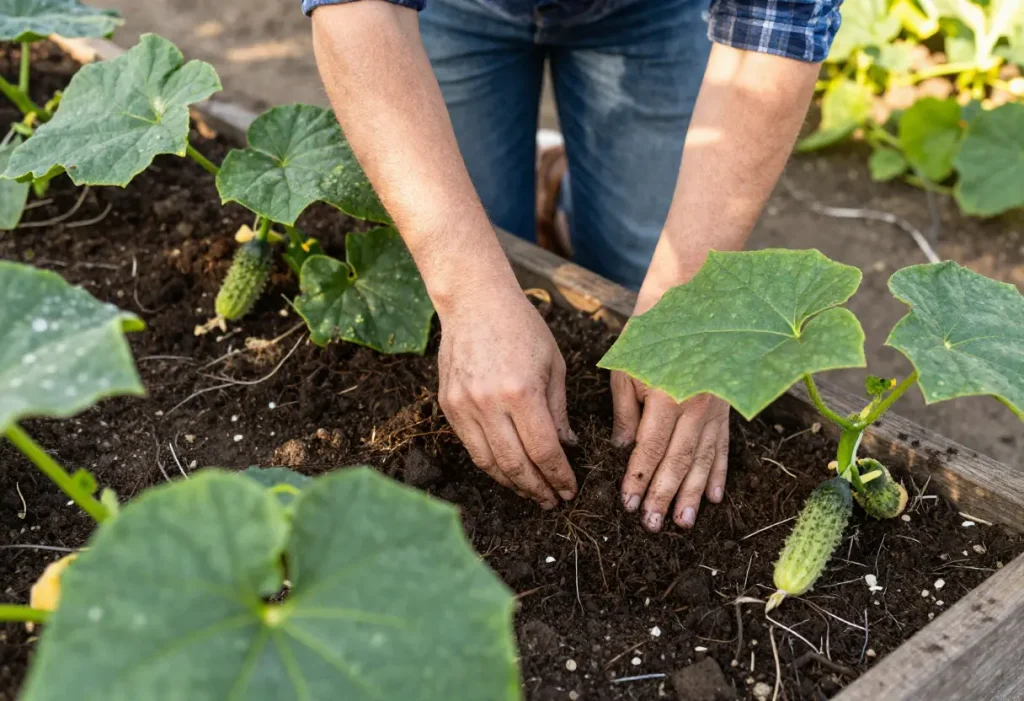
Compost plays a vital role in the growth of cucumber plants. It provides essential nutrients at each stage of development. Understanding how compost supports cucumbers can improve your harvest. Using the right compost at the right time helps plants grow strong and healthy.
Each growth stage has different nutrient needs. Compost adjusts soil nutrition to meet these changes. Proper compost use boosts cucumber growth from seedling to fruiting.
Young cucumber seedlings need gentle nutrition. Compost adds small amounts of nitrogen and phosphorus. These nutrients support root growth and leaf development. Compost improves soil structure, helping roots spread easily. Avoid heavy compost that can burn tender seedlings.
Cucumbers need more nutrients during flowering. Compost supplies potassium and calcium needed for fruit growth. These nutrients strengthen flowers and help fruits develop well. Regular compost feeding supports healthy blooms and larger cucumbers. It also improves water retention, which keeps plants hydrated.
Compost replenishes nutrients lost during growth. It keeps soil rich and fertile for the whole season. Adding compost regularly prevents nutrient depletion and soil fatigue. Healthy soil supports continuous cucumber production. Compost also encourages beneficial microbes that improve soil health.
Compost is a great help for cucumber plants. It gives important nutrients and improves soil health. Many gardeners make mistakes with compost use. These errors can harm plants or slow their growth. Knowing common mistakes helps you avoid problems and grow healthy cucumbers.
Using too much compost can cause problems. Excess nutrients may burn cucumber roots. It can also make soil too rich, hurting plant growth. Overuse leads to poor air and water flow in soil. This makes roots weak and prone to disease. Use compost in small, balanced amounts for best results.
Unfinished compost still has raw materials inside. These can steal nitrogen from soil, starving plants. It may also contain harmful pathogens or weed seeds. Using unfinished compost can slow cucumber growth and cause illness. Always use fully decomposed compost for safe and healthy plants.
Soil pH affects how plants absorb nutrients. Compost can change soil pH, sometimes too much. If pH is off, cucumbers may not grow well. Also, compost changes soil texture and drainage. Check soil pH and type before adding compost. Adjust compost use to keep soil balanced for cucumber plants.
Compost alone provides many nutrients, but cucumber plants often need more. Supplementing compost with other organic fertilizers can boost plant health. These additions improve soil structure, moisture retention, and nutrient variety. This helps cucumbers grow stronger and produce more fruit. Different fertilizers bring unique benefits, making the soil richer and more balanced.
Manure adds nitrogen, phosphorus, and potassium to the soil. These nutrients support leafy growth and fruit development. Well-aged manure mixes well with compost without burning plants. It improves soil texture and encourages beneficial microbes. Use cow, horse, or chicken manure for best results. Always compost manure before use to avoid pathogens and odors.
Worm castings are rich in nutrients and enzymes. They help plants absorb nutrients faster and grow healthier roots. Castings improve soil aeration and water retention. Mix worm castings into compost or top dress the soil around cucumbers. This natural fertilizer also boosts disease resistance in plants. Worm castings are gentle and safe for all growth stages.
Liquid organic feeds deliver nutrients quickly to cucumber plants. They are easy to apply by spraying on leaves or watering soil. These feeds often contain seaweed, fish emulsion, or compost tea. They stimulate growth and help plants recover from stress. Use liquid feeds during active growth or flowering for best effect. Regular feeding supports strong vines and abundant fruit.
Healthy cucumber plants need good care and attention. Using compost is a great way to help them grow strong. Along with compost, some key tips can boost your cucumber plants’ health. These tips help your plants get the right nutrients and stay free from pests and diseases. Follow these simple steps for better growth and tasty cucumbers.
Check your soil often to know its condition. Soil testing shows nutrient levels and pH balance. Cucumbers prefer slightly acidic to neutral soil. Testing helps you add the right compost or fertilizer. It prevents nutrient problems that slow plant growth. Test soil every few months for best results.
Water cucumber plants deeply but not too often. Keep the soil moist, not soggy. Too much water can cause root rot. Water early in the morning to reduce evaporation. Use drip irrigation or water at the base. Avoid wetting leaves to stop fungus growth.
Watch plants daily for pests like aphids and beetles. Remove pests by hand or use safe sprays if needed. Keep the garden clean and remove dead leaves. Crop rotation helps prevent soil diseases. Healthy plants resist pests and diseases better.
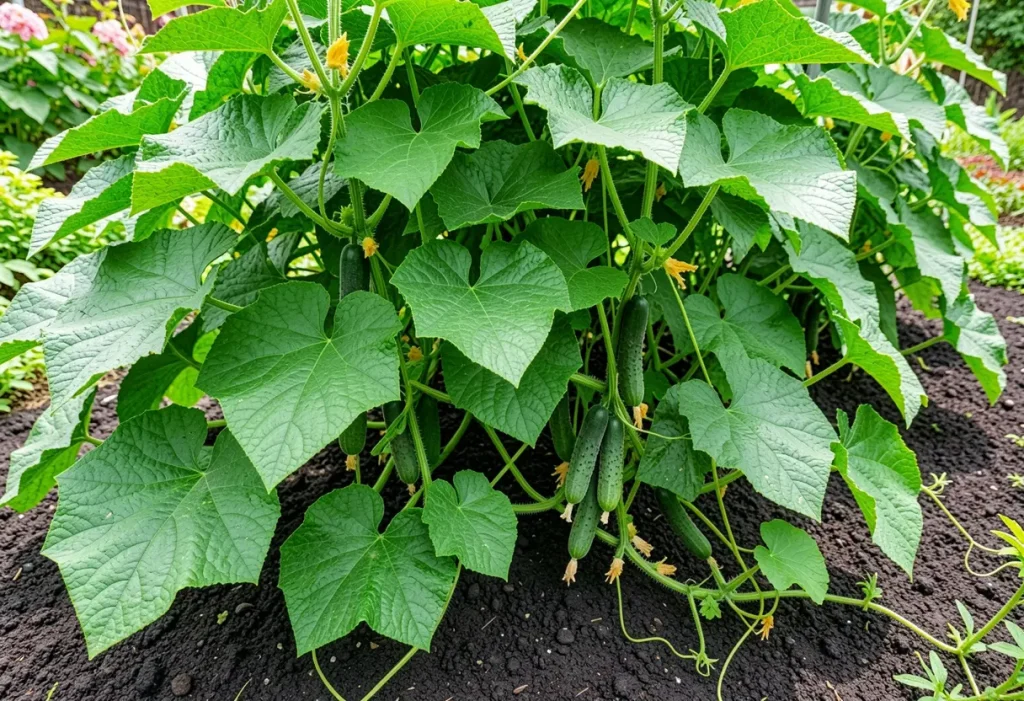
Well-rotted compost rich in organic matter works best for cucumbers. It improves soil structure and provides essential nutrients for healthy growth.
Apply compost at planting and once more mid-season. This keeps soil fertile and supports continuous cucumber growth.
Yes, homemade compost is great if fully decomposed. It supplies natural nutrients and helps maintain soil moisture.
Yes, compost boosts yield by enriching soil nutrients. Healthy soil encourages strong plants and more cucumbers.
Mix compost into soil before planting for nutrient access. Using it as mulch helps retain moisture and control weeds.
Compost helps cucumber plants grow strong and healthy. It adds nutrients that plants need daily. Using compost improves soil texture and water retention. This means your cucumbers get moisture and air easily. Healthy soil leads to better fruit production. Regular compost feeding can reduce the need for chemicals.
It also supports beneficial insects and microbes in the soil. Simple steps like adding compost make a big difference. Try it in your garden and watch your cucumbers thrive. Gardening becomes easier and more natural with compost. Give your cucumber plants the best care with good compost.