Gardening Made Simple.

If you love fresh, peppery greens but hate paying high prices at the store, Growing Arugula from Seed is the perfect solution. Imagine picking vibrant, flavorful leaves right from your own garden whenever you want, enjoying a continuous supply of healthy, homegrown arugula.
It’s easier than you think, and the rewards are immediate. In this guide, you’ll discover simple steps to grow healthy arugula plants that will boost your meals and your mood. Ready to turn a few seeds into a thriving, tasty crop?
Let’s get started!
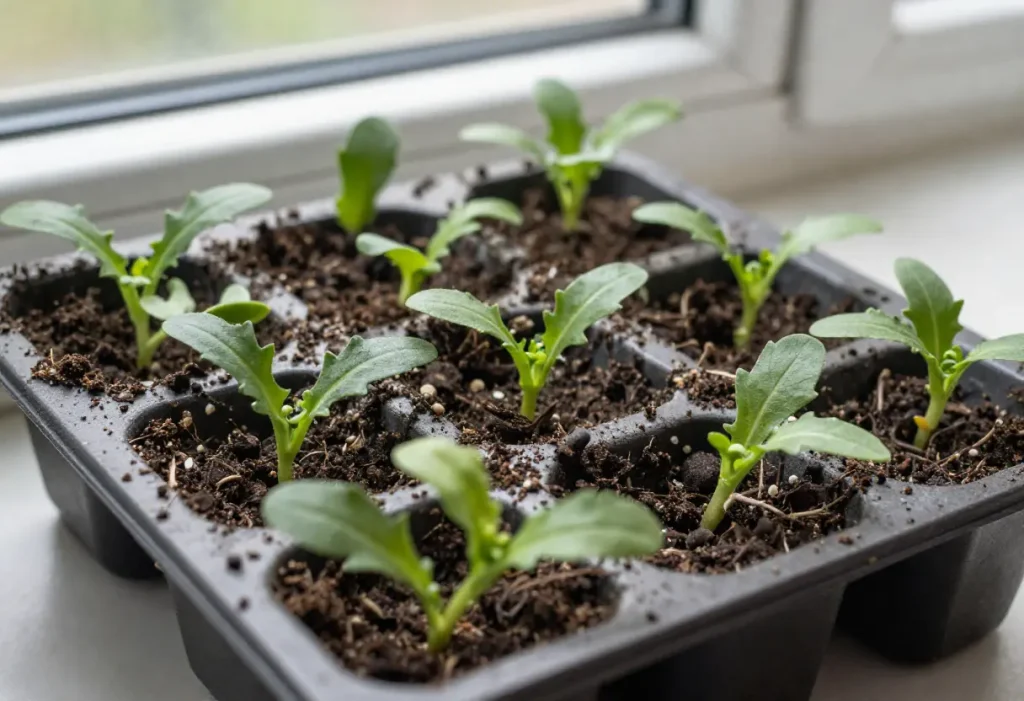
Choosing the right seeds is the first step to growing healthy arugula. The type of seed you pick affects taste, growth speed, and how well your plants do. Understanding seed options helps you plant with confidence. Select seeds that suit your climate and desired flavor. This section guides you on how to choose the best arugula seeds.
Arugula comes in many types. Some have a mild, sweet taste. Others are strong and peppery. Peppery arugula adds bold flavor to salads and dishes. Choose peppery varieties if you like spicy greens. Look for names like “Rocket” or “Wild Arugula.” These types grow well in most gardens. They also resist pests better than mild kinds.
Seed quality matters for good growth. Buy seeds from trusted stores or online shops. Check if seeds are fresh and organic. Fresh seeds sprout faster and grow stronger plants. Avoid packets with no planting date or unclear labels. Local garden centers often have seeds suited to your area. Buying quality seeds saves time and effort later.
Preparing the soil is the first step to growing healthy arugula from seed. Good soil helps seeds sprout quickly and plants grow strong. It also keeps roots healthy and helps the plant get enough water and nutrients. Taking time to prepare the soil well makes a big difference in your arugula harvest.
Arugula grows best in loose, well-drained soil. The soil should feel soft and crumbly. Heavy clay or compacted soil slows root growth and traps water. Slightly sandy soil works well because it drains quickly. The soil pH should be between 6.0 and 7.0, which is slightly acidic to neutral. This range helps plants absorb nutrients easily.
Adding organic matter improves soil texture and fertility. Compost or well-rotted manure works best. Mix these into the top 6 inches of soil. This gives seeds a healthy place to start. Avoid fresh manure; it can burn young plants. Lightly till or turn the soil after adding amendments. This blends nutrients evenly and loosens the soil for better root growth.
Planting arugula seeds is the first step to a fresh, peppery harvest. It is easy and quick to grow arugula from seeds. With the right care, you can enjoy homegrown greens in a few weeks.
Preparing the soil and choosing the right time to sow improves growth. Small details like seed depth and spacing also matter. Follow these tips to start your arugula garden successfully.
Arugula prefers cool weather for the best growth. Sow seeds in early spring or fall. Avoid hot summer months because heat makes leaves bitter.
In mild climates, sow every few weeks for a steady supply. This way, you always have fresh arugula ready to pick.
Scatter seeds evenly over prepared soil. Lightly cover them with a thin layer of soil. Keep the soil moist but not soaked.
Use a fine spray to water gently. This prevents seeds from washing away. Seeds usually sprout in 5 to 7 days.
Plant seeds about ¼ inch deep. This depth protects seeds and helps them sprout. Space seeds 1 to 2 inches apart for healthy growth.
Thin seedlings to 4 to 6 inches apart once they grow. Proper spacing allows leaves to grow large and full. Crowded plants may become weak or misshaped.
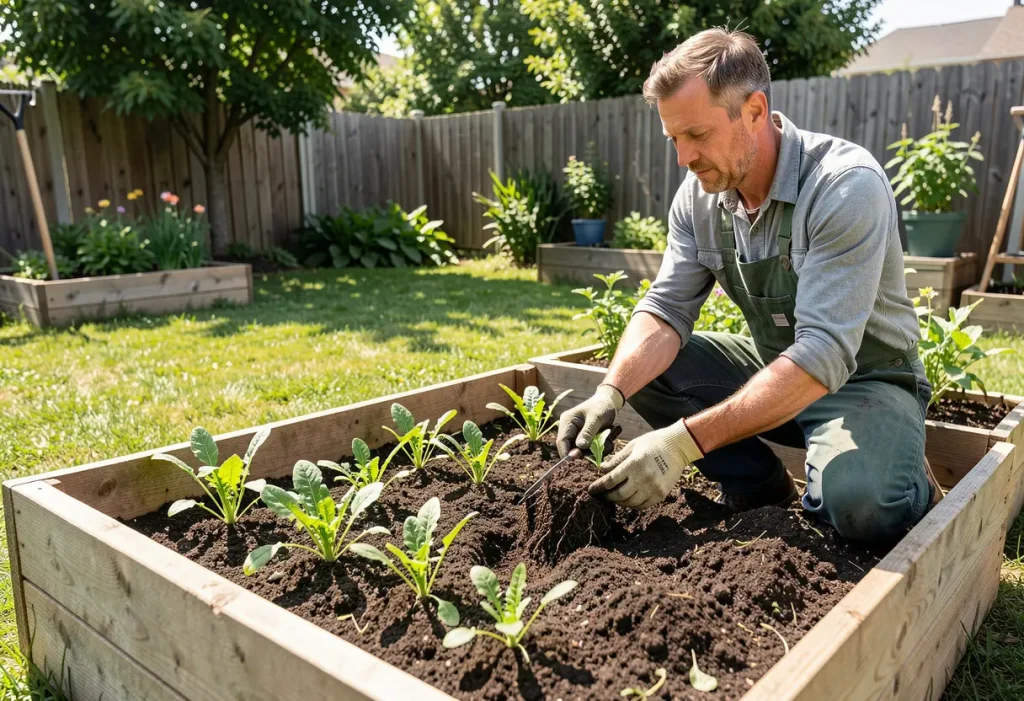
Water and sunlight are key to growing healthy arugula from seed. Proper care helps the leaves stay tender and flavorful. Too much or too little water can harm the plant. Sunlight affects how fast the arugula grows and its taste.
Keep the soil moist but not soggy. Water arugula about 2 to 3 times a week. Check the soil surface; it should feel damp, not dry. In hot weather, water more often to stop wilting. Avoid water on the leaves to prevent disease. Early morning watering works best.
Arugula needs at least 4 to 6 hours of sunlight daily. Morning sun is ideal for gentle warmth. Too much hot sun can cause leaves to turn bitter. Partial shade helps in very hot climates. Place seeds in a spot with good air flow. This keeps plants healthy and strong.
Fertilizing arugula helps it grow green and full. Good fertilizer gives the plant the nutrients it needs. This keeps leaves fresh and tasty. Proper feeding also helps arugula resist pests and disease. Healthy plants grow faster and produce more leaves. Below are tips on choosing and applying fertilizer for arugula.
Pick a balanced fertilizer with equal parts nitrogen, phosphorus, and potassium. Nitrogen helps leaf growth, important for arugula. Organic options like compost or fish emulsion work well. These release nutrients slowly and improve soil health. Avoid fertilizers high in nitrogen alone; they may cause leaf burn. Choose products labeled for leafy greens or vegetables.
Start fertilizing once seedlings have two sets of leaves. Apply fertilizer every two to three weeks during the growing season. Use a liquid fertilizer diluted in water for easy feeding. Pour around the base of each plant, not directly on leaves. Water the soil after fertilizing to help nutrients soak in. Stop feeding a few weeks before harvest for best taste.
Growing arugula from seed is rewarding but needs careful pest and disease management. Healthy plants grow best without damage from bugs or fungi. Protecting your crop ensures fresh, tasty leaves for your meals.
Some pests love arugula leaves. Aphids suck plant juices and cause leaves to curl. Flea beetles leave small holes and can stunt growth. Cabbage loopers chew large holes in leaves. Slugs and snails feed at night and leave slime trails. Watch for these pests early to stop damage.
Use simple ways to keep pests away. Spray water to wash off aphids. Plant marigolds nearby to repel flea beetles. Handpick caterpillars like cabbage loopers and remove them. Place barriers or traps for slugs and snails. Encourage ladybugs and lacewings; they eat harmful insects. Use neem oil as a gentle spray for pest control. These natural methods protect arugula without chemicals.
Harvesting arugula at the right time ensures fresh, tasty leaves. Proper picking helps the plant grow more leaves. This section shares easy tips to get the best from your arugula harvest.
Pick arugula leaves when they are young and tender. Leaves are best at 3 to 4 inches long. Harvest early in the morning for the freshest taste. Avoid waiting too long. Older leaves can taste bitter and tough.
Use scissors to snip leaves, not pull them out. Cut outer leaves first, leaving the center to grow. This method lets the plant keep producing new leaves. Harvest every few days to keep arugula fresh and growing. Regular picking encourages a longer harvest season.
Extending the growing season for arugula means you can enjoy fresh leaves longer. You can start harvesting earlier in spring and continue into fall or winter. This makes growing arugula more rewarding and helps reduce trips to the store. Several methods work well to stretch the season.
Succession planting means sowing arugula seeds every two to three weeks. This keeps a steady supply of fresh leaves. As one batch matures, another starts growing. This method avoids a big harvest all at once. It also reduces waste and ensures fresh arugula on your table.
Plant seeds in small rows or patches. Thin the seedlings to avoid crowding. Keep the soil moist for quick germination. Succession planting works well outdoors during mild weather.
Growing arugula in containers lets you move plants indoors during cold weather. You can use pots or window boxes. Indoor arugula needs bright light. A sunny windowsill or grow light helps leaves stay tender and flavorful.
Containers warm up faster than garden soil. This helps start seeds early in spring. Indoor growing also protects plants from pests and frost. Water regularly and ensure good air circulation. You can harvest leaves continuously by snipping the outer ones.
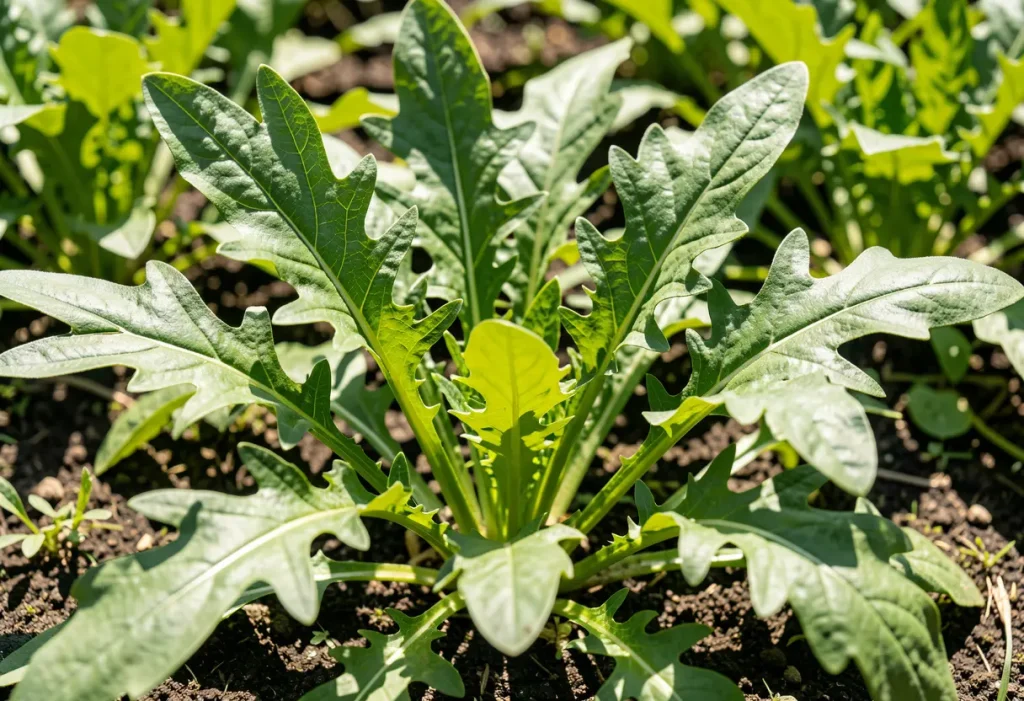
Arugula seeds usually sprout within 5 to 7 days. Keep the soil moist and warm for best results.
Arugula grows best in well-drained, fertile soil rich in organic matter. A slightly acidic to neutral pH is ideal.
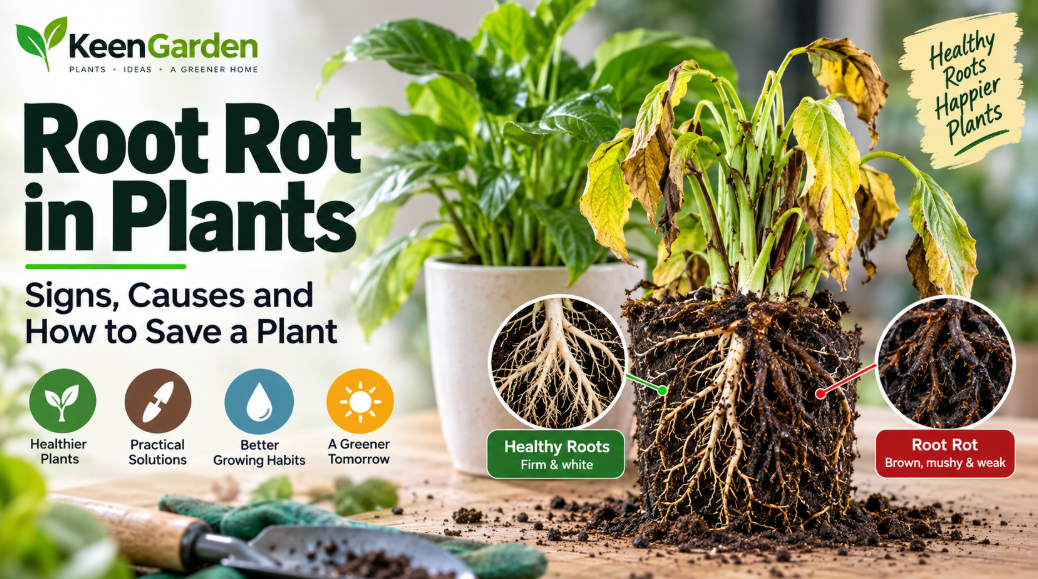
Water arugula seedlings lightly every day to keep the soil moist. Avoid overwatering to prevent root rot.
Yes, arugula can grow well in partial shade. It prefers cooler temperatures and tolerates some sunlight.
Harvest arugula leaves about 3 to 4 weeks after planting. Pick young leaves for the best taste and texture.
Growing arugula from seed is simple and fun. You only need good soil, water, and sunlight. Seeds sprout quickly, giving fresh leaves in weeks. Harvest leaves regularly to keep plants healthy. Arugula adds a peppery taste to many meals. Enjoy the fresh flavor from your own garden.
Start small and watch your plants grow. Gardening can bring joy and fresh food. Give growing arugula a try today!