Gardening Made Simple.

Are you ready to add a splash of color and crunch to your garden? Growing Radishes from Seed is easier than you might think and lets you enjoy fresh, crisp vegetables straight from your backyard.
Imagine harvesting your own radishes in just a few weeks—no fancy tools or green thumb needed. In this guide, you’ll discover simple steps to start your radish seeds, tips to keep them healthy, and tricks to get the best flavor.
Keep reading, and you’ll be amazed at how quickly you can turn tiny seeds into tasty, homegrown radishes.
Choosing the right radish varieties is important for a good harvest. Different types grow at different speeds and have unique flavors. Some varieties do better in certain climates. Picking the right ones saves time and effort. It makes growing radishes more fun and rewarding.
Radishes can grow very quickly, some in just 20 days. Fast-growing types are great for beginners and quick salads. Varieties like Cherry Belle and Sparkler mature fast and are easy to grow. These radishes give quick results and keep you motivated.
Radishes vary in taste from mild to spicy. White icicle radishes have a sweet, mild flavor. Watermelon radishes offer a crisp texture and a peppery bite. Choose flavors that suit your meals. This way, your harvest fits your cooking style.
Radishes grow best in cool weather. Some types tolerate heat better than others. Asian radishes handle warm climates well. In cooler areas, try French Breakfast radishes. Knowing your climate helps pick varieties that thrive and produce well.
Preparing soil is the first step to growing healthy radishes from seed. Good soil helps radishes grow fast and strong. It gives the seeds a soft place to sprout and grow roots. Preparing soil well can improve the size and taste of radishes. Let’s explore how to get your soil ready for planting radishes.
Radishes grow best in loose, sandy soil. This type of soil lets roots grow easily. Heavy clay soil can stop roots from growing well. Mix compost or organic matter into the soil to make it light. This also adds nutrients that radishes need to grow healthy and fast.
Radishes prefer soil with a pH between 6.0 and 7.0. This range means the soil is slightly acidic to neutral. Test your soil with a simple kit to find its pH. Adjust the pH by adding lime to raise it or sulfur to lower it. Proper pH helps radishes absorb nutrients better.
Good drainage stops water from sitting around roots. Waterlogged soil can cause radishes to rot. To improve drainage, add sand or compost to the soil. Raised beds also help water flow away from roots. Well-drained soil keeps radishes healthy and crunchy.
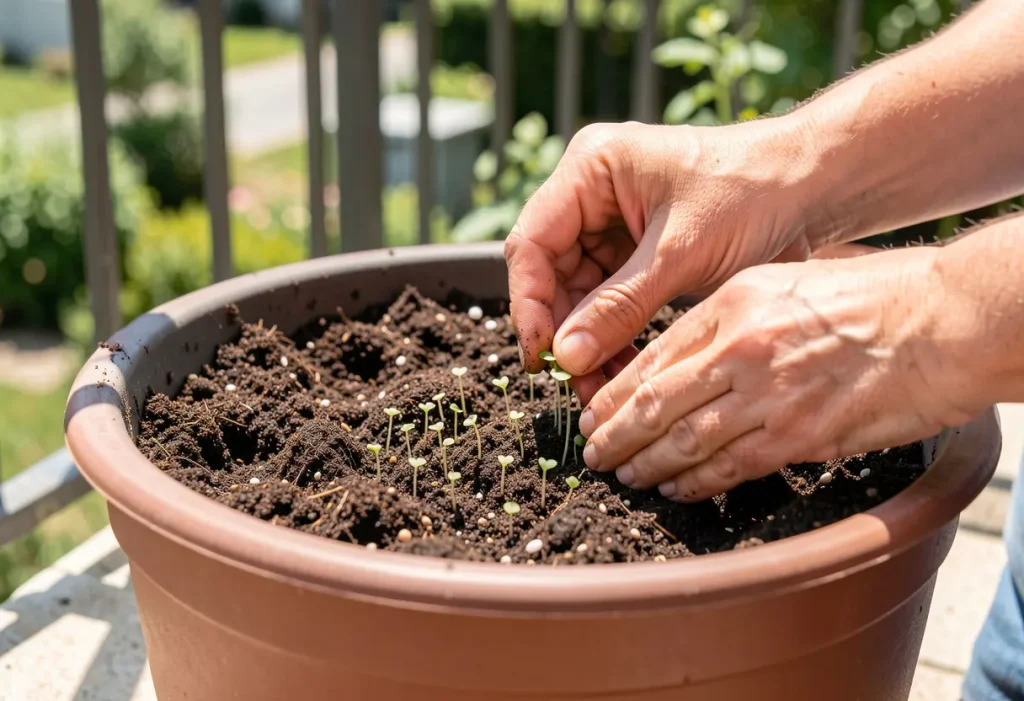
Sowing radish seeds is a simple and quick way to start your radish garden. Radishes grow fast and need little care at the start. Planting the seeds correctly helps them sprout strong and healthy.
Paying attention to the right time, spacing, and depth will improve your radish harvest. These small steps make a big difference in growth and flavor.
Plant radish seeds in early spring or late summer. Radishes prefer cool weather to grow well. Avoid planting in hot summer months. For a steady supply, sow seeds every two weeks.
Space radish seeds about 1 inch apart in rows. Keep rows 12 inches apart for easy growth. Proper spacing prevents crowding and allows roots to develop fully. Thin seedlings if they grow too close.
Plant radish seeds ½ inch deep in the soil. Cover seeds lightly with soil to keep moisture in. Too deep planting can slow germination. Shallow planting helps seeds sprout quickly.
Proper watering and fertilizing are key to growing healthy radishes from seed. Radishes need just the right amount of water and nutrients. This helps them grow quickly and develop a crisp texture. Too little or too much water can harm the roots. Fertilizers give the plants the extra food they need to thrive. Below are some tips to help you water and feed your radishes well.
Radishes prefer soil that stays moist but not soggy. Water the seeds gently after planting to settle the soil. Check the soil every day. Water lightly if the top inch feels dry. During hot weather, radishes may need watering twice daily. In cooler weather, watering once or every other day is enough. Consistent moisture helps radishes grow fast and prevents them from becoming woody or bitter.
Radishes grow well with balanced fertilizers. Choose one with equal parts nitrogen, phosphorus, and potassium (NPK 10-10-10). Apply fertilizer before planting or lightly sprinkle around seedlings. Use a diluted liquid fertilizer every two weeks for steady growth. Avoid too much nitrogen; it causes lots of leaves but small roots. Organic options like compost or well-rotted manure also work well. They improve soil health and nourish plants gently.
Overwatering can cause radish roots to rot or crack. Ensure soil drains well and does not stay waterlogged. Use containers with drainage holes if growing in pots. Water only after the top inch of soil dries out. Signs of overwatering include yellowing leaves and soft roots. If soil feels soggy, reduce watering and let it dry slightly. Balanced watering keeps radishes healthy and tasty.
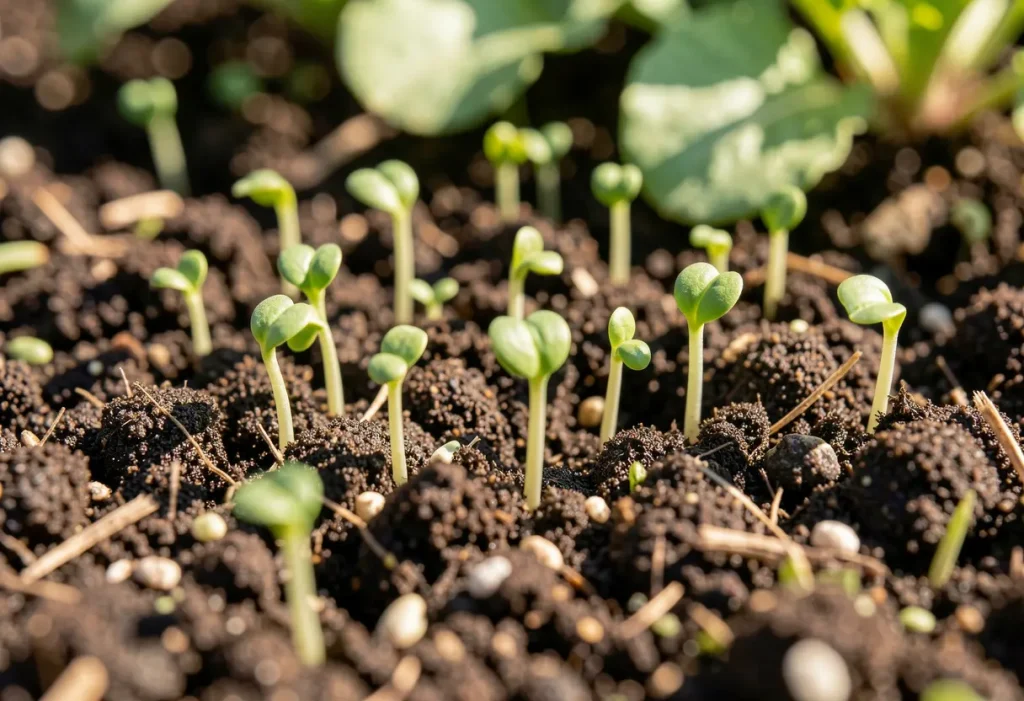
Growing radishes from seed is simple, but pests and diseases can cause problems. Managing these issues early helps keep your crop healthy. Knowing common pests and using natural controls protect your radishes. Preventing disease also plays a big role in a good harvest.
Radishes attract pests like flea beetles, aphids, and root maggots. Flea beetles leave small holes on leaves. Aphids cluster on new growth and suck plant juices. Root maggots attack the radish roots, causing damage below ground. These pests reduce plant strength and lower yield.
Use row covers to keep insects away from young plants. Handpick pests like aphids or beetles when you see them. Encourage beneficial insects like ladybugs and lacewings to eat harmful bugs. Sprinkle diatomaceous earth around plants to deter soft-bodied pests. Rotate crops yearly to stop pest buildup in soil.
Plant radishes in well-drained soil to avoid root rot. Water at the base to keep leaves dry and prevent fungal growth. Remove old plant debris to reduce disease chances. Space plants properly for good air circulation. Use disease-resistant seed varieties when available for extra protection.
Harvesting and storing radishes correctly keeps their flavor fresh and crisp. Picking radishes at the right time ensures the best taste. Proper storage extends their shelf life and reduces waste.
Radishes are ready to harvest when the roots reach 1 inch wide. The tops may start to push out of the soil slightly. Leaves stay green and healthy-looking. Avoid waiting too long; radishes can get woody and bitter.
Loosen the soil around the radish gently with your hands or a tool. Pull the radish straight up to avoid breaking the root. Brush off excess dirt but do not wash before storage. Handle radishes carefully to prevent bruises and damage.
Cut off the leafy tops, leaving about 1 inch of stem. Store radishes in a plastic bag or container in the refrigerator. Keep them in the crisper drawer to maintain moisture. Radishes last about 1 to 2 weeks when stored properly.
Growing radishes from seed can be simple, but some problems may occur. Knowing how to fix common issues helps keep your plants healthy. This guide covers typical troubles and how to solve them fast.
Radishes need good soil and enough water to grow well. Poor growth happens if the soil is too hard or lacks nutrients. Too much shade can slow growth. Also, seeds sown too deep may not sprout well. Check soil moisture often. Water radishes regularly but avoid soaking the soil.
Twisted or forked roots usually mean the soil is compacted or rocky. Radishes need loose, soft soil to grow straight. Crowding plants too close can cause roots to deform. Thin seedlings early to give space. Avoid adding fresh manure near roots as it can cause strange shapes.
Yellow or spotted leaves may mean pests or diseases. Aphids and flea beetles often attack radish leaves. Use gentle sprays or wash leaves with water to remove insects. Too much sun can also burn leaves. Provide light shade during hot days. Healthy leaves mean better root growth.
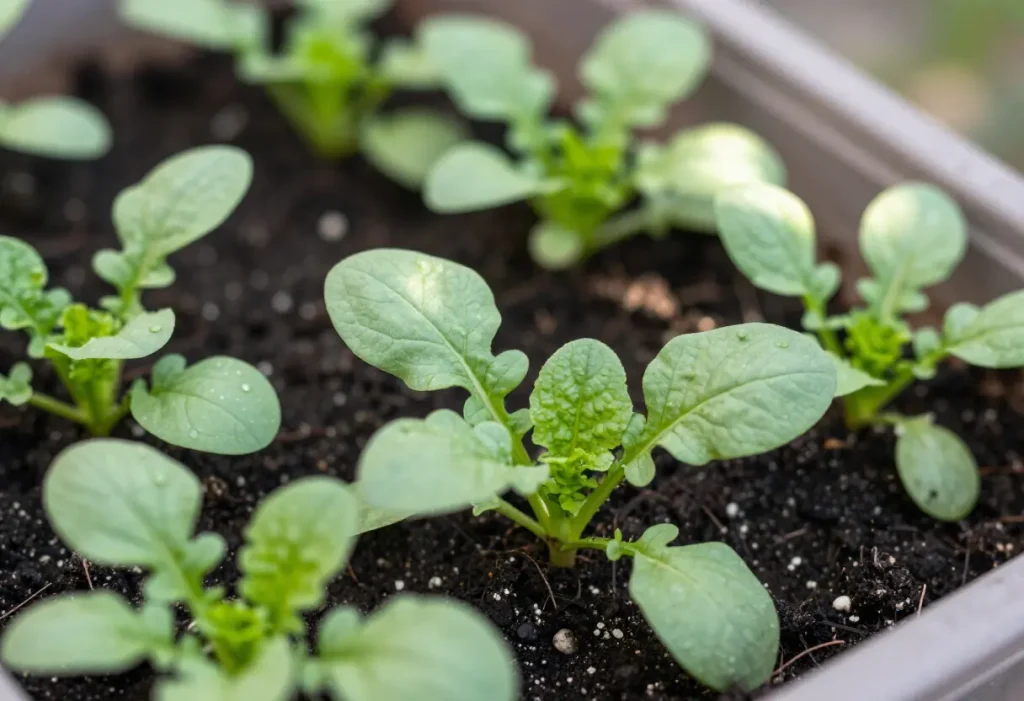
Radishes usually grow in about 3 to 4 weeks after planting seeds. They are one of the fastest vegetables to harvest. This makes them great for quick gardening results.
Radishes prefer loose, well-drained soil that is rich in organic matter. Avoid heavy clay soils as they can slow root growth. Adding compost helps improve soil quality.
Radishes need at least 6 hours of sunlight each day to grow well. Too little sun can cause poor root development. A sunny spot in your garden is ideal.
Yes, radishes grow well in containers that are at least 6 inches deep. Use good quality potting soil and keep it moist. This method works well for small spaces.
Radish seeds need consistent moisture for good germination and root growth. Water lightly every day or when the soil feels dry. Avoid overwatering, which can cause rot.
Growing radishes from seed brings fresh, crunchy vegetables to your table. Radishes grow fast and need little care. Plant seeds in loose soil and water regularly. Thin seedlings for better growth and bigger radishes. Watch for pests and pick radishes when they are small and tender.
Enjoy the satisfaction of harvesting your own food. Gardening this way is simple and fun. Give it a try and see how easy growing radishes can be. Your garden will thank you with tasty, healthy radishes.