Gardening Made Simple.
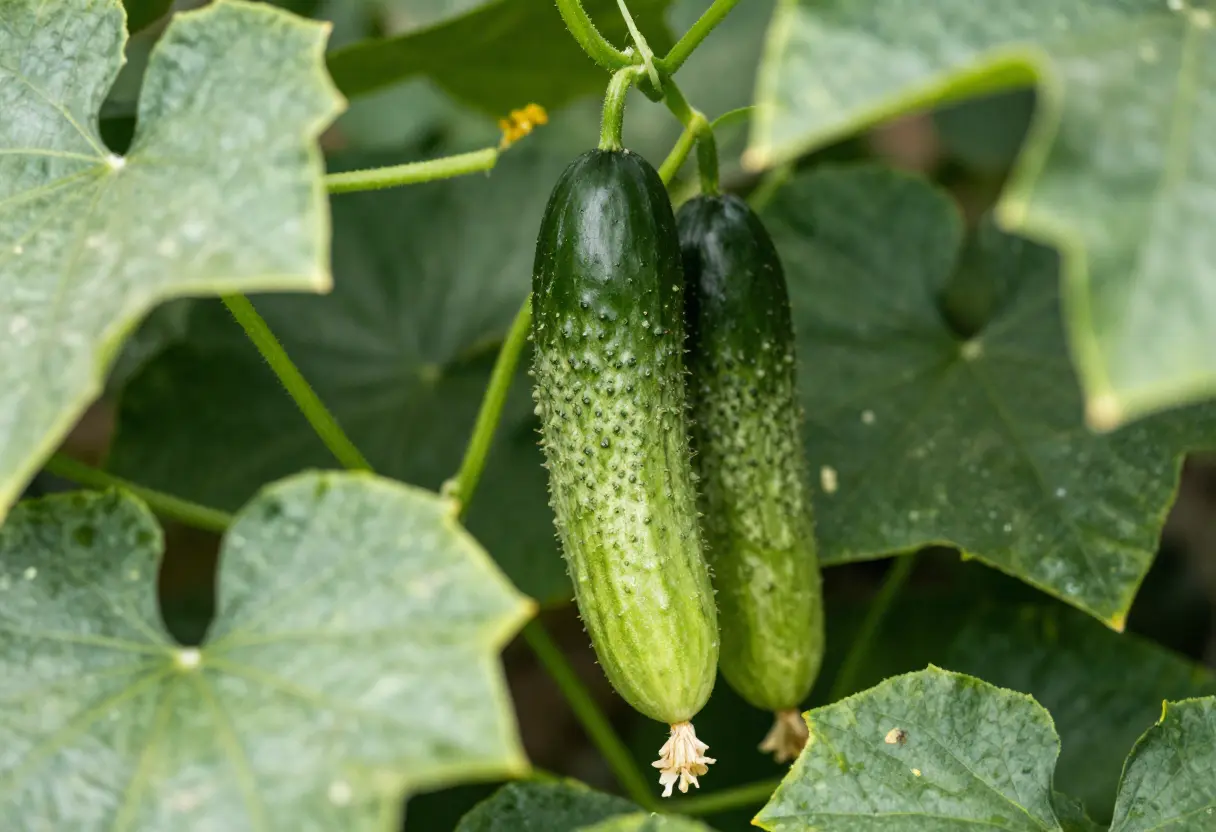
You’ve probably picked up a cucumber at the store or from your garden and wondered, How Do You Know If a Cucumber is Ripe? Choosing the perfect cucumber can be tricky, but knowing How Do You Know If a Cucumber is Ripe helps you avoid bitterness and enjoy the best flavor every time.
Too late, and it turns bitter or tough. But what if you could easily tell when your cucumber is just right—crisp, fresh, and full of flavor? You’ll discover simple, reliable ways to know exactly when your cucumber is ripe. Keep reading, and you’ll never have to guess again!

Knowing the signs of a ripe cucumber helps you pick the best ones. A ripe cucumber tastes fresh and crisp. It looks healthy and feels just right. These signs make it easy to spot ripe cucumbers at markets or gardens.
Pay attention to color, texture, firmness, size, and shape. These clues tell you if a cucumber is ready to eat or cook.
A ripe cucumber usually has a deep green color. The shade should be even and bright. Avoid cucumbers with yellow spots or pale areas. Yellowing often means the cucumber is overripe. Dark green indicates freshness and good taste.
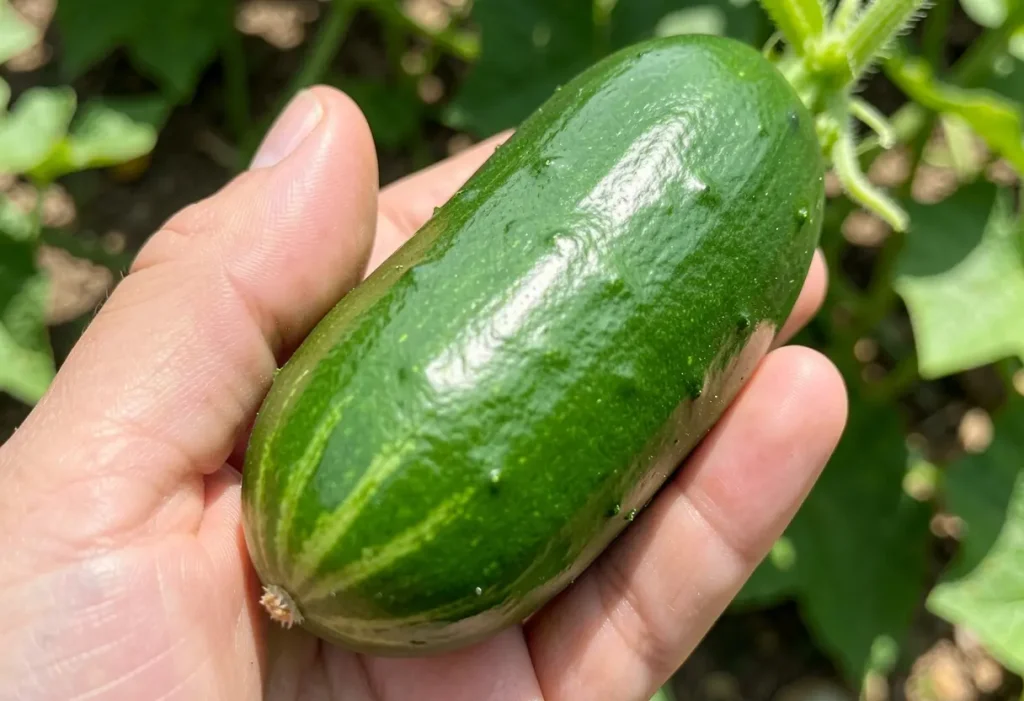
Touch the cucumber to check its texture. It should feel firm but not hard. Soft spots or wrinkles show it is old or overripe. The skin should be smooth without cracks. A fresh cucumber feels cool and solid in your hand.
Size varies by cucumber type, but ripe ones usually feel full-grown. They should be straight or slightly curved. Avoid cucumbers that are too large or misshapen. Large cucumbers can be bitter and have many seeds. Choose medium-sized ones for the best flavor.
Cucumbers come in many types, each with its own look and use. Knowing the common varieties helps to spot a ripe cucumber. Some cucumbers are best for eating fresh. Others suit pickling or special recipes. Understanding these types guides you to choose the right one.
Slicing cucumbers are the most common type found in stores. They have smooth, dark green skin and a straight shape. These cucumbers are juicy and mild in flavor. Their size usually ranges from six to nine inches. They stay crisp when fresh and are perfect for salads or sandwiches.
Pickling cucumbers are shorter and thicker than slicing ones. Their skin can be bumpy or rough. These cucumbers have fewer seeds and a firmer texture. They are ideal for making pickles because they stay crunchy. Pickling cucumbers are usually about three to five inches long.
Specialty cucumbers include types like lemon cucumbers and Armenian cucumbers. Lemon cucumbers are small, round, and yellow. They have a sweet, mild taste. Armenian cucumbers are long and slender with light green skin. They taste fresh and slightly sweet. These varieties add variety to salads and dishes.
Knowing the right time to harvest cucumbers is key for the best taste and texture. Timing affects the size, crunch, and sweetness of the fruit. Watch your cucumber plants closely. Careful observation helps pick cucumbers at their peak. Here are two important tips to guide your harvest timing.
Cucumbers usually take between 50 to 70 days to grow from seed. This depends on the variety and weather conditions. Check seed packets for the average days to maturity. Count the days from planting. Start preparing to harvest as this time approaches. This gives a basic idea of when cucumbers may be ready.
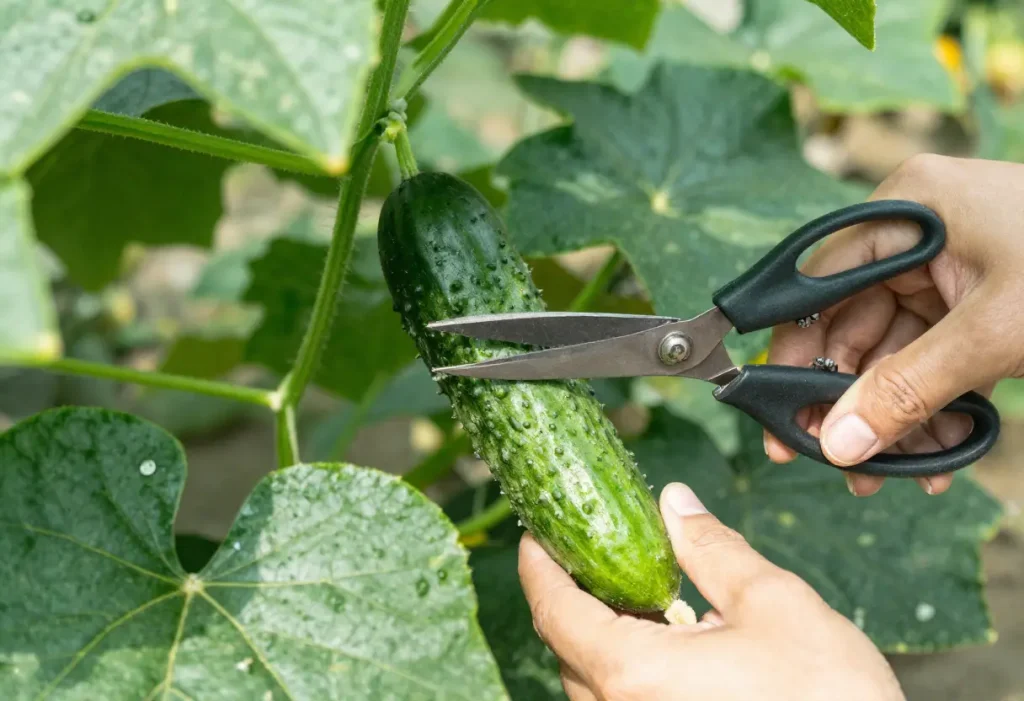
Check your cucumbers every day once they start to grow. Cucumbers grow fast and change size quickly. Look for a firm texture and bright green color. Avoid cucumbers that become yellow or soft. Pick cucumbers when they reach about 6 to 8 inches long. Daily checks help catch the perfect moment to harvest.
Knowing when a cucumber is ripe is important for the best taste and texture. Some simple tools help check ripeness easily. These tools do not need special skills or equipment. Just a little attention to touch and smell can tell a lot.
Feel the cucumber gently with your fingers. A ripe cucumber feels firm but not hard. Soft spots show it is overripe or starting to spoil. Avoid cucumbers that feel too soft or mushy. The skin should be smooth and have a slight give under pressure. This means the cucumber is juicy and fresh.
Smell the cucumber near its stem end. A fresh cucumber has a clean, mild scent. A sour or bitter smell means it is not fresh. No strong smell is a good sign. This simple test helps find the freshest cucumbers quickly. Smell is a hidden tool that many miss.
Avoiding overripe cucumbers is key to enjoying their fresh taste. Overripe cucumbers lose their crunch and flavor quickly. They can also become bitter and watery. Knowing how to spot them helps you pick the best ones every time. This section explains the signs of overripeness and how it affects taste and texture.
Overripe cucumbers often have yellow spots or patches. The skin feels soft or wrinkled instead of firm. You might see large seeds inside. Sometimes, the cucumber looks bloated or swollen. These signs show the cucumber passed its prime.
Overripe cucumbers taste bitter or sour. Their texture becomes mushy or slimy. The crunch disappears, making them less pleasant to eat. They also release more water, making salads soggy. Fresh cucumbers keep dishes crisp and flavorful.
Storing ripe cucumbers properly keeps them fresh and tasty longer. Poor storage can make them soft or bitter. Knowing how to store cucumbers helps maintain their crunch and flavor. Simple steps can extend their life in your kitchen.
Cucumbers stay fresh best at cool, but not cold, temperatures. The ideal range is 50 to 55 degrees Fahrenheit. Too cold, like in a refrigerator, can cause damage. Too warm speeds up spoilage. Keep cucumbers in a cool, shaded place for best results.
Store cucumbers unwashed to avoid moisture buildup. Wrap them in a paper towel to absorb extra water. Place them in a breathable bag or container. Use them within one week for the best taste and texture. Check daily for soft spots or discoloration and remove spoiled ones quickly.
A ripe cucumber usually has a bright, deep green color. Avoid cucumbers with yellow or pale spots, as they may be overripe or underripe.
Most cucumbers are ripe when they reach 6 to 8 inches long. Smaller cucumbers might not be fully grown, while very large ones can be bitter.
Yes, a ripe cucumber feels firm and not soft or mushy. Soft spots can mean the cucumber is old or starting to spoil.
Ripe cucumbers can have either smooth or slightly bumpy skin, depending on the variety. Avoid cucumbers with wrinkled or shriveled skin.
A fresh cucumber has a mild, clean smell. A sour or strong odor may mean it is overripe or spoiling.
Choosing a ripe cucumber is simple with a few key tips. Check for bright green color and firm texture. Avoid cucumbers with soft spots or yellow patches. A fresh cucumber feels cool and crisp to touch. These signs help you enjoy the best taste and crunch.
Next time you shop, use these easy steps to pick ripe cucumbers. Enjoy your meals with fresh, tasty cucumbers every time.