Gardening Made Simple.
Kale is often called a “superfood.” It’s full of vitamins, minerals, and fiber. Many home gardeners and farmers choose to grow kale because it is easy, hardy, and offers a long harvest season. But one question comes up again and again: How long does kale take to grow? If you want a fresh supply of this leafy green, knowing the timeline is key. Whether you are a beginner or have some gardening experience, this guide will help you understand kale’s growth stages, factors affecting its speed, and how to get the best results. You’ll also find comparison tables, practical tips, and answers to common questions.
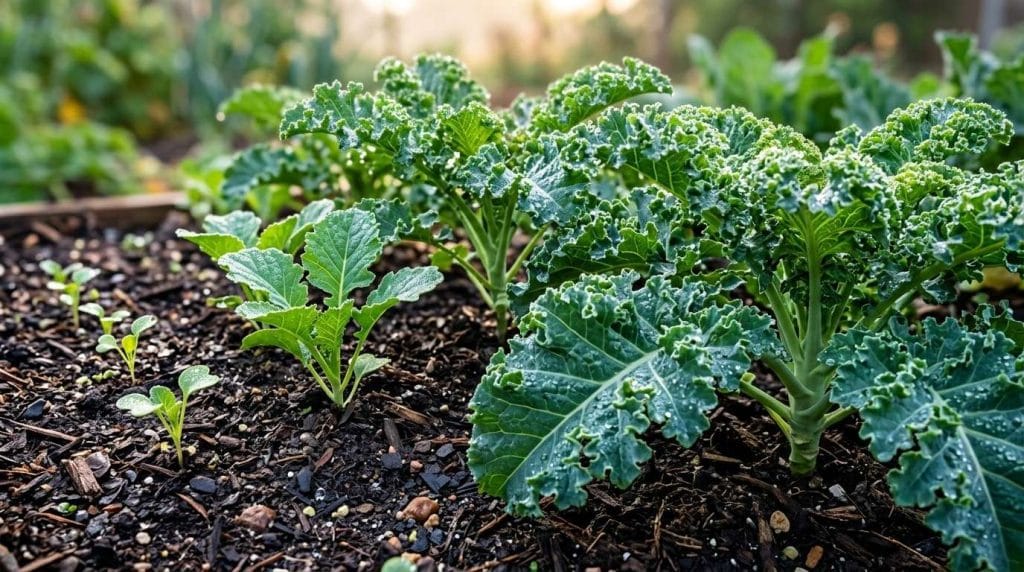
Kale is a cool-season crop. It grows best in spring and fall, but you can grow it in most climates. The time kale takes to grow depends on the variety, the environment, and how you start it.
Most kale varieties need 55 to 75 days from seed to harvest. If you start with transplants (young plants), you can cut about 10 to 15 days off this timeline.
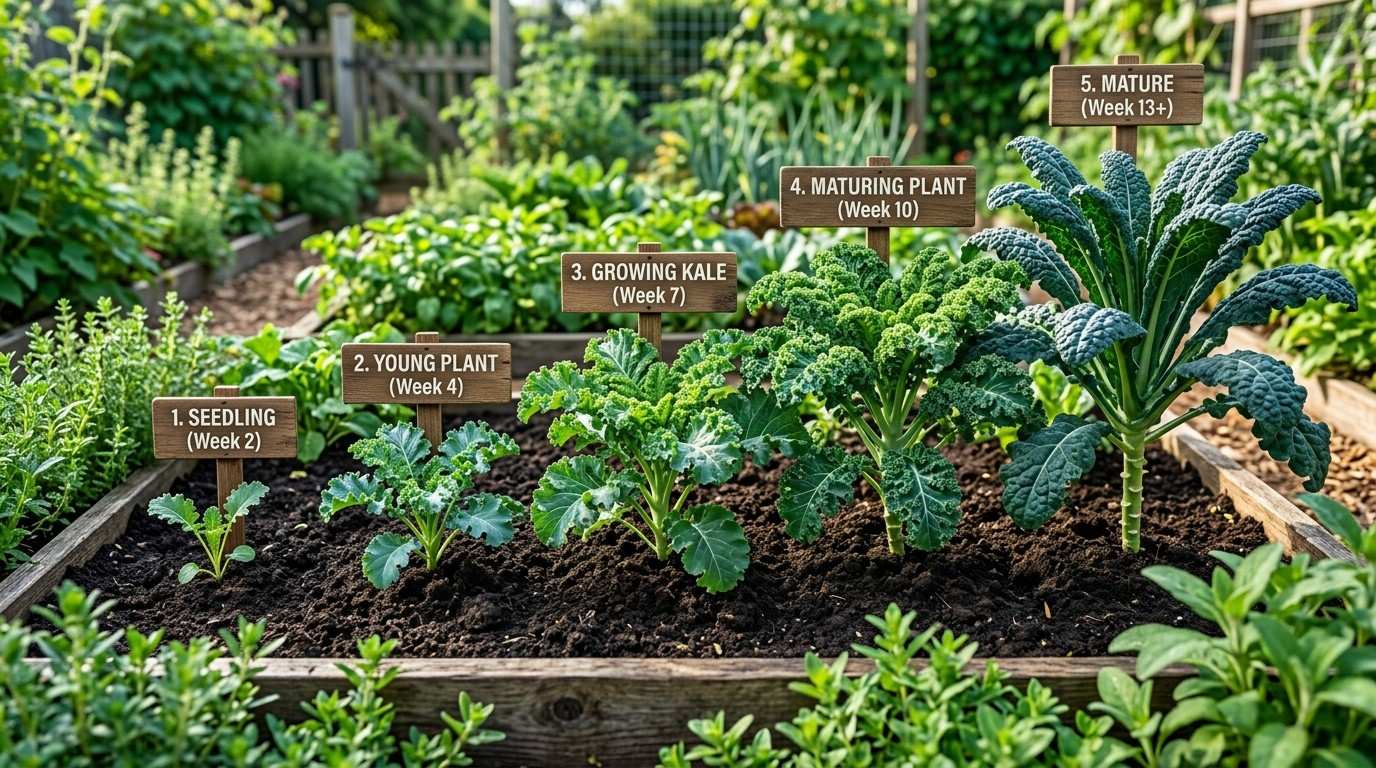
Here’s a simple timeline for kale:
Some gardeners start picking leaves earlier for “baby kale”—these are ready in about 25–30 days.
Different types of kale grow at different speeds. Here’s a table showing average maturity times for popular kale varieties:
| Variety | Days to Harvest | Leaf Type |
|---|---|---|
| Curly Kale | 60–75 | Curled |
| Lacinato (Dinosaur) Kale | 65–80 | Flat, wrinkled |
| Red Russian Kale | 50–60 | Flat, red veins |
| Baby Kale | 25–30 | Small, tender |
| Siberian Kale | 55–70 | Flat, hardy |
Non-obvious insight: Red Russian Kale and Baby Kale mature fastest. If you want a quick harvest, these are ideal.
Understanding each stage helps you care for the plant and predict when you’ll harvest.
Kale seeds need moist soil and cool temperatures (55–75°F). Germination usually takes 5–10 days. If the soil is too cold or dry, seeds may take longer or fail to sprout.
After germination, young plants grow leaves and roots. This stage lasts 2–3 weeks. Seedlings are delicate, so protect them from harsh sun and heavy rain.
This is when kale grows most of its leaves. It happens over 4–6 weeks. Plants need regular watering, sunlight, and nutrients. Leaves get bigger and stronger.
Kale is ready to harvest 7–10 weeks after planting seeds. You can start picking outer leaves once the plant is 8–10 inches tall. For baby kale, harvest in 25–30 days.
Non-obvious insight: Harvesting only the outer leaves lets the plant keep growing, giving you more harvests over time.
Several things can change how long kale takes to grow. Here are the most important:
Kale grows best between 60–75°F (15–24°C). Hot weather slows growth and makes leaves bitter. Frost can damage very young plants, but mature kale can handle light freezes.
Kale needs 6–8 hours of sunlight each day. Too little sun slows growth and causes weak, pale leaves.
Kale likes rich, loose soil with good drainage. Soil pH should be 6.0–7.0. Poor soil slows growth and reduces harvest.
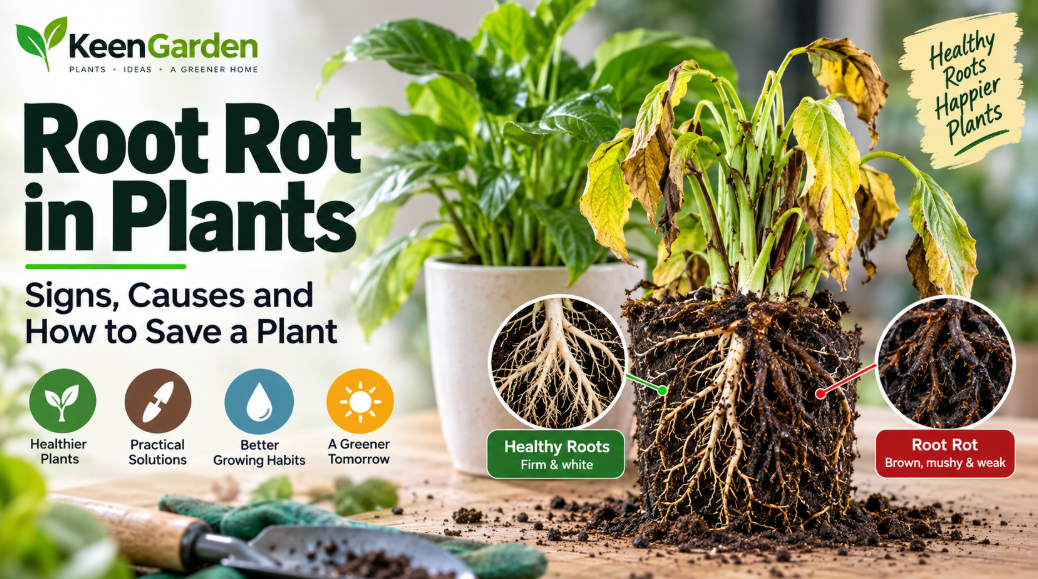
Consistent moisture is key. Kale needs about 1–1.5 inches of water per week. Dry soil stunts growth, while soggy soil can cause root rot.
Kale is a “heavy feeder.” It needs plenty of nitrogen to make lush, green leaves. Use compost or balanced fertilizer.
Starting with transplants instead of seeds saves time. Transplants are already 2–3 weeks old, so they mature faster.
| Method | Time to Harvest (Days) | Comments |
|---|---|---|
| Direct Seed | 55–75 | Slower but easy |
| Transplants | 40–60 | Faster start |
| Hydroponics | 30–45 | Fast, controlled |
Hydroponic kale grows faster because conditions are perfect and roots don’t compete for space.
If you want quick results, follow these practical steps.
Common mistake: Overcrowding plants slows growth and increases disease risk. Give each kale plant enough room.
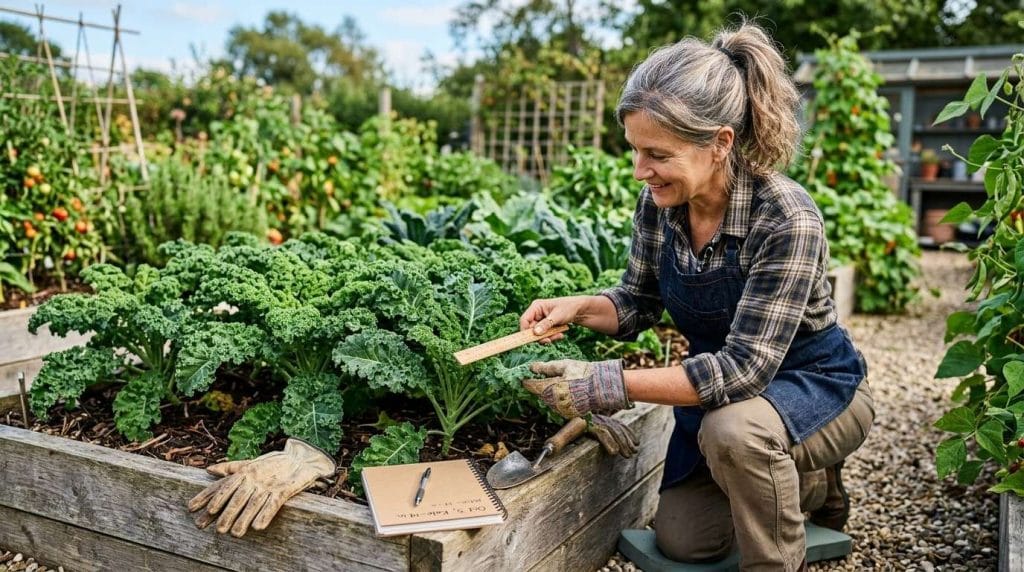
Kale is flexible—you can harvest leaves at different stages.
Ready in 25–30 days. Leaves are small, tender, and good for salads. Cut leaves with scissors, leaving the center to grow more.
Harvest when plants are 8–10 inches tall and have 8–10 leaves. Pick outer leaves first. Don’t cut the stem. This lets the plant keep producing.
Kale is “cut-and-come-again. ” You can harvest several times over months. Stop harvesting when leaves get tough or bitter, usually after the first hard frost.
Non-obvious insight: Harvesting in the morning gives sweeter leaves, especially after a cool night.
Kale is not the fastest-growing green, but it has advantages. Here’s how kale compares to similar leafy vegetables:
| Green | Days to Harvest | Harvest Duration | Cold Tolerance |
|---|---|---|---|
| Kale | 55–75 | 2–4 months | Excellent |
| Spinach | 30–45 | 1–2 months | Good |
| Lettuce | 30–60 | 1–3 months | Fair |
| Swiss Chard | 45–60 | 3–5 months | Good |
Kale stands out for its cold tolerance and long harvest window. Even after frost, leaves remain edible, sometimes sweeter.
Getting kale to grow quickly is possible with the right approach. Here are some expert tricks:
Non-obvious insight: Watering with lukewarm water speeds up early growth, especially in cool climates.
If your kale is growing slowly, look for these issues:
Check plants weekly and fix problems early. Using healthy soil, proper spacing, and regular care prevents most issues.
Kale is hardy, but climate matters.
Kale thrives in cool areas—northern US, Europe, Canada. Grow in spring and fall. Frost makes leaves sweeter.
In hot regions, plant kale in fall or winter. Shade helps, but heat makes leaves tough.
Kale grows well in pots and raised beds. Use well-drained soil and water often.
Non-obvious insight: In tropical areas, try growing kale indoors or under shade cloth to avoid heat stress.
If you don’t have garden space, kale grows well in containers and hydroponic systems.
Hydroponic kale is ready weeks earlier than garden kale, making it popular in cities.
Knowing when to pick kale is important for taste and yield.
Pick leaves before they get too big. Taste improves if you harvest after a light frost.
Kale is productive. Here are some numbers to help plan:
Non-obvious insight: Planting kale every 2–3 weeks extends the harvest window and keeps leaves tender.
Want kale for more months? Try these tricks:
With good care, you can harvest kale from early spring to late fall, and sometimes through winter.
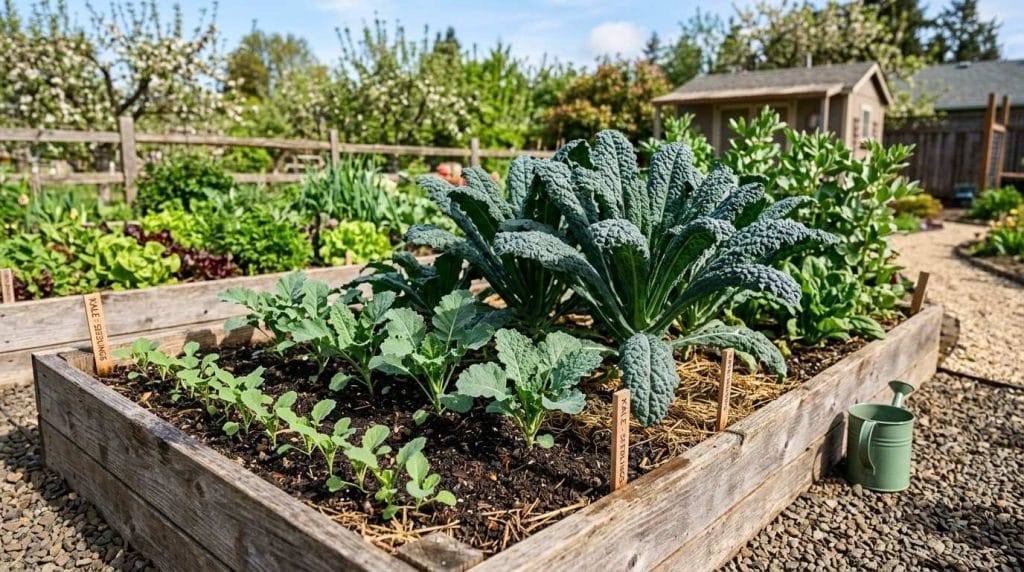
Kale takes 55–75 days to mature from seed, depending on the variety and conditions. For baby kale, you can harvest leaves in 25–30 days.
Yes. Start seeds indoors, use transplants, fertilize, and keep soil moist. Hydroponic systems also speed growth to as little as 30–45 days.
Yes. If you pick only the outer leaves and leave the center, kale keeps growing. You can harvest multiple times from one plant.
Plant kale in early spring or late summer for a fall harvest. Kale grows best in cool weather, so avoid planting during the hottest months.
Baby Kale and Red Russian Kale mature the fastest—baby kale is ready in 25–30 days, and Red Russian in 50–60 days.
Growing kale is rewarding. With the right care and timing, you can enjoy fresh, healthy leaves for months. Whether you start with seeds or transplants, watch the weather, soil, and water. Choose the best variety for your climate and taste. Remember: harvesting early and often gives the best flavor, and planting in waves keeps your supply steady. For more details on growing kale and other greens, check the Wikipedia page on kale.
Kale is one of the most forgiving greens, perfect for beginners and experts. With these tips, you’ll know exactly how long kale takes to grow and how to get the most from your garden.