Gardening Made Simple.
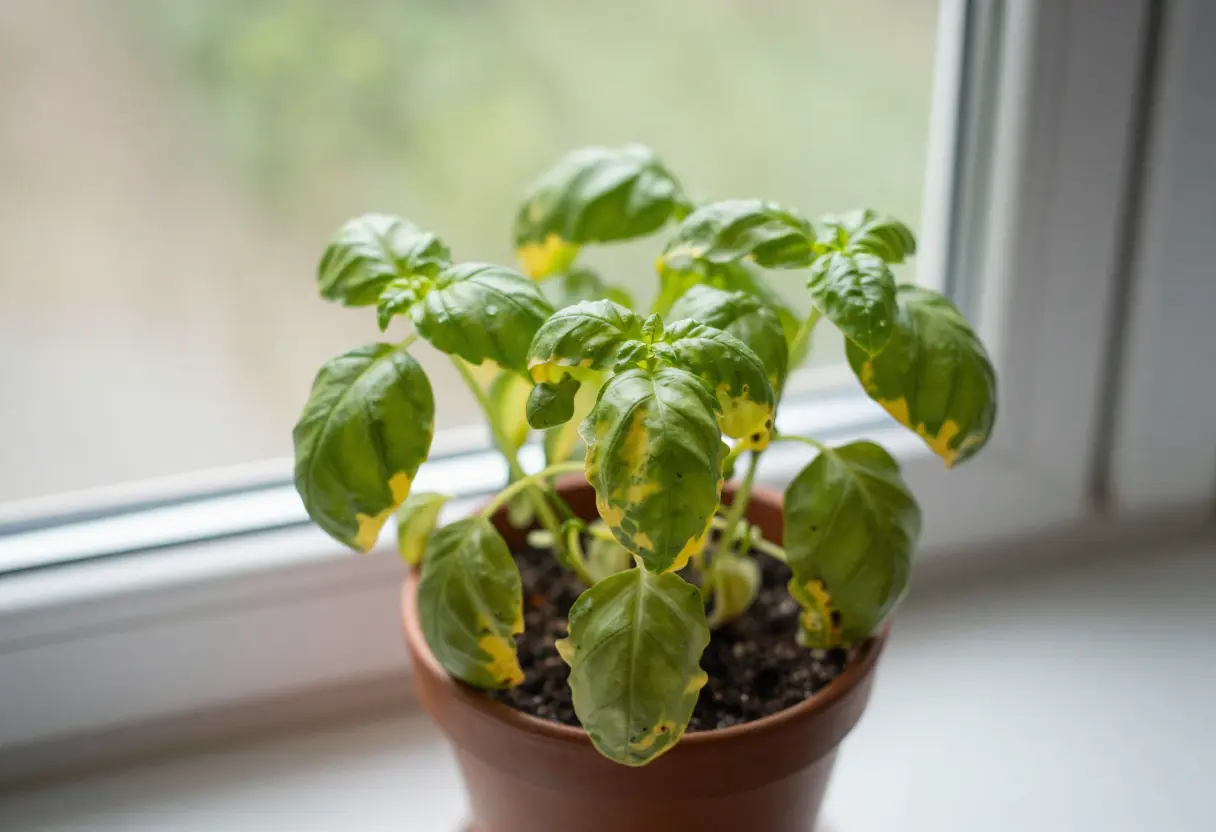
Are you noticing your basil leaves turning yellow and wondering what’s going wrong? If you’re searching for How to Fix Yellow Basil Leaves, understanding the causes can help you restore your plant’s health and keep it growing strong and flavorful.
But don’t worry—yellow leaves don’t always mean your plant is dying. In fact, with the right steps, you can bring your basil back to vibrant green health. Keep reading, and you’ll learn simple, effective ways to fix yellow basil leaves and keep your plant growing strong.
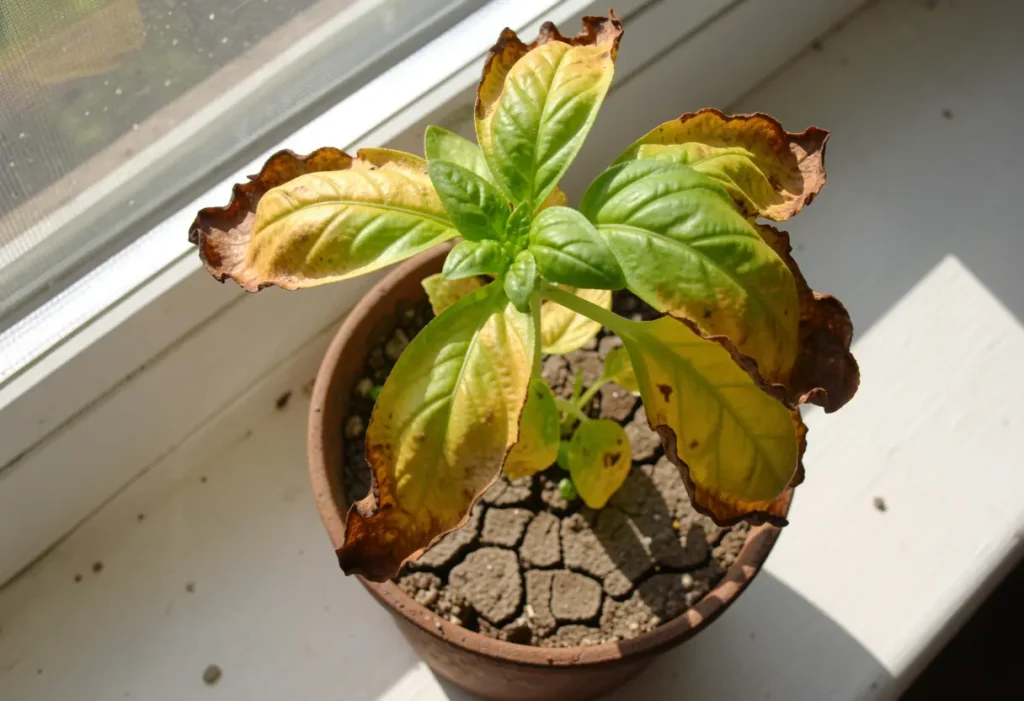
Yellow leaves on basil plants signal a problem. Identifying the cause helps fix the issue quickly. Several factors can turn basil leaves yellow. Understanding these causes helps keep basil healthy and green.
Too much water drowns basil roots. Roots can rot and fail to absorb nutrients. Yellow leaves often appear when basil gets overwatered. Water basil only when the top soil feels dry.
Basil needs nutrients like nitrogen to stay green. Lack of nutrients causes yellowing leaves. Poor soil or no fertilizer leads to nutrient shortages. Use balanced fertilizer to provide essential nutrients.
Pests like aphids or spider mites harm basil leaves. They suck sap and cause yellow spots or patches. Check leaves regularly for tiny bugs or sticky residue. Treat plants with safe pest control methods.
Basil thrives in full sunlight. Too little light weakens the plant and yellows leaves. Place basil where it gets at least 6 hours of sun. Move plants indoors or use grow lights if needed.
Yellow basil leaves signal a problem with your plant's health. Finding the cause helps you fix it fast. Start by checking the basics: soil, pests, light, and nutrients. Each factor affects basil's color and growth.
Soil moisture is key for basil health. Too much water causes root rot and yellow leaves. Too little water dries the plant out. Stick your finger in the soil. If it feels dry, water the plant. If it’s soggy, hold off watering.
Look closely at the leaves and stems. Pests like aphids or spider mites suck sap and cause yellow spots. Check under leaves for tiny bugs or webbing. Remove pests by rinsing leaves or using safe insect soap.
Basil needs plenty of sunlight. Lack of light makes leaves turn yellow and weak. Place basil in a sunny window or outside in bright light. Too much direct sun can also burn leaves, so find a balance.
Poor soil nutrients lead to yellow leaves. Basil needs nitrogen, phosphorus, and potassium. Use a simple soil test kit to check nutrient levels. Add balanced fertilizer if the soil lacks nutrients. Healthy soil means healthy basil.
Yellow leaves on basil often signal too much water. Fixing overwatering helps your basil recover and grow strong. It stops root rot and lets the plant breathe. Follow these steps to correct watering issues and save your basil.
Check the soil before watering. Water only when the top inch feels dry. Use less water each time. Basil prefers moist but not soggy soil. Watering less often prevents yellow leaves and root problems.
Good drainage stops water from sitting in the soil. Add small stones or perlite to the potting mix. Make sure the pot has holes at the bottom. These steps help excess water escape, keeping roots healthy.
Yellow leaves might mean the soil is bad or roots are crowded. Carefully remove basil from its pot. Trim any rotten roots with clean scissors. Place the plant in fresh, dry soil with good drainage. Repotting refreshes the environment and helps basil thrive.
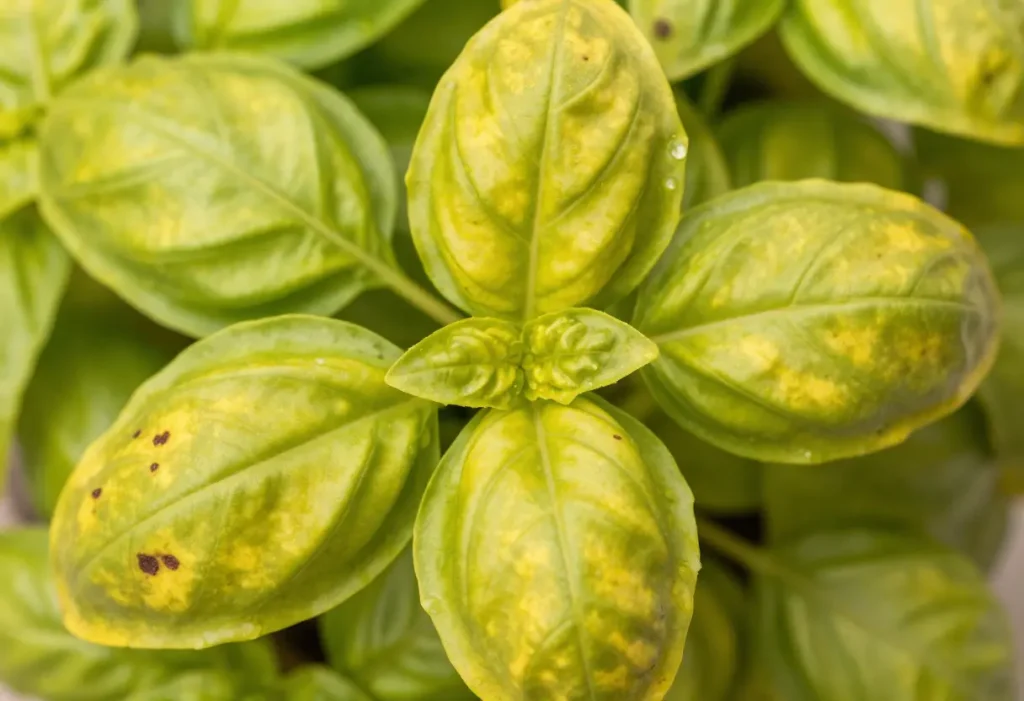
Yellow leaves on basil plants often signal a lack of important nutrients. Plants need these nutrients to stay healthy and green. Fixing nutrient problems helps basil grow strong and vibrant. Understanding how to correct these deficiencies is key to saving your basil.
Select a fertilizer that suits basil’s needs. Look for balanced options with nitrogen, phosphorus, and potassium. Nitrogen keeps leaves green and lush. Phosphorus supports root growth. Potassium helps the plant resist disease. Use a fertilizer labeled for herbs or vegetables.
Organic materials improve soil health naturally. Compost and aged manure add nutrients slowly. They also improve soil texture and water retention. Spread a thin layer around the base of the plant. Water gently after applying to help nutrients soak in.
Basil prefers slightly acidic to neutral soil. The ideal pH range is 6.0 to 7.0. Test your soil with a simple kit. Add lime to raise pH if soil is too acidic. Use sulfur to lower pH if the soil is too alkaline. Balanced pH allows basil to absorb nutrients better.
Yellow basil leaves often signal pest problems. Managing pests keeps your basil healthy and green. Identifying pests early stops damage. Healthy plants grow better and taste fresher. Use safe and effective ways to control pests. Avoid harsh chemicals that can harm your basil.
Natural methods protect basil without chemicals. Introduce ladybugs and lacewings to eat harmful insects. Spray neem oil to repel pests gently. Use garlic or chili pepper sprays as natural deterrents. These methods keep pests away and protect leaves.
Insecticidal soaps kill soft-bodied pests like aphids. Spray the soap solution directly on affected leaves. Repeat every few days for best results. The soap breaks down pest bodies without harming the plant. Use only as directed to avoid leaf damage.
Prevent pest problems before they start. Keep basil plants clean and free of dead leaves. Water early in the day to reduce moisture. Space plants well for good air circulation. Regularly check leaves for early signs of pests.
Yellow leaves on basil plants often signal poor light conditions. Basil thrives best with the right amount of light. Too little light can cause leaves to turn yellow and drop. Optimizing light helps plants stay green and healthy. Adjusting how you provide light can fix yellowing leaves quickly.
Basil needs at least six hours of sunlight daily. Morning sun is gentler and better for the plant. Avoid placing basil in deep shade or dark corners. Check the plant’s location and move it to a brighter spot. Natural sunlight keeps the leaves green and strong.
Grow lights help basil grow indoors without natural sun. Use full-spectrum LED lights for best results. Keep lights on for 12 to 16 hours each day. Position the light 6 to 12 inches above the plant. Grow lights provide steady light to prevent yellow leaves.
Place basil near a south or west-facing window for more light. Avoid windows that get too cold or drafty. Rotate the plant every few days for even light exposure. Keep plants away from objects that block sunlight. Proper positioning ensures all leaves get enough light.
Maintaining healthy basil growth is key to preventing yellow leaves. Strong, green plants resist disease and stress better. Proper care helps basil thrive and produce fresh leaves for cooking. Focus on pruning, harvesting, and regular care to keep your basil vibrant.
Pruning basil encourages new growth and stops leaves from turning yellow. Cut just above a leaf node to promote branching. Remove any flowers quickly to keep energy in the leaves. Trim the plant every week to keep it bushy and healthy.
Harvest basil leaves in the morning for best flavor and freshness. Pick the top leaves first to allow lower leaves to grow. Avoid taking more than one-third of the plant at once. Use clean scissors or pinch gently to prevent damage.
Water basil regularly but avoid overwatering, which causes yellowing. Check soil moisture daily and water only when the top feels dry. Provide at least 6 hours of sunlight each day. Feed basil with a balanced fertilizer every 4 weeks for steady growth.
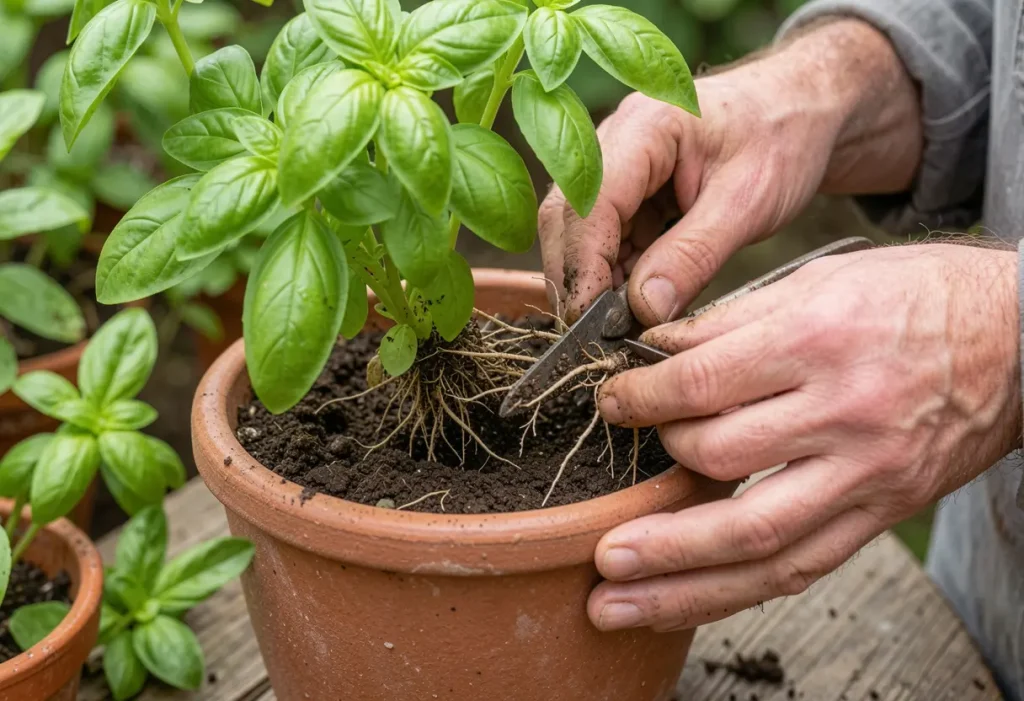
Yellow basil leaves often show signs of overwatering or poor drainage. Check soil moisture and ensure pots drain well to fix this.
Reduce watering frequency and avoid waterlogging the soil. Ensure the plant gets enough sunlight for healthy leaf color.
Use well-draining, nutrient-rich soil with organic compost. Good soil helps keep basil healthy and stops leaf yellowing.
Yes, sudden cold or heat stress can turn leaves yellow. Keep basil in a stable, warm environment for best growth.
Water basil when the top inch of soil feels dry. Overwatering causes yellow leaves, so less is often more.
Yellow basil leaves turn yellow mostly due to water or light problems. Check your plant’s watering and sunlight carefully. Remove yellow leaves to help new growth. Use good soil and avoid overfeeding. Watch your basil often to catch issues early.
Healthy basil grows strong and green. Taking small steps can save your plant. Keep it simple, and your basil will thrive.