Gardening Made Simple.
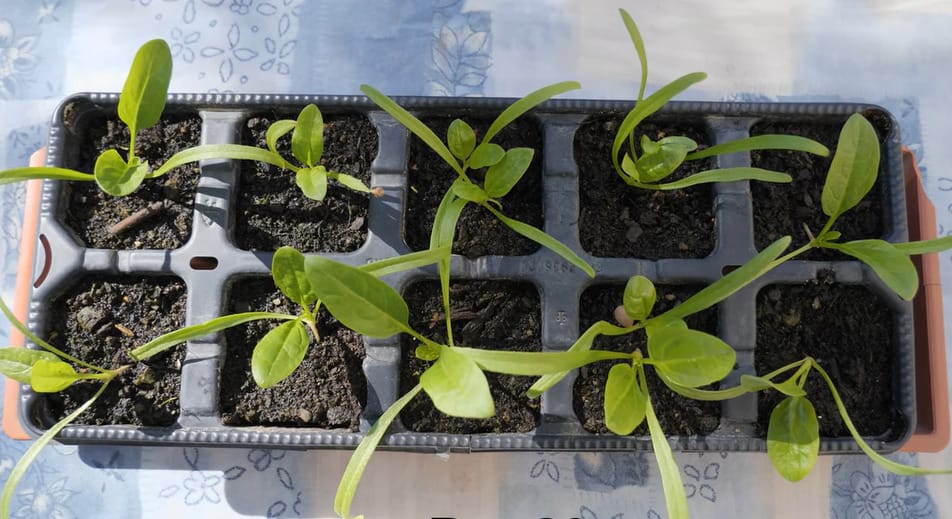
Growing your own fresh spinach at home is easier than you might think. How to Grow Spinach in Containers is a simple method that lets you enjoy crisp, nutritious spinach even if you only have a balcony, windowsill, or small outdoor space.
Imagine picking vibrant green leaves just moments before your meal—no store runs, no wilted veggies. In this guide, you’ll discover simple steps to grow healthy spinach in containers, even if you’ve never gardened before. Ready to turn your space into a mini garden and enjoy tasty, homegrown spinach?
Let’s get started!
Choosing the right container is key to growing healthy spinach in small spaces. The container affects how well your spinach grows and how easy it is to care for. Proper size, material, and drainage help your spinach thrive.
Spinach needs enough room for roots to spread. A container at least 8 inches deep works best. Wider containers hold more soil and keep moisture longer. Small pots dry out fast and limit growth.
Containers come in plastic, clay, metal, and wood. Plastic is light and holds moisture well. Clay pots breathe but dry out quickly. Wood feels natural but may rot without treatment. Choose what fits your space and care style.
Drainage holes prevent water from pooling at the bottom. Standing water causes root rot and kills spinach plants. Check that your container has enough holes. Adding a layer of gravel at the bottom helps water flow.

Picking the best spinach varieties is key to a healthy container garden. Different types of spinach grow well in containers. Choosing the right variety helps you get fresh leaves faster. It also ensures the plants stay strong and tasty. Let’s explore the main factors to consider for your spinach.
Spinach leaves come in several shapes and sizes. Smooth-leaf spinach has flat, soft leaves. It is easy to clean and cooks quickly. Savoy spinach has curly, crinkled leaves. This type holds well in salads and looks attractive. Semi-savoy is a mix of smooth and curly leaves. It grows well in containers and resists some diseases. Choose a leaf type that suits your taste and cooking style.
Spinach grows best in cool weather. Some varieties handle heat better than others. For warm climates, select heat-tolerant types like Bloomsdale Long Standing. These resist bolting and stay fresh longer. In cooler areas, classic types like Space or Tyee work well. They mature quickly and survive light frost. Pick a variety that fits your local weather. This choice improves growth and harvest success.
Growing spinach in containers needs the right soil and fertilizer. Healthy soil helps spinach grow strong and tasty. Choosing the best soil mix and adding nutrients supports plant growth. This section explains soil and fertilizer tips for container spinach.
Spinach likes loose, well-drained soil. Use a mix with equal parts potting soil, compost, and perlite. This mix holds moisture but drains well. Avoid heavy garden soil that can hold too much water. Good soil lets roots breathe and prevents rot.
Spinach needs nutrients to grow green and healthy. Use organic fertilizers like compost or worm castings. Feed plants every 2 to 3 weeks with a balanced liquid fertilizer. Nitrogen-rich fertilizers help leaves grow faster. Avoid over-fertilizing, which can harm plants.
Planting spinach seeds in containers is simple and rewarding. It lets you grow fresh greens even with little space. Proper planting helps seeds sprout well and grow strong leaves. Follow these steps for healthy spinach plants.
Choose fresh spinach seeds for better growth. Soak seeds in water for 6 to 8 hours. This softens the seed coat and speeds up germination. Drain the seeds and plant them quickly. Avoid soaking longer to prevent rotting.
Fill containers with loose, well-drained soil. Make shallow rows about 1/2 inch deep. Place seeds carefully in the rows. Cover seeds lightly with soil. Water gently to keep soil moist but not wet. Use a spray bottle for best results.
Space seeds 2 inches apart for enough room to grow. Thin seedlings to 4 to 6 inches apart once they sprout. Proper spacing helps air flow and prevents disease. Crowded plants grow weak and produce less spinach.
Growing spinach in containers needs the right amount of water and light. These two factors help the plant stay healthy and grow fast. Too much or too little water harms spinach. The same goes for light. Spinach needs just enough sunlight to thrive.
Spinach likes soil that stays moist but not soggy. Water the plants when the top inch of soil feels dry. Usually, this means watering every two to three days. Use a watering can or gentle spray to avoid washing away soil. Check containers daily during hot weather. Adjust watering based on temperature and humidity. Good drainage in containers prevents root rot.
Spinach grows best in full sun to partial shade. Aim for at least four to six hours of sunlight daily. Morning sun is ideal because it is gentle. Too much direct afternoon sun can stress the plant. In hot areas, some afternoon shade helps keep leaves fresh. Place containers near windows or outside spots with good light. Rotate containers to ensure even growth on all sides.
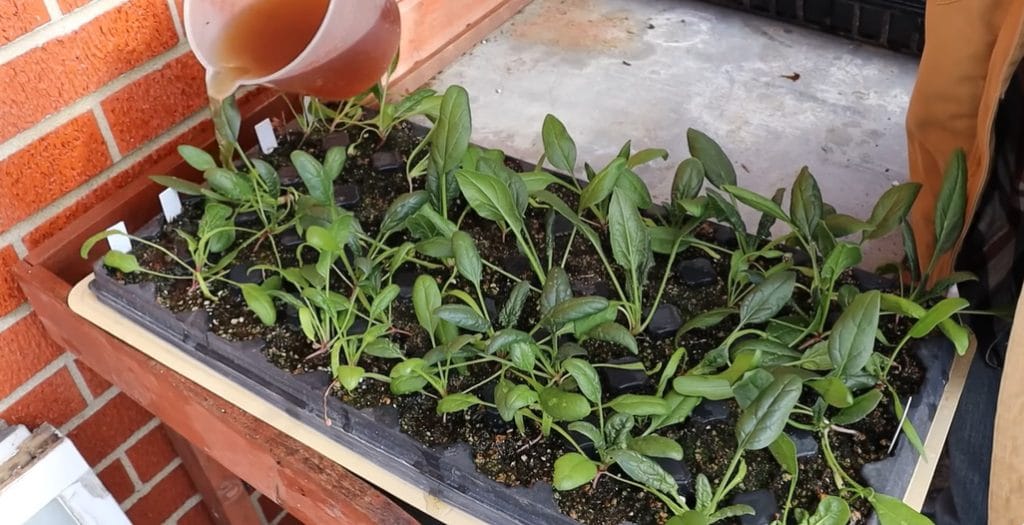
Maintaining healthy spinach plants in containers is key to a good harvest. Healthy plants grow faster and resist problems better. Pay attention to their needs daily. Check leaves and soil often. Act quickly if you spot issues.
Spinach plants attract pests like aphids and leaf miners. Use insecticidal soap or neem oil to control bugs. Spray early in the morning or late evening. Remove damaged leaves to stop disease spread. Keep containers clean and avoid water splashing on leaves.
Thin seedlings to avoid crowding. Leave 3 to 4 inches between plants. This space helps air flow and reduces disease risk. Prune yellow or dead leaves regularly. It directs energy to healthy growth. Use clean scissors or pinch by hand.
Harvesting your spinach is an exciting step in growing it in containers. Knowing when and how to pick the leaves ensures fresh, tasty greens. Proper care after harvesting keeps the spinach fresh longer.
Spinach leaves are ready to harvest about 40 to 50 days after planting. Pick leaves when they reach 3 to 4 inches long. Younger leaves taste sweeter and are more tender. Avoid letting leaves get too large and tough.
Use scissors or garden shears to cut spinach leaves. Cut the outer leaves first, leaving the center intact. This method allows new leaves to grow back. You can also pull the whole plant for a full harvest.
Rinse spinach leaves gently with cool water to remove dirt. Dry them carefully using a clean cloth or paper towel. Store spinach in a plastic bag in the refrigerator. Use spinach within a few days for best taste and nutrition.
Growing spinach in containers is simple but can come with some challenges. Knowing how to solve common problems helps keep your plants healthy and productive. This section covers key issues like yellowing leaves, slow growth, and bolting. Use these tips to keep your spinach thriving.
Yellow leaves often mean your spinach lacks nutrients or water. Check the soil moisture. It should be moist but not soggy. Too much water can drown roots and cause yellowing. Spinach also needs nitrogen to stay green. Use a balanced fertilizer if leaves turn pale.
Slow growth can happen if your spinach does not get enough sunlight. Spinach needs at least 4 to 6 hours of sun daily. Cold temperatures can also slow growth. Keep containers in a warm spot but avoid direct hot sun. Use fresh soil to provide enough nutrients for fast growth.
Bolting means the plant grows tall and flowers early, making leaves bitter. Hot weather causes bolting in spinach. Keep plants cool by providing shade in hot afternoons. Water regularly to reduce stress. Harvest leaves often to delay bolting and encourage new growth.

Spinach needs about 4 to 6 hours of sunlight daily for healthy growth in containers.
Use loose, well-drained soil rich in organic matter for growing spinach in containers.
Water spinach regularly to keep the soil moist but not waterlogged for best results.
Yes, spinach grows well indoors if placed near a bright window with enough light.
Spinach usually takes 30 to 45 days to mature when grown in containers.
Growing spinach in containers is simple and rewarding. Choose the right pot and soil for best results. Keep the plants watered and placed where they get sunlight. Watch your spinach grow fresh and tasty right at home. Enjoy healthy leaves for salads and cooking anytime.
Container gardening fits small spaces and busy lives well. Start today and enjoy the benefits of homegrown spinach soon.