Gardening Made Simple.
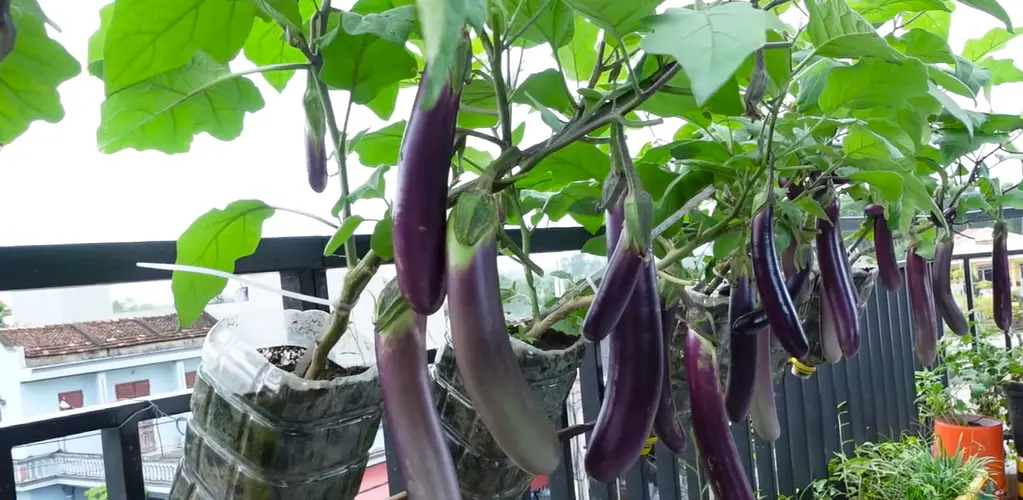
How to Store Eggplant is essential for keeping your vegetables fresh, flavorful, and ready to use. Are you tired of finding your eggplants spoiled before you get a chance to enjoy them? Knowing how to store eggplant properly can save you money, reduce waste, and ensure your meals stay fresh and delicious, whether you refrigerate, freeze, or keep them at room temperature.
Whether you buy them from the market or grow them at home, the right storage methods can make all the difference. You’ll discover simple, effective tips that anyone can use to keep eggplants fresh longer. Keep reading to unlock the secrets to perfect eggplant storage and never waste your veggies again.
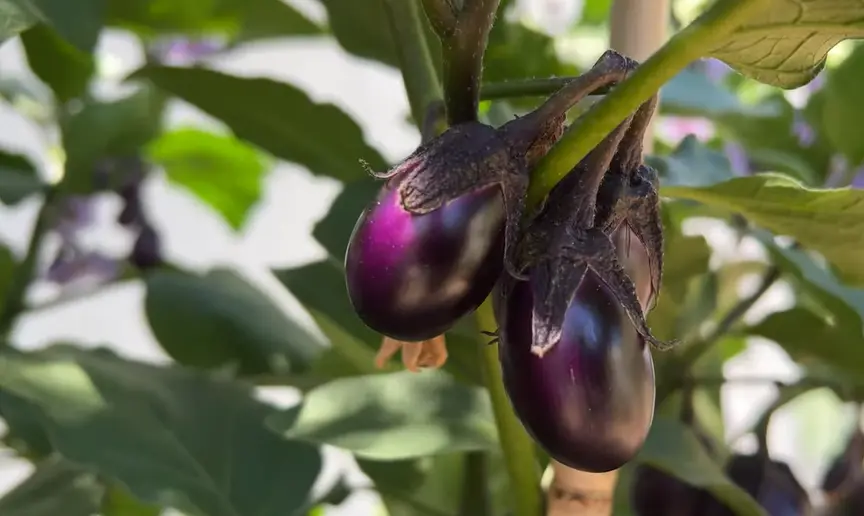
Choosing fresh eggplants is key to enjoying their rich taste and texture. Fresh eggplants last longer and cook better. Picking the right one ensures your dishes turn out delicious. Learn to spot fresh eggplants with simple tips.
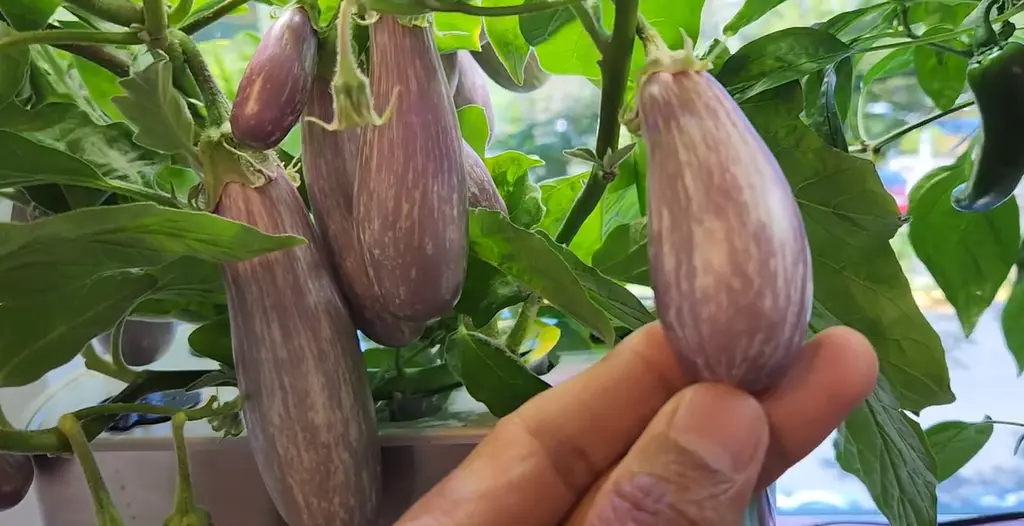
Fresh eggplants have smooth, shiny skin. It should be firm but not hard. Press gently; the skin should bounce back quickly. The color must be deep purple or the variety’s natural shade. Avoid eggplants with dull or wrinkled skin. Check the stem too. It should be green and fresh-looking.
Overripe eggplants feel soft or spongy. Their skin looks dull or has brown spots. Avoid eggplants with cuts or bruises. Seeds inside may turn dark and bitter in old eggplants. Choose eggplants without shriveling or dry patches. Fresh eggplants have a mild, pleasant smell, not sour or musty.
Preparing eggplants for storage helps keep them fresh longer. It starts with simple steps. Clean and trim eggplants carefully before storing. Proper preparation slows spoilage and preserves flavor.
Rinse eggplants under cool, running water. Use your hands to remove dirt gently. Avoid scrubbing hard to protect the skin. Pat dry with a soft towel or paper. Make sure eggplants are dry before storing.
Trim the stem and leaves with a sharp knife. Cut only if you plan to use eggplant soon. Whole eggplants last longer than cut ones. Wrap cut pieces tightly in plastic wrap. Store cut eggplants in the fridge to prevent browning.
Eggplants are delicate and need the right care to stay fresh. Using the best storage methods helps keep their texture and flavor. Different ways suit different time frames and uses. Choose a method based on how soon you will use the eggplant.
Keep eggplants at room temperature for short storage. Place them in a cool, dry spot away from sunlight. Avoid storing near fruits like bananas or apples. These fruits release gases that spoil eggplants faster. Use eggplants within two days for best quality.
Refrigerate eggplants to extend freshness up to a week. Wrap them in a paper towel to absorb moisture. Put the wrapped eggplant in a perforated plastic bag. Store in the vegetable crisper drawer of the fridge. Avoid cutting before refrigeration to prevent browning.
Freezing eggplants preserves them for months. First, slice the eggplant evenly. Blanch slices in boiling water for 4 minutes. Cool immediately in ice water to stop cooking. Drain and dry slices well before freezing. Store in airtight bags or containers to avoid freezer burn.
Proper packaging helps keep eggplants fresh longer. It protects them from air and moisture. This slows down spoilage and loss of texture. Using the right materials can extend eggplant’s shelf life. Let’s explore simple ways to package eggplants for freshness.
Plastic wrap seals eggplants tightly. It stops air from drying them out. Wrap the whole eggplant gently but fully. Avoid squeezing it too hard. Place wrapped eggplants in a plastic bag. Leave a small opening for some air flow. This balance keeps the eggplant fresh without moisture build-up.
Paper towels absorb extra moisture that causes spoilage. Wrap the eggplant loosely in a dry paper towel. Then put it inside a container with a lid. The container protects from outside damage. It also keeps humidity stable around the eggplant. Change the paper towel if it gets wet to keep the eggplant dry and fresh.
Storing eggplant properly is key to keeping it fresh and tasty. Many people make simple mistakes that spoil the vegetable quickly. Avoiding these common errors helps maintain eggplant’s texture and flavor. It also prevents waste and saves money. Focus on the right conditions to store eggplant well.
Moisture causes eggplant to rot fast. Keep it dry to stop mold and softness. Use a paper towel to wrap the eggplant. This absorbs extra water. Store it in a cool, dry place. Avoid plastic bags, which trap moisture. Proper airflow keeps eggplant firm and fresh longer.
Ethylene gas speeds up ripening and decay. Fruits like apples, bananas, and tomatoes release this gas. Keep eggplant away from these ethylene producers. Store eggplant separately in the fridge or pantry. This slows down spoilage and keeps the vegetable fresh. A little distance makes a big difference.
Eggplants can lose their firmness and look tired after storage. Reviving them brings back some of their freshness. This helps reduce food waste and keeps meals tasty. Simple steps can restore texture and flavor. These tips work well for eggplants stored too long or wilted.
Wilted eggplants need moisture to regain firmness. Start by soaking the eggplant in cold water. Let it sit for about 30 minutes. This helps the skin and flesh absorb water. After soaking, pat the eggplant dry with a towel. Use it quickly for best results. Avoid soaking longer to prevent sogginess.
Older eggplants may be softer and less sweet. Cut away any brown or dry spots before cooking. Use recipes with strong flavors like garlic, tomato, or spices. Roasting or grilling adds a smoky taste that hides mild bitterness. Cooking slowly helps soften the flesh further. These methods improve texture and flavor.

Fresh eggplant lasts about 4 to 5 days when stored in a cool, dry place.
Keep eggplant at room temperature if using within a day or two; refrigerate for longer storage.
Wrap cut eggplant tightly in plastic wrap and refrigerate; use within 1 to 2 days.
Yes, blanch and freeze eggplant to preserve it for several months.
Sprinkle cut eggplant with lemon juice to slow browning before storing.
Storing eggplant properly keeps it fresh and tasty longer. Keep it in a cool, dry place away from direct sunlight. Use a paper bag or wrap it loosely in plastic. Avoid refrigeration unless the eggplant is very ripe. Check it often for soft spots or wrinkles.
Use it soon to enjoy the best flavor and texture. With simple care, your eggplant stays ready for cooking. Easy steps make a big difference in freshness. Try these tips and enjoy your meals more.