Gardening Made Simple.

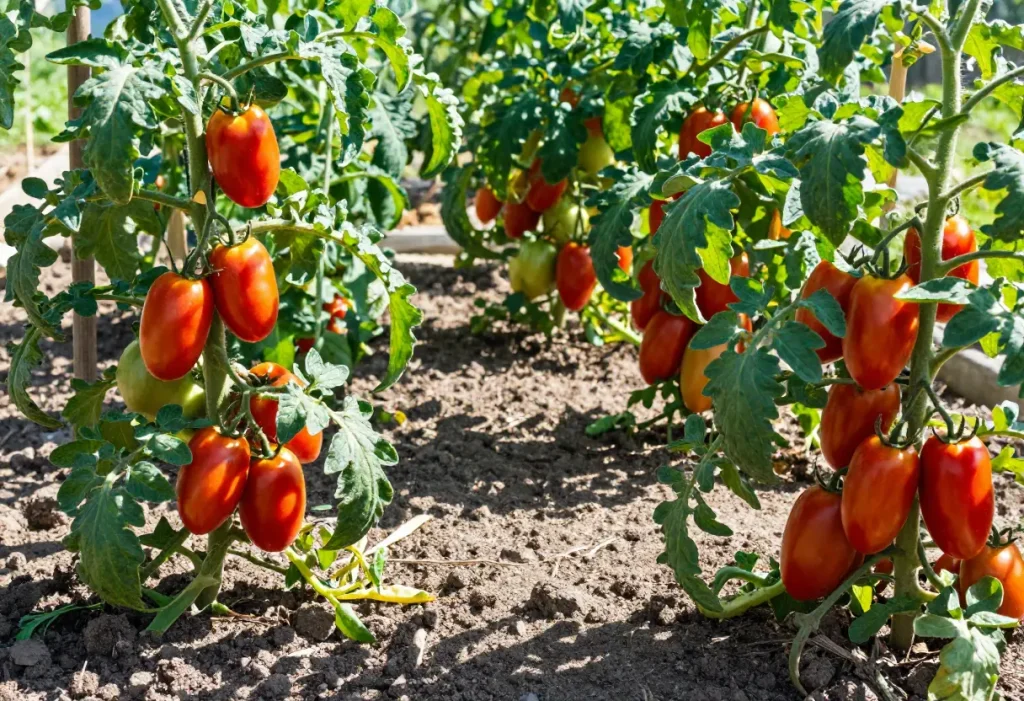
If you love growing your own food or want to try something new in your garden, San Marzano Tomato Plants are a fantastic choice. These tomatoes are famous for their rich flavor and perfect texture, making them a favorite for sauces and fresh dishes alike. With proper care, they can thrive in your garden and deliver bountiful, delicious harvests.
Imagine picking ripe, juicy tomatoes right from your backyard, knowing they’re as fresh and delicious as possible. You’ll discover everything you need to grow healthy San Marzano tomato plants and enjoy a bountiful harvest. Ready to turn your garden into a tomato paradise?
Keep reading to learn how!
Choosing the right San Marzano seeds is the first step to growing healthy tomato plants. The seeds you pick affect the taste, growth, and yield of your tomatoes. Good seeds lead to strong plants and delicious fruit. Picking seeds requires understanding different types and sources.
Heirloom seeds come from old, traditional plants. They keep the original flavor and shape of San Marzano tomatoes. These seeds grow plants that produce authentic, rich-tasting tomatoes. Heirloom plants may be less resistant to diseases. They need more care but reward with true taste.
Hybrid seeds come from crossing two different plants. They often grow faster and resist pests better. Hybrid plants may produce bigger or more fruit. The flavor might not be as deep as heirloom types. Choose hybrids for easier growing and more harvests.
Buy seeds from trusted seed companies or local nurseries. Reputable sellers offer fresh, tested seeds. Check reviews and ratings before buying. Avoid seeds from unknown or unreliable sources. Fresh seeds give better germination and strong plants. Look for organic or non-GMO labels for safer choices.
Preparing soil for planting San Marzano tomato plants is a crucial step. Healthy soil helps plants grow strong and produce tasty tomatoes. Good soil supports roots and provides nutrients. Spend time making the soil right before planting.
San Marzano tomatoes grow best in loose, well-drained soil. The soil should feel soft and crumbly. Avoid heavy clay or sandy soils. The pH level should be between 6.0 and 6.8. This range helps plants absorb nutrients easily. Soil with good airflow keeps roots healthy. Proper soil temperature is also important. Aim for soil that stays warm, about 70°F (21°C).
Add organic matter to improve soil texture. Compost or well-rotted manure works well. These materials add nutrients and help retain moisture. Mix amendments into the top 8 to 12 inches of soil. Use balanced fertilizer with nitrogen, phosphorus, and potassium. Follow the package instructions for amounts. Avoid too much nitrogen; it can cause lots of leaves but few fruits. Fertilize at planting and again when fruit starts to form.
Planting San Marzano tomato plants starts with good preparation. These tomatoes need the right conditions to grow strong and healthy. Understanding the best time to plant and how to space them helps the plants thrive. Proper planting leads to a better harvest and tastier tomatoes.
Plant San Marzano tomatoes after the last frost date in your area. The soil should be warm, at least 60°F (16°C). Early planting in cold soil can slow growth and harm the plants. Starting seeds indoors 6-8 weeks before transplanting helps young plants grow well. Move seedlings outdoors when the weather is warm and stable.
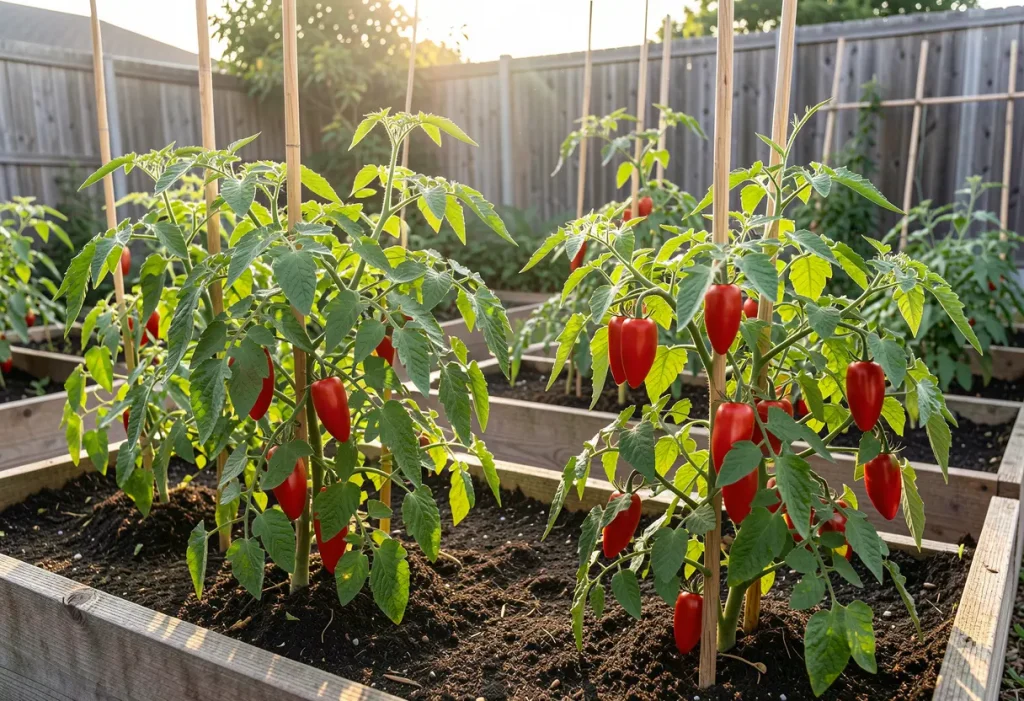
Space San Marzano plants about 24 inches apart. This gives roots room to grow and air to circulate. Good airflow reduces disease risk and helps plants dry faster after rain. Plant tomatoes deep, burying two-thirds of the stem. This encourages strong root growth and a sturdy plant. Avoid planting too shallow or too deep to prevent problems.
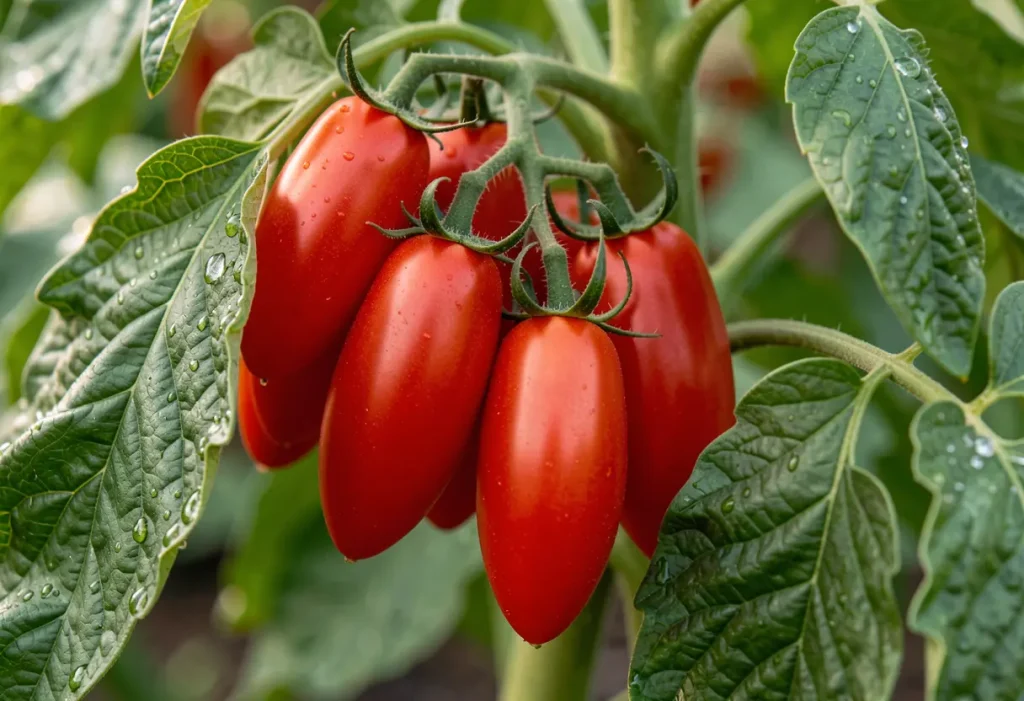
Water and nutrients are vital for San Marzano tomato plants. A clear schedule helps these plants grow strong and produce tasty fruit. Proper watering and feeding keep the plants healthy and prevent common problems. Below are simple steps to follow for best results.
Water San Marzano plants deeply but less often. This encourages roots to grow deeper. Avoid watering the leaves to reduce disease risk. Early morning watering is best to let leaves dry quickly. Keep soil moist but not soggy. Check soil regularly to adjust watering as needed.
San Marzano tomatoes need balanced nutrients to thrive. Use a fertilizer rich in phosphorus and potassium for flowers and fruit. Nitrogen should be moderate to avoid too much leaf growth. Feed plants every 2-3 weeks during the growing season. Organic compost or manure also works well for feeding.
Supporting and pruning San Marzano tomato plants help keep them healthy and productive. These plants grow tall and heavy with fruit. Without support, stems can break or bend. Pruning helps the plant focus energy on growing fruit, not extra leaves.
Stakes and cages keep San Marzano plants upright. Stakes are long sticks placed near the stem. Tie the main stem gently to the stake. Use soft ties to avoid damage. Cages surround the plant with wire rings. They support branches and hold fruit off the ground. Choose a cage tall enough for the plant’s full height. Both methods improve air flow and reduce disease risk.
Prune San Marzano plants to remove extra growth. Cut off small side shoots called suckers. These grow between the main stem and branches. Removing suckers helps the plant focus on fruit. Trim leaves that block sunlight from reaching fruit. Use clean, sharp scissors or pruners. Pruning regularly keeps plants strong and productive. Avoid cutting too much at once to prevent stress.
San Marzano tomato plants face several common pests and diseases. These problems can harm plant health and reduce fruit quality. Early detection and proper care are key to keeping plants strong. Understanding common threats helps gardeners protect their crops effectively.
Watch leaves and stems daily for unusual spots or damage. Yellowing leaves, holes, or sticky residue can signal pests. Wilting plants may indicate root problems or disease. Small insects like aphids or whiteflies often hide under leaves. Catching these signs early allows quick action to save plants.
Use natural sprays made from neem oil or insecticidal soap. These help control pests without harming beneficial insects. Hand-pick larger pests like caterpillars from plants. Encourage ladybugs and lacewings; they eat harmful pests. Keep garden clean by removing dead leaves and debris. Crop rotation also reduces disease buildup in soil.
Harvesting and storing San Marzano tomato plants is key to enjoying their rich, sweet flavor. Knowing when to pick and how to keep them fresh helps preserve their quality. Proper timing and storage extend the tomatoes’ shelf life and taste.
San Marzano tomatoes turn bright red when ripe. The skin feels smooth and slightly soft to touch. Avoid picking tomatoes that are green or very hard. A ripe tomato will easily come off the vine with a gentle twist. Look for a uniform color without green patches near the stem.
Store ripe tomatoes at room temperature, away from direct sunlight. Keep them stem side down on a flat surface to avoid bruising. Do not refrigerate fresh tomatoes as cold changes their texture and flavor. For longer storage, use a paper bag to speed ripening. Once fully ripe, place tomatoes in the fridge but use them within a few days.
Growing San Marzano tomato plants can be very rewarding. To get the most fruit, follow some simple tips. Healthy plants and good soil lead to better harvests. Paying attention to how and where you plant helps too.
Use smart gardening methods. These keep your plants strong and full of fruit. Avoid common problems like pests and poor soil. Let’s explore two key ways to improve your crop yield.
Crop rotation means changing the plants in your garden each season. This stops soil from losing nutrients. It also reduces pests and diseases that target tomatoes. Planting different crops in the same spot keeps soil healthy. For example, plant beans or lettuce before tomatoes. These plants add nutrients back to the soil. Tomatoes grow better in soil that is rested and rich. Crop rotation helps your San Marzano plants stay strong and produce more fruit.
Companion planting means growing certain plants close together. Some plants help tomatoes grow better. Basil is a great companion. It improves tomato flavor and repels bugs. Marigolds keep pests away too. Planting onions or garlic near tomatoes can stop harmful insects. These companions protect your plants without chemicals. They also help the soil stay balanced. Using companion plants creates a healthier garden environment. This means bigger, tastier San Marzano tomatoes for your table.
San Marzano tomatoes have a sweet, low-acid taste perfect for sauces and Italian dishes.
Plant in full sun, use well-drained soil, and water regularly but not too much.
Pick them when they turn bright red and feel firm but slightly soft.
Yes, use large pots with good soil and provide strong support for the vines.
Watch for aphids, tomato hornworms, and whiteflies; use natural or mild treatments to control them.
San Marzano tomato plants bring rich flavor to your garden and kitchen. They grow well in warm weather and need good soil and sunlight. Caring for these plants is simple with regular watering and pruning. Harvesting fresh tomatoes feels rewarding and tasty.
These plants suit sauces, salads, and many dishes. Growing them adds joy and freshness to your meals. Try planting San Marzano tomatoes for a delicious homegrown treat. Your cooking will thank you.