Gardening Made Simple.
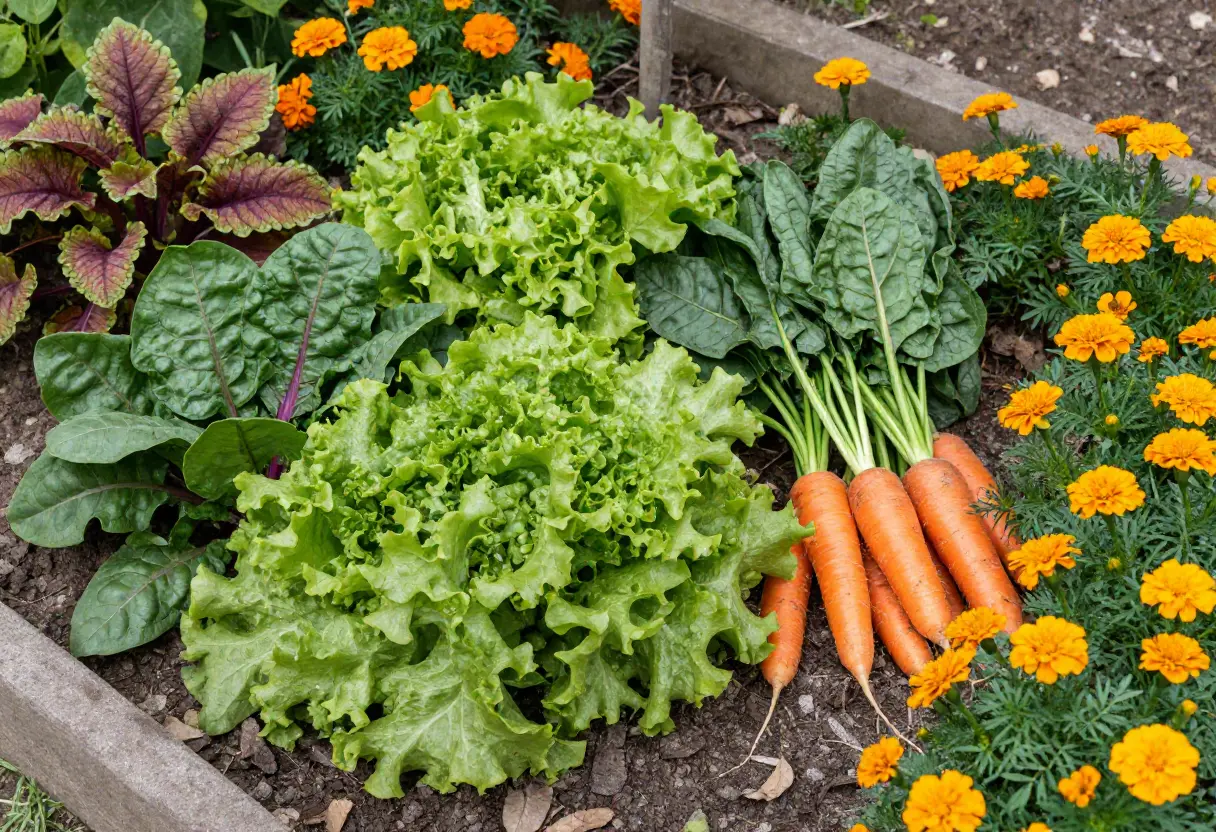
Are you growing Swiss chard and want to boost its health and yield? Using the right Swiss Chard Companion Plants can make all the difference, helping improve growth, deter pests, and create a more productive garden.
When you plant Swiss chard alongside certain friends, you can naturally keep pests away, improve growth, and even enrich your soil. You’ll discover the best plants to grow next to your Swiss chard to create a thriving, vibrant garden. Keep reading to unlock simple tips that will help your Swiss chard flourish like never before!
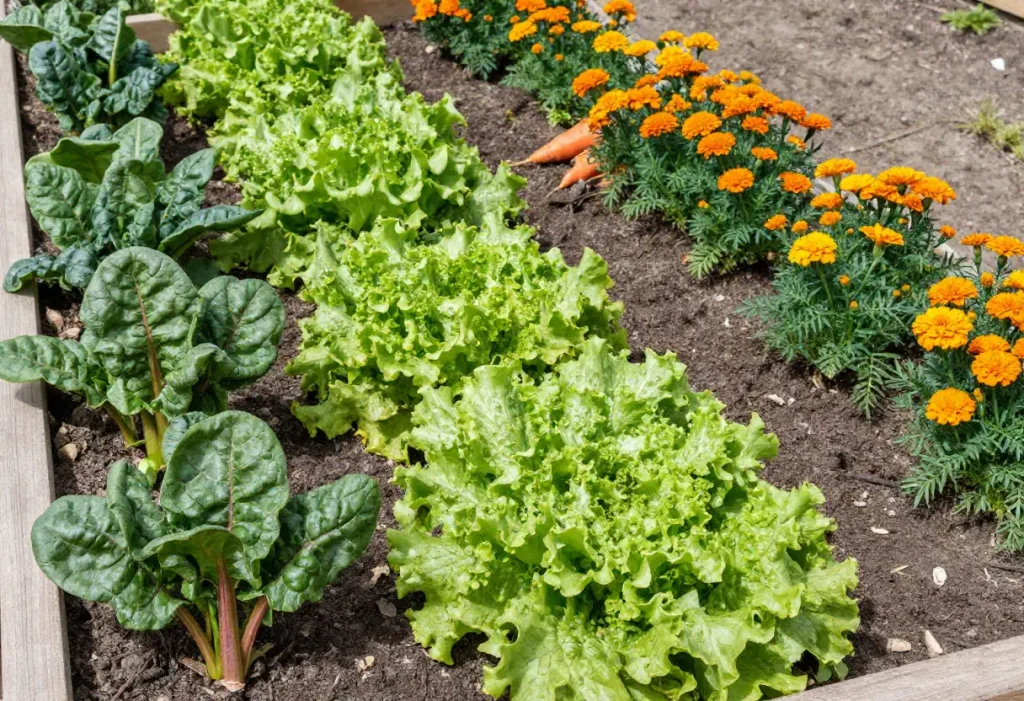
Companion planting involves growing different plants close together. This method helps plants grow better and stay healthy. Swiss chard benefits a lot from companion planting. It thrives with the right neighbors.
Some plants help Swiss chard grow faster and stronger. They share nutrients and create shade. This reduces water loss and stress on Swiss chard. As a result, the leaves become larger and more vibrant. The overall harvest can increase with good companions nearby.
Certain plants repel pests that harm Swiss chard. They confuse insects or keep them away. This lowers the need for chemical pesticides. Also, some companions attract beneficial insects that eat pests. This natural pest control keeps Swiss chard safe and healthy.
Companion plants improve soil quality around Swiss chard. Some fix nitrogen, making soil richer. Others loosen the soil, helping roots grow deep. Healthy soil holds water better and supports strong plants. This creates a better environment for Swiss chard to thrive.
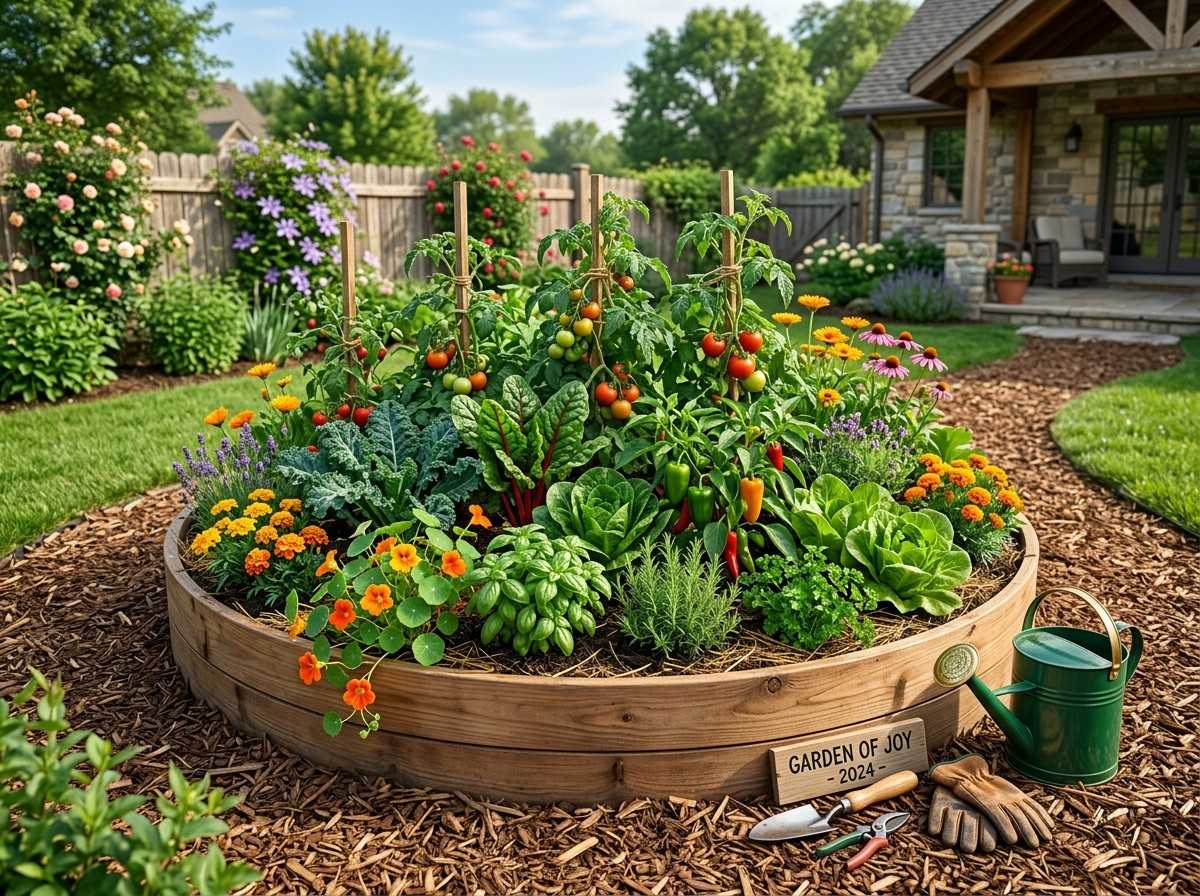
Swiss chard grows best with plants that support its growth and protect it from pests. Choosing the right companions improves soil health and yields. Companion plants help by attracting beneficial insects or repelling harmful ones. They also use space wisely, so your garden looks full and healthy.
Swiss chard pairs well with leafy greens like lettuce and spinach. These plants have similar water and sunlight needs. Herbs such as basil and cilantro also make great companions. They can repel pests that bother chard. Plus, herbs add extra flavors to your garden harvest.
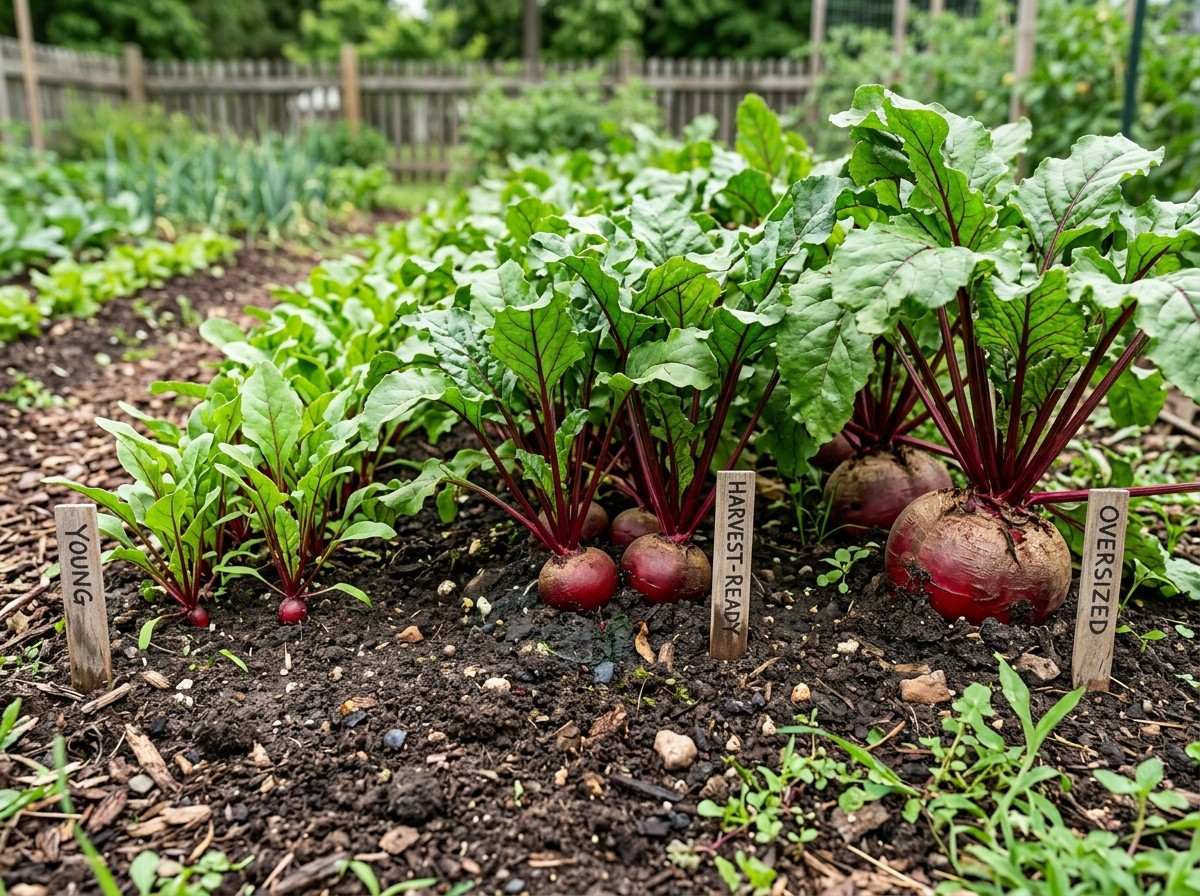
Root vegetables like carrots and beets grow well near Swiss chard. They take nutrients from different soil layers, reducing competition. These roots help loosen the soil for better air and water flow. This benefits Swiss chard’s shallow roots and supports strong growth.
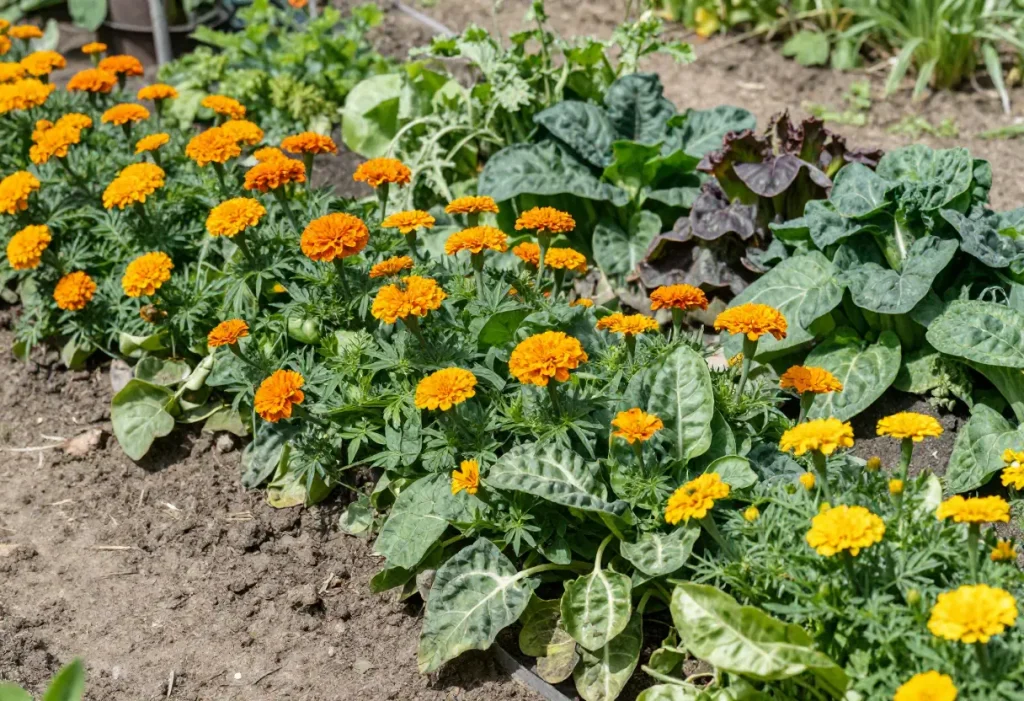
Marigolds and nasturtiums are excellent flowering companions for Swiss chard. Their bright flowers attract pollinators and beneficial insects. These insects prey on pests that harm your chard. Flowering plants also add color and diversity to your garden space.
Swiss chard grows best with certain plants nearby. Some plants can harm its growth or attract pests. Avoid these plants to keep your Swiss chard healthy and strong.
Plants that need a lot of nutrients compete with Swiss chard. Corn and spinach take many nutrients from the soil. This leaves less food for Swiss chard to grow well. Avoid planting these close to Swiss chard.
Certain plants attract pests that also harm Swiss chard. Tomatoes and potatoes can bring pests like aphids and beetles. These pests can spread quickly and damage your Swiss chard leaves. Keep these plants apart to reduce pest problems.
Some plants release chemicals that stop Swiss chard from growing. Black walnut and sunflowers are allelopathic plants. Their roots or leaves can hurt Swiss chard’s growth. Avoid planting these near your Swiss chard beds.
Planting Swiss chard with the right companion plants can boost growth and health. Proper planting tips help you get the best results. Pay attention to spacing, timing, and water needs. These factors support strong plants and a good harvest.
Give Swiss chard enough space to grow. Plant companions like onions or beans nearby. Keep at least 12 inches between Swiss chard plants. This spacing allows air to flow and reduces disease risk. Arrange taller plants to avoid shading Swiss chard.
Plant Swiss chard and companions at the right time. Sow seeds after the last frost for best growth. Rotate crops each season to keep soil healthy. Avoid planting Swiss chard in the same spot year after year. Crop rotation prevents pests and nutrient depletion.
Swiss chard prefers moist, well-drained soil. Water plants deeply once or twice a week. Avoid waterlogging to prevent root problems. Companion plants like garlic and lettuce share similar water needs. Use mulch to keep soil moist and cool.
Companion planting Swiss chard can boost growth and protect plants. Avoid common mistakes that reduce these benefits. Knowing what to avoid helps your garden thrive. Below are frequent errors gardeners make with Swiss chard companion plants.
Some plants do not grow well near Swiss chard. They may compete for nutrients or attract pests. Avoid planting incompatible species close to Swiss chard. Choose companions that support growth and repel insects. Research each plant’s needs before planting together.
Planting too many companions near Swiss chard causes crowding. Plants compete for light, water, and nutrients. Overcrowded plants grow weak and produce less. Leave enough space between Swiss chard and its companions. Proper spacing improves air flow and reduces disease risk.
Soil quality affects all plants in the garden. Swiss chard needs rich, well-drained soil to grow well. Companions must also thrive in similar soil types. Ignoring soil needs leads to poor growth and plant stress. Test soil and amend it before planting companions.
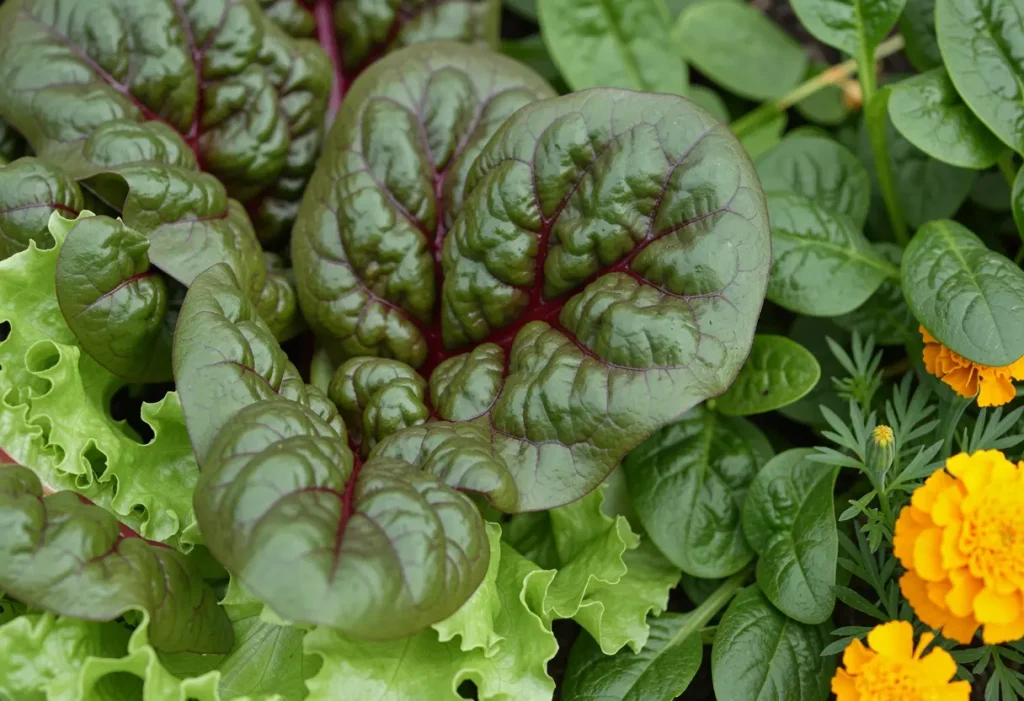
Swiss chard grows well with onions, beans, and cabbage. These plants help improve soil and reduce pests naturally.
Yes, Swiss chard can help repel pests like aphids. Its strong scent confuses harmful insects nearby.
Swiss chard adds nutrients like magnesium to the soil. This helps other plants grow stronger and healthier.
Basil, mint, and dill grow well near Swiss chard. They attract beneficial insects and improve flavor nearby.
Avoid planting potatoes or corn near Swiss chard. These plants compete for nutrients and can reduce growth.
Swiss chard grows best with the right companion plants nearby. These plants help protect it from pests and improve soil health. Planting basil, beans, or onions next to chard can boost growth. They also make your garden more colorful and lively.
Try mixing different plants to see what works well. A healthy garden means a better harvest. Keep learning and experimenting to find the best combinations. Gardening becomes easier and more fun this way. Enjoy growing Swiss chard with its helpful companions all season long.