Gardening Made Simple.

Are you curious about the best time to find mushrooms growing in the wild? Knowing when is mushroom season can make all the difference between a successful foraging trip and coming back empty-handed. Understanding seasonal patterns helps you spot mushrooms at their peak and plan your foraging trips with confidence.
Whether you’re a beginner eager to spot your first edible mushroom or an experienced gatherer looking to plan your next outing, understanding the right season is key. Keep reading to discover exactly when mushroom season happens and how you can make the most of it this year.
Your next great mushroom adventure is closer than you think!
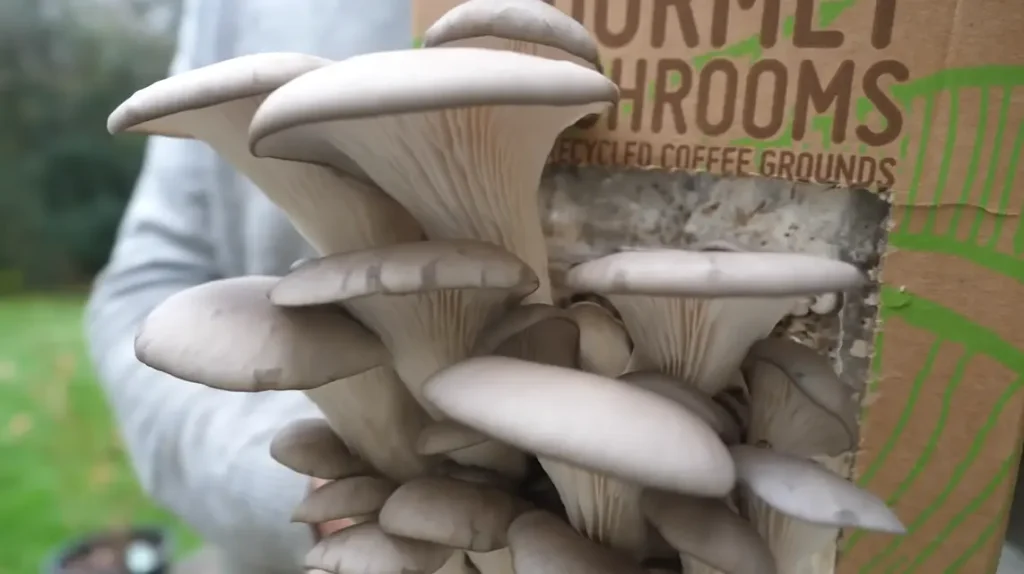
Mushroom growth follows a natural cycle that repeats throughout the year. Understanding these cycles helps us know the best times to find mushrooms. Mushrooms do not grow like plants. They have unique stages and need certain conditions to start growing.
Mushrooms start as tiny spores that float in the air. When spores land on a good surface, they grow into a network called mycelium. This mycelium spreads underground or inside wood. After some time, the mycelium forms a small bud called a pinhead. This pinhead grows into a full mushroom with a cap and stem. Finally, the mushroom releases new spores to start the cycle again.
Temperature, moisture, and light affect mushroom growth. Mushrooms need wet or damp conditions to grow well. Rainy seasons often bring the right moisture. Warm days followed by cool nights also help mushrooms develop. Light helps mushrooms know when to open their caps. The right environment signals the mycelium to produce mushrooms above ground.
Wild mushrooms grow in different seasons. Each season brings unique types of mushrooms. Understanding these patterns helps foragers find the best mushrooms. Nature’s cycle controls mushroom growth. Temperature, moisture, and sunlight affect their appearance. Knowing when and where to look improves your chances of a good find.
Spring is the time for fresh growth. Mushrooms like morels appear after snow melts. These mushrooms enjoy moist soil and warming weather. Other early mushrooms include oyster and shaggy mane. Spring mushrooms are often delicate and require quick picking.
Summer mushrooms like chanterelles thrive in warm, humid forests. This season has a wide variety of edible mushrooms. Some summer mushrooms grow near decaying wood. Rainfall boosts their growth during hot months. Summer foraging can be rewarding but needs careful identification.
Fall is the prime season for mushroom hunting. Many popular edible mushrooms appear now. Porcini, honey mushrooms, and puffballs are common finds. Cooler temperatures and frequent rains create ideal conditions. Fall mushrooms are often larger and more abundant.
Winter offers fewer mushrooms but some still grow. Velvet foot and winter chanterelles can be found. These mushrooms survive cold temperatures and frost. Winter foraging requires warm clothes and careful planning. The quiet forests in winter hold hidden treasures.
Mushroom season varies widely across the world. Different regions have unique weather patterns and climates. These factors shape when mushrooms grow best. Understanding regional foraging timelines helps plan your mushroom hunts. It also ensures a safer and more successful experience.
In North America, mushroom season often starts in late summer. It peaks during fall, especially after rain. The Pacific Northwest is famous for its rich mushroom variety. States like Oregon and Washington see many wild mushrooms. The East Coast also offers good foraging in autumn. Some mushrooms appear in spring, but fall is prime time.
Europe's mushroom season usually begins in late summer. It extends through autumn and sometimes into early winter. Countries like France, Italy, and Poland have strong mushroom traditions. The climate supports many edible and wild species. Rain and mild temperatures encourage mushroom growth. Foragers often find the best mushrooms after wet weather.
Asia has diverse mushroom seasons due to its vast size. In temperate areas like Japan and Korea, autumn is peak season. Tropical regions in Southeast Asia see mushrooms during the rainy season. Monsoon months bring abundant growth. Many unique mushroom species grow in Asian forests. Local knowledge helps identify the right time for foraging.
In Australia and New Zealand, mushroom season starts in autumn. It lasts through winter in cooler areas. Tropical regions have different patterns, often tied to rainfall. Africa's mushroom season depends on the rainy season in each area. South America sees mushroom growth mostly in spring and fall. Local climate and rain cycles guide foraging times worldwide.
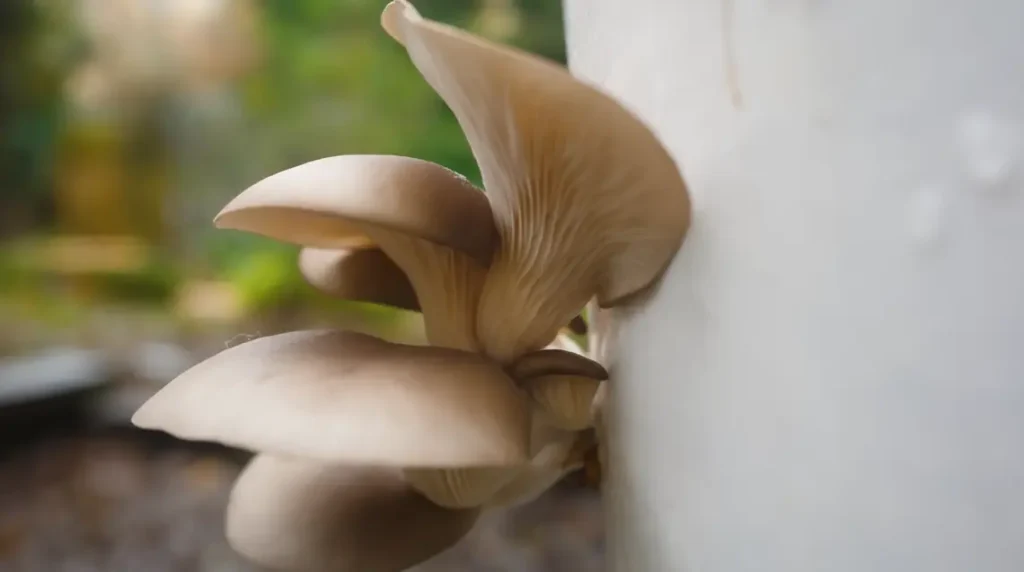
Mushrooms grow best under certain natural conditions. Knowing these helps hunters find them more easily. Understanding weather, locations, and soil types is key for a good mushroom hunt.
Mushrooms like moist and cool weather. Rain followed by warm days creates perfect growth. Too much sun or dry air stops mushrooms from growing. Foggy mornings often bring good mushroom chances.
Look for forests with many trees and shade. Mushrooms grow well near fallen logs and leaf piles. Areas near streams or rivers often have more mushrooms. Avoid open fields with direct sunlight.
Mushrooms prefer rich, damp soil full of organic matter. Soil with decaying leaves and wood helps mushrooms grow. Some types grow better in sandy soil, others in clay. Healthy forests with natural ground cover are best places to search.
Foraging mushrooms is exciting but requires caution. Safety matters to enjoy the experience and avoid health risks. Knowing the right steps can keep you safe while collecting wild mushrooms.
Some mushrooms look safe but are poisonous. Never pick mushrooms you do not know well. Avoid mushrooms with white gills or red caps. When in doubt, leave it out. Toxic mushrooms can cause serious illness or death.
Use a good field guide with clear pictures. Check the mushroom’s shape, color, and smell. Learn about the habitat where mushrooms grow. Compare features carefully before picking. Join a local mushroom club to learn from experts.
Carry mushrooms in a basket, not plastic bags. Plastic makes mushrooms sweat and spoil quickly. Clean mushrooms gently with a brush, not water. Store them in a cool, dry place. Use mushrooms soon after collecting for best taste.
Mushroom foraging is a fun and rewarding activity. Having the right tools makes the experience safer and easier. Good gear helps you find, collect, and store mushrooms properly. It also protects you from outdoor elements and keeps your harvest fresh.
A small, sharp knife is key for cutting mushrooms cleanly. A basket or mesh bag lets spores spread while you walk. A field guide helps you identify edible and dangerous mushrooms. Carry a small brush to clean dirt off mushrooms gently. A flashlight is useful for foraging in low light or dense woods.
Wear long sleeves and pants to protect against bugs and plants. Choose breathable fabrics that dry quickly if wet. Sturdy shoes or boots give support on rough ground. A hat shields your head from sun and rain. Gloves protect your hands while picking and handling mushrooms.
Bring paper bags for short-term storage; plastic bags cause moisture build-up. A small cooler can keep mushrooms fresh on hot days. For longer storage, consider drying kits or food dehydrators. Wax paper or parchment helps wrap mushrooms without trapping moisture. Proper preservation keeps mushrooms tasty and safe to eat.
Tracking and recording your mushroom finds helps you become a better forager. It keeps your memories fresh and helps you spot patterns in mushroom growth. Careful records make future forages easier and safer.
Good notes also help you learn which mushrooms are common in your area. Over time, you build a personal guide to the best spots and seasons for mushrooms. This practice makes mushroom hunting more fun and rewarding.
Apps are handy tools for tracking mushroom finds. They let you save pictures, locations, and notes all in one place. Many apps include identification help, making it safer to pick mushrooms.
Journals work well too. Writing by hand can help you remember details better. You can sketch mushrooms or note the weather and soil conditions. A journal is a personal record that grows with your experience.
Marking your best mushroom spots on a map saves time. Maps show where you found mushrooms before and where to check next. You can use paper maps or digital ones on your phone.
Mapping helps you avoid over-harvesting one area. It encourages sustainable foraging by spreading out your visits. Over time, your map becomes a trusted guide to fruitful mushroom locations.
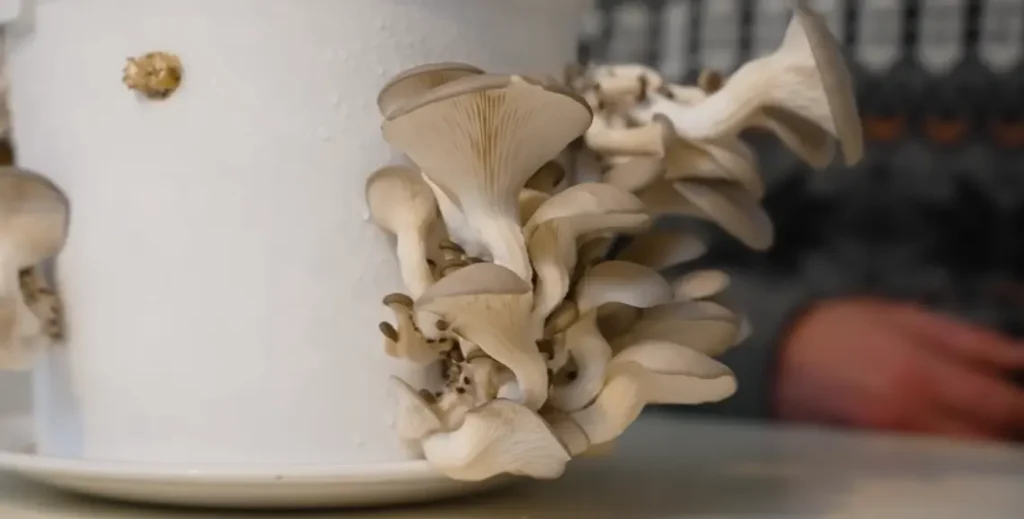
Mushroom season usually starts in early spring and ends in late fall, depending on the region.
Cool, damp, and rainy weather with mild temperatures helps mushrooms grow best.
Only pick wild mushrooms if you know how to identify them safely to avoid poison.
Coastal and temperate regions often have longer mushroom seasons due to mild, wet climates.
Look for mushrooms that are fully grown but not old, usually after rain showers.
Mushroom season brings nature’s gifts in cool, damp times. Watch for rainy days and mild temperatures. These conditions help mushrooms grow fast and fresh. Different mushrooms appear in spring, summer, or fall. Learning their seasons helps you find safe, tasty varieties.
Always check mushrooms carefully before eating. Enjoy the outdoors and the fun of mushroom hunting. Nature offers plenty if you know when to look. Happy foraging and stay safe!