Gardening Made Simple.
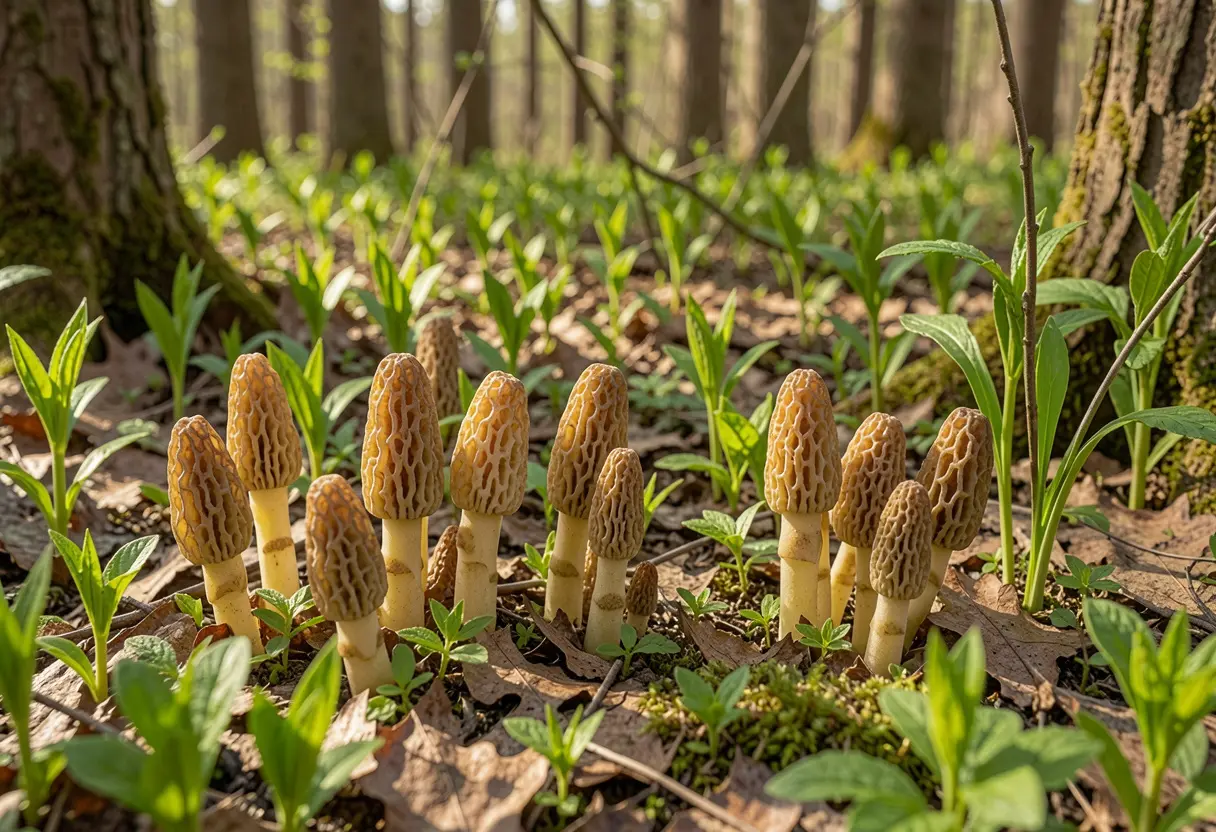
Are you ready to find morel mushrooms but not sure where to look? Learning Where to Pick Morel Mushrooms can make all the difference between a successful harvest and coming home empty-handed, helping you locate the best spots for these prized fungi.
Morels hide in specific places that only a few know about. Imagine walking through a forest and suddenly spotting these prized mushrooms, ready to be picked and cooked. You’ll discover the best locations to find morel mushrooms, so you can enjoy the thrill of the search and the taste of your hard-earned treasure.
Keep reading to uncover the secrets that will boost your mushroom hunting skills!
Morel mushrooms grow best in certain regions across the United States. These areas offer the right mix of soil, trees, and climate. Knowing where to hunt increases your chances of a good find. Different parts of the country have unique spots for morel picking. Here are some of the best regions for morel hunting.
The Midwest is famous for morel mushroom hunting. States like Michigan, Wisconsin, and Illinois have many forests and river valleys. These areas provide perfect habitats for morels to grow. Look near old apple orchards and hardwood trees. The soil here warms up quickly in spring, helping mushrooms sprout.
The Pacific Northwest offers moist, shaded forests ideal for morels. Oregon and Washington have large areas of mixed woodlands. Morels often appear near dying or burned trees. The mild climate with frequent rain helps mushrooms grow fast. Hunters enjoy good success in this lush green region.
The Northeast has rich forests and varied landscapes for morel hunting. States like New York, Pennsylvania, and Vermont are popular spots. Morels like to grow near ash, elm, and oak trees. The spring season brings good moisture and warm days. This region attracts many mushroom enthusiasts every year.
The South offers a longer picking season due to warmer weather. States such as Tennessee and North Carolina have forests with plenty of hardwoods. Morels often grow near river bottoms and old logging sites. The mild climate allows mushrooms to appear early and last longer. Southern hunters enjoy extended opportunities to gather morels.
Morel mushrooms grow best in specific natural places. Knowing where they thrive helps you find them easier. They prefer certain environments that offer the right mix of moisture, shade, and soil type. Here are some top spots to check for morels.
Morels often grow under trees that lose leaves in fall. Oak, ash, elm, and poplar trees are common hosts. These forests provide shade and rich soil. Leaf litter keeps the ground moist, perfect for morels. Search near tree bases and fallen logs.
Morels love areas that burned the previous year. Fire changes the soil, making it ideal for growth. Burned woodlands offer less competition from other plants. Look carefully on blackened ground near charred trees. This spot can yield many morels fast.
Morels need moisture but not too much water. Riverbanks and damp low spots hold enough moisture. These areas warm up quickly in spring. Soft, wet soil helps mushrooms grow strong and healthy. Check near water edges and wet leaves.
Abandoned orchards are great for morel hunting. Old fruit trees create good shade and leaf cover. Soil in orchards is often loose and rich. Morels grow near tree trunks and old roots. These quiet spots can hide many mushrooms.
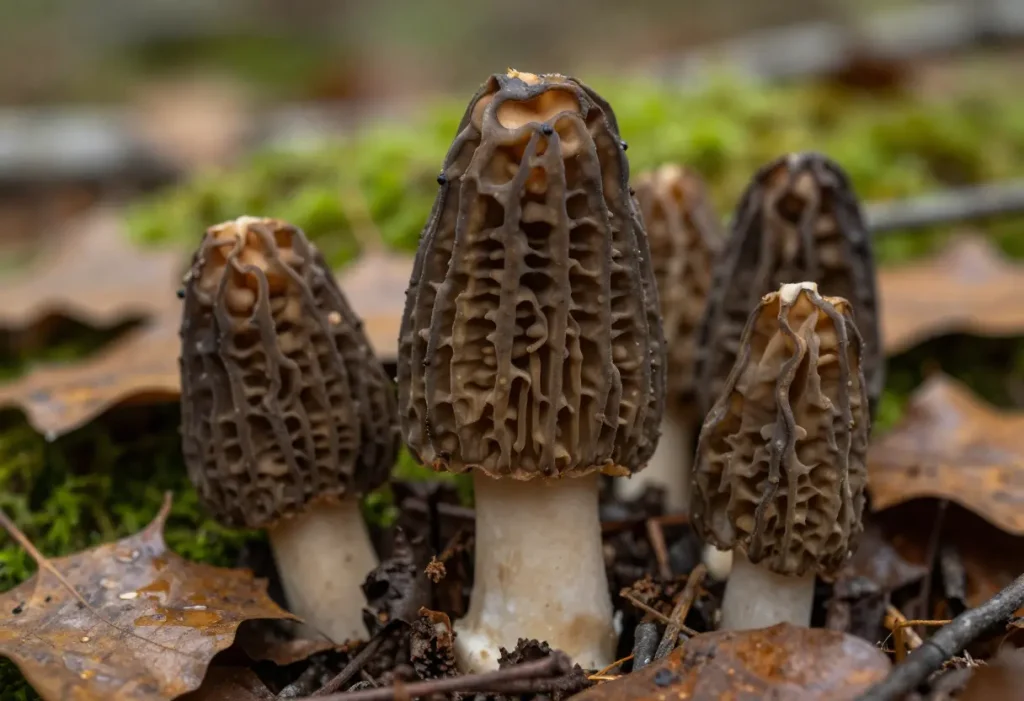
Timing your morel foray is key to finding these elusive mushrooms. Morels appear only during certain times of the year. Knowing when to search increases your chances of a good harvest. Careful attention to nature’s signals helps you pick at the right moment.
Morels mostly grow in spring. In many areas, they appear from late March to early June. The exact time varies by region. Warmer climates see earlier growth, cooler ones later. Tracking local seasonal changes guides your search.
Rainfall plays a big role in morel growth. A few days of warm rain often trigger their emergence. Temperatures around 50 to 70 degrees Fahrenheit are ideal. Dry or very cold weather delays their appearance. Watch the weather closely before heading out.
Look for moist soil and new green growth. Trees like elm, ash, and apple often host morels. Fallen leaves and decaying wood near these trees can hide them. Mushrooms usually appear after soil warms and rain softens the ground. Spotting these signs leads to success.
Knowing local tips and rules helps you find morel mushrooms safely. Different areas have laws to protect nature and keep foraging fair. Following these rules keeps mushroom spots healthy for everyone.
Many places require a permit to pick morel mushrooms. Permits limit how many mushrooms you can take. They help control the number of foragers in one area. Check with local parks or forests before you go. Getting a permit is usually easy and cheap.
Pick mushrooms carefully to keep the patch healthy. Cut the stem instead of pulling the whole mushroom. Leave some mushrooms to grow and spread spores. Avoid walking on fragile ground to protect roots and soil. These steps help morels come back year after year.
Some towns host group hunts for morels during the season. These events teach safe and smart picking methods. You can meet other mushroom lovers and share tips. Join a community hunt to learn local secrets and have fun outdoors.
Picking morel mushrooms requires the right tools and smart techniques. These help you find and collect mushrooms safely and easily. Using the best gear and methods makes your mushroom hunt more fun and successful.
Carry a small knife to cut mushrooms at the base. Use a mesh or cloth bag to hold mushrooms. This keeps them fresh and lets spores spread. Wear sturdy boots for walking in rough areas. Gloves protect your hands from dirt and sharp plants. A small basket or container helps keep mushrooms safe during your trip.
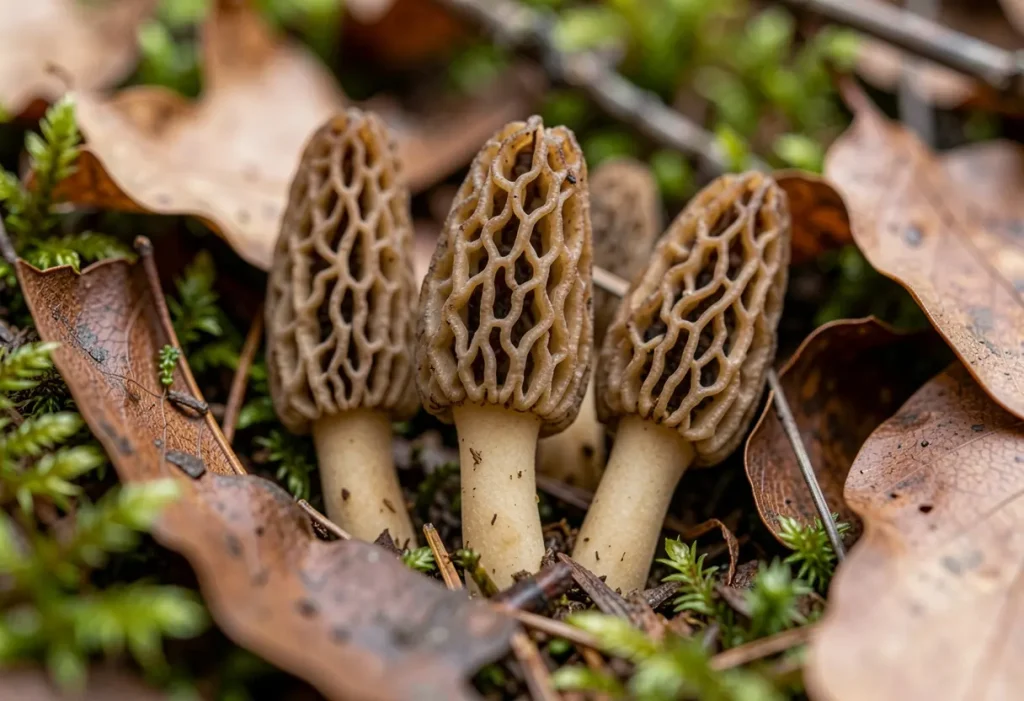
Look near old trees, especially elm, ash, and apple trees. Check moist places with good sunlight. Walk slowly and scan the ground carefully. Use a gentle hand to avoid damaging mushrooms. Search near fallen branches and leaf piles. Move leaves and debris gently to spot hidden morels. Stay patient and watch for the unique honeycomb caps of morels.
Keep morels in a cool, dry place after picking. Avoid plastic bags that trap moisture. Use breathable bags or baskets for short trips home. Clean mushrooms by brushing off dirt gently. Do not wash until ready to cook. Store mushrooms in the fridge in a paper bag to keep them fresh. Handle morels carefully to avoid bruising during transport.
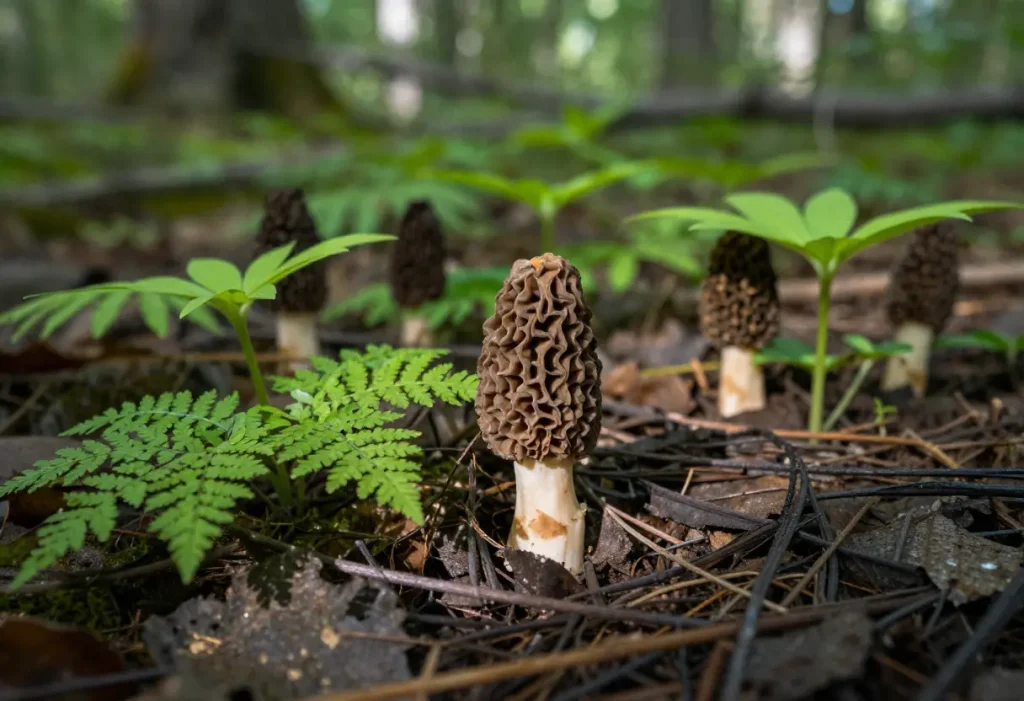
Morel mushrooms grow best in moist, wooded areas with rich soil and decaying leaves.
Morels appear mostly in spring, usually between April and June, depending on your location.
Morels often grow near elm, ash, oak, and apple trees, especially in old forests.
Yes, morels often grow abundantly in areas that burned the previous year.
Look for moist soil, leaf litter, old trees, and areas with recent disturbances.
Finding morel mushrooms can be a fun and rewarding activity. Search near old trees, riverbanks, and burned forests. These spots often hide the best mushrooms. Remember to check local rules before you pick. Take your time and enjoy the hunt.
Stay safe and respect nature around you. Happy mushroom hunting!