Gardening Made Simple.
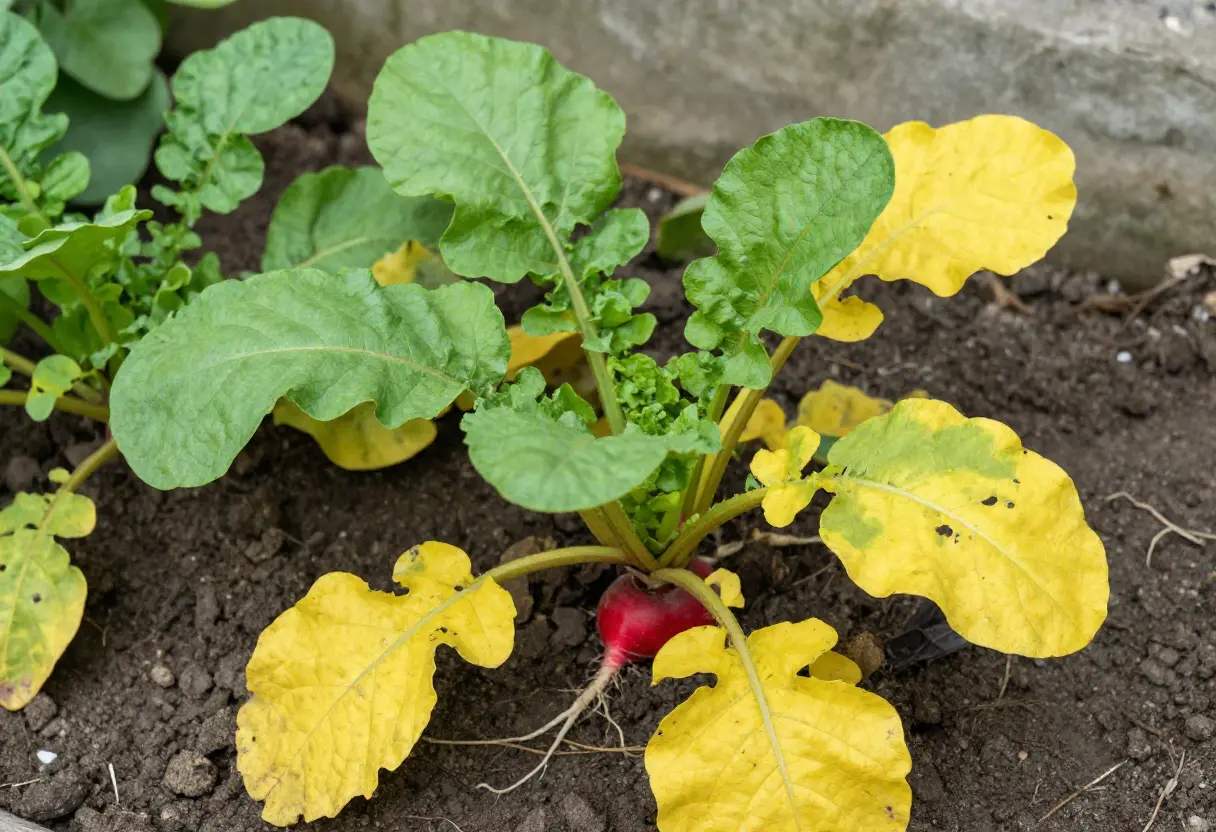
Are you noticing your radish leaves turning yellow and wondering what’s going wrong? Why Are My Radish Leaves Turning Yellow is a common concern for gardeners when healthy plants suddenly lose their vibrant green color.
Yellow leaves can be a sign that something in your garden needs attention. But don’t worry—understanding why this happens is the first step to fixing it. Keep reading to discover the common reasons behind yellowing radish leaves and how you can bring your garden back to life quickly.
Your radishes will thank you!
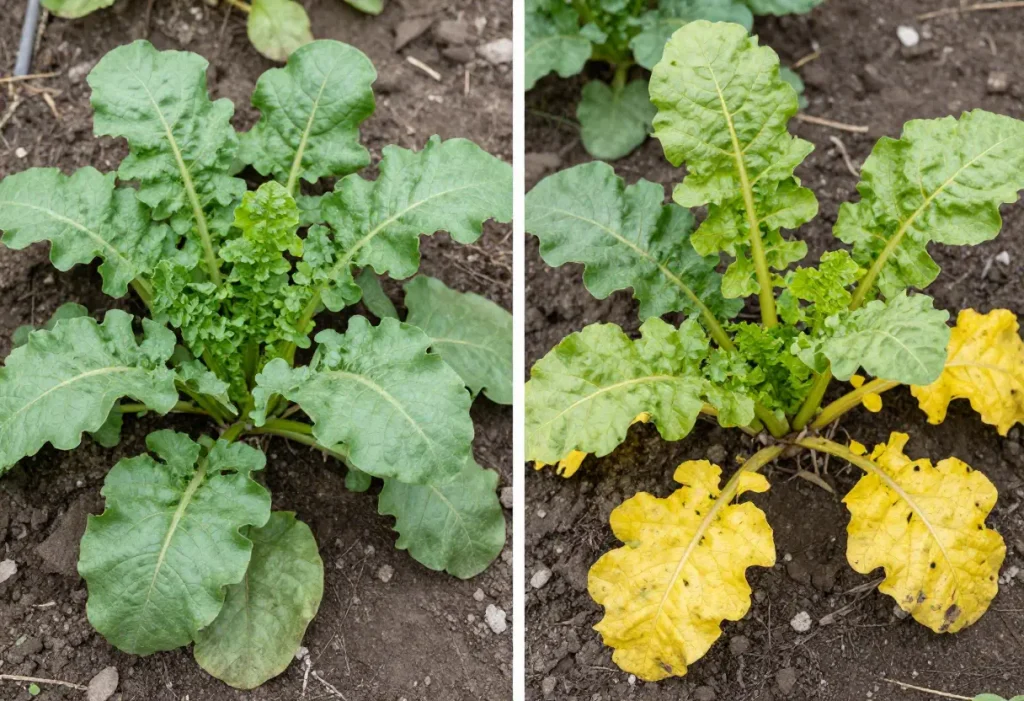
Yellow leaves on radish plants signal a problem affecting their health. Understanding common causes helps fix the issue quickly. Yellowing often points to stress or imbalance in growing conditions. Identifying the cause can save your radish crop from damage. Below are the main reasons radish leaves turn yellow.
Radishes need nutrients like nitrogen, potassium, and magnesium. Lack of nitrogen often causes yellow leaves. Plants turn pale and weak without enough nutrients. Soil tests help check nutrient levels. Fertilize with balanced fertilizer to restore health. Nutrient deficiency slows growth and reduces radish quality.
Both too much and too little water cause yellow leaves. Overwatering drowns roots and limits oxygen supply. Underwatering stresses plants and dries leaves. Water radishes evenly and deeply for best growth. Use well-drained soil to prevent standing water. Proper watering keeps leaves green and healthy.
Insects like aphids or flea beetles damage radish leaves. They suck sap and cause yellow spots or patches. Fungal infections may also cause yellowing and leaf wilting. Inspect plants regularly for pests or disease signs. Use natural or chemical treatments to control infestations. Healthy plants resist pests and recover faster.
Extreme temperatures cause radish leaves to yellow. Too much heat or cold harms plant cells. Poor sunlight or strong winds add stress. Soil that is too compacted limits root growth. Protect plants with shade or wind barriers. Adjust planting times to avoid harsh weather. Reducing stress helps leaves stay green longer.
Yellow leaves on radish plants often signal nutrient problems. Nutrients help plants grow strong and healthy. Identifying which nutrient is missing can save your crop. Spotting nutrient deficiencies early helps fix the problem fast.
Plants show different signs depending on the missing nutrient. Leaves may turn yellow from the edges or between veins. Some deficiencies cause slow growth or pale color. Knowing these signs guides your next steps.
Nitrogen is vital for leaf growth and green color. A lack of nitrogen makes radish leaves pale or yellow. Older leaves usually turn yellow first. Plants may look weak and grow slowly. Yellow leaves spread from bottom to top.
Magnesium and iron help leaves stay green and healthy. Magnesium shortage causes yellowing between leaf veins. Leaf edges stay green while the inside turns pale. Iron deficiency shows as yellow leaves with green veins. New leaves are often affected first.
Testing soil reveals nutrient levels and pH balance. Use a simple soil test kit for quick results. Take samples from different garden spots for accuracy. Follow instructions carefully to avoid errors. Adjust fertilizer based on test findings for best growth.
Watering radishes seems simple but many gardeners make mistakes. These mistakes cause yellow leaves and weak plants. Proper watering keeps radish leaves green and healthy. Learn common watering errors and how to fix them.
Too much water drowns radish roots. Roots can't get oxygen and start to rot. Leaves turn yellow and wilt even if soil is wet. Overwatering also attracts pests and diseases. Avoid watering if soil feels wet an inch below surface.
Not enough water stresses radish plants. Leaves dry out and turn yellow or brown at edges. Plants grow slowly and roots become tough. Soil looks dry and cracks. Water radishes deeply to keep soil moist but not soaked.
Check soil moisture before watering. Water radishes in the morning for best results. Use drip irrigation or slow watering to avoid runoff. Keep soil evenly moist throughout growing season. Adjust watering based on weather and soil type.
Yellowing leaves on radishes often point to pests and diseases. These problems can weaken plants and reduce harvest. Identifying and managing these issues early helps keep radishes healthy and green.
Aphids are tiny insects that suck sap from radish leaves. They cause yellow spots and curling leaves. Flea beetles chew small holes in leaves, making plants look damaged. Root maggots attack radish roots, causing stunted growth and yellow leaves. Watch for these pests to protect your plants.
Fungal diseases like downy mildew create yellow patches on leaves. Leaf spot fungi cause small, dark spots that turn yellow around edges. Bacterial infections often result in water-soaked spots that become yellow and wilt. These infections spread quickly in wet or crowded conditions.
Introduce ladybugs or lacewings to eat aphids naturally. Use neem oil spray to control flea beetles and fungal infections. Remove infected leaves to stop disease spread. Rotate crops each season to reduce pests and disease buildup in soil.
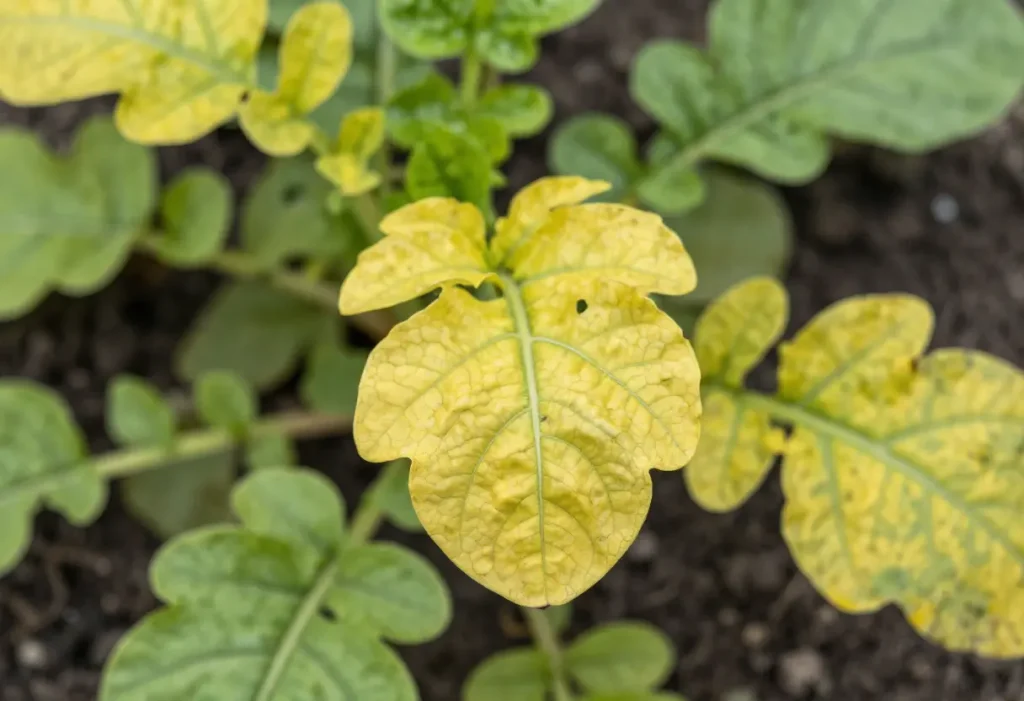
Radish leaves turn yellow due to stress from their environment. Managing this stress helps keep leaves green and healthy. Simple changes can make a big difference in plant health.
Radishes prefer cool weather. Sudden heat or cold shocks can cause leaf yellowing. Keep plants in a stable temperature range between 50°F and 70°F. Avoid planting during extreme weather. Use shade cloth or covers to protect from frost or heat.
Radishes need sunlight but not too much. Too much direct sun can burn leaves, causing yellow color. Too little sun weakens the plant and yellows leaves. Aim for 4 to 6 hours of gentle sunlight daily. Move pots or use shade to control light levels.
Soil quality affects leaf color. Poor drainage or hard soil stresses roots and yellows leaves. Use loose, well-drained soil rich in organic matter. Keep soil moist but not waterlogged. Test soil pH; radishes grow best in slightly acidic to neutral soil (pH 6.0-7.0).
Yellowing radish leaves show your plant needs help. Early action can save your crop. Follow simple steps to revive your radish leaves. These steps cover soil care, watering habits, pest control, and environment improvements. Each step supports healthy leaf growth and bright green color.
Radish plants need balanced nutrients in the soil. Yellow leaves often mean a lack of nitrogen. Test your soil for nutrient levels. Add compost or a mild fertilizer rich in nitrogen. Avoid over-fertilizing, which can harm the plant. Work nutrients gently into the soil around your radishes.
Water affects radish leaf health greatly. Too little water causes leaves to yellow and wilt. Too much water leads to root rot and yellow leaves. Water radishes evenly, keeping soil moist but not soggy. Check soil moisture regularly with your finger. Adjust watering based on weather and soil type.
Insects and diseases can cause yellow leaves. Inspect your plants often for signs of pests like aphids or flea beetles. Remove pests by hand or use insecticidal soap. Watch for fungal infections, which appear as spots or mold. Treat fungal diseases with a safe fungicide. Clean garden tools to prevent spreading diseases.
Radishes grow best in cool, well-drained soil. Yellow leaves may mean too much sun or heat stress. Move containers to shaded areas during hot days. Thin crowded plants to improve air flow. Mulch around plants to keep roots cool and moist. Maintain consistent temperature and light for best growth.
Preventing yellow leaves on radish plants helps keep them healthy and productive. Yellowing often signals stress, disease, or poor growing conditions. Taking steps to avoid these issues protects your crop and improves growth. Follow simple care methods to stop yellow leaves from coming back.
Check soil health often. Radishes need loose, well-drained soil rich in nutrients. Add compost or organic matter to improve soil quality. Avoid soil that stays wet or hard. Test soil pH to keep it between 6.0 and 7.0. Healthy soil supports strong roots and green leaves.
Space radish plants correctly. Crowded plants compete for light and nutrients. Leave at least 2 inches between radishes. This helps air flow and reduces disease risk. Proper spacing also lets leaves get enough sunlight. Healthy leaves stay green and firm.
Adjust care by season. Radishes grow best in cool weather. Plant early spring or fall. Avoid hot summer sun, which stresses plants. Water regularly but do not overwater. Mulch helps keep soil moist and cool. Seasonal care keeps radishes strong and leaf yellowing low.
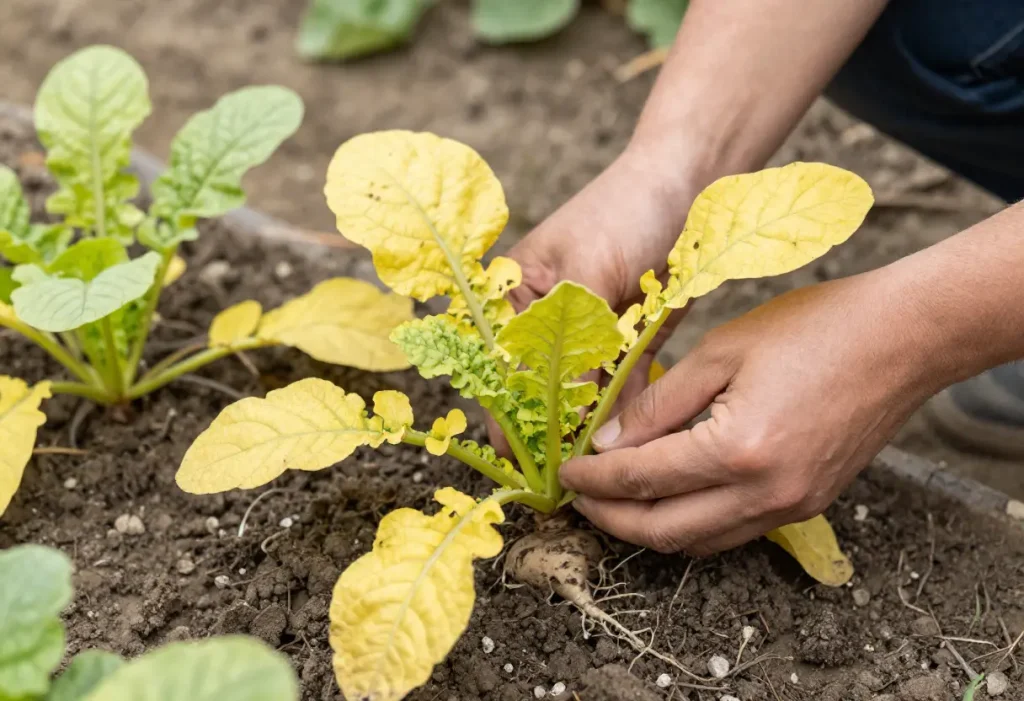
Yellow leaves on radish plants usually mean too much water or poor soil drainage. Nutrient shortage, especially nitrogen, can also cause yellowing. Check soil moisture and consider adding balanced fertilizer.
Yes, pests like aphids or flea beetles can damage radish leaves and cause yellowing. They suck sap from leaves, weakening the plant. Inspect leaves regularly and use natural pest control methods.
Not always. Yellow leaves can be a sign of stress but not death. Fix watering habits and soil health to help the plant recover.
Poor or compacted soil limits nutrients and water uptake, causing yellow leaves. Healthy, loose soil with good nutrients supports green, strong leaves. Test soil and amend as needed.
Too much direct sunlight can stress radish leaves, leading to yellowing. Radishes prefer cool weather and partial shade in hot climates. Provide some shade to protect leaves during intense sun.
Yellow radish leaves signal your plant needs care. Check soil moisture and nutrients first. Too much water or poor soil can harm leaves. Pests and diseases also cause yellowing. Act early to save your radishes. Healthy leaves mean better root growth and taste.
Keep an eye on your garden daily. Simple steps help your radishes grow strong. Don’t ignore yellow leaves—they tell you what’s wrong. With care, your radishes will thrive again.