Gardening Made Simple.
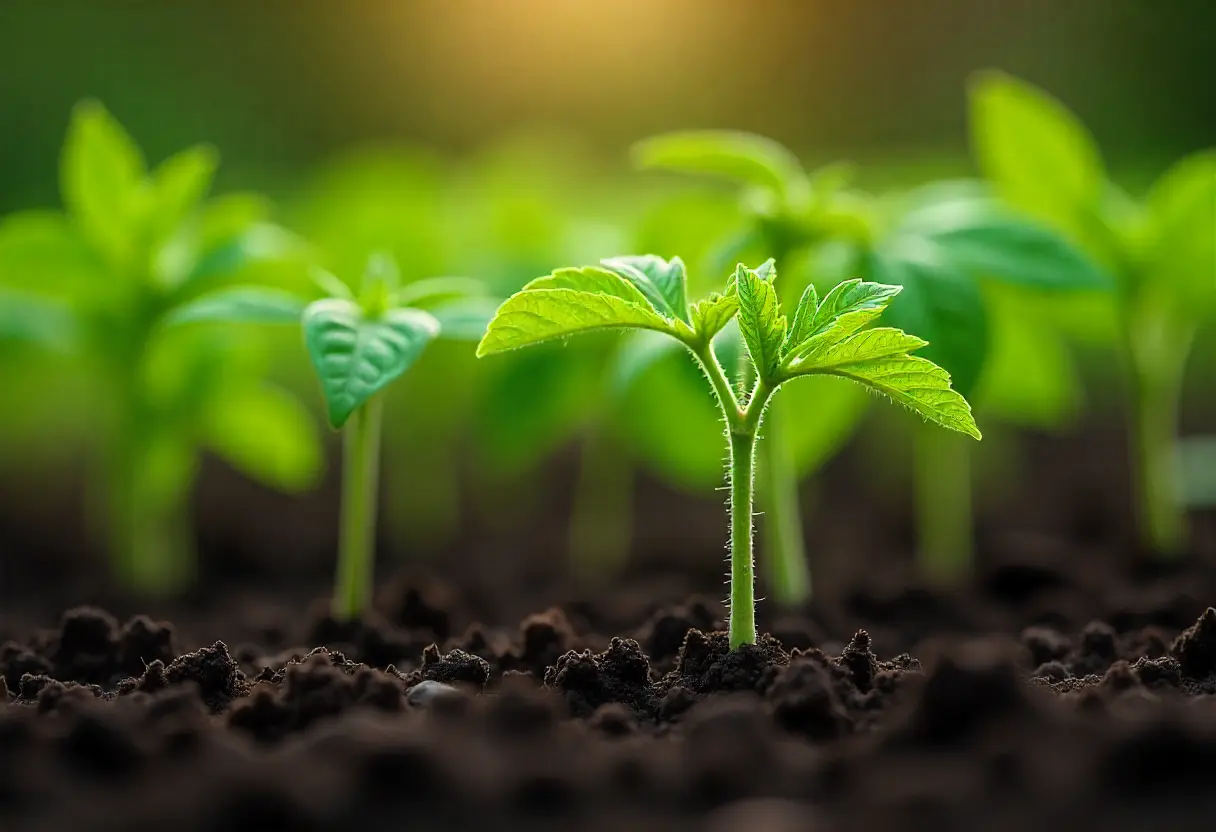
If you love fresh, juicy tomatoes bursting with flavor, Heirloom Tomato Plant Seeds are exactly what you need. These seeds grow into plants that produce rich, vibrant tomatoes with unique tastes and colors—far beyond anything you’ll find in grocery stores. Growing heirloom varieties lets you enjoy truly authentic, homegrown flavor straight from your garden.
Imagine picking ripe tomatoes right from your garden, full of rich taste and vibrant colors. By choosing heirloom seeds, you’re not just planting a garden—you’re growing a tradition that brings unique flavors to your table. Keep reading to discover how these special seeds can transform your gardening and your meals.
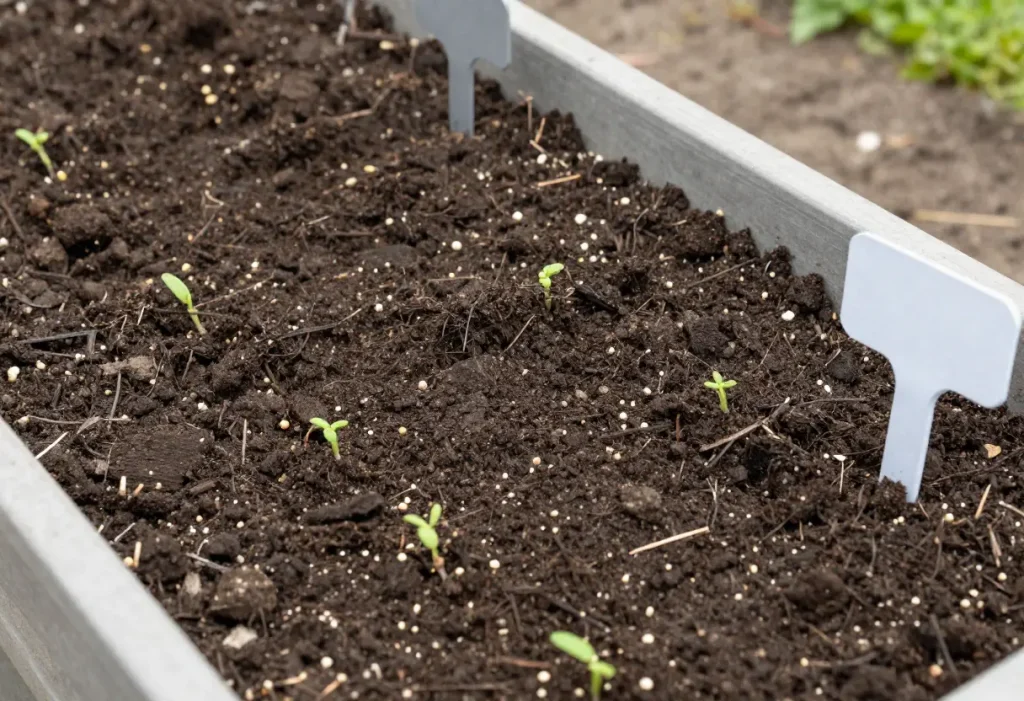
Choosing heirloom tomato seeds starts with understanding your needs. These seeds grow plants with rich history and unique flavors. Selecting the right seeds helps you enjoy a better harvest. Think about your space, climate, and taste preferences before buying.
Heirloom tomatoes come in many shapes, sizes, and colors. Some are small and round, perfect for salads. Others grow large and meaty, great for slicing. Colors range from red and pink to yellow and green. Each type offers a distinct taste and texture. Choose types that appeal to your cooking style.
Climate affects tomato growth and yield. Some heirlooms do well in warm areas. Others prefer cooler or moderate temperatures. Check your local weather and frost dates. Pick seeds that match your region’s climate. This increases your chances of healthy plants and good fruit.
Quality seeds lead to strong plants. Buy seeds from trusted sources with good reviews. Look for seeds that are fresh and well-packaged. Avoid damaged or old seeds as they may not sprout. Quality seeds save time and increase success in your garden.
Preparing for planting heirloom tomato seeds is the first step toward a healthy garden. Good preparation helps plants grow strong and produce tasty tomatoes. It starts with the right soil, timing, and seed starting methods.
Paying attention to these details gives your seeds the best chance to grow into thriving plants.
Heirloom tomatoes need well-drained soil rich in organic matter. Loamy soil with a pH between 6.0 and 6.8 works best. Add compost or aged manure to improve soil fertility. Avoid heavy clay or sandy soils without amendments. Good soil helps roots grow deep and absorbs water well.
Plant heirloom tomato seeds after the last frost date in your area. Soil temperature should be at least 60°F (16°C) for good germination. Start seeds indoors 6-8 weeks before the last frost. Transplant seedlings outdoors when nights stay above 50°F (10°C). Proper timing protects young plants from cold damage.
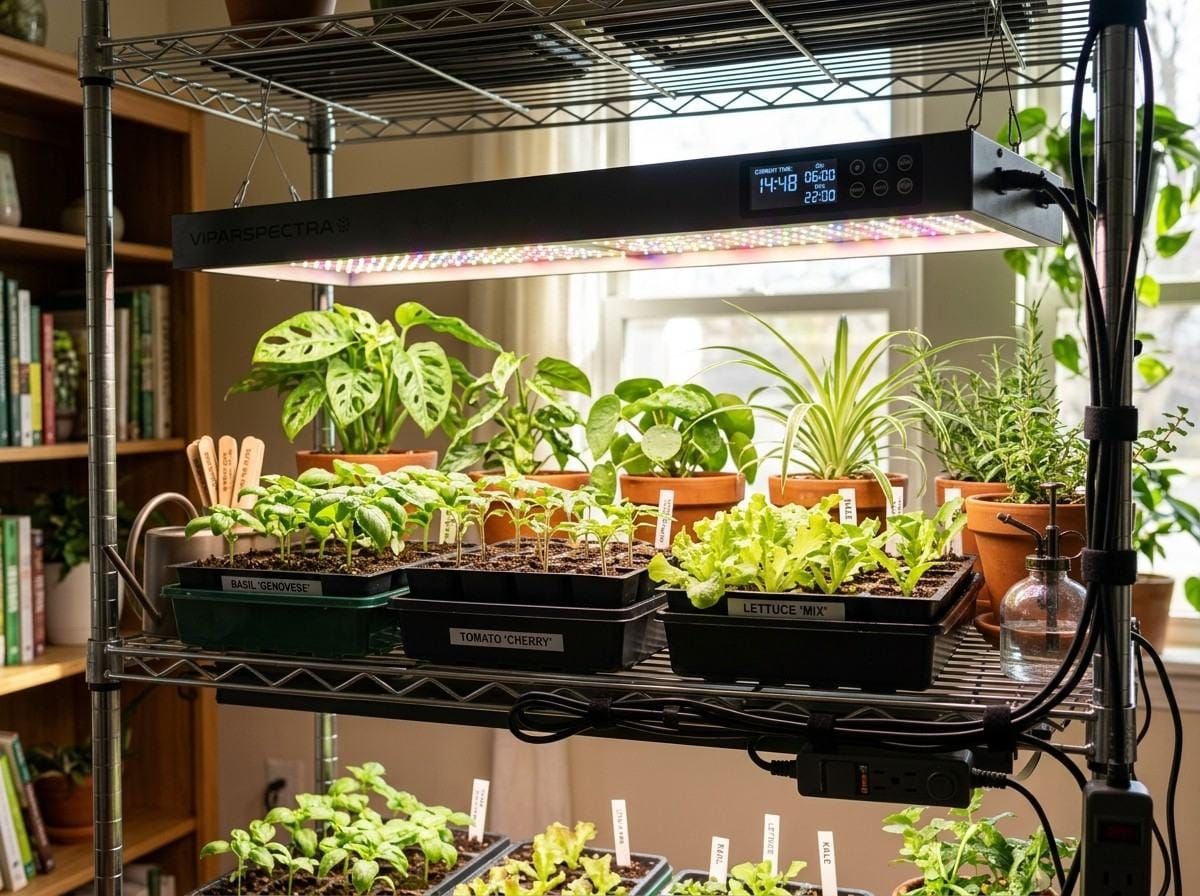
Use seed trays or small pots with seed-starting mix. Plant seeds about ¼ inch deep. Keep the soil moist but not soggy. Place trays in a warm spot with 70-75°F (21-24°C). Provide 12-16 hours of light daily using grow lights or a sunny window. Thin seedlings to one per pot after sprouting.
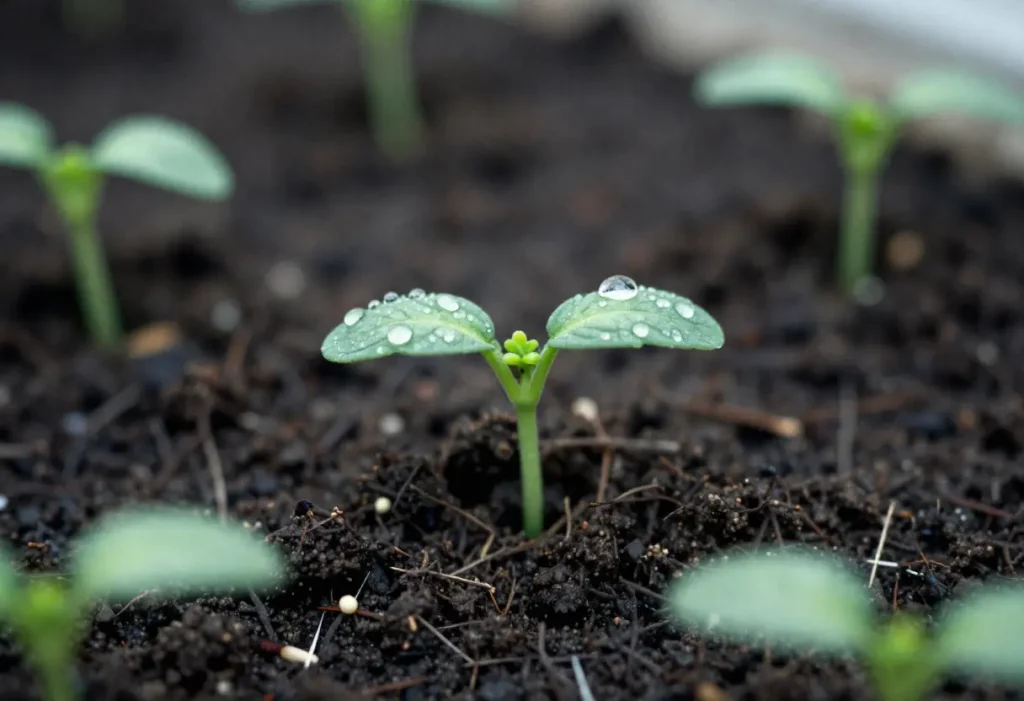
Heirloom tomato plant seeds grow into strong, tasty plants with the right care. Planting and caring for these seeds needs some simple steps. Follow these tips to help your plants thrive and produce delicious tomatoes.
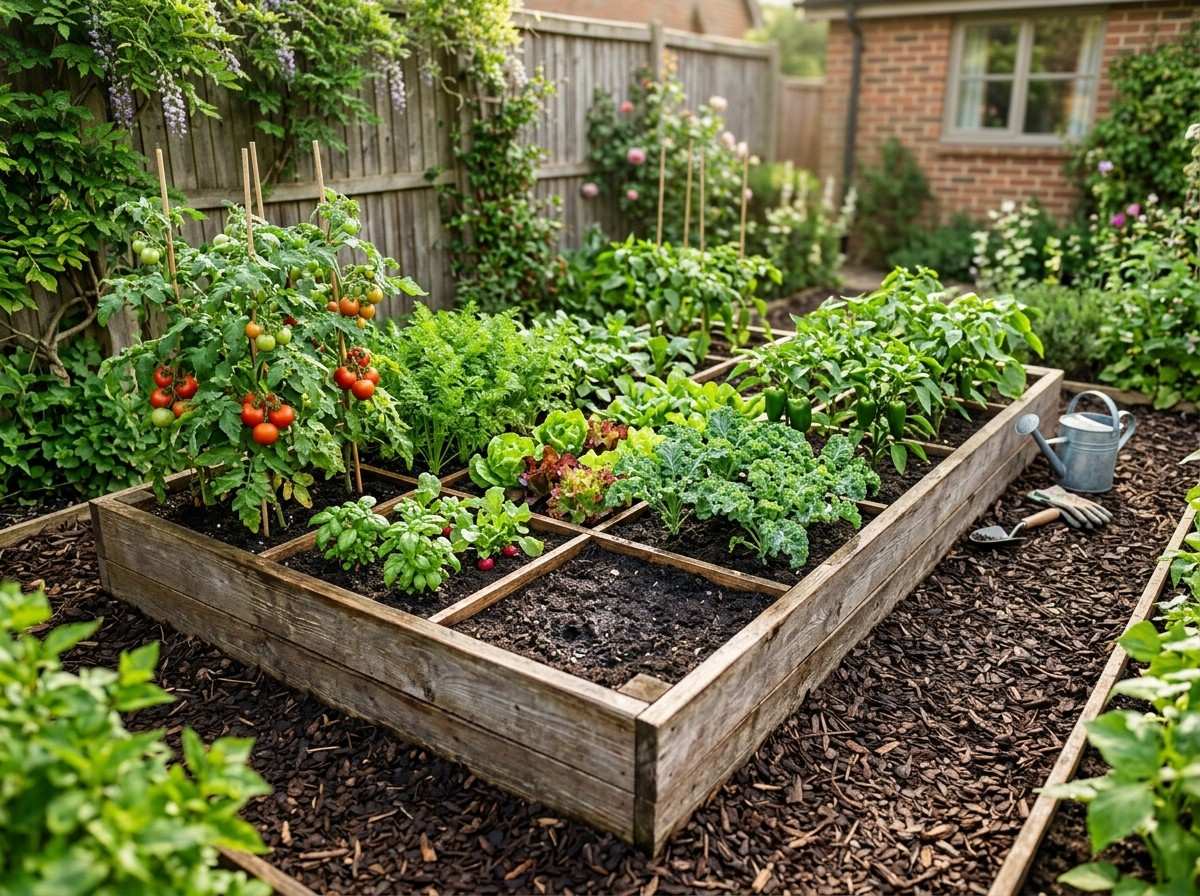
Start by growing seeds indoors for 6 to 8 weeks. Choose a sunny spot for seedlings to grow strong. Transplant seedlings outdoors after the last frost date. Dig holes deep enough to cover the stem. Plant seedlings deeper than before to help roots grow. Space plants 18 to 24 inches apart for good air flow.
Keep soil moist but not soggy. Water plants deeply once or twice a week. Avoid wetting leaves to prevent diseases. Use a balanced fertilizer every 3 to 4 weeks. Feed plants with compost or tomato-specific fertilizer. Proper feeding helps fruits grow large and sweet.
Use stakes or cages to support tall tomato plants. Tie stems gently to supports with soft ties. This stops plants from breaking in wind or rain. Remove lower leaves to improve air circulation. Prune suckers to focus plant energy on fruit. Support keeps plants healthy and easier to harvest.
Growing heirloom tomato plants is rewarding. These plants need care to stay healthy. Pests and diseases can harm your tomatoes. Managing these problems helps your plants grow strong. Good care means better fruit and less trouble.
Tomato plants attract many pests. Aphids suck sap from leaves and stems. They make plants weak and stunted. Tomato hornworms are large caterpillars. They eat leaves and fruits fast. Whiteflies also feed on tomato plants. They spread diseases and cause damage. Spider mites cause tiny yellow spots. They thrive in hot, dry weather.
Use natural ways to control pests. Handpick large pests like hornworms. Spray water to wash away aphids. Introduce ladybugs to eat aphids naturally. Use neem oil as a safe insecticide. Plant marigolds nearby to repel pests. Keep plants healthy to resist attacks. Avoid chemical pesticides to protect beneficial insects.
Diseases can ruin tomato crops quickly. Rotate crops to stop soil diseases. Water plants at the base, not leaves. Wet leaves spread fungal infections fast. Remove old leaves that look sick. Use mulch to keep soil moist and clean. Space plants well for good air flow. Choose disease-resistant heirloom seeds if possible.
Harvesting and storing heirloom tomatoes is a crucial step for enjoying their rich flavors. Knowing the right time to pick tomatoes ensures the best taste and texture. Proper storage keeps them fresh longer, preserving their quality for your meals.
Check the color of the tomato. It should be deep and even. The skin feels slightly soft but not mushy. A ripe tomato smells sweet near the stem. Look for no green spots around the stem. These signs show the tomato is ready to harvest.
Use gentle hands to avoid bruising the fruit. Twist the tomato stem softly or cut it with scissors. Avoid pulling hard to prevent plant damage. Pick tomatoes in the morning for best flavor. Handle each tomato carefully during harvesting.
Store tomatoes at room temperature, away from sunlight. Keep them stem side down to reduce moisture loss. Avoid refrigeration unless tomatoes are very ripe. Use a breathable container or basket for storage. Check tomatoes daily for any signs of spoilage.
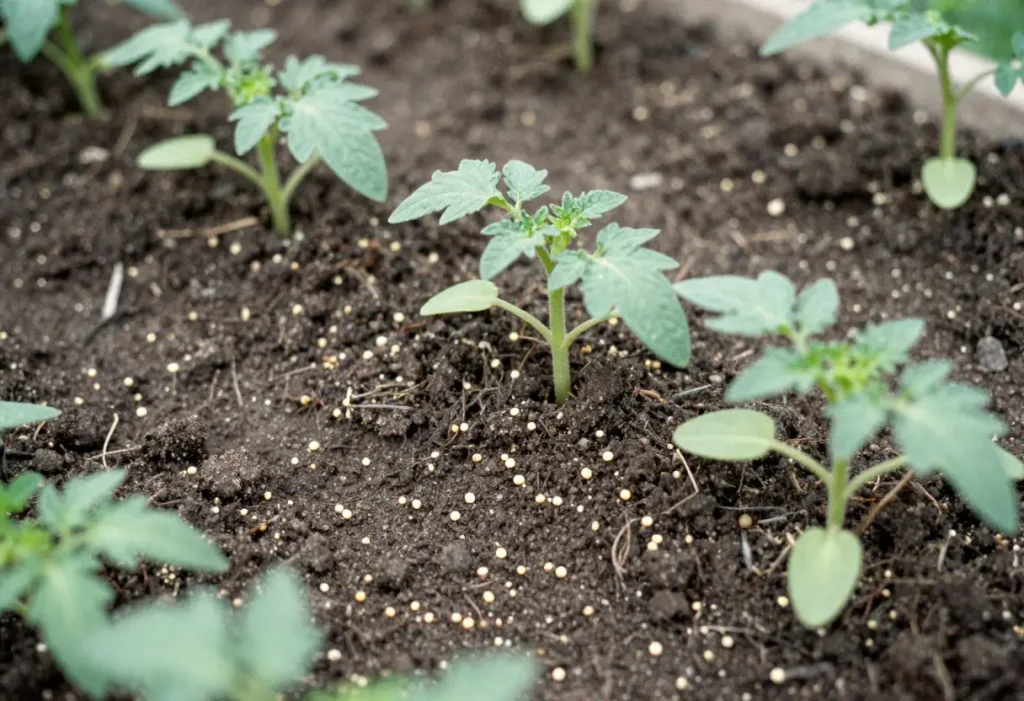
Growing heirloom tomatoes offers many rewards for gardeners and food lovers. These plants bring unique flavors and rich history to your garden. Choosing heirloom seeds helps maintain plant diversity and supports nature. Here are some key benefits of growing heirloom tomatoes.
Heirloom tomatoes have a richer taste than many store-bought varieties. Their natural sweetness and tang make meals more enjoyable. These tomatoes often contain more vitamins and antioxidants. Eating heirlooms can add nutrients to your diet naturally. Freshly picked tomatoes from your garden taste better and are healthier.
Heirloom seeds carry stories from past generations. They have been passed down carefully through families and communities. Growing these seeds keeps old varieties alive. Saving seeds from your plants helps protect this heritage. Each harvest connects you to gardeners from long ago. This tradition supports cultural and agricultural history.
Planting heirloom tomatoes helps keep many tomato types growing. This variety protects against diseases and pests. Biodiversity strengthens ecosystems by supporting different insects and animals. More plant types mean healthier soil and environment. Your garden becomes a small but important part of nature’s balance.
Heirloom tomato seeds come from old, non-hybrid varieties passed down through generations.
Heirloom seeds grow plants with unique flavors and shapes, unlike common hybrid seeds.
Heirloom tomatoes grow best in warm, sunny places but may need care in cooler areas.
Heirloom tomatoes usually take 70 to 90 days from planting to harvest.
Yes, you can save seeds from ripe heirloom tomatoes for planting next year.
Heirloom tomato plant seeds offer a chance to grow unique, tasty tomatoes. These seeds hold a rich history and strong flavors. Growing them in your garden brings joy and fresh food. You can save seeds from one season to the next.
This helps keep the plants true to type. Enjoy the process of planting, caring, and harvesting heirloom tomatoes. Each step connects you to nature and tradition. Start your garden with heirloom seeds and taste the difference.