Gardening Made Simple.
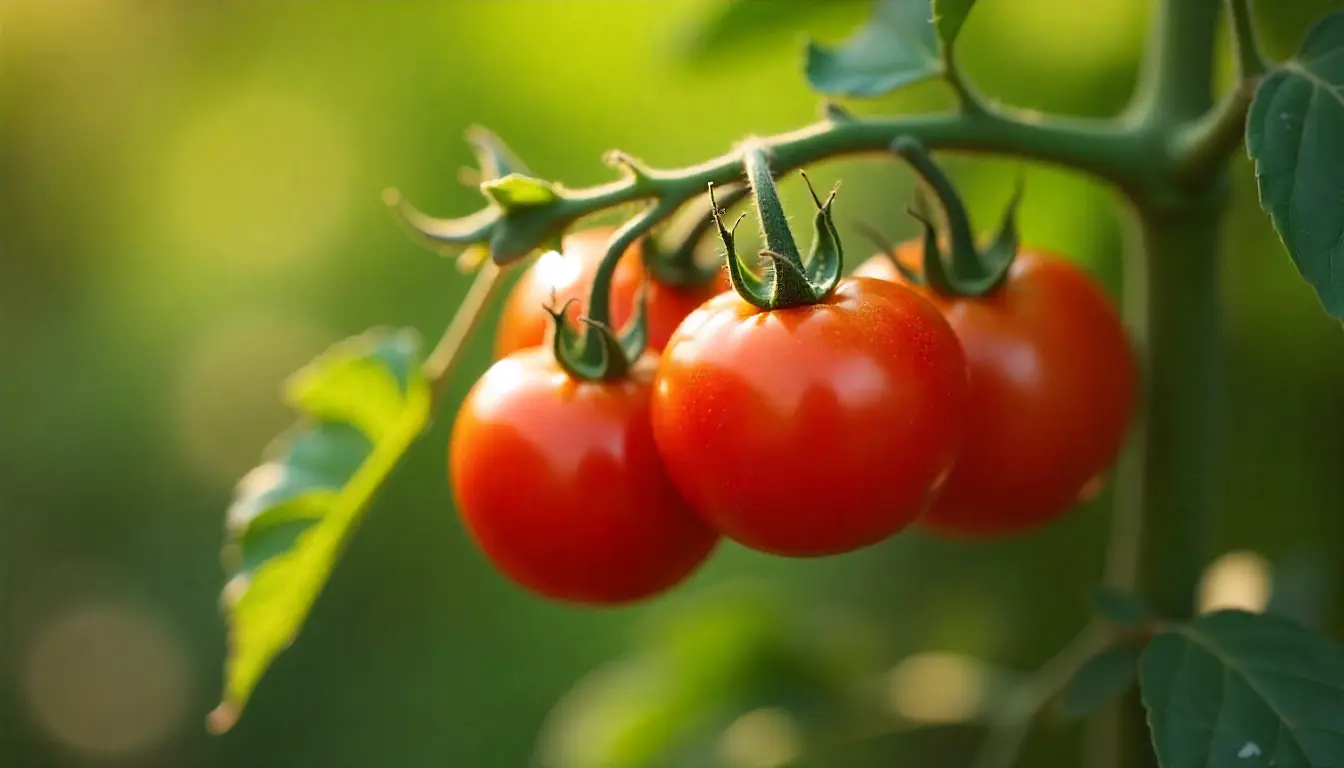
Are you looking for a tomato plant that fits perfectly in small spaces but still gives you plenty of juicy, flavorful tomatoes? The Tiny Tim Tomato Plant might be just what you need.
This compact plant is easy to grow, even if you don’t have a big garden or much experience. Imagine picking fresh, ripe tomatoes right from your windowsill or balcony. Keep reading to discover how the Tiny Tim Tomato Plant can bring fresh flavor and fun to your home garden, no matter where you live.
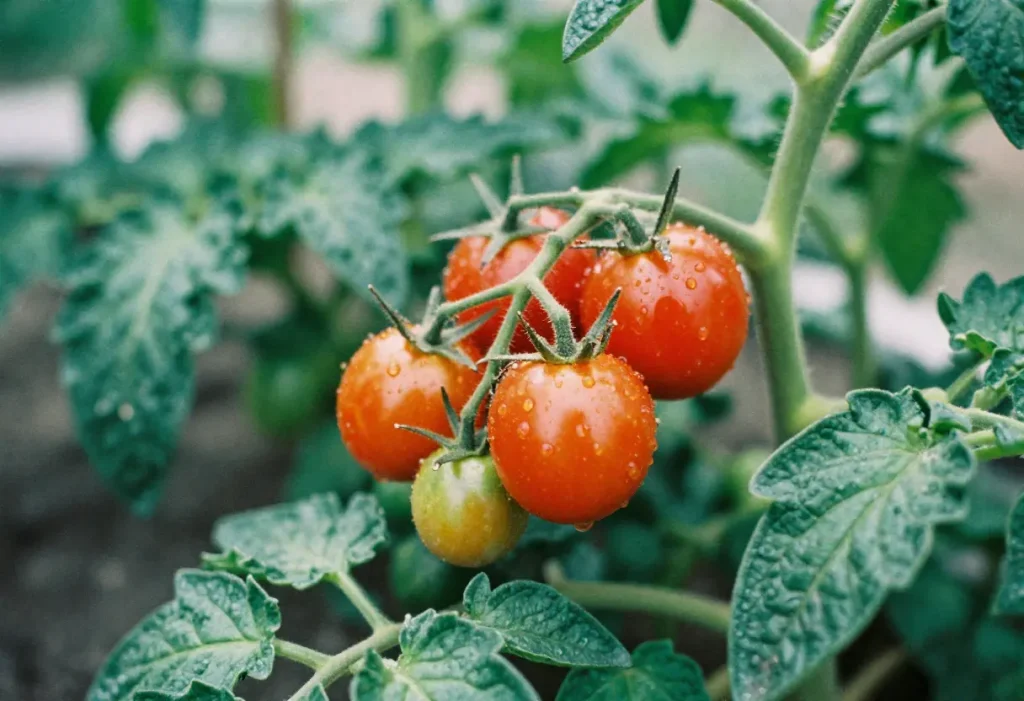
The Tiny Tim tomato plant is a popular choice for gardeners with limited space. This small, compact plant produces cherry tomatoes that are perfect for salads and snacking. Its size makes it ideal for containers, balconies, and small gardens. Many home growers enjoy its quick growth and reliable fruit production.
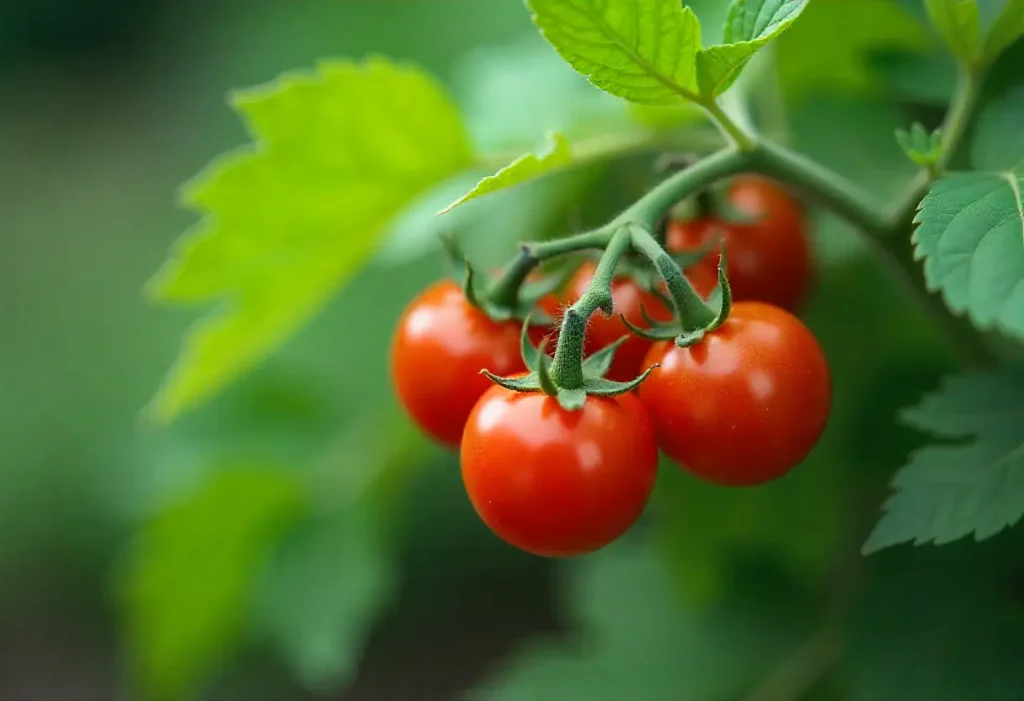
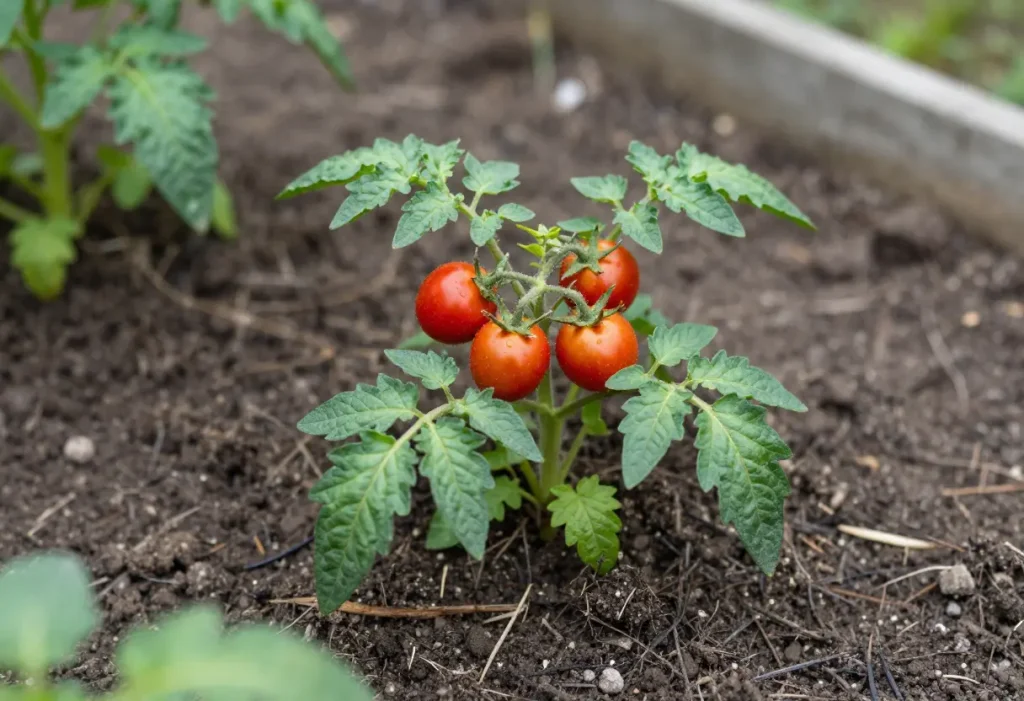
The Tiny Tim tomato plant grows to about 12 to 18 inches tall. It has bushy, compact foliage with dark green leaves. The plant produces small, round cherry tomatoes, roughly one inch in diameter. The fruits turn bright red when ripe and have a sweet, tangy flavor. This variety is determinate, meaning it grows to a fixed size and stops. It usually starts producing fruit about 50 to 60 days after planting.
Tiny Tim tomatoes grow best in full sunlight for at least six hours daily. The soil should be well-drained and rich in organic matter. Keep the soil moist but not waterlogged to prevent root problems. This plant thrives in temperatures between 65°F and 85°F. Container gardeners should use pots with drainage holes. Regular feeding with balanced fertilizer helps boost fruit production. Good air circulation around the plant reduces disease risks.
Selecting the right seeds and seedlings is the first step to growing healthy Tiny Tim tomato plants. Good quality seeds and strong seedlings lead to better growth and a higher yield. This section helps you choose the best options for your garden.
Buy seeds from trusted sources. Local garden centers often have seeds suited for your climate. Online stores offer a wide variety of Tiny Tim tomato seeds. Check customer reviews to find reliable sellers. Choose seeds that are fresh and well-packaged. Fresh seeds have better germination rates and grow faster.
Pick seedlings that look strong and green. Avoid plants with yellow or brown leaves. Check for thick stems and firm leaves. Healthy seedlings have no signs of pests or disease. Choose seedlings with a good root system. Roots should not be tangled or black. Strong seedlings adapt faster to new environments.
Planting Tiny Tim tomatoes is a rewarding experience. These small tomato plants fit well in containers and gardens. They produce plenty of juicy cherry tomatoes. Proper planting helps the plants grow strong and healthy. Follow simple steps for the best results.
Choose soil that drains well and feels loose. Mix compost or organic matter into the soil. This adds nutrients and improves texture. Avoid heavy clay or sandy soil alone. The Tiny Tim tomato loves rich, fertile ground. Prepare the soil a few days before planting.
Plant Tiny Tim tomatoes after the last frost date. The soil should be warm, at least 60°F (15°C). Early spring works well in most areas. For warmer climates, late winter is possible. Watch the weather forecast to avoid cold snaps. Warm days help seedlings grow fast.
Plant Tiny Tim tomatoes about 12 inches apart. This gives enough space for growth and air flow. Dig holes slightly deeper than the plant’s root ball. Bury the stem up to the first set of leaves. This encourages strong root development. Water the plants well after planting.
Caring for your Tiny Tim tomato plant ensures a healthy, fruitful harvest. This small plant needs regular attention to thrive in your garden or balcony. Simple care steps help the plant grow strong and produce tasty tomatoes.
Water your Tiny Tim plant evenly. Keep the soil moist but not soggy. Check the soil daily. Water when the top inch feels dry. Avoid wetting the leaves to prevent disease. Morning watering is best for the plant.
Feed the plant every two weeks during the growing season. Use a balanced, water-soluble fertilizer for best results. Follow the package directions carefully. Too much fertilizer can harm the plant. Healthy feeding helps produce more tomatoes.
Prune small suckers to focus energy on fruit growth. Remove dead or yellow leaves to keep the plant healthy. Use a small stake or cage for support. This prevents bending or breaking as the plant grows. Proper pruning and support improve tomato size and quality.
Keeping your Tiny Tim Tomato Plant healthy means protecting it from pests and diseases. These problems can slow growth and reduce fruit quality. Regular checks and care help your plant stay strong. Understanding common pests and diseases guides effective control. Using natural and safe methods keeps your garden eco-friendly and vibrant.
Tiny Tim Tomato Plants attract pests like aphids, whiteflies, and spider mites. Aphids cluster on new leaves and suck plant juices. Whiteflies fly around when disturbed and also feed on leaves. Spider mites cause tiny yellow spots and webbing on leaves. These pests weaken the plant and cause leaf drop. Early spotting helps stop them from spreading fast.
Diseases like blight, fusarium wilt, and powdery mildew affect tomato plants. Blight causes dark spots and leaf drop. Fusarium wilt makes leaves yellow and wilt. Powdery mildew shows white powder on leaves. Avoid wetting leaves during watering to reduce fungal risks. Provide good air flow and space plants well. Remove diseased leaves to stop spreading. Use clean tools to prevent infections.
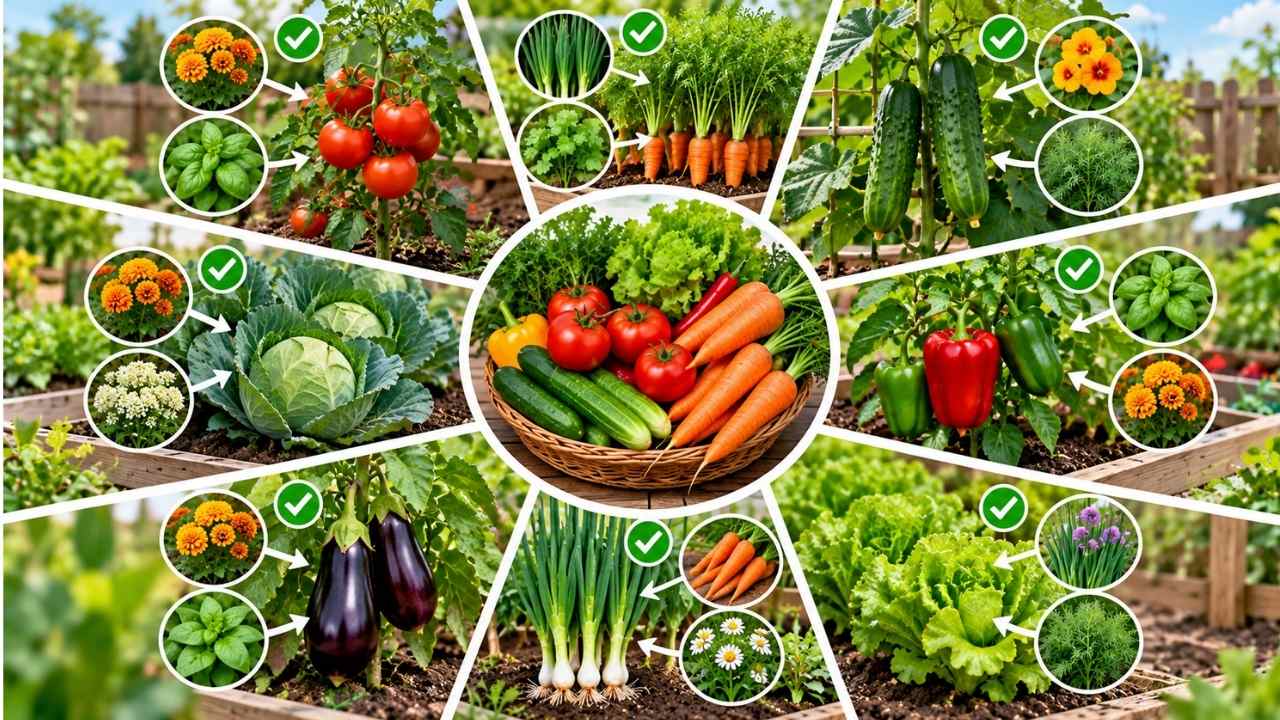
Neem oil works well against many pests and fungi. Spray it early morning or late evening for best results. Insecticidal soap helps remove soft-bodied pests like aphids. Garlic or chili sprays repel insects naturally. Companion planting with basil or marigolds can keep pests away. Handpick larger pests like caterpillars. Organic remedies keep your plant safe and the environment healthy.
Harvesting and storing Tiny Tim tomato plants properly helps keep their flavor fresh. Picking the right fruit at the right time is key to enjoying sweet, juicy tomatoes. Proper storage preserves their taste and texture for days after picking.
Harvest Tiny Tim tomatoes when they turn bright red. The fruit should feel firm but slightly soft to touch. Avoid picking green or very hard tomatoes. Ripeness means the tomatoes will taste best and have the most nutrients.
Use your fingers or small scissors to pick tomatoes gently. Hold the tomato and twist or cut the stem close to the fruit. Avoid pulling hard to stop damaging the plant or fruit. Handle tomatoes carefully to keep them from bruising.
Store harvested tomatoes at room temperature, away from sunlight. Place them stem side up on a plate or paper towel. Do not refrigerate unless fully ripe and you want to slow ripening. Use tomatoes within a few days for the best taste.
Tiny Tim tomato plants are small but can face common growth problems. These issues affect how well the plant grows and produces fruit. Knowing how to spot and fix these problems helps keep your plant healthy. Here are common troubles and how to handle them.
Yellow leaves often mean the plant needs more nutrients. Lack of nitrogen is a common cause. Check the soil and add a balanced fertilizer. Overwatering also causes yellow leaves. Let the soil dry before watering again. Good air circulation helps prevent leaf problems too.
This problem shows as a dark, sunken spot on the fruit's bottom. It happens when the plant lacks calcium. Uneven watering makes it worse. Water the plant evenly and deeply. Mulch helps keep soil moisture steady. Avoid high nitrogen fertilizer, which can cause imbalance.
Small or few tomatoes may mean the plant is stressed. Lack of sunlight reduces fruit growth. Make sure the plant gets at least six hours of sun daily. Pollination is important. Gently shake the plant or use a small brush to help spread pollen. Avoid too much fertilizer with nitrogen, which grows leaves but not fruit.
Growing Tiny Tim tomatoes indoors is a great way to enjoy fresh tomatoes year-round. These small plants fit well in limited spaces. They need some care but reward you with tasty fruits. Indoor growing lets you control the environment easily. This helps the plants stay healthy and productive.
Focus on the right container, light, and temperature. These are key for successful indoor growth. Follow simple steps to help your Tiny Tim tomato thrive inside your home.
Choose a container at least 8 to 10 inches deep. This gives enough room for roots to grow. Use pots with drainage holes to prevent water buildup. A plastic or ceramic pot works well. Make sure it is stable and won’t tip over easily.
Tiny Tim tomatoes need 10 to 12 hours of light daily. Place the plant near a south-facing window for natural light. If sunlight is limited, use a grow light. LED grow lights are energy efficient and effective. Keep the light about 6 to 12 inches above the plant.
Maintain indoor temperatures between 65°F and 75°F (18°C to 24°C). Avoid cold drafts or hot spots near heaters. Night temperatures should not drop below 55°F (13°C). Consistent warmth helps flowers and fruits develop well.
Tiny Tim tomatoes are small but versatile. Their bright red color and sweet taste make them a favorite for many uses. These little tomatoes add charm and flavor to dishes and decorations. They grow well in small spaces, making them easy to have at home. Explore creative ways to use Tiny Tim tomatoes in your kitchen and around your living space.
Tiny Tim tomatoes are perfect for fresh salads. Their size makes them easy to eat whole. Toss them with greens and a light dressing for a quick snack. They also work well in pasta dishes. Add them at the end of cooking to keep their flavor fresh. Roasting Tiny Tim tomatoes enhances their sweetness. Use them as a topping on bruschetta or pizza. Their bright color brightens any plate. Try stuffing them with cheese or herbs for a tasty appetizer.
Tiny Tim tomatoes add a pop of color to table settings. Arrange them in small bowls or glass jars for a simple centerpiece. Combine with fresh herbs for a natural look. Use skewers to create edible tomato kebabs for parties. Their vibrant red contrasts nicely with green leaves. Place them around potted plants to bring charm to indoor gardens. Their small size fits well in miniature vegetable displays. These tomatoes make any space feel fresh and lively.
A Tiny Tim tomato plant is a small, dwarf variety perfect for containers and small spaces.
Tiny Tim tomato plants grow about 12 to 18 inches tall, ideal for indoor or patio gardens.
Tiny Tim tomato plants need 6 to 8 hours of direct sunlight daily for healthy growth.
Water Tiny Tim tomato plants regularly, keeping the soil moist but not soggy.
Tiny Tim tomatoes typically ripen in 50 to 60 days after planting, offering early harvests.
Tiny Tim tomato plants fit well in small spaces. They grow fast and produce many tasty tomatoes. Caring for them is simple and fun. Whether on a balcony or a small garden, they thrive. These plants bring fresh flavor right to your home.
Small but strong, they brighten any spot easily. Give Tiny Tim a try for a fresh, homegrown treat. Gardening can be easy and rewarding with these plants. Enjoy the joy of growing your own food today.