Gardening Made Simple.

Are you wondering When to Plant Parsley in your garden? Getting the timing right can make all the difference in growing healthy, vibrant parsley that adds fresh flavor to your meals.
Whether you’re a beginner or have some gardening experience, knowing the perfect planting window helps you avoid common mistakes and ensures your parsley thrives. Keep reading, and you’ll discover simple tips that make growing parsley easy and rewarding—so you can enjoy a lush, green herb patch all season long.
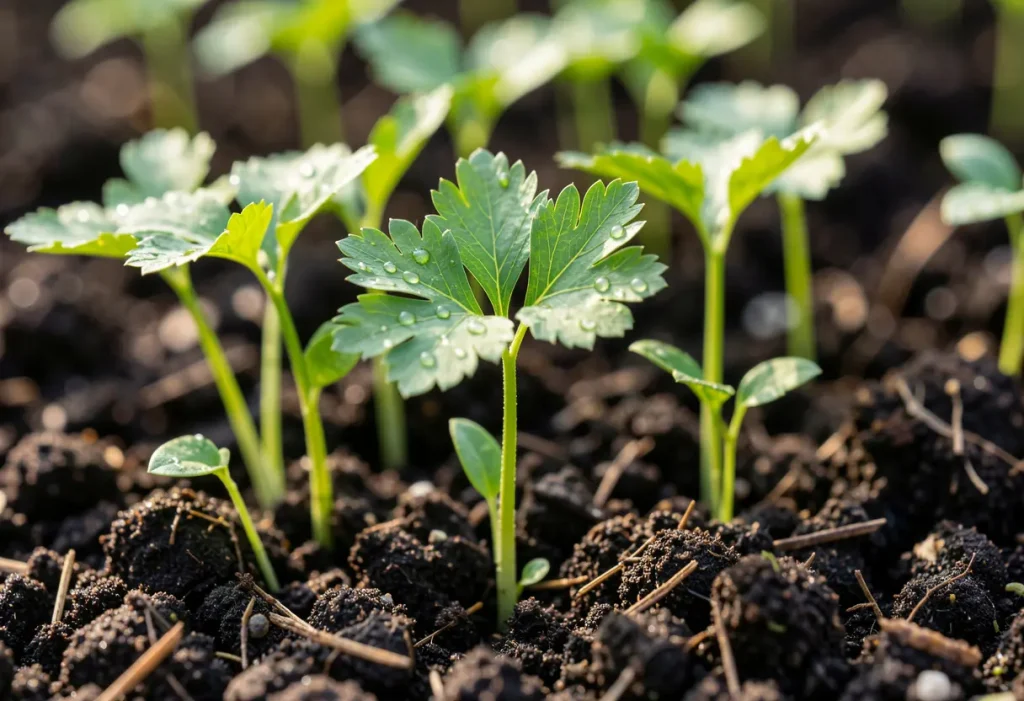
Choosing the right season to plant parsley affects its growth and flavor. Parsley grows best in cool weather. Picking the right time helps you get fresh leaves for longer. Understanding the benefits of spring and fall planting makes a big difference. Also, your local climate plays a key role in timing.
Spring is a popular time to start parsley. The soil warms up, helping seeds sprout quickly. Young plants grow strong before summer heat arrives. Spring planting means you get fresh parsley by early summer. Parsley enjoys the mild weather of spring. It also avoids frost damage that can happen in winter.
Fall planting lets parsley grow slowly during cool months. Plants develop deep roots for better health. Parsley planted in fall can survive mild winters. It starts growing again early in spring. Fall planting reduces the chance of pests and diseases. The cooler weather helps parsley keep its flavor longer.
Your region's climate changes the best planting time. In warm areas, plant parsley in fall or winter. In cold places, spring planting is safer after frost ends. Parsley grows well in zones with mild summers. Check local frost dates to avoid damage. Adjust planting time for the best growth in your area.
Preparing the soil is an important step before planting parsley. Good soil helps parsley grow strong and healthy. It gives the plant the right support and food it needs. Taking time to prepare the soil leads to better growth and a bigger harvest. Here are some tips on how to prepare the soil for parsley planting.
Parsley grows best in loose, well-drained soil. Heavy clay or waterlogged soil can harm the roots. Sandy loam soil is ideal because it drains well and holds moisture. To improve drainage, mix organic matter like compost or peat moss into the soil. This will help water flow freely and keep roots healthy.
Parsley needs soil rich in nutrients to grow well. Adding compost or aged manure boosts soil nutrients naturally. Nitrogen is important for leafy growth. Use a balanced fertilizer if the soil lacks nutrients. Avoid over-fertilizing, as this can burn the plant roots and reduce growth.
Parsley prefers slightly acidic to neutral soil. The ideal pH range is between 6.0 and 7.0. Test your soil’s pH before planting. If the soil is too acidic, add lime to raise the pH. For alkaline soils, add sulfur to lower the pH. Maintaining the right pH helps parsley absorb nutrients better.
Choosing the right planting method for parsley affects its growth and harvest time. Parsley can be grown by sowing seeds directly, starting seeds indoors, or transplanting seedlings. Each method suits different gardeners and climates. Understanding these options helps you grow healthy parsley plants.
Direct seeding means planting parsley seeds straight into the garden soil. This method works well in mild climates with warm soil. Sow seeds about 1/4 inch deep and space them 6 to 8 inches apart. Keep the soil moist until seeds sprout, which may take 2 to 3 weeks. Direct seeding is simple and requires less effort.
Starting parsley seeds indoors gives a head start in cooler regions. Plant seeds in small pots or seed trays filled with seed-starting mix. Keep the soil moist and place containers in a warm spot. Seedlings appear in 2 to 4 weeks. Transplant young plants outside after the last frost date. This method speeds up the growing process.
Transplanting involves moving young parsley plants from pots to the garden. Choose healthy seedlings with strong leaves. Plant them 8 to 10 inches apart in well-prepared soil. Water them well after transplanting. This method helps avoid slow seed germination and gives plants a better start outdoors.
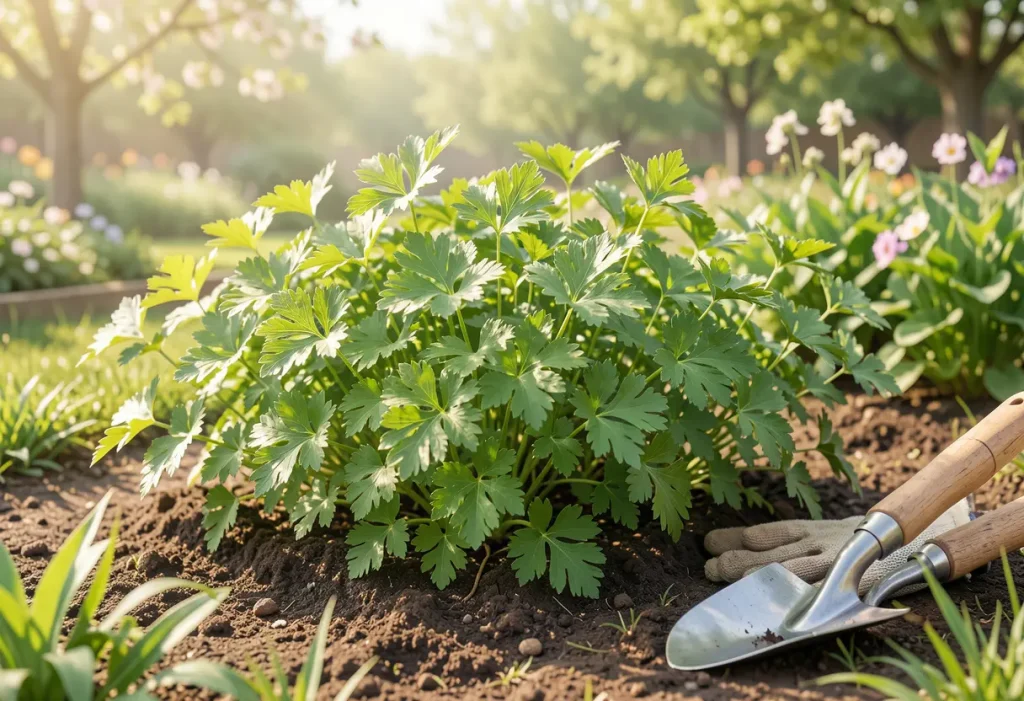
Parsley grows best with the right balance of water and sunlight. Too much or too little of either can harm the plant. Knowing how to water and where to place your parsley helps it stay healthy and full of flavor. This section explains the best watering schedule and sunlight needs for parsley.
Parsley likes soil that stays moist but not soggy. Water the plant deeply once or twice a week. Check the soil before watering. If the top inch feels dry, it is time to water. Avoid letting the soil dry out completely. Overwatering can cause root rot and yellow leaves.
Parsley grows well in full sun to partial shade. It needs at least 4 to 6 hours of sunlight daily. Morning sun is best because it is gentle. Too much afternoon sun can dry out the plant. In hot climates, some afternoon shade helps prevent leaf burn.
Do not water parsley every day. This can drown the roots and cause disease. Avoid planting parsley in deep shade or inside dark rooms. Too little light makes leaves weak and pale. Watch for yellow or wilting leaves. These signs mean watering or light needs adjusting.
Temperature plays a big role in parsley growth. It affects how fast seeds sprout and how healthy plants grow. Understanding the right temperature helps you plant parsley at the best time. This way, you get fresh, green leaves sooner.
Parsley grows best between 50°F and 70°F (10°C to 21°C). Below 50°F, growth slows down a lot. Above 70°F, plants may struggle and stop growing well. Keeping parsley in this range helps it stay strong and healthy.
Frost can harm young parsley plants. Light frost might only slow growth. Hard frost can kill seedlings or damage leaves. Plant parsley after the last frost date for your area. Protect young plants if frost is still possible.
Parsley seeds take time to sprout. Warm soil helps speed this up. Keep soil moist and around 70°F (21°C) for best results. Soaking seeds overnight can also help. This gives you green parsley faster.
Managing pests and diseases is key to growing healthy parsley. Pests can damage leaves and stunt growth. Diseases may cause spots, wilting, or decay. Keeping parsley free from these problems ensures a good harvest and vibrant plants.
Parsley often faces attacks from aphids, spider mites, and caterpillars. Aphids suck plant sap, making leaves curl and yellow. Spider mites create tiny webs and cause leaf spots. Caterpillars chew holes in leaves and stems. These pests reduce plant strength and yield.
Start with clean soil and healthy seeds. Space plants well to allow air flow. Water parsley at the base to keep leaves dry. Remove weeds that can host pests. Check plants regularly for early signs of trouble.
Use insecticidal soap to control aphids and mites. Spray neem oil to repel many common pests. Handpick caterpillars off plants when you see them. Introduce ladybugs, natural enemies of aphids. These methods protect parsley without harsh chemicals.
Harvesting parsley correctly helps you get the most from your plants. The right time and method keep the leaves fresh and tasty. It also encourages the plant to grow more leaves for later use. Careful harvesting means a longer supply of parsley for your kitchen.
Pick parsley leaves once the plant is 6 to 8 inches tall. Early morning is the best time to harvest. The leaves have more moisture and flavor then. Avoid harvesting after rain or hot sun to keep leaves fresh. Regular harvesting helps the plant stay healthy and strong.
Use sharp scissors or garden shears to cut parsley. Cut stems near the base, above the soil line. Take only a third of the plant at a time. Avoid pulling leaves off by hand to protect the plant. Clean cuts help prevent damage and disease.
Trim parsley often to promote new growth. Water the plant regularly but do not overwater. Add a little fertilizer every few weeks for best results. Remove any yellow or dead leaves to keep the plant healthy. With proper care, parsley will keep growing strong.
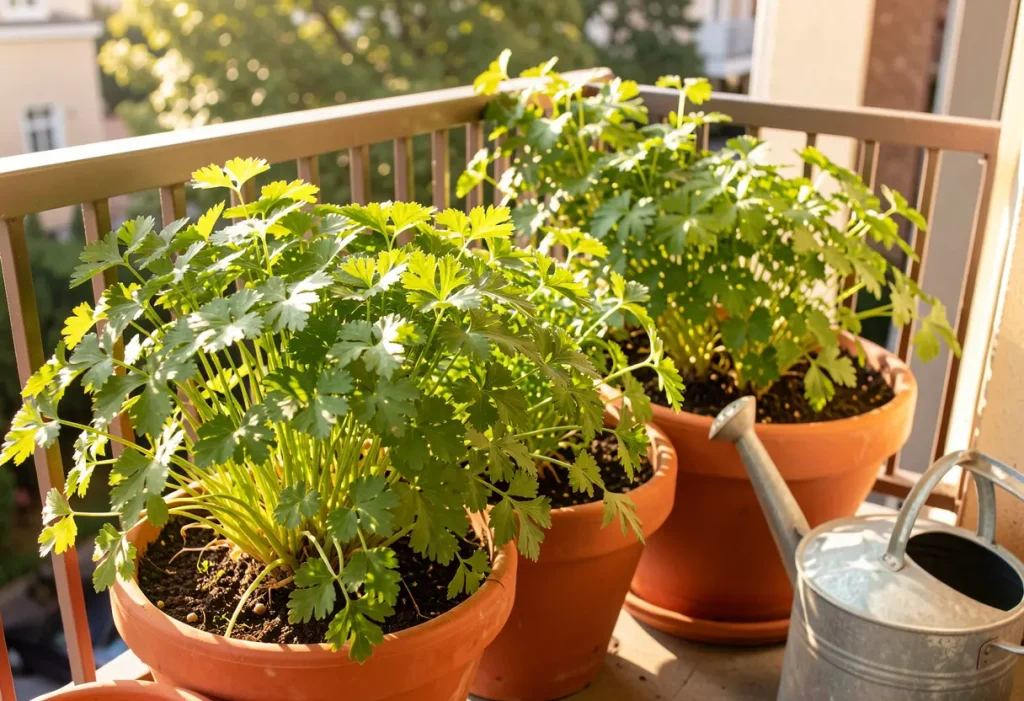
Parsley grows best in spring or early fall. These seasons offer mild temperatures and good soil moisture. Planting during these times helps parsley grow strong and healthy.
Parsley usually takes 70 to 90 days to mature. You can start harvesting leaves once the plant is about 6 inches tall. Patience is key for a good parsley crop.
Yes, parsley grows well both indoors and outdoors. Indoors, use a sunny window with well-drained soil. Outdoors, plant in a spot with partial to full sunlight.
Parsley prefers rich, moist, and well-drained soil. A soil pH between 6. 0 and 7. 0 works best. Adding compost improves soil quality and plant growth.
Parsley needs consistent watering to keep the soil moist but not soggy. Water about 1 inch per week, adjusting for rainfall. Good watering helps parsley develop lush leaves.
Plant parsley in early spring or late summer for best growth. Choose a spot with good sunlight and well-drained soil. Water regularly but do not overwater. Parsley grows well in cooler weather and may slow in heat. Starting at the right time helps your plants stay healthy.
Enjoy fresh parsley in your meals all season long. Simple steps lead to a green, thriving garden. Happy planting!